• Skip to main content
  • Skip to footer
Green Jay Landscape Design

Green Jay Landscape Design

Green Jay Landscape Design

(914) 560-6570
  • Design
  • Installation
  • Portfolio
  • Pricing
  • About
    • Service Area
    • Meet Our Team
    • Our Process
    • Our Promise
    • Mission, Vision, & Core Values
    • FAQ
    • Press & Events
    • Blog
    • Reviews
    • Careers
    • Affiliations
  • Contact

greenjayadmin

Now That You Have a Healthy Landscape

The final step for cultivating a healthy and safe landscape: spend time in it!  The only true way to reap the benefits of your newly designed outdoor safe haven is to get outside and soak up all the health.

To recap, in case you missed the earlier parts of our series on How to Make Your Landscape Safer & Healthier:

Step One: Ditch the Landscape Chemicals and Turn Your Property Organic

Step Two: Build Healthy Soil Microbial Communities

Step Three: Design for Biodiversity with Pollinator and Wildlife Gardens

Step Four: Landscape Design for Natural Mosquito Control (Storm Water Management for Health)

Step Five: Grow Your Own Organic Food at Home

Now that you have a toxin-free, organic landscape teeming with biodiversity and layered (mostly-native) plantings that create habitat and effectively manage storm water, AND an at-reach organic food garden… your natural oasis is ready for immersion!

Spending Time Outside (Forest Bathing) is Good for your Health

“Fresh air will do you good” has long been adage in our culture connecting the outdoors with improved health.

Even in the 19th Century, doctors were prescribing time outdoors for the sick and fatigued. Sanitariums popped up all over alpine Europe where ill urban dwellers retreated to natural springs and took therapeutic walks through the surrounding landscape.

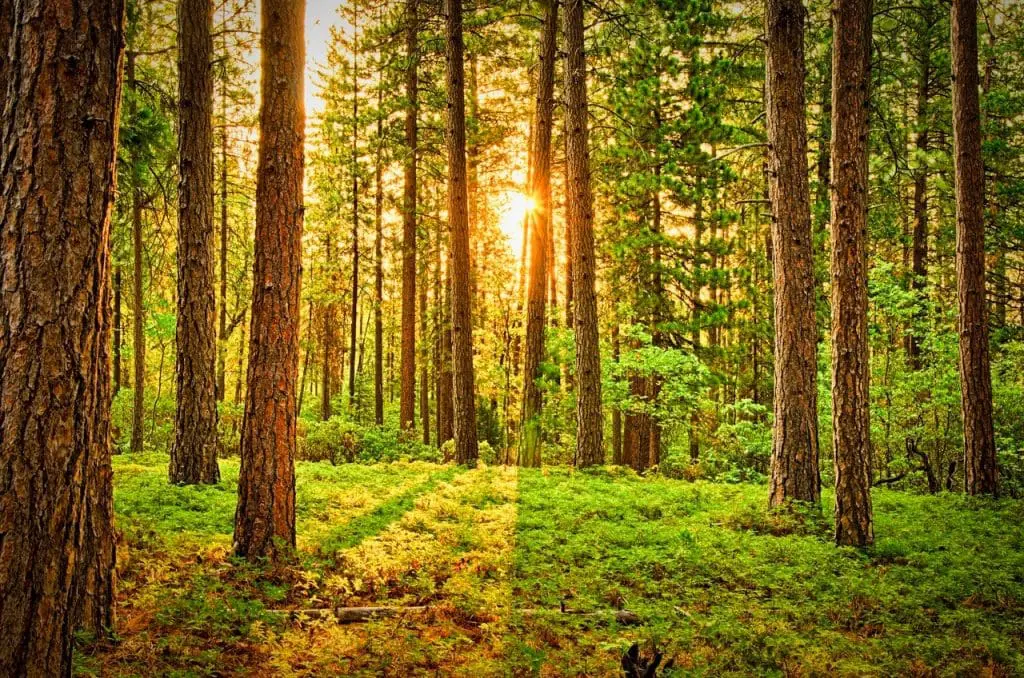
In the 1980s, Japan pioneered the concept of Shinrin-Yoku or “forest bathing,” quantifying the health benefits of spending time in forests or green spaces.  It is now part of their national health program. Forest bathing is intentional, meditative time spent in the forest or among greenery.

Japan’s research on the topic has yielded remarkable results, linking forest bathing to:

  • Improved immune function via an increased production of natural killer (NK) cells which target cancerous or virus-infected cells, as well an increased expression of anti-cancer proteins.
  • Reducing stress hormones including cortisol, adrenaline and nonadrenaline
  • Lower blood pressure, lower pulse, and greater parasympathetic nerve activity – Lower blood pressure is linked to cardiac health, and the parasympathetic nervous system controls “feed and breed” activities such as digestion, salivation and sexual arousal.
  • Improved cognitive function, attention span, memory and energy levels
  • Decreased blood glucose levels in diabetic patients
  • Reduced feelings of anxiety, depression, anger and confusion
  • Improved concentration and focus among ADHD patients
  • Enhanced Mood – essential oils (terpenes) released by trees are a natural aromatherapy and have been linked to improved mood, energy and reduced stress

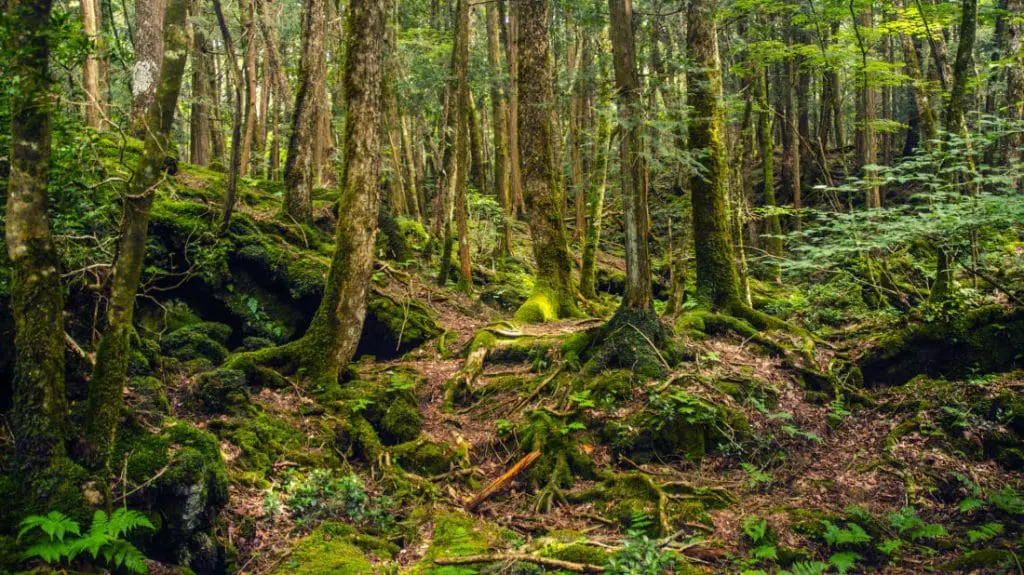
Many of these health effects have been linked to our inhalation of phytonicides – chemical compounds produced and released by trees to protect themselves from pathogens, insects and other threats.  When we inhale phytonicides in the forest, park or a garden, we benefit from their  immune defense antibacterial and antifungal properties.

Image courtesy of mentalfloss.com

Forest Bathing: Are You Doing it Right?

Trees release the most phytonicides, but all plants produce the compounds in some form.  Therefore, you can reap the benefits of Shinrin-Yoku by spending time in a park, garden, forest, or any green space.

The Japanese tradition emphasizes the meditative nature of time spent in the forest or green space.  Leave your phone and any distractions at home, and fully immerse yourself in the sounds, smells, feels and sights of the natural world. Focus on your breath. It is not so much about physical exercise, although you may prefer to walk through the landscape.  Forest bathing is about releasing tension, expanding the senses, and allowing the inherent therapeutics of nature to soothe you.

‘Earthing’ Maximizes Time Outdoors for Human Health

We’ve already discussed in Part One of the series the benefits of soil microbes on human health, and how simply getting your hands in the dirt is a great way to become reacquainted with essential soil microbes.

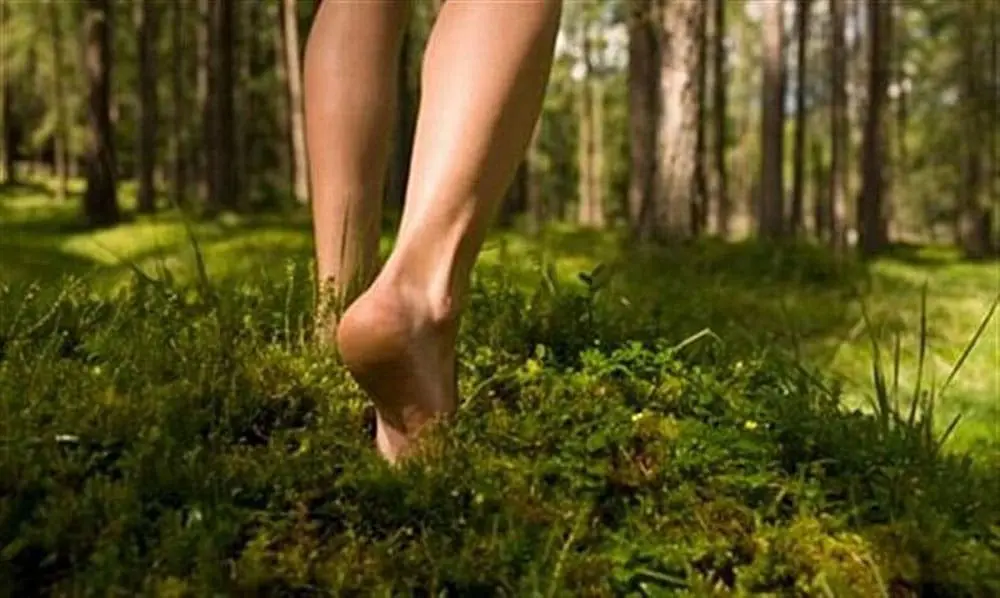
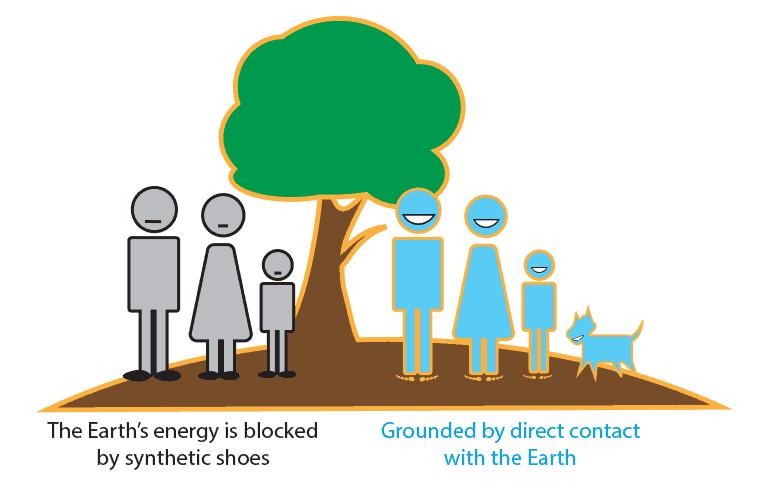
Earthing introduces a new theory about the benefits of direct contact with the Earth.  Earthing posits that only recently in human history did we become so disconnected with Earth’s surface, via time spent indoors (90% of the average American’s life is spent inside) and the physical separation from the ground via our shoes.  Earthing promotes a literal reconnection to the Earth by walking barefoot, sitting in the grass, or playing in the dirt.

Image courtesy of hsctstopsms.com

Earth has a natural magnetic field and electricians have long-since learned the importance of grounding wires to disperse electrical charge.  Earthing suggests that the human body also benefits from this electron exchange and neutralization of charge.

Studies have linked Earthing to a reduction in inflammation, because “grounding the body allows negatively charged antioxidant electrons from the Earth to enter the body and neutralize positively charged free radicals at sites of inflammation.” Free radicals are thought of as the “hallmarks of chronic inflammation.”

Another study linked earthing to reduced blood viscosity, which is known to improve cardiovascular function.  Research also suggests that Earthing leads to a reduction in stress, demonstrated by a shift to the parasympathetic nervous system, heart rate stabilization, normalized muscle tension, and a reduction in the stress hormone cortisol.

Additional Earthing benefits include improved sleep and faster recovery from pain or soreness.

Image courtesy of Chopra.com

Your Landscape, Your Health

In conclusion, the stunning health benefits of spending time directly in contact with nature can no longer be ignored.  Especially when you have a diverse, organic, and healthy yard right outside your door!

Be kind to yourself and try to carve out an hour or two each day that can be spent in your landscape, or any natural setting you have access to.  Your mental health, sleep, physiology and immune system will thank you!

—

Contact us to start developing your healthy landscape! 914-560-6570
We proudly service Westchester County and Putnam County, NY and Fairfield County, CT

Filed Under: Ecological Education, Organics - Lawn, Tree & Shrub Care Tagged With: adrenaline reduction, anti-stress, aromatherapy, better sleep, cognitive function, cortisol reduction, earthing, ecological landscape design, ecological landscaping, Fairfield County Connecticut, fast recovery, forest, forest bathing, green space, greenery, grounding, health, healthy landscape, healthy yard, immune booster', immune system, landscape designer, landscape ecologist, lower blood pressure, microbes, mood booster, natural immunity, natural killer cells, natural landscaping, nature heals, naturopath, naturopathic medicine, NK cells, organic garden, organic landscape, organic yard, outdoor therapy, pain reduction, phytonicides, Shinrin-Yoku, soil microbes, stress hormones, stress reduction, stress therapy, strong immune system, Westchester NY, wilderness therapy

Fresh Food from Healthy Soil

There’s nothing better than fresh, organic, vine-ripened produce, especially when it comes from your own backyard. Growing your own food in your at-home vegetable garden allows you total control of what goes into the soil and how it is grown.  Research has shown that plants grown in soil with high microbe concentrations uptake more essential nutrients from the soil, due to the unique exchange between soil microbes and plants.  Learn more about soil health and organics in Part One of this series.

This is Step Five of our series on How to Make Our Landscapes Safer & Healthier.  Catch up on Steps One and Two, Step Three, and Step Four.

As we discussed in Part One, soil microbes are understood to be strongly linked with the microbes in our human gut, which have been linked to numerous human health impacts ranging from mood, mental health, digestion and various chronic diseases. The more soil microbes we can come in contact, the better.  In fact, eating organic food straight off the vine is great way to increase levels of beneficial gut bacteria like M. vaccae, also found in soil.

I don’t know about you, but eating regularly off the vine is probably only going to happen for me if I have my own vegetable garden in my backyard.

What’s more, growing your food at home ensures that you are getting 100% organic produce. Pesticide residues remain on conventional produce even after it’s washed, and these toxic chemicals can lead to endocrine disruption, brain damage, reproductive problems and cancers.

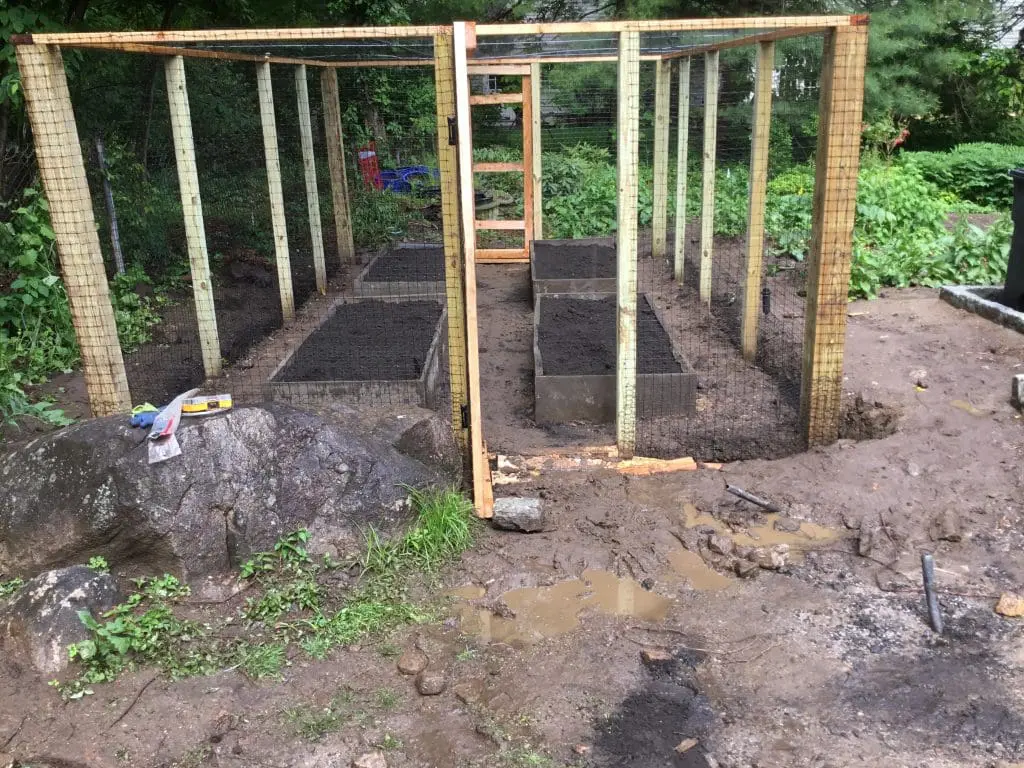
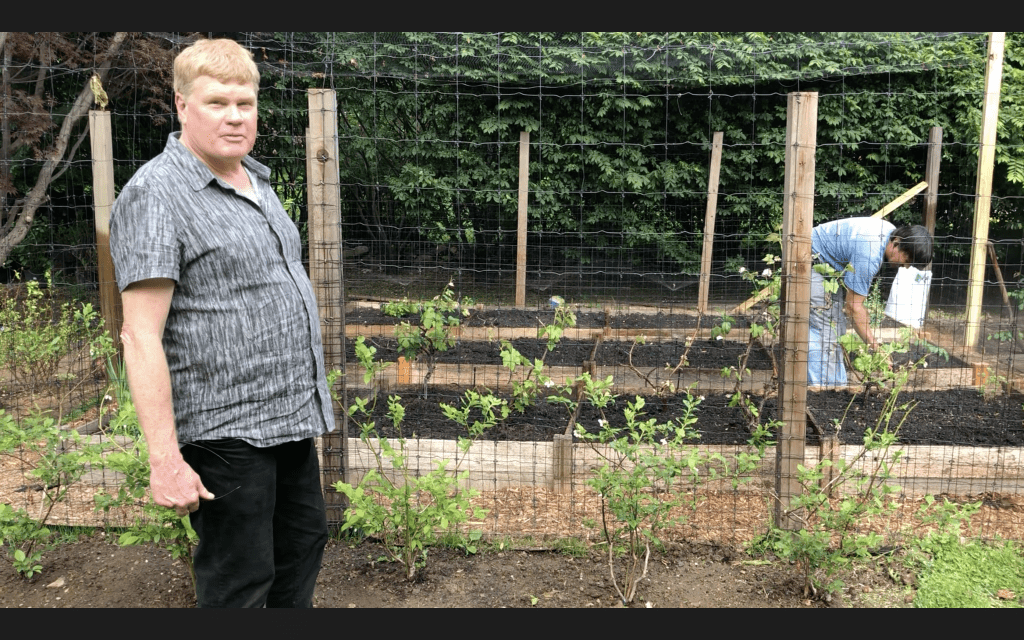
Raised bed organic vegetable garden under construction.

Professionally Built Vegetable Gardens

Green Jay Landscape Design has designed and constructed several different styles of vegetable / food gardens in Fairfield County, CT and Westchester County, NY.

Materials can range from wood (cedar is best because it will not rot and last longer), fieldstone, boulders, and reclaimed metal.

The layout of beds can be both aesthetic and functional.  Depending on how much you want to plant, you may find it easier to have multiple smaller beds rather than one large one.  Think about what will enable you easiest access for weeding and harvesting.

We tend to work in rectangular or shapes, or circular.  Triangles are aesthetically pleasing but are not so practical when spacing vegetables.

Green Jay Landscape Design can construct your vegetable garden, and plant it, or leave it planting-ready for you to customize and plant yourself.

Drainage & Organic Soil for Your Veggie Garden

We fill each bed with a gravel base to enable drainage.  Most beds are filled with an organic, OMRI-approved potting soil and organic compost.  Some plants have different soil requirements and should be grouped together.  For example, blueberries prefer a highly acidic soil.  We plant them with 1/3 compost 1/3 peat moss (for acidity) and 1/3 native soil if in ground or potting soil in containers.

Picking Edible Plants & Their Companions

Companion planting is a tried and true organic gardening technique that pairs specific plants together in order to attract natural predators, ward off pests, or enrich the yield and/or flavor of one or both of the plants.

Examples of Companion Plantings for Vegetables (see Farmers Almanac for more)

  • Squash, Beans & Corn ( “the three sisters”) – Beans naturally fix nitrogen in the soil, which the other two benefit from. The corn provides a stalk for the beans to climb on and the squash spreads as ground cover, suppressing weeds.
  • Beans & Marigolds, Nasturiums, Rosemary and/or Summer Savory – repel bean beetles. Summer Savory enhances yield and flavor.
  • Onions & Carrots, Beets, Cabbage, Lettuce, Parsnips, Tomatoes – onions keep aphids and other pests out of the garden. Not all plants are onion-friendly, like Asparagus, beans and peas.
  • Rosemary, Majoram – Onions will deter pests like the carrot fly but not reduce the growth of these companion plants.
  • Broccoli & rosemary, leeks, celery, onions, garlic, shallots, spinach, lettuce, dill – to enhance flavor of broccoli. Avoid other members of the Brassica family, as they will compete for the same nutrients, and nightshade family (tomatoes, hot peppers and eggplant)
  • Lettuce & mint – to prevent slugs (but keep mint in check as it can get aggressive)
  • Lettuce & chives or garlic – to repel aphids
  • Tomatoes & Basil – to ward off mosquitos, flies and increase yields
  • Tomatoes & Carrots, Parsnips – tomatoes off-gas solanine, a natural insecticide that targets carrot pests particularly well, while carrots aerate the soil around tomato plant roots.
  • Radishes & Onions, Beets, Cabbage, Kale, Lettuce, Spinach & Squash
  • Fragrant herbs to repel pests, for example: lemon balm, lemon grass, thyme, sage, horehound, hyssop, basil, rosemary, tansy, oregano, chamomile, and mint.
  • Avoid planting plants in the same family next to each other, as they will compete for nutrients.  For example, the Brassicaceae family: bok chow, broccoli, Brussel sprouts, cauliflower, and cabbage.

Laying Out Your Food Garden

Think about harvest succession when picking your vegetable plants.  For example, radishes are harvested in spring and help aerate the soil; the same area can be inter-planted with carrots, which have a late-season harvest and benefit from the aerated soil. Maximize your yield in a small space by planting a variety of crops that can be harvested throughout the growing season.

Check out this list from Harvest to Table that details the number of days to maturity for a variety of vegetables and fruits you might plant in your garden.

Don’t Forget Native Flowers in Your Veggie Patch

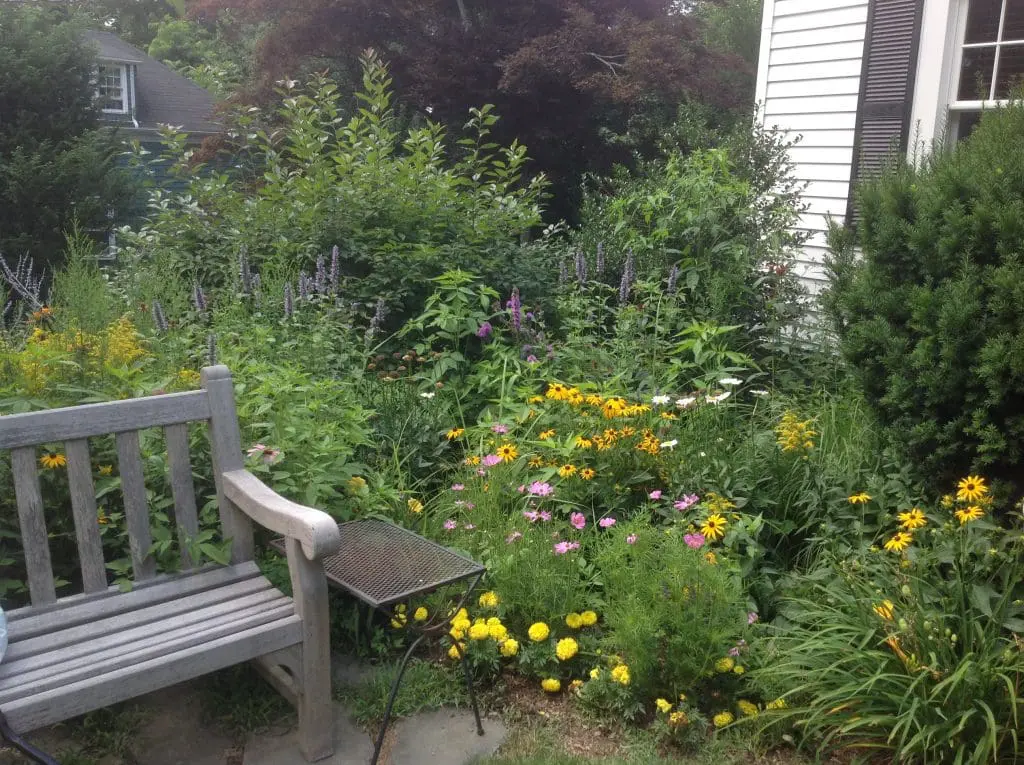
Pollinators are essential to your veggie garden yields. It is extremely important that you help guide them to your food garden with surrounding groupings of native perennials and flowering shrubs.

It is also crucial that your property is maintained organically, or you will be attracting pollinators to their deathbed.

Some of our favorite pollinator-attracting perennials for full sun are:

Agastache, Echinachea, Heleopsis, Rudbeckia, Salvia, Leucanthemum, Pervoskia, and Helenium.

Annual flowers also have their place in the vegetable garden, for pest control and attracting pollinators, try these:

Nasturtium (edible!), Marigolds, Cosmos, Borage, Calendula, Lathyrus.

Learn more about companion planting with flowers here.

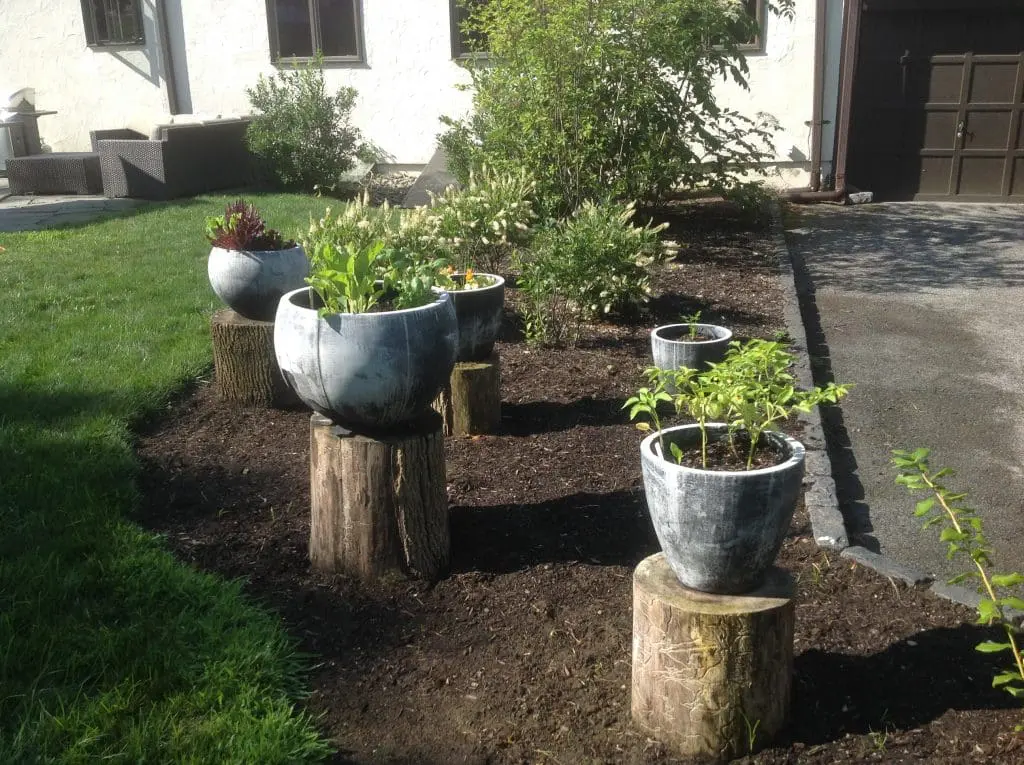
Upcycle Containers & Go Vertical for Small Space Food Gardens

You don’t need a plot of land to grow your own food.  All you need is a balcony, deck, patio or stoop with at least six hours of sunlight and space for containers or a vertical wall.

We love being creative with container garden materials.

Veggie and herb containers become part of the landscape bed on upcycled logs.
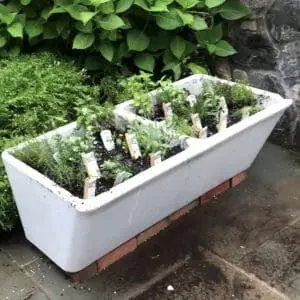
we used an old farmhouse sink the client removed during a remodel, and transformed it into a patio herb garden

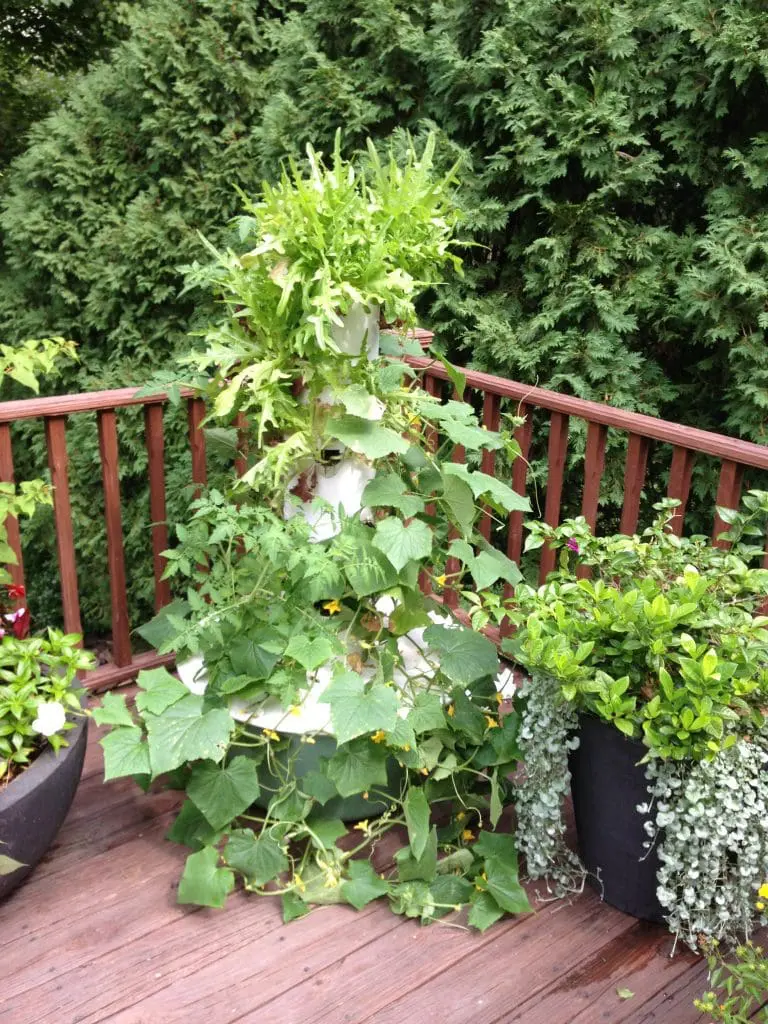
If floor space is limited, consider going up! GJL grew greens, herbs ands squash in this vertical hydroponic garden on a small enclosed deck.  Nothing beats having fresh herbs and greens right out the kitchen door!

—

Green Jay Landscape Design

914-560-6570


Filed Under: Ecological Education, Uncategorized Tagged With: ecological landscape design, ecological landscaping, food garden, healthy landscape, healthy yard, landscape construction, landscape design, landscape designer, native plant garden, natural landscaping, organic garden, organic landscape, organic vegetable garden, organic veggie garden, pollinator garden, vegetable garden, veggie garden

Ecological Landscaping Spring Clean Up

We’ve rounded up our best, environmentally-responsible methods for cleaning up your landscape in spring. With decades of experience in organic and natural landscaping, we’ve worked through all the questions and concerns you may have about transitioning to ecological landscaping and maintenance.

Ecological landscaping strives to first, do no harm, and second, preserve our precious, essential natural resources:

•SOIL – Protect from erosion, build organic matter & soil microbial communities. Reject the use of landscape chemicals.

•HABITAT – Limit weed & invasive growth so pollinator & wildlife habitats can thrive.

•WATER – Preserve water quality by using only organic, natural source soil amendments, fertilizers & weed control. #OMRI approved products.

•AIR – No gas blowers to reduce air & noise pollution & greenhouse gas emissions

Learn more about our Organic Lawn, Tree & Shrub program and ecological landscape maintenance.

Full Transcript of Ecological Spring Landscape Clean Up Tips

Welcome to Green Jay Landscape Design and Landscapes for Better Living, and today we are giving you a crash course in ecological spring clean up.  When you’re doing ecological landscaping and maintenance clean up from spring to fall, it’s an entirely different animal from traditional practices.

What that means is we cut down the perennials that we left up for winter interest and habitat to be hosts and nesting sites for bees and wasps and flies and all these wonderful insects.  We do not want to disturb the ground a lot because what’s going to happen is were going to disturb the ground and make it more productive for weed species.

Perennial species that we planted here, that we chose, are going to be fine by themselves.  And the organic matter that we leave here (by not removing) is going to add nutrition, bacteria, fungi that these plants need.

In the spring, you can see what’s growing and what’s not, and we cut [the dead matter] down. So before we do anything, we’re in mid April now, and were going to cut back last year’s growth.  Here’s a nice native ‘Moonbeam’ Coreopsis; we’re going to shear this, and encourage new growth, right next to the tulips.

Here we have some onion grass, which I pulled out, just another great herb in the garden.  It will come up and grow taller than everybody else but its not hurting anything, if you can tolerate it, leave it. It’s enriching the soil with minerals.  If you really don’t like it you can grab a shovel and pop it out.

Ecological landscape management is different. So for instance, right in here lurks one of the enemies.  This is Mugwort or Chrysanthemum Weed, and this is not what we want in the landscape.  This can be pretty invasive.

So we do a minimum of raking and clean up, no blowing, no blowing to push away the soil and disturb that very fragile balance in the bio-tone of the surface of the soil in the bed. This is ready; we’re going to edge the bed.

We’re going to fertilize very slightly with a completely organic, natural-source, OMRI-approved fertilizer to give things a little energy to perk up. The woodies we’re going to feed acid-loving organic fertilizer to plants like the Hollies and the Azaleas.  Plants that are a neutral pH like the Boxwood and the Yew, we’re going to feed another formulation of organic, natural source, granular fertilizer to stimulate them.

We’re going to mow the grass, we’re going to edge [the bed], we’re going to feed before we mulch, and that’s it. We’re not going to do a lot of rough raking in the lawn.

The lawn in spring has very fragile roots. Grass has a three-inch to four-inch root system at best, so what we want to do is just pick up the big sticks.  Even little sticks, radial wood, are really good to break down fungi and contribute organic matter.

Leaves, not a problem, we’re going to mulch mow. So, once we’re done with this we’re going to put down a corn-gluten fertilizer, which is the magic of organics if you want to prevent crab grass germination.  It’s very important that this be done precisely at the right time.  That’s when the 24-hour-day temperature, night and day, is at 50 degrees soil temperature.  Then we put down the corn gluten.  Corn gluten acts as a barrier from hairy-stem grasses.

Nothing prohibits crab grass and weeds like a good, healthy turf.  So we intensely seed this in the sun in the fall, and then in the spring we just lightly clean it up, we mulch mow, we fertilize it with the corn gluten, and we proceed with our regular maintenance schedule until we get into the fall.

Ecological landscaping is relatively simple.  So follow the simple methods of top-down [maintenance].  So if we’re going to prune, its already too late to prune the Winter King Hawthorne, it’s budding, we don’t want to touch it.  It’s been shaped previously. Its in really good, healthy shape.

In this case, leaving the grass at 3 ½ inches is really critical not only to suppress weeds and grow a healthy stand of lawn and turf, its also going to conserve water.  Water is mostly in the leaves, so if we cut at 3 ½ inches, which is the optimum, with a sharp blade, we’re going to maintain most of the water in the grass plant.  If you cut at 2 ½ inches, you’re going to remove half of that water.  So it’s a big difference if you’re paying for water like we are here in White Plains, New York.

This is going to be all covered with plants soon, so we won’t have to put so much mulch down.  Little bit of fertilizer, little bit of mulch, mow the lawn properly, mulch in the little sticks, twigs and leaves – everybody’s’ going to be happy.  It’s already green and it’ll be nice and put together for Easter Sunday weekend.

If you like what you’ve seen, check out our website: greenjaylandscapedesign.com

Perennial pollinator garden in White Plains, New York.

—

Jay Archer

Landscape Ecologist, Designer, President

Green Jay Landscape Design

914-560-6570

Filed Under: Gardening & Grounds Maintenance Tagged With: ecological landscaping, estate management, healthy yard, holistic maintenance, landscape maintenance, landscaper, native plant garden, natural landscaping, organic garden, organic gardening, organic landscape, organic landscape maintenance, organic lawn, spring clean up, spring cleaning, Westchester new york, white plains new york

Mosquitos are a total nuisance – they can make treasured outdoor spaces unbearable!  They are also a public health risk, carrying diseases such as West Nile in the Northeastern US.

This is Step Four of our series on How to Make Our Landscapes Safer & Healthier.  Catch up on Steps One and Two and Step Three. 

Traditional (Toxic) Mosquito Control

Unfortunately, our hysteria about mosquitos has led to some irrational and downright detrimental “solutions.”  Exterminators and ‘Mosquito Squads’ spraying toxic chemicals like Pyrethroids are completely ineffective (mosquitos fly and can avoid these areas) and instead create a negative ripple effect throughout the ecosystem.  The USGS found Pyrethroids in stream sediments around urban areas in concentrations toxic to aquatic organisms.  Pyrethroids also affect honey bee behavior and motor function, and likely impact other pollinators too.

Lifecycle of a Mosquito

Instead of turning to toxic insecticide, consider an ecological design that manages storm water to eliminate mosquito-breeding habitat.  First, it’s helpful to understand the lifecycle of a mosquito:

  • Mosquitos lay their eggs in standing water. It takes 4 – 28 days for the eggs to hatch depending on temperature and water conditions.
  • In the larval stage, mosquitos stay just under water’s surface, attached with a snorkel-like siphon to breathe, and feed on aquatic organisms for 4 – 14 days.
  • Pupal stage — more movement in water but no feeding. Lasts 1.5 – 4 days.
  • After emerging from the water as adults, male and female adult mosquitos quickly mate. The male will live about a week, and the female about six weeks (but up to 5 months).
  • Only the female takes “blood meals,” after which she lays her clutch of eggs.

So, it’s clear that the easiest way to tackle mosquitos is when they are in one place and not yet moving….aka the larval phase!  Mosquito Dunks placed in standing water / breeding locations do just that through a targeted mosquito larvae insecticide that inhibits growth into the adult phase.  Learn more about Mosquito Dunks on our previous blog.

Eliminate Standing Water Through Storm Water Management

Mosquito Dunks are largely effective, but even better is to design a landscape that can withstand storm events without ponding for days (creating the dreaded mosquito habitat).  Storm water management evaluates the sheet flow, topography, soil conditions, and rainwater infrastructure of a property; from there we develop a custom plan for storm water management that enables landscape drainage.

Storm water plans often embody several tools and design features.  For example, a bio-swale helps conduct storm water through a slight channel, usually filled with gravel to help slow down the water and filter out pollutants as it percolates.

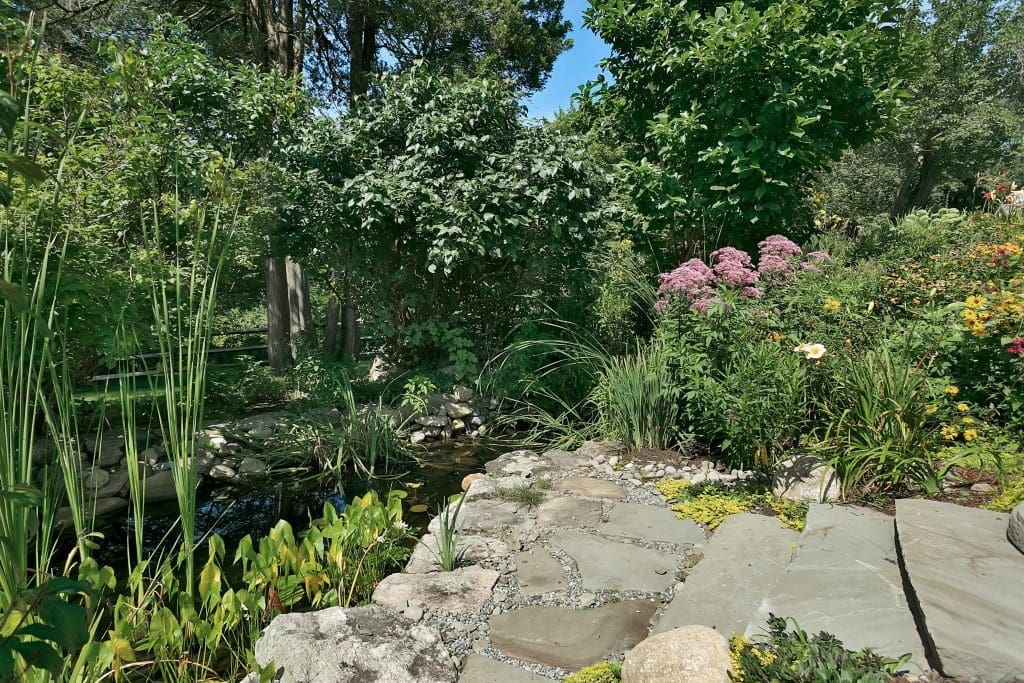
Faux-stream bioswale conducts storm water. Decorative river rock, boulders and stone bridges make it a design feature as well.
Rain garden under construction in Westchester, NY.
Cultek Storm Chamber installation.

In some cases, due to the amount of impervious space on the property and surrounding it, it may be necessary to install a Cultek storm chamber. Storm water collects in the gravel-filled chamber and gradually percolates out.  Learn more on our previous blog, Designing a Bird Sanctuary Part One: Site Development & Stormwater.

Passive Irrigation is another great tool to redirect storm water and recycle it as irrigation in your planting beds.  Check out this blog for more information about our Passive Irrigation & Rainwater Harvesting Project in Mamaroneck, NY.

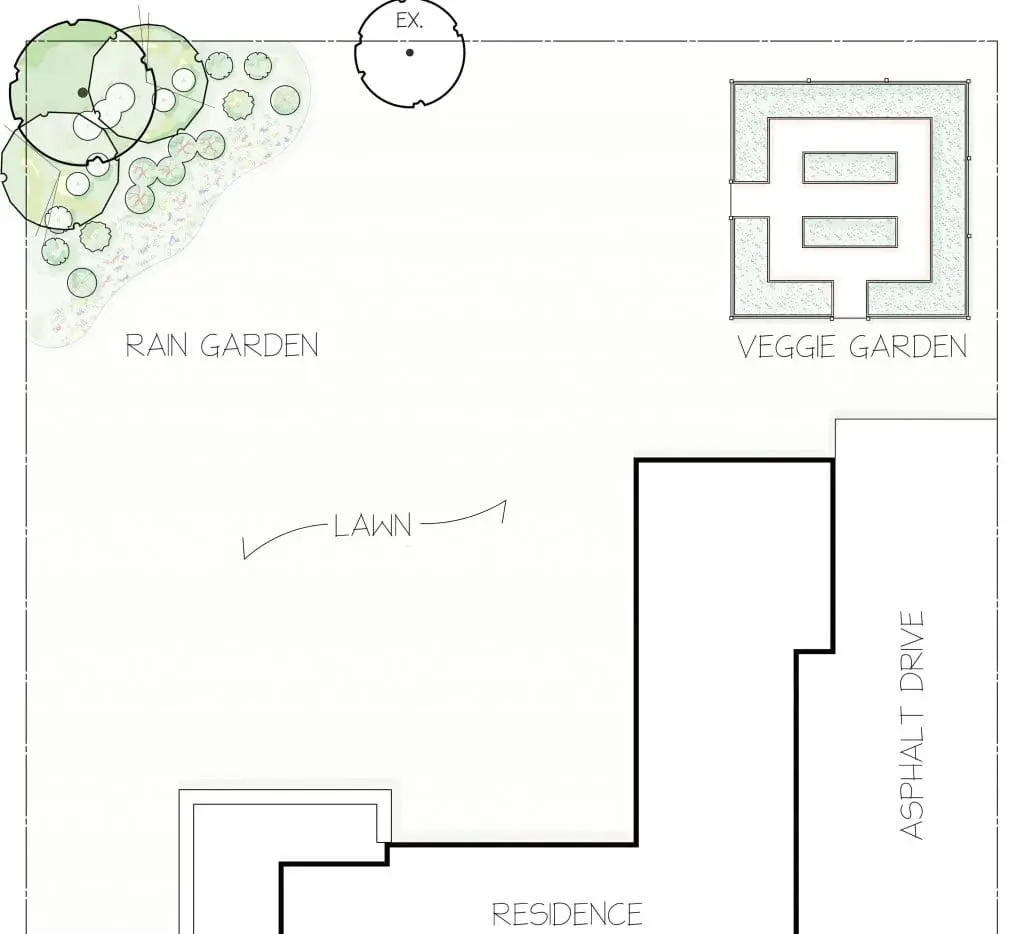
Passive Irrigation & Storm Water Management Landscape Plan.

Rain Gardens are another incredibly valuable ecological tool for storm water management. They are typically depressed gardens filled with a well-draining soil medium and planted with native plants that can survive both extreme storm events and periods of drought. Rain gardens should be placed above the area of your landscape that is ponding / flooding, so that it can capture and absorb the sheet flow before it reaches the low point and becomes trapped (forming mosquito habitat!).

Rain garden example.

Typically planted with a mix of native shrubs, trees and perennials, rain gardens also have immense ecological value in the food and habitat they provide for local pollinators and wildlife.

Attract Dragonflies, Natural Predators with a Water Feature

Despite your best proactive efforts to eliminate mosquito-breeding habitat, it is possible for adult mosquitos to fly over to your yard. Therefore, you should have your third line of defense armed and ready: natural predators!

What eats mosquitos?

  • Dragonflies
  • Damselflies
  • Birds
  • Bats
  • Goldfish
  • Frogs & Tadpoles
  • Turtles

Believe it or not, you can design a habitat for all of these natural mosquito predators.  You may have noticed many of them are aquatic animals.  We have designed and constructed numerous fish, frog and turtle ponds / streams, that also happen to be hosts for dragonflies.  Landscape around your water feature with native flowering and berry-producing shrubs, and you will attract your native mosquito-feeding birds in no time!

 Contact us to discuss your landscape design or storm water management project!

Filed Under: Wetland Restoration & Storm Water Tagged With: bioswale, cultek, ecological landscape design, ecological landscaping, landscape construction, landscape designer, landscape drainage, landscape erosion control, mosquito management, native plant garden, organic landscape, organic mosquito solution, passive irrigation, rain garden, rainwater harvesting, storm chamber, storm water management, storm water plan, treating for mosquitos

We are in the business of designing butterfly gardens, pollinator gardens, and ecological landscapes to support biodiversity.  GJL firmly believes enhancing biodiversity is they key to healthy, resilient landscapes, that in turn provide human health benefits.

This post is part two of our series on How to Make Our Landscapes Safer & Healthier.  Catch up on Part One, where we discuss organic landscapes and building soil health through microbes.

Biodiversity is Worth Protecting

Biodiversity is the sign of a healthy ecosystem. It means conditions exist that support many different species at once; it also refers to the genetic diversity within a species.

Frog friend in a GJL designed & constructed naturalistic pond in Rye, NY.

Why should you care about biodiversity? With higher biological diversity, ecosystems can react better to environmental stressors – in a word, they are more resilient, and we need resilient ecosystems, especially in the era of climate change. In fact, one of our partners, Healthy Yards Westchester, lists inviting pollinators and wildlife as a foundational step in creating health yards that better our environment. Furthermore, healthy ecosystems are more productive and better provide ecosystem services, like clean water, clean air, nutrient cycling, and plant resources.

Image courtesy of metrovancouver.org

For example:

  • Healthy soil has a diversity of microbes to breakdown organic matter, without which we would have little to no nutrient cycling!
  • Specific plants co-evolved with specific soil microbes to provide each other nutrients (see tip #2). A loss on one side could be detrimental for the other species and start a chain reaction through the ecosystem.
  • Soil microbes also play a huge role in natural water purification, especially in wetland and riparian soils. Microbes breakdown chemical and biological pollutants in the water.
  • Wetland ecosystems are responsible for removing 20-60% of the metals in water, thanks to microbial break down, and uptake and storage by specifically adapted wetland plants (phytoremediation).
  • 1/3 of all agricultural crops and ¾ of all flowering plants depend on animal pollination from pollinators. Without pollinators, our plant diversity, and the resources we derive from them, would suffer enormously.
  • 50,000 plants globally are medicinal. 118 of the top 150 most used pharmaceuticals in the US are derived from medicinal plants.

 Biodiversity in Crisis

The Anthropocene has not been kind to biodiversity.  The WWF estimates that globally, the extinction rate is 1,000 to 10,000 times the background extinction rate.  Experts are sounding the alarms for global and local changes to protect biodiversity.

“The health of ecosystems on which we and all other species depend is deteriorating more rapidly than ever. We are eroding the very foundations of our economies, livelihoods, food security, health and quality of life worldwide.”

— Sir Robert Watson, Chair of the UN Intergovernmental Science-Policy Platform on Biodiversity and Ecosystem Services (IPBES), May 6th 2019

Monarch butterfly caterpillar.

Insects have been especially hard hit.  The New York Times reports that in the US “the population of monarch butterflies fell by 90 percent in the last 20 years, a loss of 900 million individuals; the rusty-patched bumblebee, which once lived in 28 states, dropped by 87 percent over the same period.”

Monarch butterfly.

Act Locally for Pollinators & Wildlife

Fortunately, biodiversity decline is a global issue that can be addressed locally – on your property and in your community! It is true that there is strength in numbers.  We are thrilled with the  efforts of the Pollinator Pathway organization in mapping, linking and promoting a network of pollinator-friendly landscapes and gardens in Westchester County and Fairfield county — learn more here.

Green Jay Landscape Design has designed and installed a broad range of habitat gardens, from organic meadows, to front-yard pollinator gardens, to bird sanctuaries, to woodland wildlife gardens, fish and turtle ponds, bog / wetland habitats, and more! Whatever your site conditions or design dreams are, we can accomplish it!

Below are some tips for considering what designed habitat is right for you:

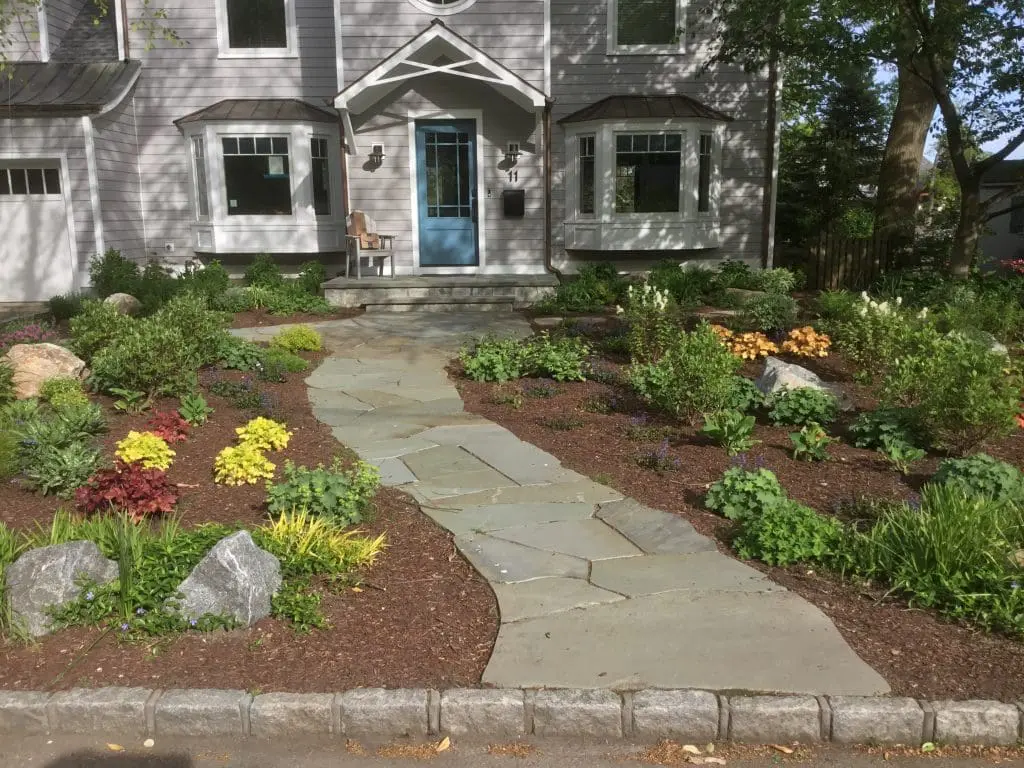
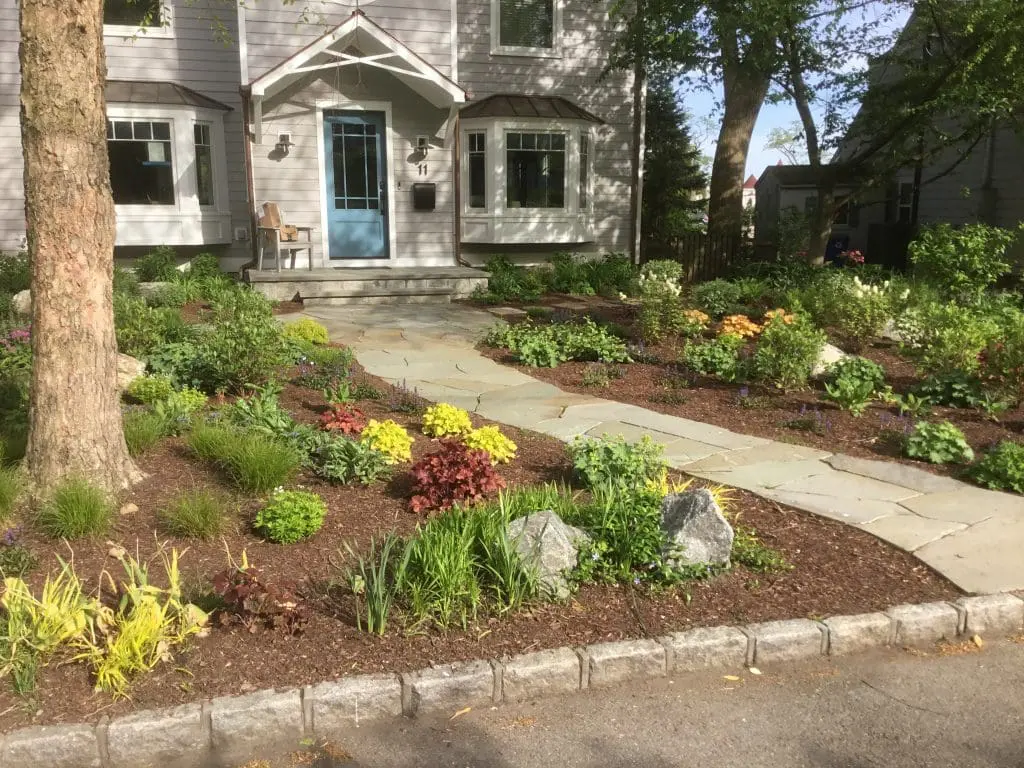
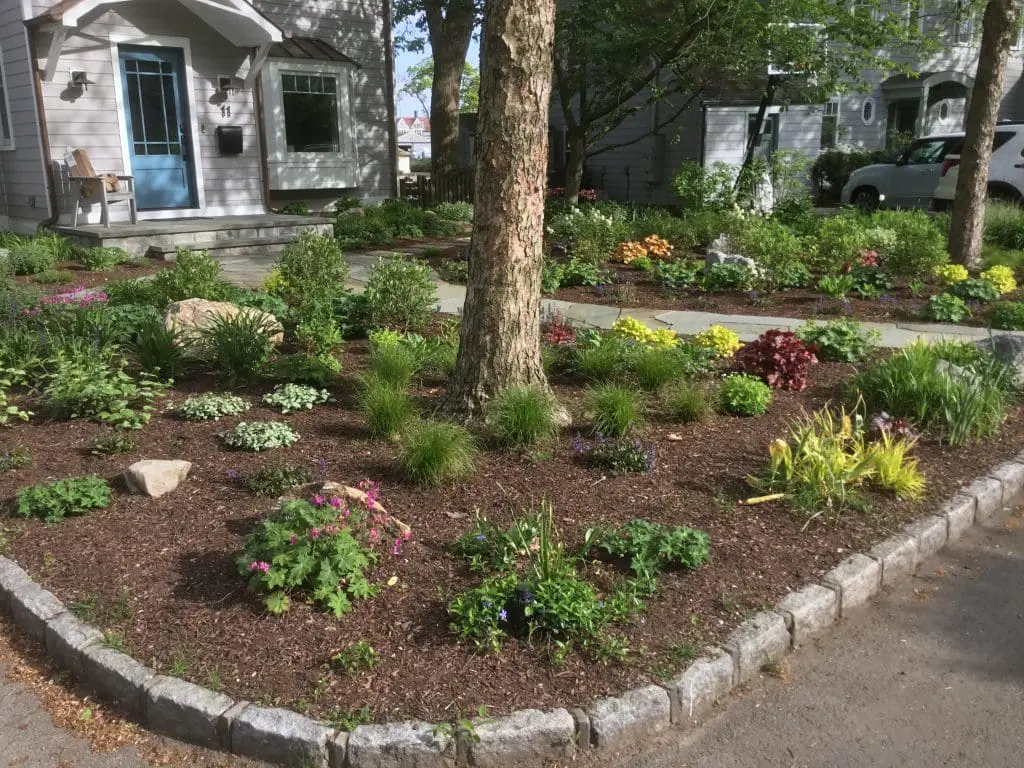
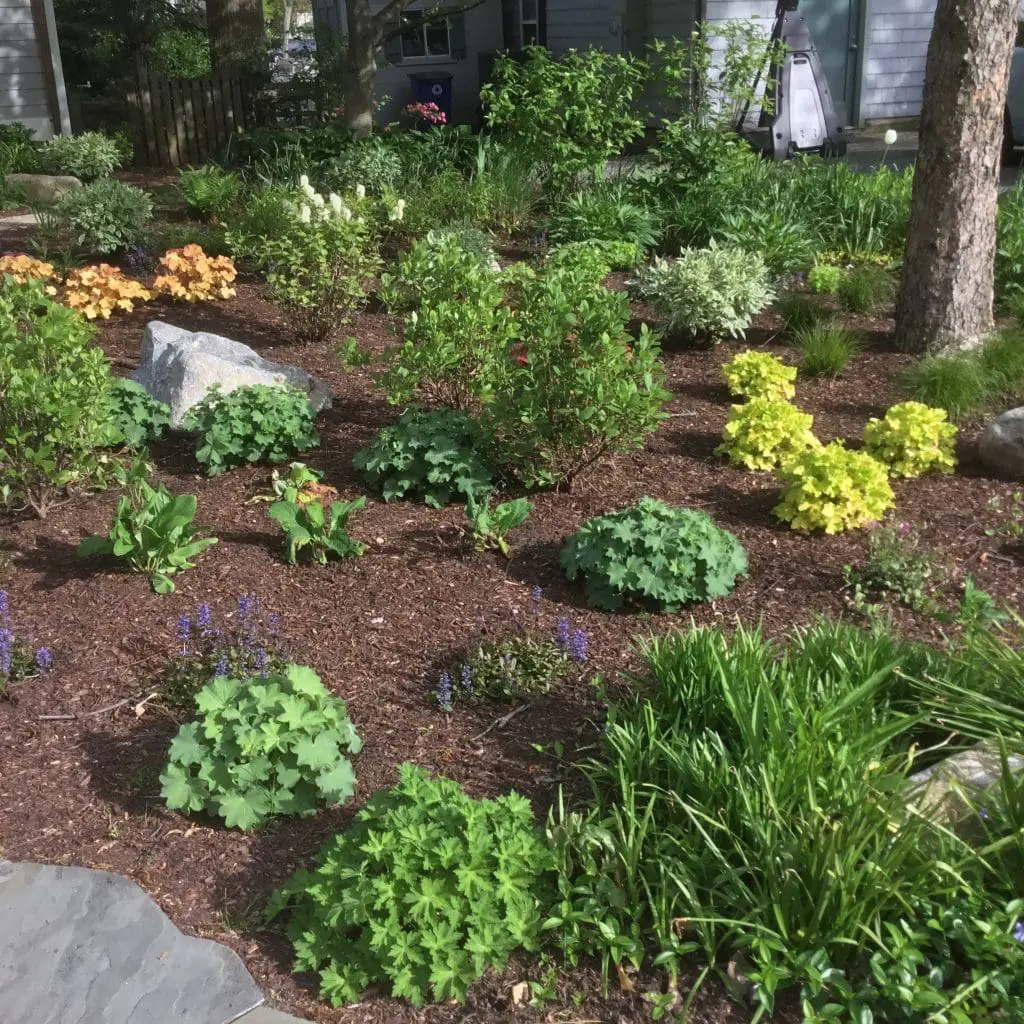
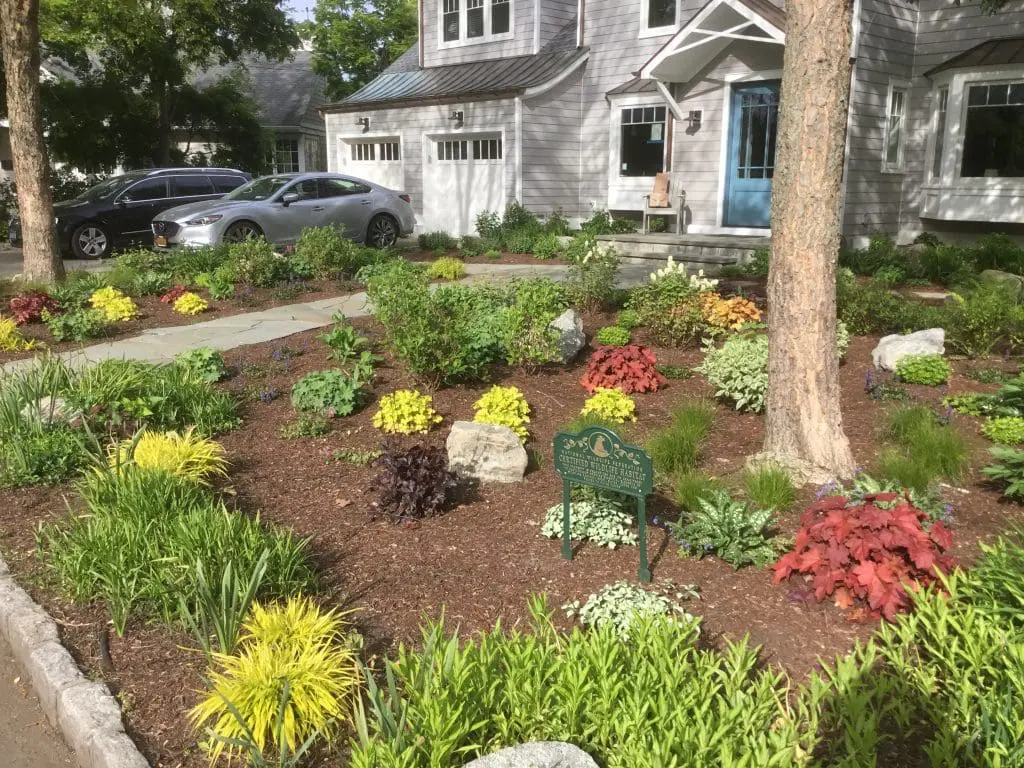
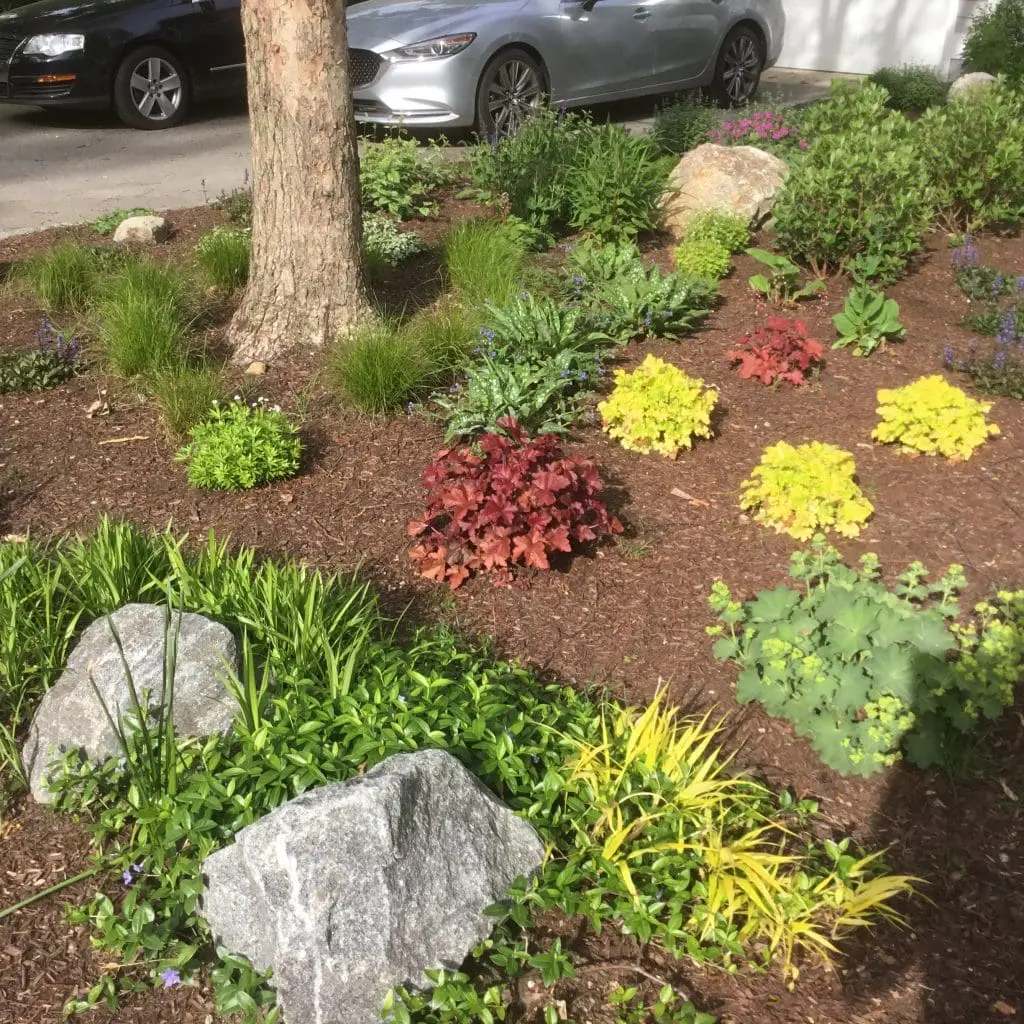
Front Yard Pollinator Gardens: Think about plants that have multi-season aesthetic and ecological value.  We like to mix native ornamental grasses and flowering shrubs (at larger sizes) with perennials so that the front yard starts off looking *full*.  Always be sure to include garden paths – they make weeding and maintenance much easier, and allow you to observe and enjoy every pocket of your garden! Check out our previous blog post, Designing An Organic Pollinator Garden for tips! Learn more about our lawn-replacement front yard pollinator garden designs in Hastings, NY (above photo), Putnam Valley, NY, Port Chester, NY, Mamaroneck, NY and Dutchess County, NY.

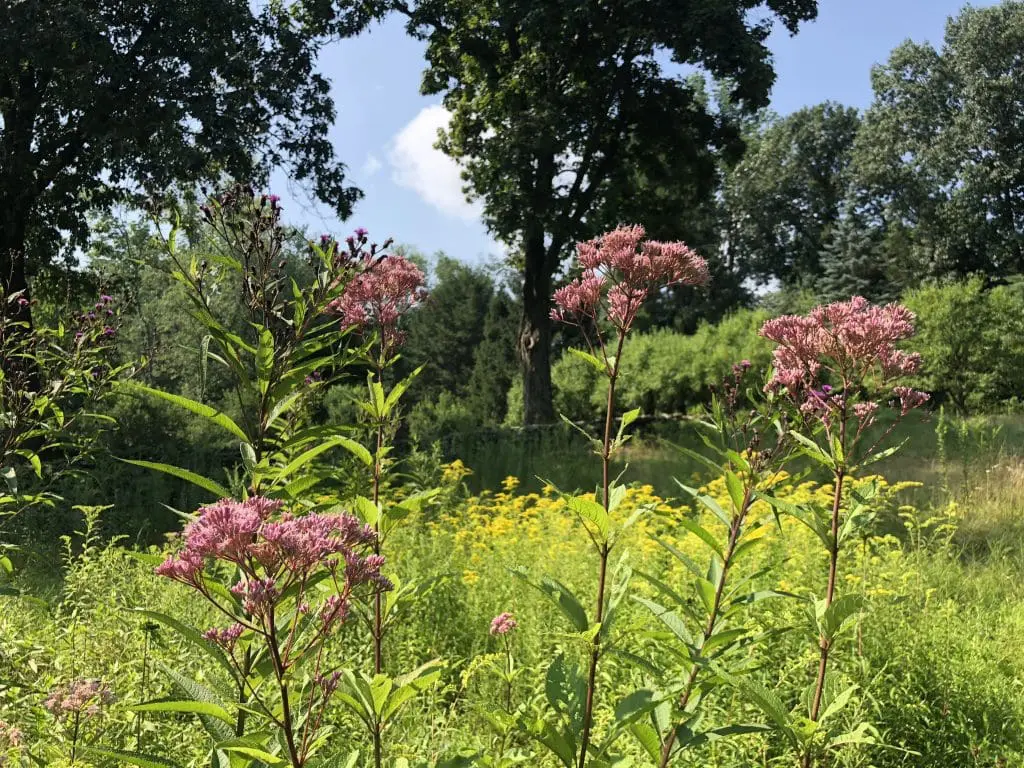
Monarch on New York Ironweed in a designed organic wet meadow in South Salem, NY.

Organic Meadows: For large areas, seed will be the most economical option, but know that some native wildflowers do not flower for the first few years, while others may only last for a few years! Understand that your meadow is an evolving canvas and you will find joy in the changing colors, heights, textures, and visitors!  Site preparation is extremely important in meadows; if you disturb the weed seed bank in the soil, maintenance can be difficult. Learn more about Our Promise as Landscape Ecologists.

Woodland Habitat Gardens: Shrubs will be your MVP for ecological value and design weight in a dappled / part shade woodland garden.  We love these native shrubs, and so do the birds: shrub dogwood (Cornus spp.), chokeberry (Aroniaspp.), winterberry (Ilex verticilata – can also tolerate full shade), inkberry (Ilex glabra), and summersweet (Clethra alnifolia), to name a few.  If you are dealing with full shade, native ferns (we love Christmas Fern, Cinnamon Fern, and New York Fern) and ground cover are essential. Learn more about our designed woodland habitat gardens in Patterson, NY, and Bedford Hills, NY.

Coopers Hawk visits the designed bird sanctuary!
Native perennials, shrubs and trees plus a constructed waterfall are key features to this bird sanctuary design.

Bird Sanctuaries: To attract birds to your property, you will need to meet their habitat requirements.  This means native shrubs for nesting sites and fall/winter berries (late season food!).  Birds need insects, especially caterpillars, to feed their young, which means you should have pollinator-attracting perennials on-site (be sure to have enough plants: entomologist Doug Tallamy estimates that one clutch of chickadees requires 6,000 – 9,000 caterpillars to raise to maturity!) Water is another critical feature – birds love to bathe themselves in shallow pools! You don’t need a large estate to create a bird habitat; a well-designed bird garden will be appreciated by local and migrating birds year-round!

Read about our design and construction of a 100% organic bird sanctuary landscape — part one discusses site prep and storm water, part two dives into design decisions and native plants.

Fish and Turtle Ponds: Water quality is extremely important in your constructed pond if you plan on making it a habitat for fish, turtles or any other aquatic wildlife.  When designing a pond, aeration is key to prevent algal growth that can eventually overpower all other life in the pond. We often design a waterfall or stream to create this water movement and add a lively focal point.  Additional aerators, UV sterilizers, and filters may also be necessary. Water features are also a great way to attract dragonflies – as nymphs they eat mosquito eggs and larvae! A vegetative buffer around your pond is essential to absorb any nutrient runoff before it reaches the water.

Wetland / Bog Gardens: Restoring a wetland with native wetland plants improves the water filtration capacity and makes the wetland more productive and valuable. Likewise, we have planted bog gardens to help improve water quality in existing ponds.  Wet meadows are some of the most diverse ecosystems on earth, so wherever you have the opportunity to preserve and restore a wet meadow it should be seized! The number of pollinators and birds that make their home there will amaze you.

Learn more about our projects:

Native Bog Garden & Pond Restoration project in White Plains, NY

Natural Swimming Pond & Bog Garden Blog & Gallery in Larchmont, NY

Fish Pond Restoration & Stream Construction Project Blog & Gallery in New Canaan, CT

Wetland & Pond Restoration in South Salem, NY.

We hope this helped you consider the value of a designed habitat on your property! Please call us (914)-560-6570 or contact us to discuss your landscape design project!
—

Feature Photo (Top) by Jessica Kirste courtesy of Feeder Watch

Filed Under: Ecological Education, Featured Article Tagged With: backyard pond, bird garden, bird sanctuary, bog garden, butterfly garden, certified wildlife habitat, curb appeal, ecological landscape design, ecological landscaping, environmental landscaping, fish pond, habitat garden, healthy yard, landscape design, landscape designer, landscape ecologist, meadow, native plant garden, organic meadow, pollinator garden, pollinator pathway, pond landscaping, water feature, waterfall, wet meadow, wildlife garden, wildlife habitat

As landscape ecologists and designers, we consider ever property an opportunity to improve the health of the local ecosystem and the human health of our clients. These may seem like lofty goals, but we are not just any landscape design firm in Fairfield or Westchester county.  We are proudly an ecological design firm, and nothing brings us more joy than designing and caring for healthy, productive landscapes.

We’ve compiled six tips for fostering a safe and healthy landscape.  Below we explain the first two critical steps; stay tuned for the rest in our follow up blog posts!

1. Ditch the Landscape Chemicals and Turn Your Property Organic

There are so many reasons to take your landscape organic.  The most obvious are the human health benefits associated with living in a toxin-free environment.

Toxic Exposures & Legal Action Over Landscape Chemicals

You probably saw the headlines about plaintiffs in cases against Monsanto that were awarded millions of dollars for their cancer diagnoses, which the courts found linked to their years-long exposures to Glyphosate via the Monsanto herbicide Roundup.  (Despite all this, the EPA in January re-approved Glyphosate use on the market, and is currently being sued by a number of groups including NRDC, Beyond Pesticides & Center for Food Safety)

Chemical pesticides have been linked to various cancers, enzyme disruption, endocrine disruption, autoimmune diseases, and miscarriages.  They are detrimental to human health and have no place in the landscape. Learn more on our previous blog post Take Your Landscape Organic.

Pesticides Have No Place in a Healthy Ecosystem

Synthetic pesticides persist in the environment and wreak havoc on local ecology. The USGS found Glyphosate in 50% of rivers and streams, and 40% of lakes, ponds and wetlands, concluding that plants and wildlife experience chronic low-level exposures in a wide range of ecosystems nationwide. Insecticides like Pyrethroids, often used to “treat” landscapes for ticks and mosquitos, have been found in streams in urban and agricultural areas in a form that is bioavailable to aquatic animals.

Pesticides also disrupt soil microbial activities.  Research has found “inactivation of nitrogen‐fixing and phosphorus‐solubilizing microorganisms,” as well as limited soil enzyme activity in soils treated with pesticides. This decrease in activity has a ripple effect on plant health and nutrition.

Likewise, if a plant has a cheap diet of chemical fertilizer, it relies less on expanding its root system and nurturing its relationship with soil microbes, thereby sacrificing immune defense and creating a downward spiral of decreasing biodiversity. Soil microbes are essential building blocks for healthy plants and provide critical ecosystem services (see tip #2).

Furthermore, landscape chemicals, particularly the insecticide class of neonicotinoids, have been detected in wild, native bees, which, according to USGS,  “can cause a reduction in population densities and reproductive success, and impairing the bees’ ability to forage. Insecticides and fungicides can also increase a bee’s susceptibility to disease and parasites.”

In pumping our landscapes with chemicals, we are single-handedly destroying soil microbiology, plant immune health, and critical pollinator populations.

The most basic step to improve the health of your landscape – for yourself and local ecology—is to completely rid it of synthetic pesticides, herbicides and insecticides.  You will be reducing dangerous exposures for you and your loved ones and as a result, allowing natural biodiversity to resurface. Learn more about our organic land care program on our Organic Landscape Maintenance page.

2. Cultivate Soil Microbiology & Spend Time in the Dirt!

Soil Microbes Are Earth’s MVP

Now that you have a toxin-free landscape, the microbes in your soil (bacteria, fungi, protozoa and nematodes) can grow and flourish! It is estimated that one teaspoon of healthy soil can contain an astonishing 1 billion bacteria, several yards of fungal hyphae, thousands of protozoa and dozens of nematodes.

Soil microbes evolved alongside plants over many thousands of years in a beautiful partnership: microbes find a home and some food on plants’ roots, and in exchange breakdown critical nutrients (nitrogen, phosphorous and potassium, among others) in the soil so that they are plant available.

Microbes even provide plants protection from pathogens.  A strong soil microbial community is the key to proper plant nutrition and hardy immune system – aka a thriving and resilient garden!

Furthermore, soil microbes are the foundation of countless essential ecosystem services. They breakdown environmental pollutants, cycle nutrients in the Soil Food Web, mitigate droughts and floods, prevent erosion and conserve water. Incredible!

Microbes are also unsung heroes of carbon sequestration; they transfer CO2 from plant photosynthesis into the soil where it is stabilized as a carbon sink.  The soil accounts for more carbon than the atmosphere and all plants on earth combined. If we want to take positive action against global climate change, we need to cultivate healthy soils.

Healthy Soil, Healthy Human

Fascinating new research suggests that soil microbes and human gut microbes are strongly related and also likely evolved alongside each other over many thousands of years; it is thought that soil microbes even have the ability to communicate with our cells!

In the past, humans had more direct contact with the soil – from farming by hand to eating organic food (before organic was a *thing*) to children playing outside daily – and therefore had more opportunity to connect with soil microbes.

Image courtesy of Visionpic.net

Today, we have to make conscious efforts to reconnect with our microbial evolutionary partners.  Fortunately, the benefits are quick and easy.  M. vaccae, a beneficial soil bacteria, has been linked to the growth of neurons in the brains of mice and increased levels of serotonin, decreased anxiety, and faster learning. Thankfully, the American Society for Microbiology reports that “people likely ingest [M. vaccae] or breath in when they spend time in nature.”

That’s right, simply getting your hands in the dirt or taking a stroll through the organic landscape can jumpstart the human health benefits associated with soil microbes. What are you waiting for?!

Stay tuned for parts two and three of this series, dropping next week!

Filed Under: Ecological Education Tagged With: carbon sequestration, cultivating healthy soil, healthy landscape, healthy soil, healthy yard, organic gardening, organic landscape, organic landscape design, organic landscaping, organic maintenance, pollinator garden, safe landscape, soil carbon sink, soil food web, soil microbes, soil microbiology, toxin-free

  • « Go to Previous Page
  • Page 1
  • Interim pages omitted …
  • Page 24
  • Page 25
  • Page 26
  • Page 27
  • Page 28
  • Interim pages omitted …
  • Page 60
  • Go to Next Page »

Footer

Mailing Address: 222 Purchase Street, #144 Rye, NY 10580
Shop Address: 369 Bradhurst Ave, Hawthorne, NY 10532
(914) 560-6570
  • Facebook
  • Instagram
  • LinkedIn
  • Pinterest
  • YouTube
  • Houzz
  • Slide Share
  • Installation
  • Portfolio
  • Pricing
  • About
  • Contact

Copyright © 2025 · Green Jay Landscape Design. All Rights Reserved · Privacy Policy · Website and Local SEO by Ramblin Jackson