• Skip to main content
  • Skip to footer
Green Jay Landscape Design

Green Jay Landscape Design

Green Jay Landscape Design

(914) 560-6570
  • Design
  • Installation
  • Portfolio
  • Pricing
  • About
    • Service Area
    • Meet Our Team
    • Our Process
    • Our Promise
    • Mission, Vision, & Core Values
    • FAQ
    • Press & Events
    • Blog
    • Reviews
    • Careers
    • Affiliations
  • Contact

greenjayadmin

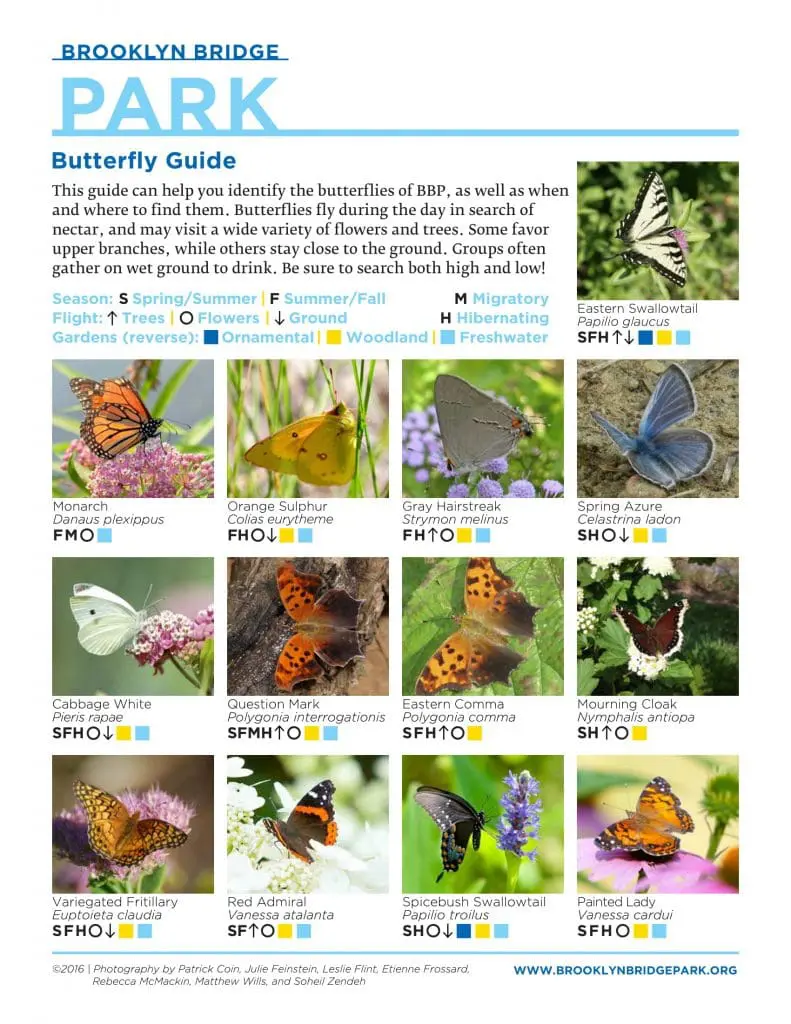
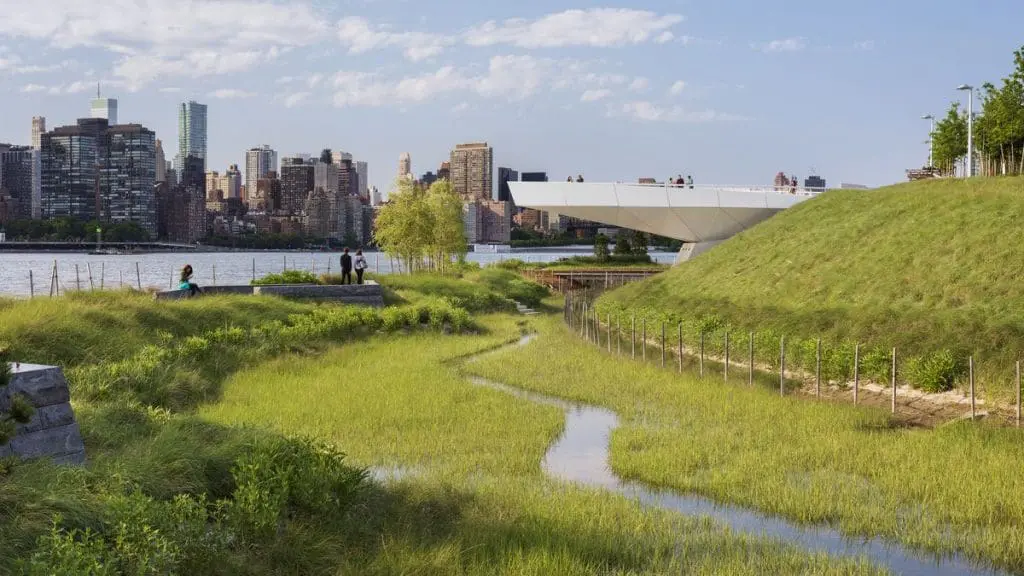
On Tuesday we had the delight of attending the Brooklyn Botanic Garden’s Fall Plant-o-Rama conference. Keynote speaker Rebecca McMackin, Director of Horticulture at Brooklyn Bridge Park and fellow ELA Member truly amazed us with the details of the design project, its dedication to sustainability, habitat creation and resource recycling.

The 1.3 mile former strip along the East River is a former industrial site — used for shipping cargo storage when previously owned by the Port Authority of New York.

Landscape Architects Michael Van Valkenburgh developed the Master Plan for the site in 2004, which included repurposing six industrial piers into distinct gathering areas, habitats and functional spaces, which were installed from 2010 to 2018, with more future piers on the way. In a decade, this project has become a model for sustainable, ecological landscaping.

The designers and planners took great effort to fulfill the design with recycled and repurposed materials.  For example:

  • Fill, used to create meadow berms that help attenuate sound from the BQE, was taken directly from MTA tunnel building project to expand the LIRR.
  • Recycled Longleaf Yellow Pine from a building on-site was used to make wooden benches, furniture, walkways and decking.
  • Granite reclaimed from the Roosevelt Island Bridge reconstruction was used to create three distinct features: “Granite Prospect,” “Jane’s Carousel” and “Granite Terrace.”

Designing Habitats

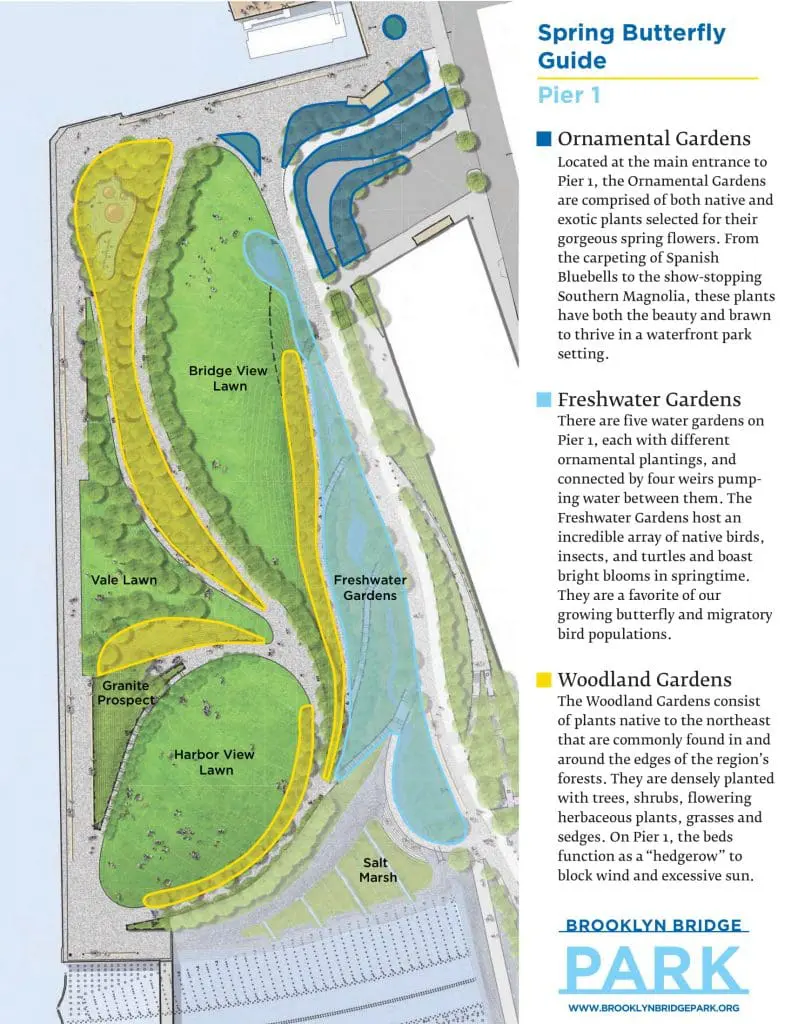
The designers sought to restore the park to ecosystems that would have occurred naturally there pre-industrialization — like meadows and salt marshes. They also designed native habitats from nearby regions including woodlands and scrub-shrub habitat.

To achieve all these different habitats, soil specialist T. Fleisher developed 20 engineered soils to rehabilitate the post-industrial soil conditions.

Images courtesy of Brooklyn Bridge Park.

Another incredible design component was the storm water management plan, which used the water gardens to divert and treat stormwater, which is then stored underground and used to irrigate 70% of the park’s gardens and lawns!

We are blown away by the commitment to sustainability, organic maintenance and habitat restoration.  Learn more about BBP sustainability practices, and gardens.

Kudos to Rebecca and the entire BBP team!

Filed Under: Ecological Education Tagged With: Brooklyn Bridge Park, butterfly garden, ecological landscaping, freshwater garden, habitat creation, habitat design, landscape architecture, landscape design, native plant landscaping, natural landscaping, organic landscaping, organic lawn, pollinator garden, pollinator pathway, Rebecca McMackin, salt marsh garden

Yesterday was a historic day for New York City! The city council held a public hearing for Int.1524-2019, a bill to ban Glyphosate on New York City parks or any land owned or leased by the city, sponsored by council members Ben Kallos and Carlina Rivera.

It was introduced on April 18, 2019, not long after two separate juries attributed the plaintiffs’ exposure to Roundup as a “substantial factor” to each of their terminal cancer illnesses.  Bayer, parent company of Roundup manufacturer Monsanto, payed out  $80 million in settlements. Read the press release from April 18th on Int-1524. After reaching 33 co-sponsors, a public hearing was set in motion.

Green Jay Landscape Design founder Jay Archer was asked to testify as an expert witness on behalf of the ecological and organic landscape industry.  He was among good company — Patti and Doug Wood from Grassroots Environmental Education and Jay Feldman from Beyond Pesticides both leaders in public outreach and education on broad environmental issues, including pesticide use.

There was a great deal of scientific evidence presented about the health dangers of synthetic chemical pesticides. 

“Parks should be for playing not pesticides,” said Kallos at the bill’s launch in April. “All families should be able to enjoy our city parks without having to worry that they are being exposed to toxic pesticides that could give them and their families cancer.”

Jay’s testimony focused on the environmental repercussions of applying indiscriminate toxins to biodiversity and the health of our ecosystems:

I am here today to testify that roundup/glyphosate and lawn care chemicals and pesticides are absolutely not essential to landscape management, and if fact, basically, they don’t work. They suppress and eliminate biological diversity while we are already in danger of losing more and more precious species…more life on earth. The largest percentage of weeds and insects in our landscapes are either beneficial or benign, not pests threatening our heath and offending our sensibilities. But we indiscriminately target them all, intentionally or not. We keep making the same mistakes. Pesticides don’t work as advertised! They are ecologically counterproductive to environmental and human health and economically inefficient in terms of resource management. Desirable beneficial organisms can’t read the label.

Earlier, someone had mentioned their concern for not being able to tackle invasive species removal effectively and cheaply without synthetic chemicals.  Jay drew upon his experience managing the maintenance of many Westchester County parks and nature preserves, including dealing with invasive species.  He compared glyphosate to chemicals of the past like DDT and chlordane, once considered miracle chemicals, until we realized their far-reaching consequences. Jay stressed that simply removing unwanted vegetation is useless without replacing it with something –preferably fast-growing natives– to fill the bare soil and prevent weeds from returning.

Jay feels passionately that every “removal” project should also be an opportunity to improve the biodiversity and ecosystem services provided by the landscape.

We need to restore, nurture and encourage life and biodiversity in every nook and cranny of our urban spaces. Why do we embrace cultural, ethnic and racial diversity in our society but not biological diversity in our parks, where our children grow and breathe?

With ecological landscape design, we can create more productive landscapes through habitat creation (pollinator gardens, birdscaping) rain gardens, erosion prevention, carbon-sequestration, and more.  We not only need to shift our perception of how to maintain our landscapes healthily, but also how use them to mitigate many of our pressing environmental concerns.

At the same time, not every invasive area is cause for alarm.  The invasive vines growing around trees on the side of the highway are a great example.  In most cases the trees are already dead, and removing both them and the vines would be a huge expense, and require a massive replanting effort for the removas.  But the side of the highway is a mostly unusable space, anyway, and in fact, the invasive vines are serving a purpose.  They are flourishing next to the highly polluted roadway; they are absorbing hydrocarbons as they photosynthesize.

Jay says we need to pick our battles in how we spend our resources and energy.  Improving city parks to be model ecosystems with thriving biodiversity and without toxic chemicals, is a great use of resources because of the high public exposure and ability to both educate and protect millions of New Yorkers.

“Why not make NYC a model” Jay testified “of parks as ecosystems to support human health and well being. That would elevate the quality of life for all. It’s already happening in Brooklyn Bridge Park.”

Watch the rally outside city hall and remarks from Ben Kallos below!

More information and ways to get involved on the Facebook page Parks for Kids NYC.


Filed Under: Ecological Education, Events & Garden Tours Tagged With: biodiversity, ecological landscaping, expert witness testimony, glyphosate ban, Int.1524, natural landscaping, New York city council int.15234, new york city parks, organic landscapes, organic parks NYC, parks for kids nyc, pesticide ban, pesticide free landscapes, roundup ban, toxin free NYC, toxin free parks

2019 was a fantastic year for Green Jay Landscape Design.  We received calls from many like-minding people seeking to detoxify their landscapes and boost the ecological value of their property. It is always a pleasure to work for passionate clients aligned with our mission.

In honor of the new year, we’re reflecting on our favorite projects of 2019! Our top five designs and links to their in-depth project blogs  are below.

#5 “Lonesome Dove, Surrounded by Love” | Pawling, NY

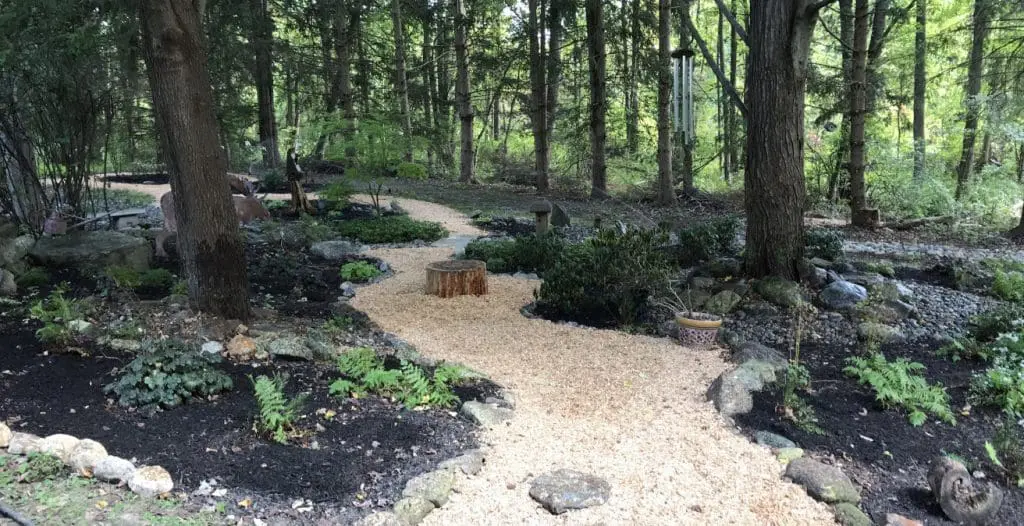
We transformed this woodlot backyard into a zen stroll garden that meanders around woodland shrubs, ferns and perennials and even crosses over a constructed, naturalistic stream. This backyard is a place for reflection, contemplation and admiration of all birds, bees, dragonflies and more that happily spill over into this new habitat.

Check out our blog post on the project to see before & after photos, including how we transformed the front yard!

#4 “Farmhouse New Native”  | New Canaan, CT

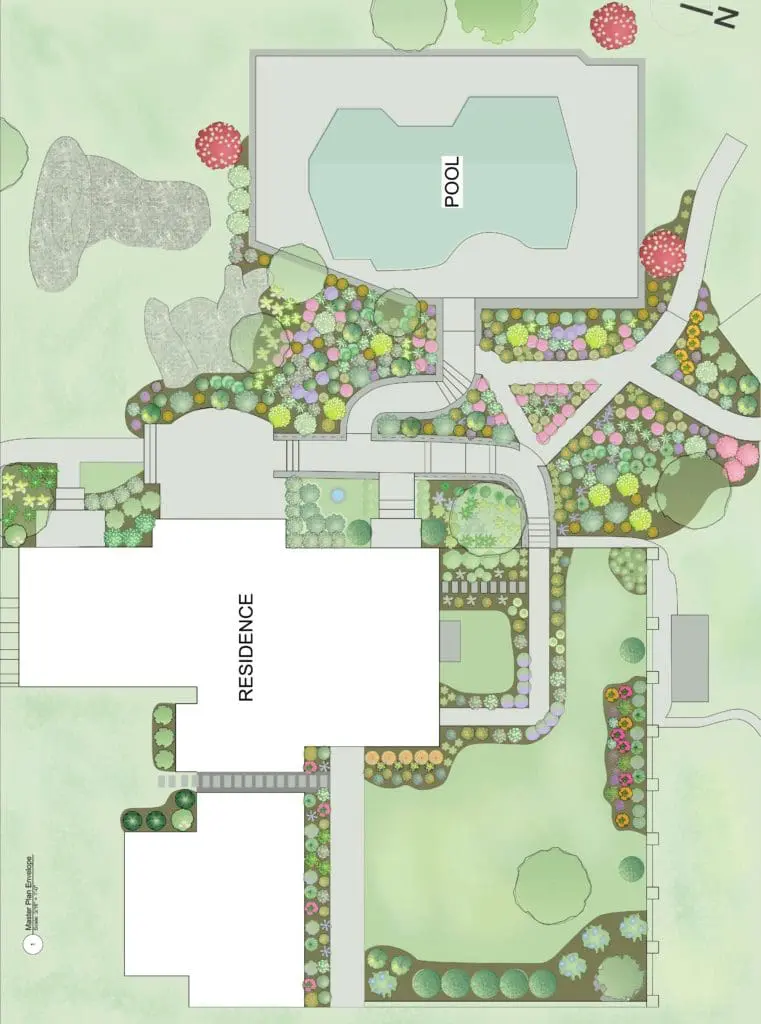
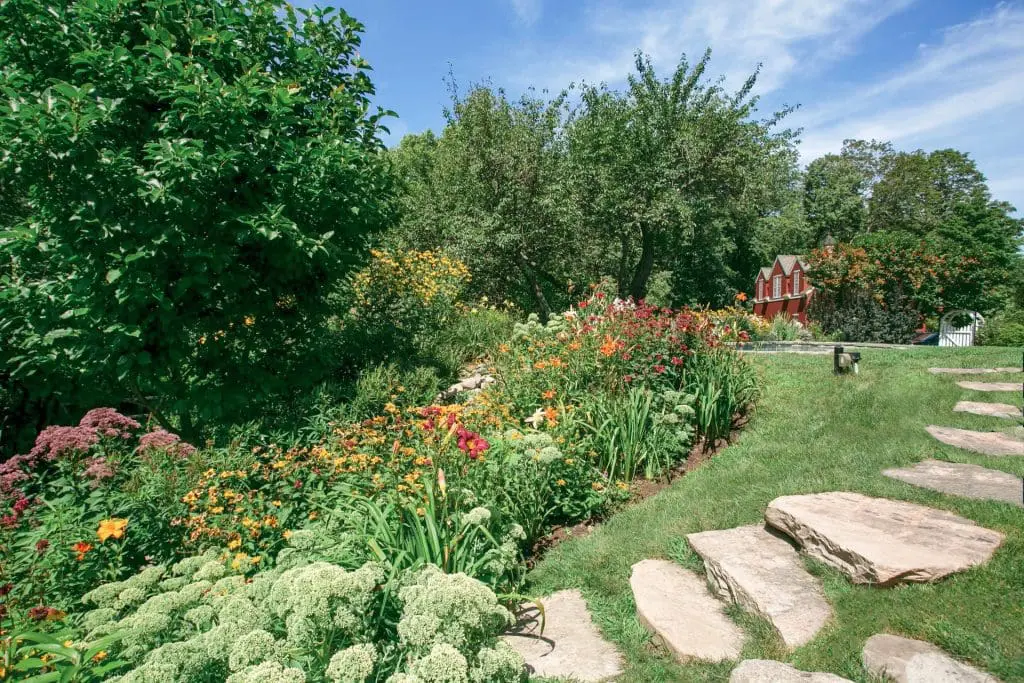
Phase Two of this project included stabilizing a steep slope with native perennials, refreshing a mostly-annual poolside planting bed, and editing and adding to the pond-side pollinator garden (above) that we began last year.  This property elegantly and effortlessly blends native plants, for ecological value, with the client’s heirloom, rare and exotic perennials (hence the title, Farmhouse New Native).  Read more about the design and installation on our blog of the project.

#3 “Above the Fields of Grass” | Harrison, NY

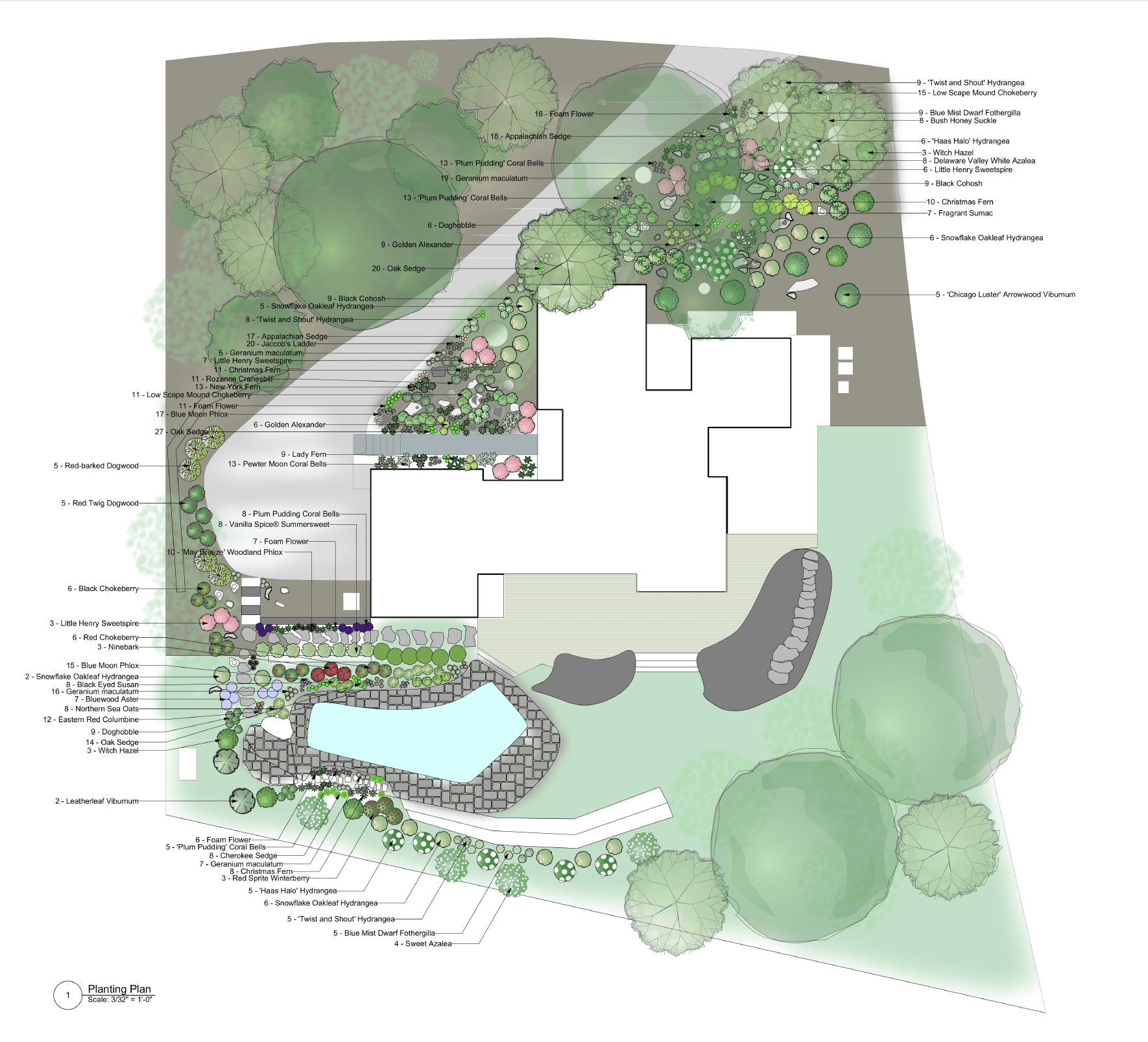
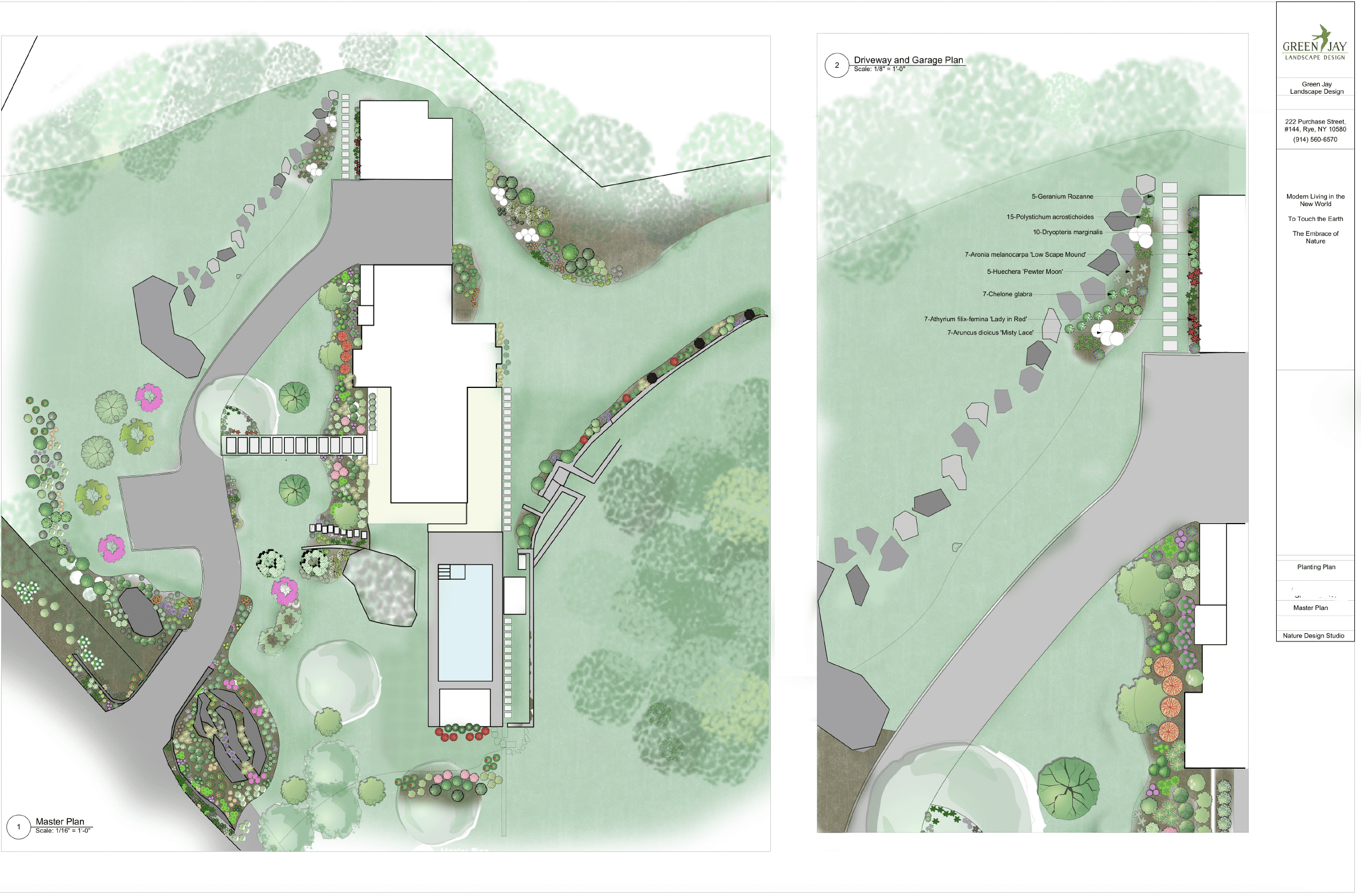
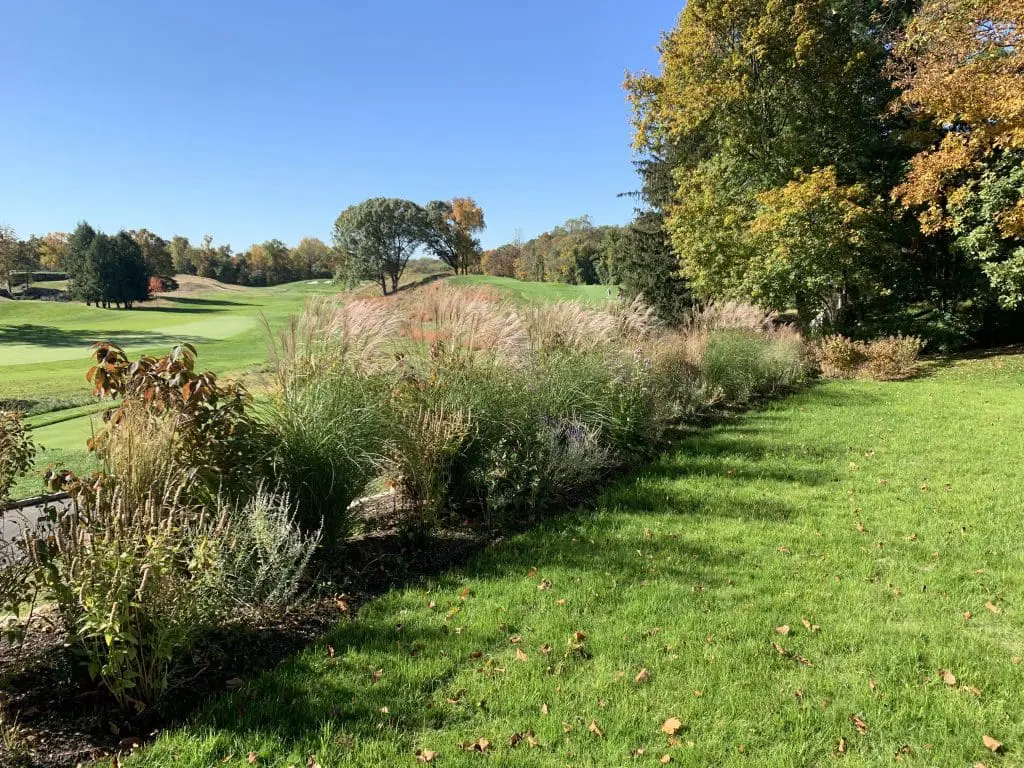
Our biggest landscape grading project of 2019! The client wanted a level play area for their family, and an updated garden bed to screen the neighboring golf course.  We constructed a two-tier terraced bed with a boulder retaining wall to achieve the lift.  Native viburnums, ornamental grasses and full-sun pollinator perennials made this a modern and functional living fence. Before and after photos and the Landscape Design Master Plan are on our project blog!

#2 “The New Garden of Egalitarian Gentility” | Rye, NY 

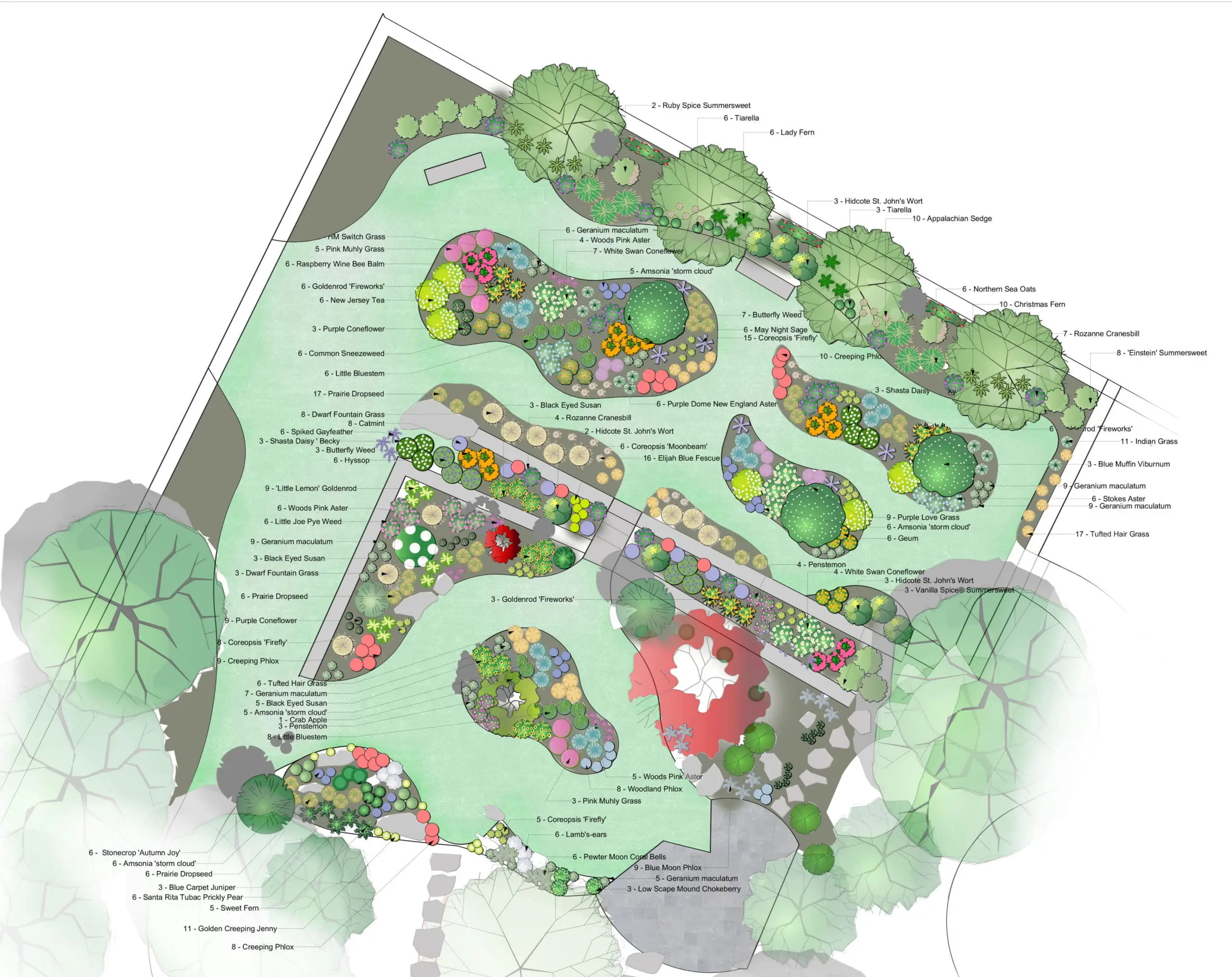
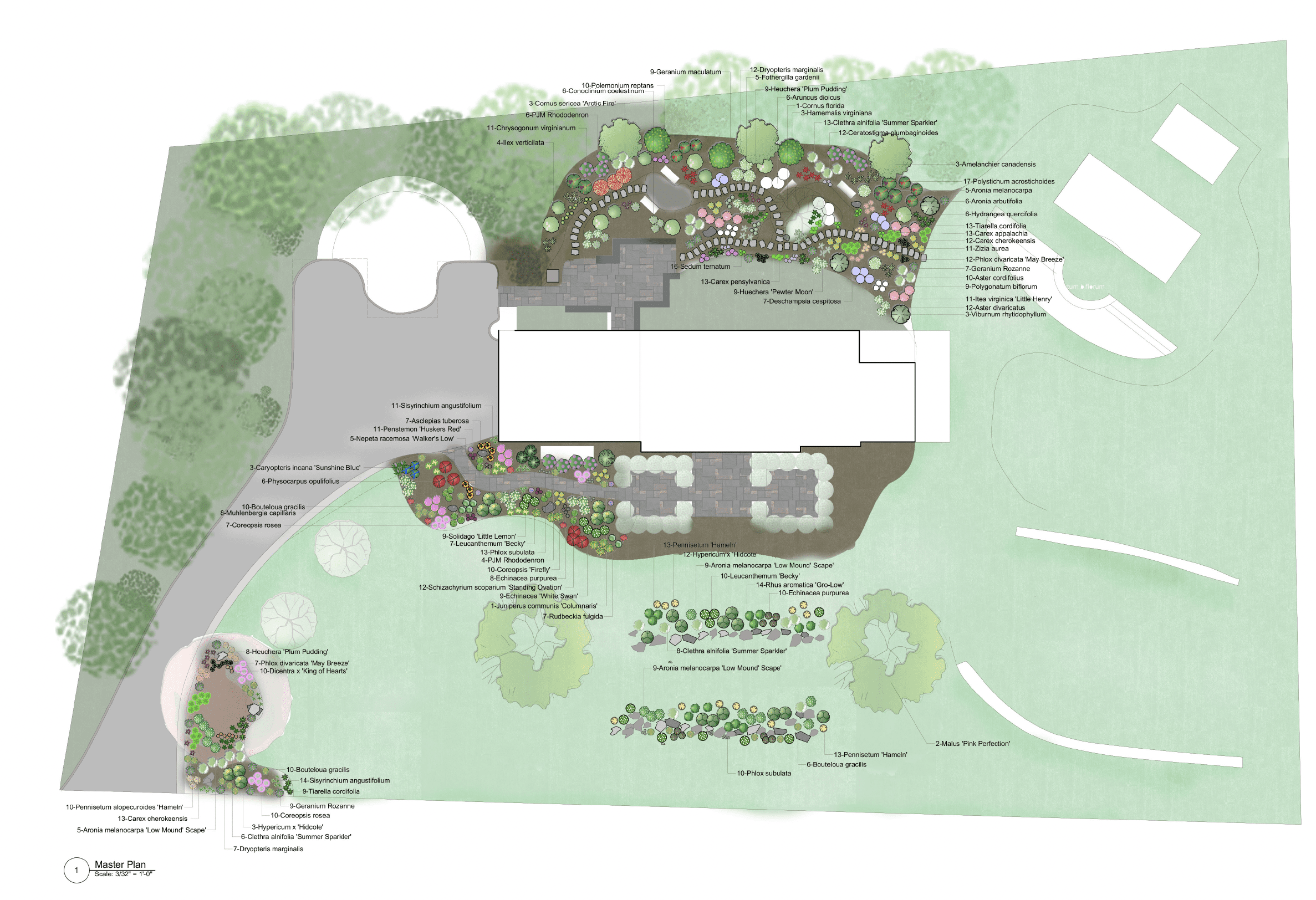
Such a fun, whimsical design! This client wanted a property that could entertain their large family and serve as an outdoor classroom for ecology, gardening and the benefits of nature. (Dream client!!) We had a blast designing a wood chip path that meanders around the permitter through various gardens and wooded areas.  The pool area also got a modern update, and raised bed veggie garden was constructed.  More details and pictures on the project blog! 

#1 “Their Place” | Darien, CT

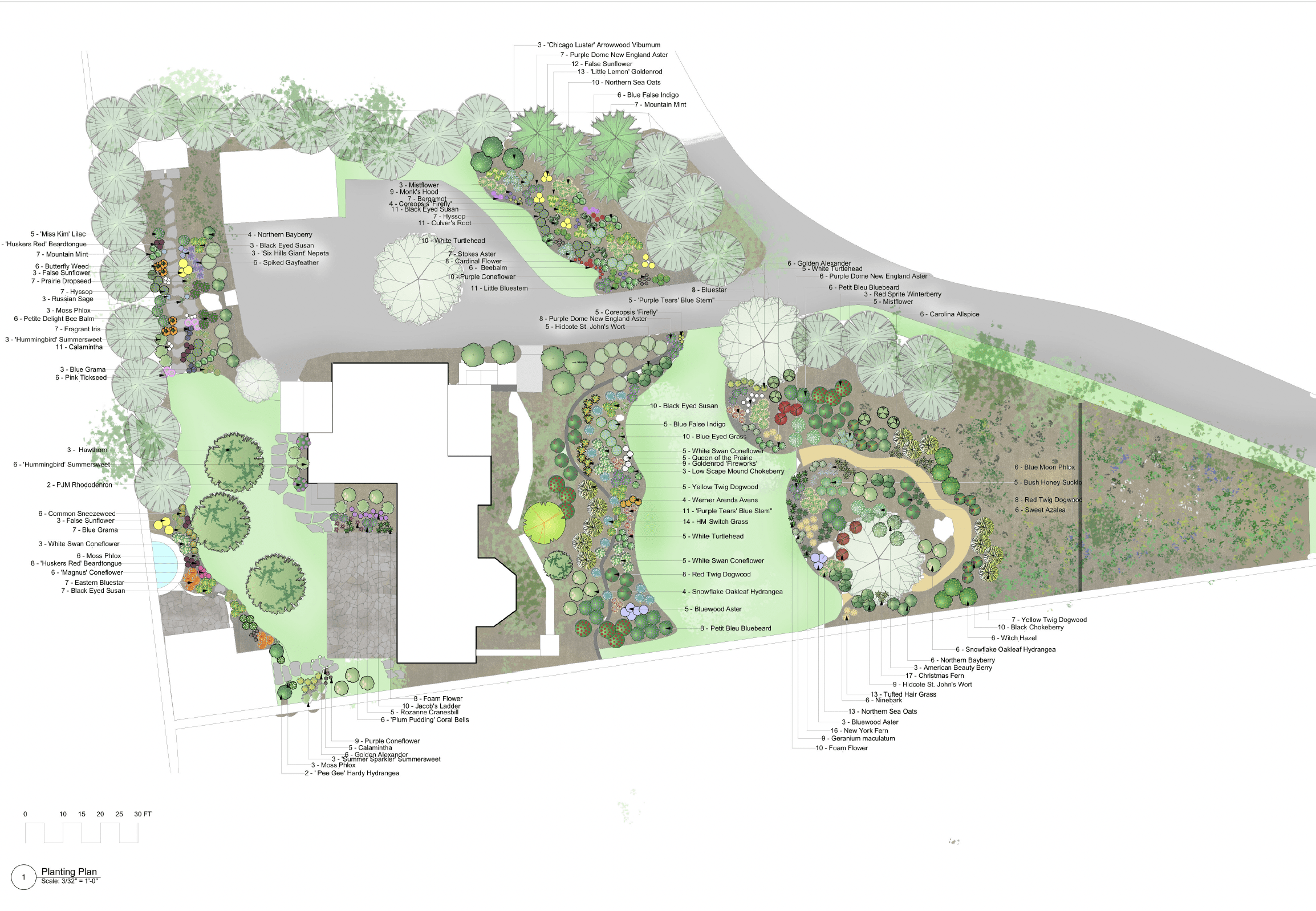
This was truly a dream project: Green Jay Landscape Design was hired to design an entire property as a BIRD SANCTUARY! We assessed  a handful of microclimates and designed mostly-native plant gardens to fulfill a range of habitats from full sun pollinator gardens, to rain gardens, scrub-shrub, and woodland. Peak the drawing and learn more about our favorite project of 2019 on the project blog – part one & part two.

We can’t wait to see what 2020 will bring! Thank you to all our fabulous and dedicated clients, we couldn’t do it without you!

Contact us about your landscape design project! 914-560-6570


Filed Under: Featured Work, Hardscaping & Stonework, Landscape Construction & Installation, Landscape Design, Organics - Lawn, Tree & Shrub Care Tagged With: 2019, 2019review, bird sanctuary, butterfly garden, custom masonry, Darien Connecticut, eco-lawn, ecological landscaping, front yard garden, garden design, gardening for birds, Harrison New York, landscape construction, landscape design, landscape design master plan, landscape designer, landscape ecologist, landscaping for birds, low-mow lawn, native plant garden, natural landscaping, natural stone masonry, naturalistic stream, New Canaan Connecticut, organic landscape, organic lawn, Pawling New Yorkj, pollinator garden, pool landscaping, poolscaping, rain garden, Rye New York, storm water management, top52019, topprojects2019, water feature

This is Part Two of the Designing a Bird Sanctuary series. Catch Part One here!

This project, dubbed ‘Their Place’ is part of our 2019 Green Jay Landscape Design Design Highlights series (#1!).  Check back for a discussion of the rest of our favorite projects of 2019! Read about projects 2, 3, 4 and 5. 

The Design Intent

A place for the birds, the caterpillars, the butterflies and the bees – the displaced species of our native habitats – Their Place. This design needed to be an authentic, functional habitat for both native species and migrating birds.  It also needed to be a beautiful and inviting space for the client to enjoy in harmony.

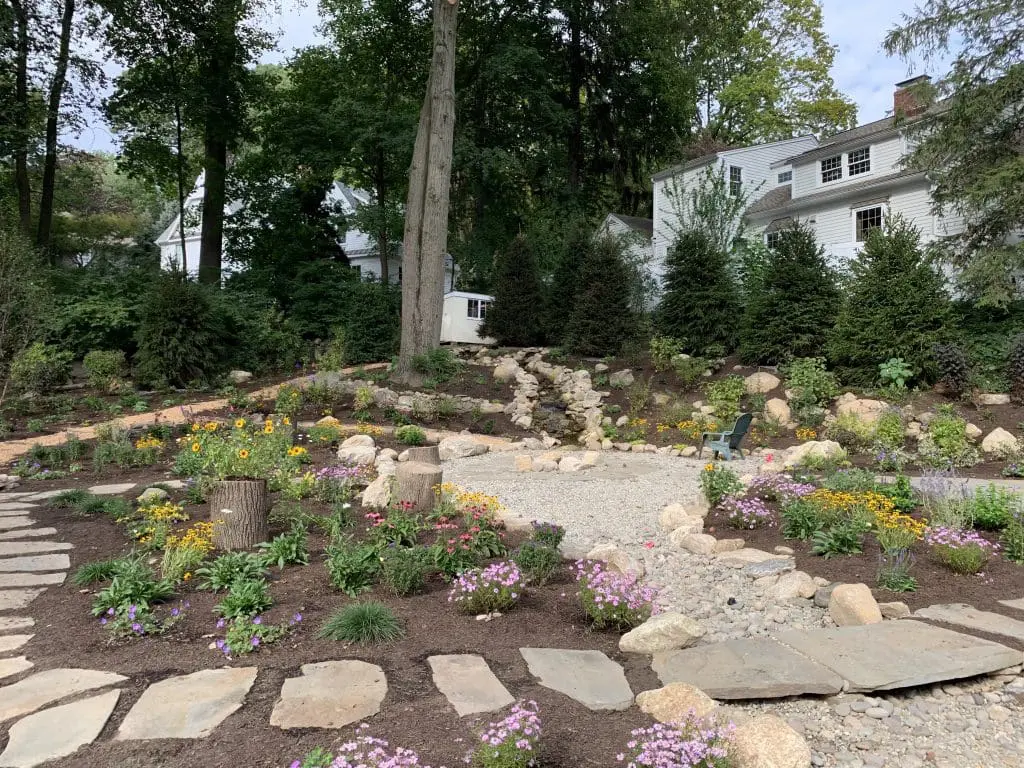
We came into the project with a fairly blank slate, with the exception of the dual-waterfall stream, which culminated in a pond-less gravel area with a firepit.  We used these well-constructed bones as the foundation of the design.  The first step was to map out circulation paths and viewing areas, and to use our site analysis to determine the existing planting microclimates.

We identified five distinct planting microclimates and garden types: full sun perennials, sun/shade perennials, sun/shade rain gardens, sun/shade woodland slope, and a shaded woodland.


Above: AutCAD drawing of Their Place design.  This design presentation was a huge collaborative effort for our entire design team. 

Layout

Circulation guided this design, in a series of sweeping paths that guide you through the different garden zones, to various viewing platforms, and to the central area of activity.

On a grand flagstone path, you enter the sanctuary with an option to travel left, towards a viewing platform, or right to meander through the rain garden.  The left path also diverges off through a Bird & Butterfly garden and toward the central entertaining area: the streamside firepit, which we stylized by adding a flagstone surround to anchor the pit in the otherwise gravel patio.

From this central patio, you can enjoy the waterfall, the firepit, and the range of microclimates and designed habitats around you. Two flagstone viewing platforms were installed northeast and southwest of the property, offering different viewpoints and intimate seating areas.

This design is a model of natural stonework.  We always prefer to use natural, locally sourced materials in our projects over synthetic ones. These patios and walkways are made of local flagstone on a soft, stone-dust base, which allows water to percolate through the joints. Hard bases – cement – do not allow for storm water infiltration. What’s more cement production is responsible for a startling 8% of global carbon dioxide emissions! Synthetic hardscape materials, like concrete pavers (cement is a main ingredient of concrete), usually cannot be recycled or repurposed, and end up in a landfill.

Secondary paths were constructed of woodchips and lined with fallen logs.  Woodchips are a great path material because they allow for infiltration and are relatively inexpensive and easy to maintain.

Picking Plants

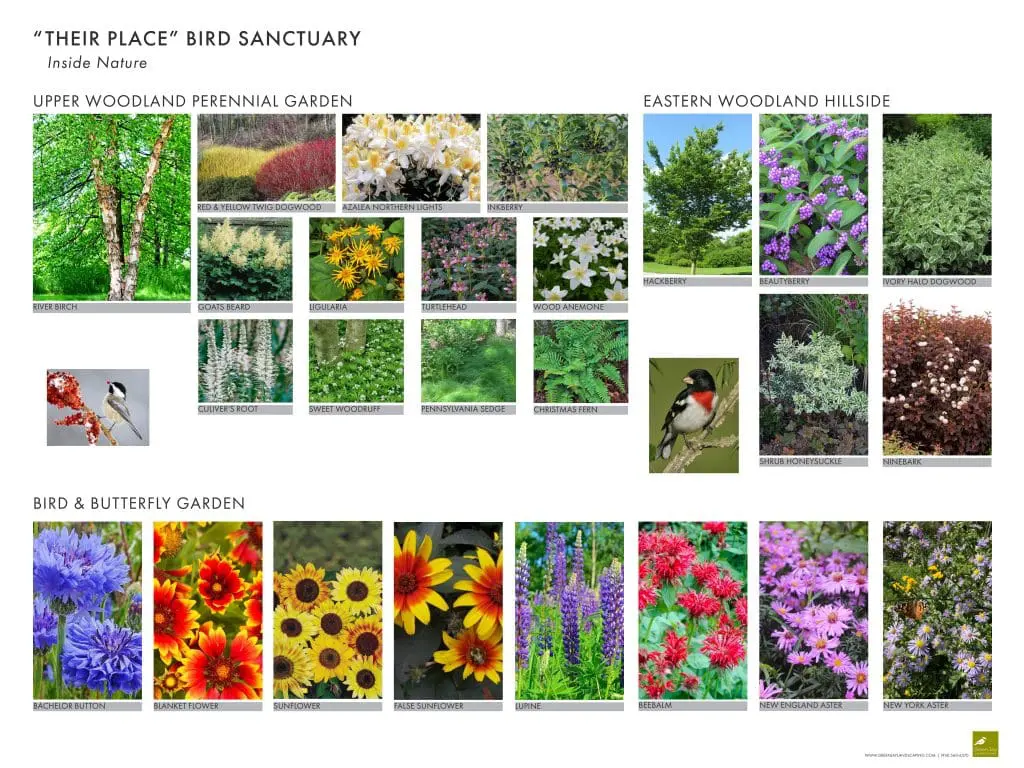
GJL chose the plant pallet specifically for the beneficial insects each species would attract – beneficial for both their plant pollination capacity and as a food source for local birds.  Iconic entomologist Doug Tallamy estimates that one clutch of chickadees requires 6,000 – 9,000 caterpillars to raise to maturity! The first step in recovering our bird populations is to boost insect populations.  And if you don’t think bird populations are something to worry about, think again.  The Audubon society estimates that North America has lost 3 billion birds since the 1970s – more than one in four birds.

Another important consideration in plant selection is the sequence of blooms, seeds and berries.  Not only is it aesthetically interesting to have something occurring throughout the year, not just during peak growth in spring / early summer, but it is essential in creating a functional habitat!  Two weeks of pollen does not a habitat make! What’s more, berry-producing shrubs and the seeds of some native perennials provide essential food sources in fall and winter.

We also incorporated a number of native and non-native shrubs to develop a woodland scrub-shrub habitat, an area with enough coverage and woody material to make a suitable shelter for many bird species.  Behind the scrub shrub garden is a serpentine planting of large evergreens, creating both privacy screening and nesting habitat.

Selections from our Plant List

Scrub-Shrub

Blueberry (Vaccinium)

Summersweet (Clethra)

Chokeberry (Aronia)

Bird & Butterfly

False Sunflower (Heleopsis)

Aster

Bee Balm (Monarda)

Lupine

Woodland

Ninebark (Physocarpus)

Shrub Honeysuckle (Lonicera tatarica)

Ivory Halo Dogwood (Cornus alba)

Red & Yellow Twig Dogwood (Cornus)

Above: We created this visual guide of what birds Their Place will provide habitat for, based on our plant selections. 

Shelter, combined with a water source for bathing, as provided by the existing constructed stream, together fulfill two of the five categories of the National Wildlife Federations Certified Wildlife Habitat program.  The full five include:

  • food sources
  • water sources
  • cover / shelter
  • places to raise young
  • sustainable practices (soil/water conservation, invasive species control and organic maintenance).

With diverse and successional plant selection for pollen, nectar and berries, coupled with the structural habitat elements, this property no doubt qualifies as a Certified Wildlife Habitat.

In terms of sustainable practices, we will be maintaining this property under our Organic Property Management Program.  Since there is no lawn whatsoever, we will design a custom maintenance program for the property.  This fall–a mast year for acorns—we created an acorn storage area out of repurposed wood and stone.  The acorns needed to be collected to avoid sapling germination in the spring, and storing them for squirrels, chipmunks, and birds such as jays, pigeons, crows, ducks, mallards turkeys and bobwhite quail is an added habitat service.

GJL also implemented numerous stormwater management solutions (read about the structural storm water management elements in Part One of our blog).  Two rain garden areas were designed with native shrubs and perennials with facultative wetland status, meaning they can withstand both flooding and drought, and successfully absorb excess storm water in storm events.

Rain Garden Plant Selections:

Serviceberry (Amelanchier)

Spicebush (Lindera)

Cardinal Flower (Lobelia)

Cinnamon Fern (Osmundastrum)

Even before the design installation was complete, we received fabulous feedback from the client. Below, an email from the client delighting in how many birds were already on the property!


We can’t wait to see this design grow, evolve and flourish. It is a true example of designed habitat, ecological landscaping, and certainly qualifies as Pollinator Pathway of Darien.  Follow us on social media for more photos as this garden grows! @greenjaylandsaping.


—

Green Jay Landscape Design

914-560-6570


Filed Under: Featured Work, Hardscaping & Stonework, Landscape Construction & Installation, Landscape Design, Water Features Tagged With: bird and butterfly garden, bird sanctuary, bird-scaping, certified, designed habitat, ecological landscape design, ecological landscaping, landscape design master plan, landscape designer, landscape ecologist, native plant landscaping, natural landscaping, no lawn, organic gardening, organic landscape, plant native, pollinator garden

Sometimes you really do get your dream client and dream job. For Green Jay Landscape Design, that dream job manifested itself this fall in the form of an entire property designed as a BIRD. SANCTUARY.

This project, dubbed ‘Their Place’ is part of our 2019 Green Jay Landscape Design Design Highlights series (#1!).  Check back for a discussion of the rest of our favorite projects of 2019! Read about projects 2, 3, 4 and 5. 

The Site

A true nature lover, this client bought a 75’ x 150’ lot and set out to create a private bird sanctuary and natural habitat. The client wanted the project to be fully ecologically responsible, with the goals of attracting many kinds of bird species into a tranquil landscape where they could be seamlessly observed and enjoyed. Neighboring a busy road, the design also needed screening to create private intimacy.

There were some challenges from the get-go. GJL joined the picture after initial work had been done: the creation of a naturalistic, disappearing waterfall, some border tree planting, and a few gravel paths that were roughly installed. The bare soil that remained on much of the lot suffered serious erosion during several storm events, causing the gravel to migrate as well.

Below: BEFORE PHOTOS 

Large ruts of eroded soil tore through the property. Furthermore, the fence installed by the previous contractor started about a foot above soil level, allowing the storm water / sediment mix to runoff into the street.

The storms were particularly damaging to this property because the topography to the north slopes up, meaning the client’s property would collect sheet flow (surface rainwater runoff) from all of the upslope neighbors. One such neighbor was in the process of building a new patio and pool… a huge increase in impervious space and, you guessed it, sheet flow!  Positioned as the “drain” of the neighborhood, we felt extra-extra impetus to collect, filter and infiltrate storm water in as many ways possible, to benefit the local watershed and aquifer.

It was evident that a Storm Water Management Plan had to be implemented for any design to be sustainable. We incorporated gravel bioswales into the design, stylizing them as faux streams crossed by stone bridges, while their pitch and placement conducts stormwater from the hillside and allows it to percolate through the gravel.  At the base of the bioswales, we installed a Cultec 280HD Storm Chamber. This essentially allows storm water to collect in a large perforated chamber underground, and slowly infiltrate out into gravel that surrounds it.  The storm chamber has a surface armored forebay for ease of maintenance.

We also designed several rain gardens as part of the Storm Water Management Plan.  Check out our pervious blog post Rain Gardens for Storm Water Management to learn all about the benefits and beauty of a native plant rain garden.

Above: Before Photo.

With the bare soil, it was evident that we needed to develop and install a design with immediacy to both stabilize the soil and to beat the inevitable migration of weeds and invasive species.

Above: Process Photo 

We’ll dive deep into our design choices in the next blog, Part Two of the Designing a Bird Sanctuary series!

Filed Under: Featured Work, Landscape Construction & Installation, Landscape Design Tagged With: bird and butterfly garden, bird sanctuary, bird-friendly garden, certified wildlife habitat, designed habitat, disappearing waterfall, ecological landscaping, habitat, native plant landscaping, natural landscape, natural landscaping, plant native, pollinator garden, scrub shrub garden, water feature

One part landscape grading, one part organic lawn renovation and one part ornamental grass and perennial pollinator garden, this was an incredibly satisfying project that allowed us to flex many unique skills in our landscape design and construction tool box.

This project, dubbed ‘Above the Fields of Grass’ is part of our 2019 Green Jay Landscape Design Design Highlights series (#3!).  Check back for a discussion of the rest of our favorite projects of 2019! Read about projects 4 and 5. 

The client has a young family and the main reason they booked a consultation with us was because their yard, at a significant slope, created a pesky and somewhat dysfunctional play area for their children.  Playing ball almost certainly lead to loss of the ball to the slope, and likely across the path into the golf course that abuts the backyard. What’s more, the row of yews that lined the southern edge of the property had grown so that the dense part of the shrub blocked the rolling green hills and skyline, while the yews’ thin trunks revealed the road behind and golfers’ legs in a most frustrating way.  To top it off, the previous owner, apparently a golf fan, had left a ten-foot gap in the center of the yews, so that he could watch the golfers tee off! From the back patio!

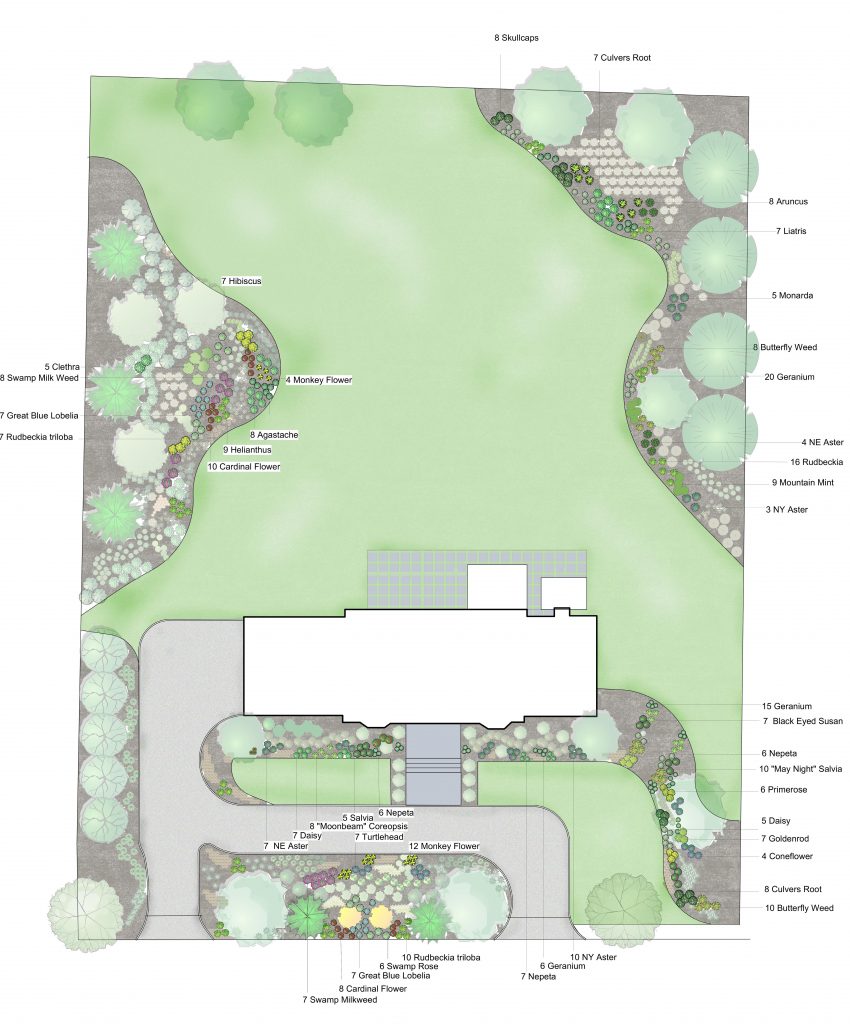
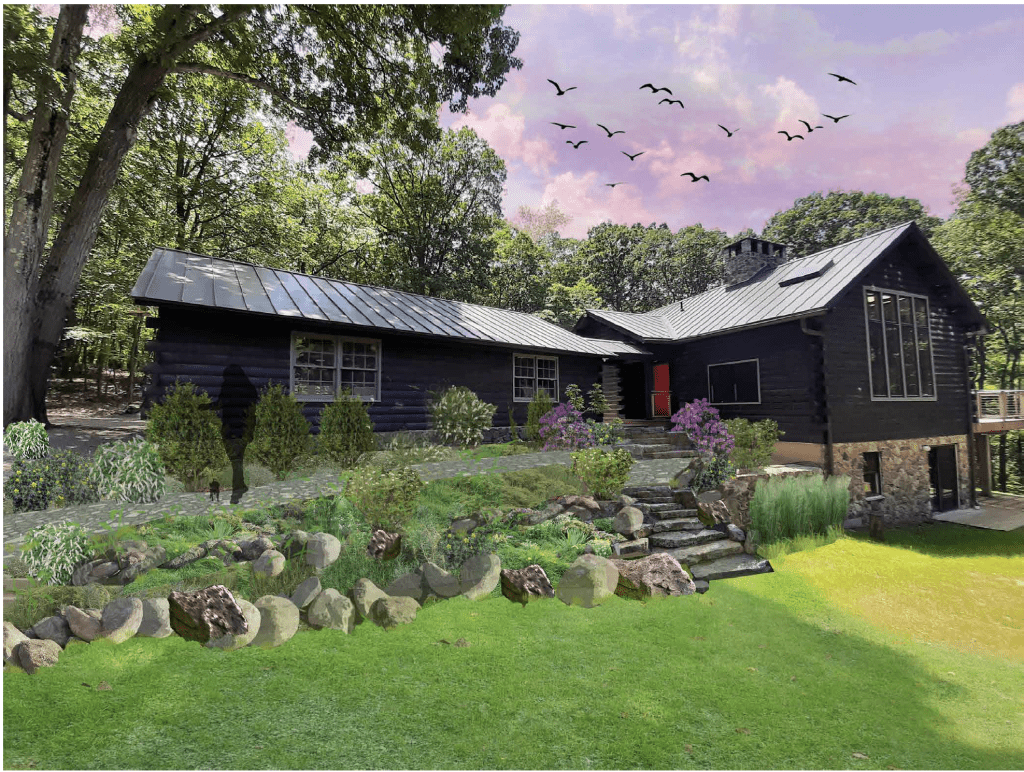
Clearly this was not an example of modern, family-friendly, inviting and intimate, ecological landscaping!  We had a large task at hand but were up for the challenge!  The client signed on for a Landscape Design Master Plan that included the entire property.  The front foundation landscaping was dated, overgrown, and created confusion between the front entrance and secondary entrance. We created an AutoCad drawing and provided plant photo visuals to render our vision. The client ultimately decided to move forward with the backyard design and construction in 2019, with the intention of completing the front yard as phase two in 2020.


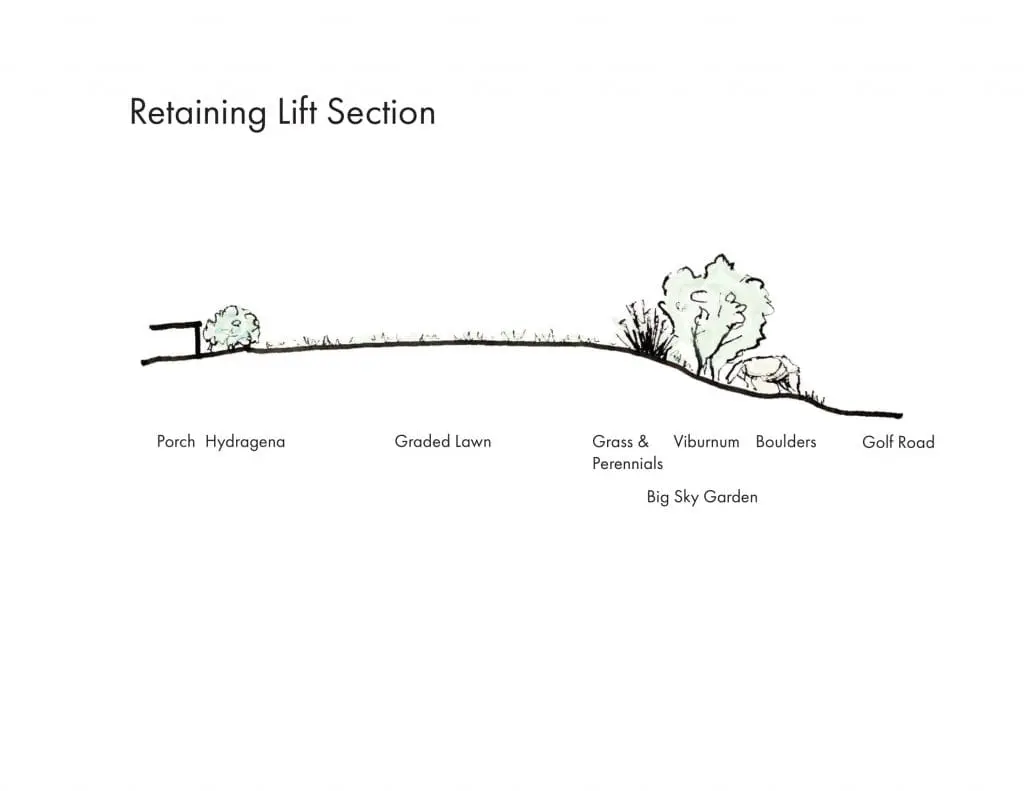
To solve the slope issue, without completely blowing the client’s budget, we proposed a rip-rap retaining wall constructed of large boulders that supported a two-tier, terraced planting bed that effectively lifted the overall grade of the backyard around three feet.  We brought in premium topsoil by the truckload, and graded with a machine and by hand.

The rear terrace was to be planted with assorted viburnum shrubs – the dense, deciduous shrubs would provide necessary screening during golf season, and open up the expansive views in the winter. The second, front terrace was to be planted with ornamental grasses and pollinator-attracting perennials.

Since the garden bed is in full sun with a southern orientation, perennials that like hot dry environments were a no-brainer (think prairie perennials like Echinacea and Agastache).  The seed heads of Miscanthus ‘Morning Light’ and native Pannicum ‘Northwinds’ provide incredible texture and movement from summer through winter!  (t is a common misconception that all Miscanthus are invasive.  The straight species can be, but cultivars like the ones in this garden are sterile!) Tardiva Hydrangea replaced a stretch of yews on the lower lawn, and between those and the perennials, the property was absolutely filled with butterflies!

The organic lawn installation required installing hay blankets on top of the seed for stabilization during the germination phase.  This installation took place in July, and a series of intense rain events demanded that we take extra precautions with the bare soil.

The client was thrilled with their newly level, lush, organic lawn and playspace.  Thanks to modern landscaping, they now have the privacy, beauty and excitement they deserve, in the form of a living border of shrubs, grasses and flowers that attract a host of birds, bees and butterflies for their family to admire, learn from and grow alongside.

#LandscapesForBetterLiving

Green Jay Landscape Design

914-560-6570


Filed Under: Featured Work, Landscape Construction & Installation, Landscape Design, Organics - Lawn, Tree & Shrub Care Tagged With: healthy yard, landscape grading, lawn renovation, level lawn, organic lawn, ornamental grass garden, playscape, playspace, pollinator garden, pollinator pathway, terrace garden, terraforming

  • « Go to Previous Page
  • Page 1
  • Interim pages omitted …
  • Page 30
  • Page 31
  • Page 32
  • Page 33
  • Page 34
  • Interim pages omitted …
  • Page 60
  • Go to Next Page »

Footer

Mailing Address: 222 Purchase Street, #144 Rye, NY 10580
Shop Address: 369 Bradhurst Ave, Hawthorne, NY 10532
(914) 560-6570
  • Facebook
  • Instagram
  • LinkedIn
  • Pinterest
  • YouTube
  • Houzz
  • Slide Share
  • Installation
  • Portfolio
  • Pricing
  • About
  • Contact

Copyright © 2025 · Green Jay Landscape Design. All Rights Reserved · Privacy Policy · Website and Local SEO by Ramblin Jackson