• Skip to main content
  • Skip to footer
Green Jay Landscape Design

Green Jay Landscape Design

Green Jay Landscape Design

(914) 560-6570
  • Design
  • Installation
  • Portfolio
  • Pricing
  • About
    • Service Area
    • Meet Our Team
    • Our Process
    • Our Promise
    • Mission, Vision, & Core Values
    • FAQ
    • Press & Events
    • Blog
    • Reviews
    • Careers
    • Affiliations
  • Contact

greenjayadmin

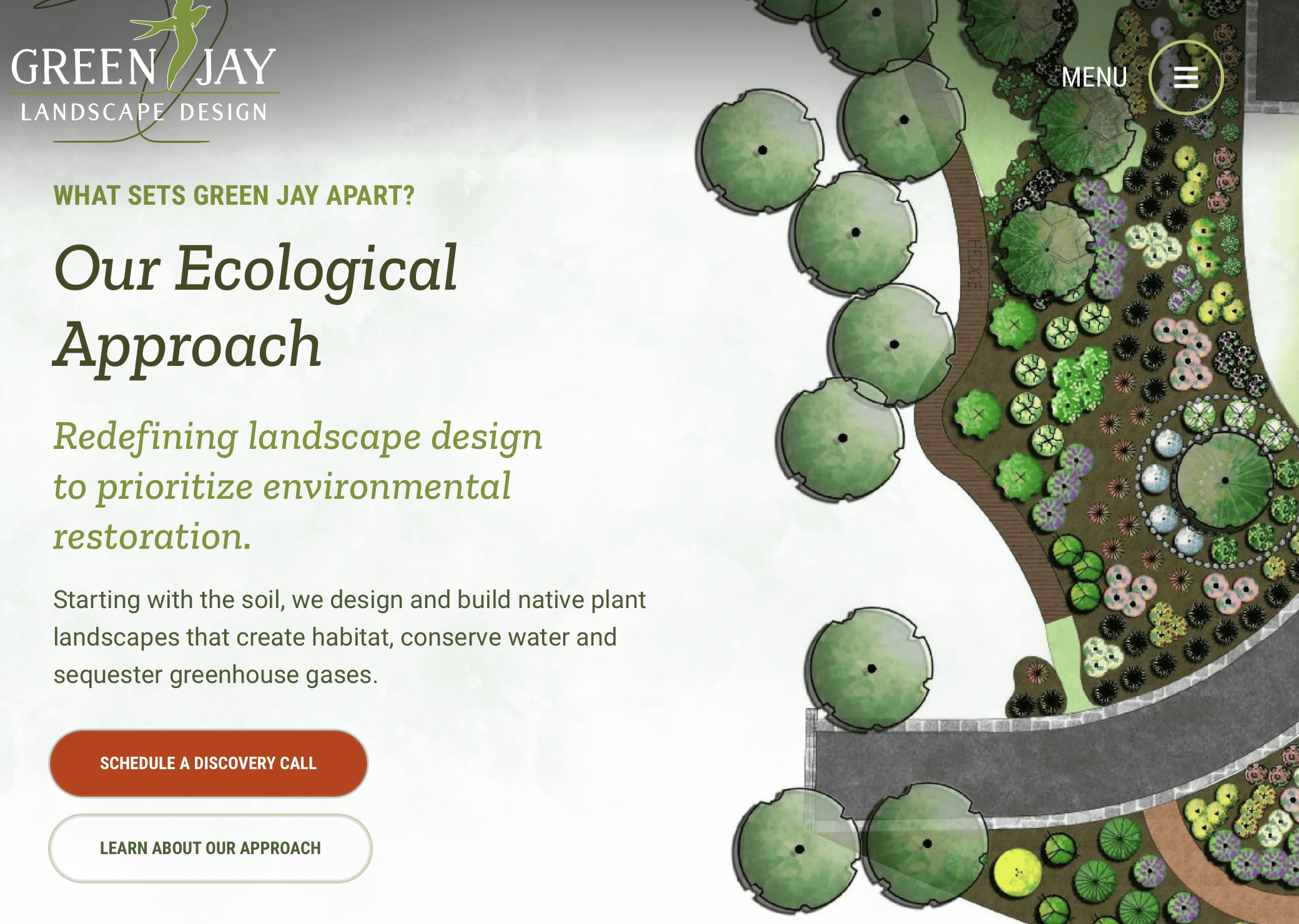
We are thrilled to finally announce our re-brand, a shift we’ve been working on behind the scenes for the last year. Our brand name is now Green Jay Landscape Design, a change we felt reflected our specialization over the last few years into an ecological landscape design and build firm.

In the last two years, we’ve improved and expanded our design and build services to highlight our specialty: native landscapes that support ecosystem services and healthy lifestyles for our clients.


Of course, none of our branding efforts would be possible without the help of our incredible team: Melissa Tatge, graphic designer with All the Good Design, our talented team of web designers at Socious Marketing, and our tireless SEO friends at Market Hardware.


We invite you to explore our new website – we’re very proud of it!

Portfolio

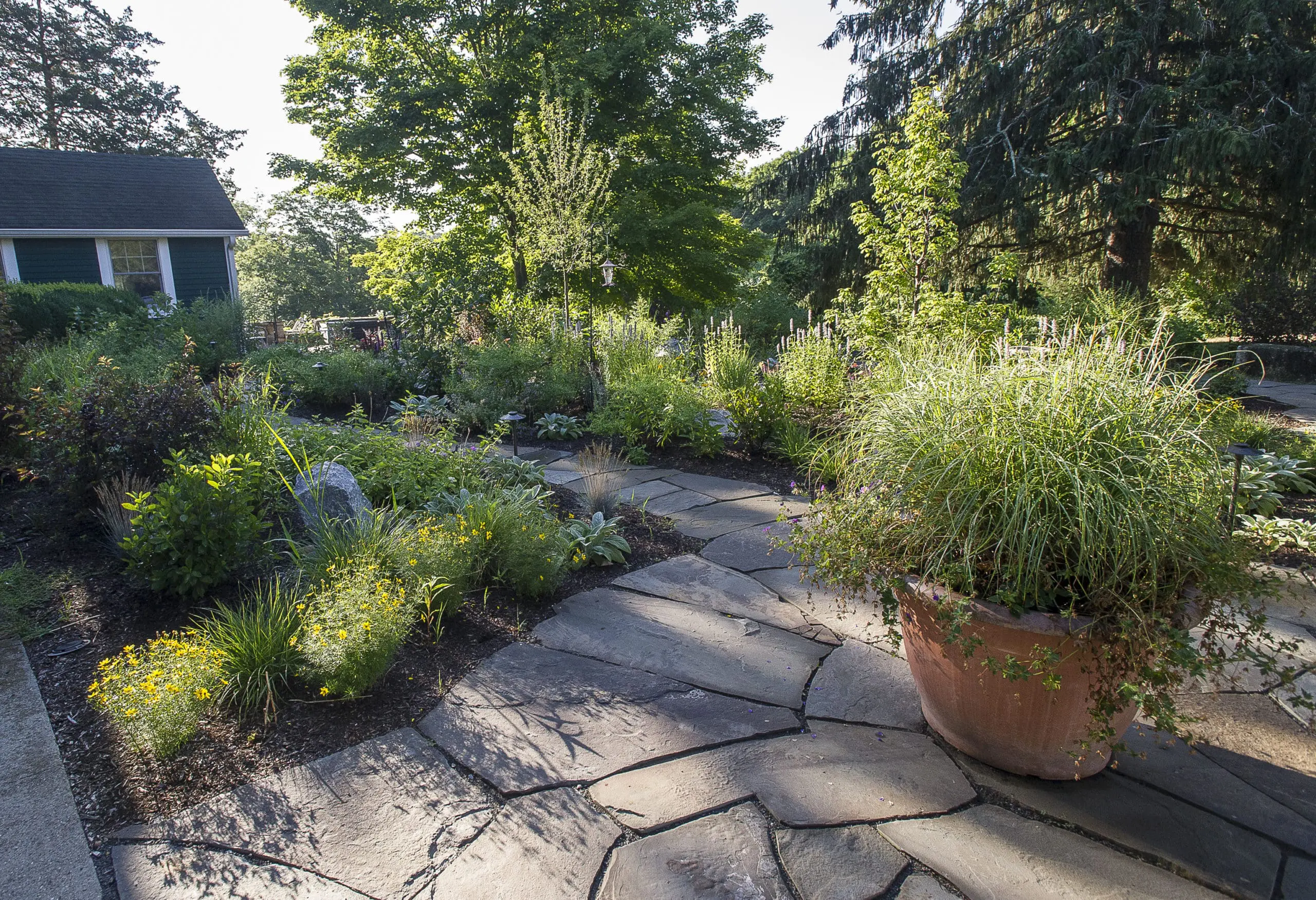
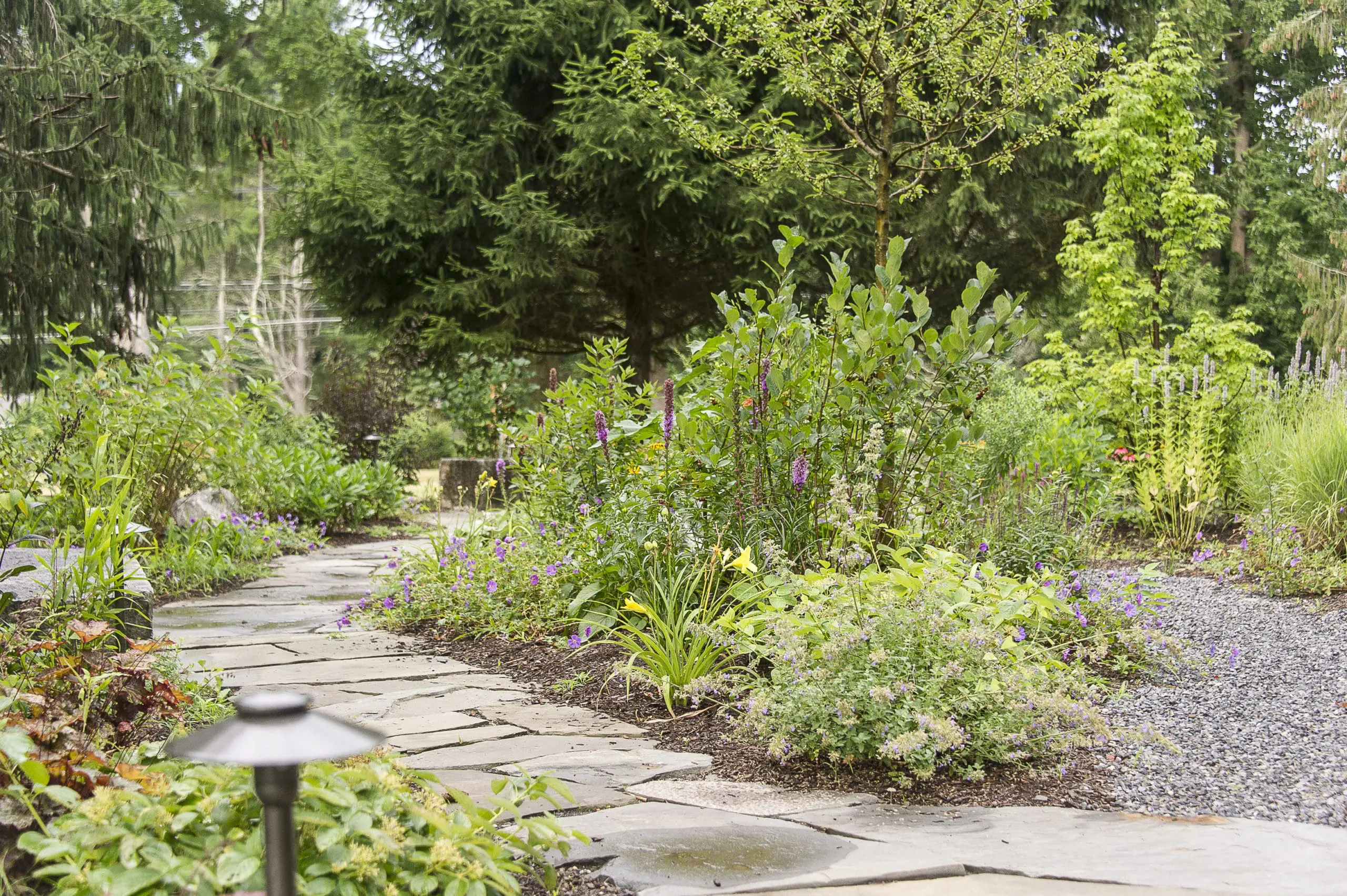
A re-imagined Portfolio, that highlights the range of properties and types of work we perform.  Some of our favorite, newly featured projects include: Courtyard Cloister Garden, Lakefront Pollinator Parterre, Native Pool Landscape and Private Nature Preserve.

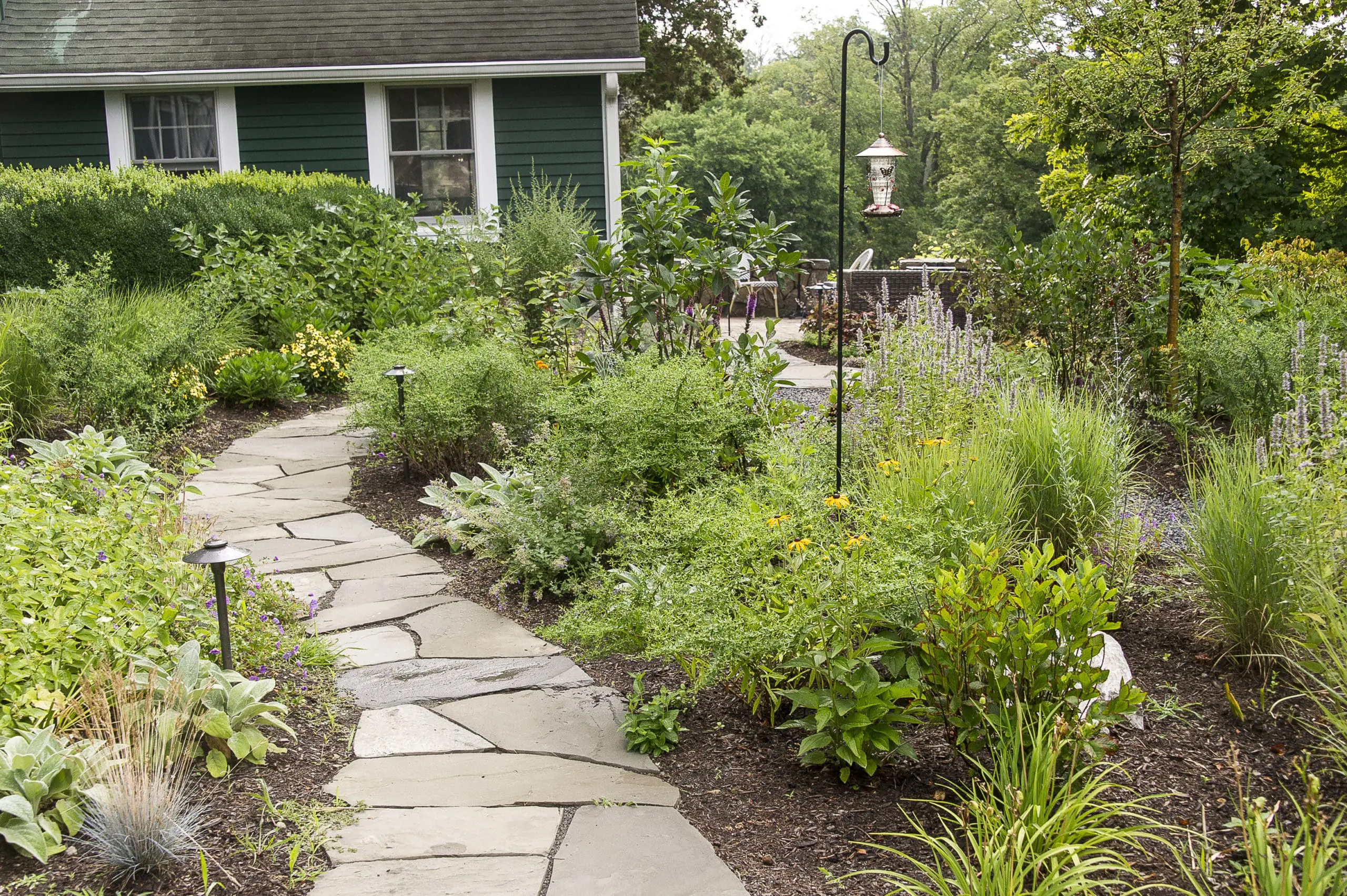
Garden beds define and relate landscape areas (ie. pool area and vegetable garden)

Thanks to our talented photographers Rich Pomerantz and Neil Landino and our videographer Chris Jones of Shoreline Video Production for helping us to capture and communicate our work.

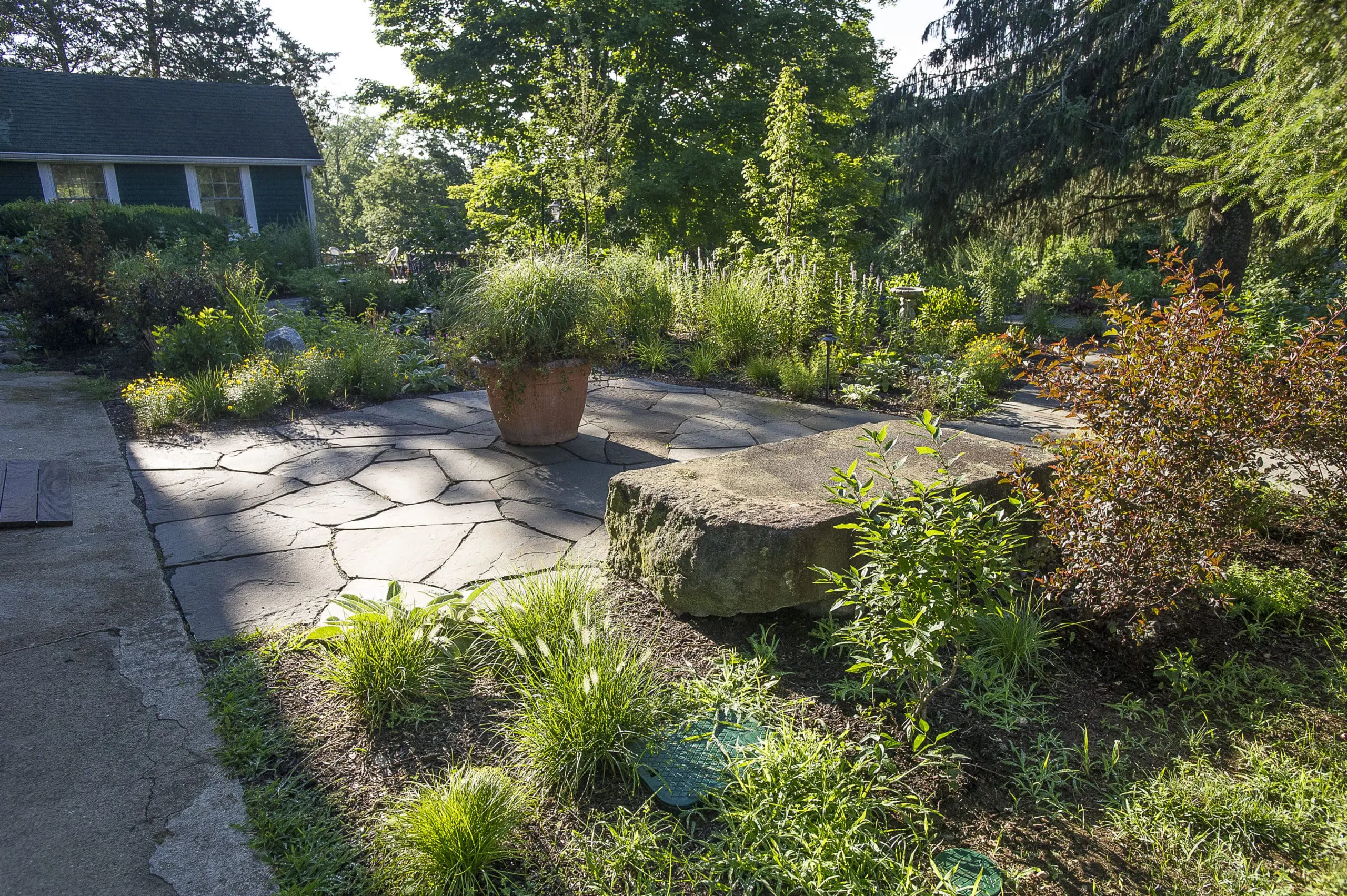
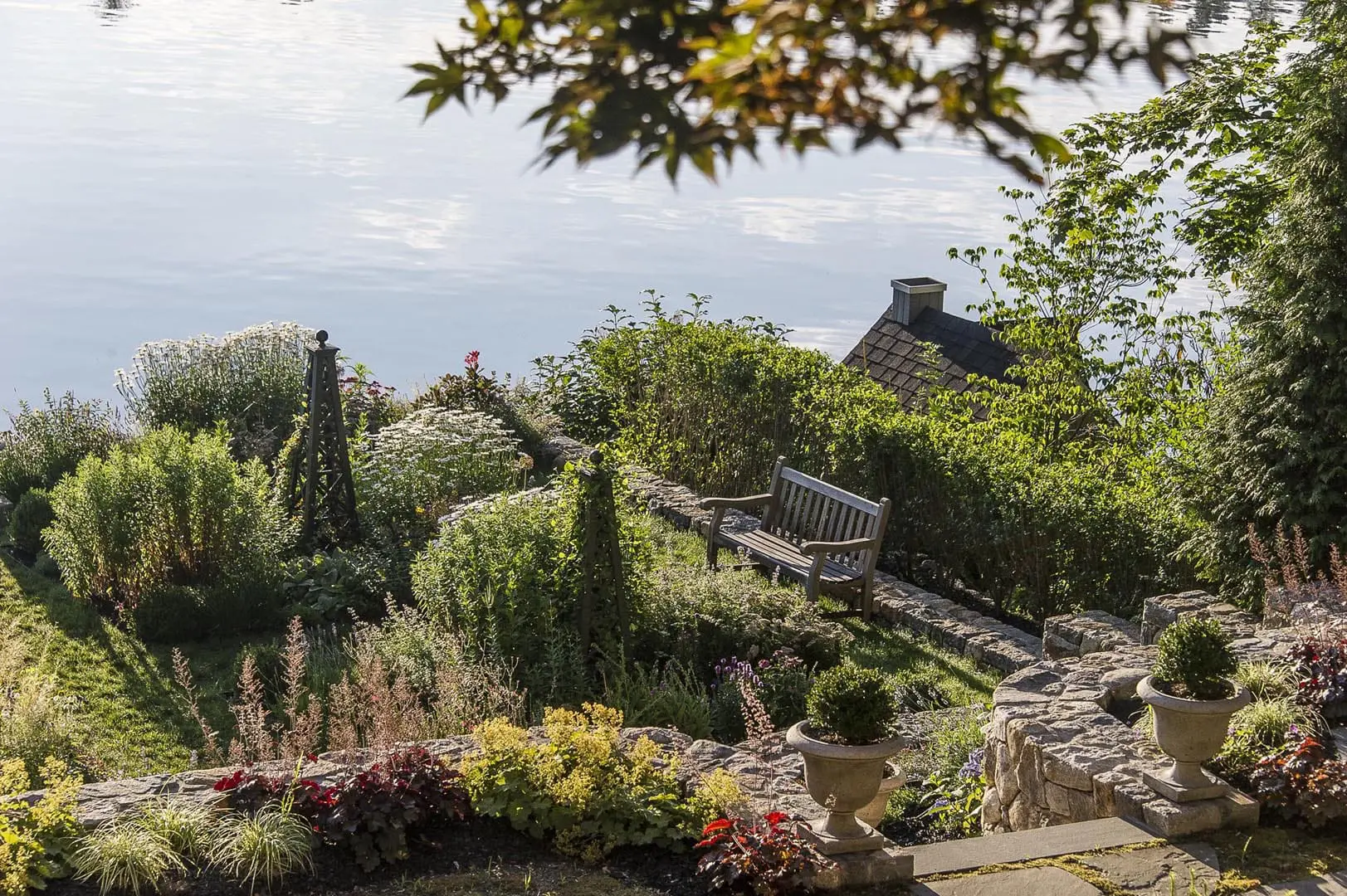
Every garden needs a bench moment to take in the views.

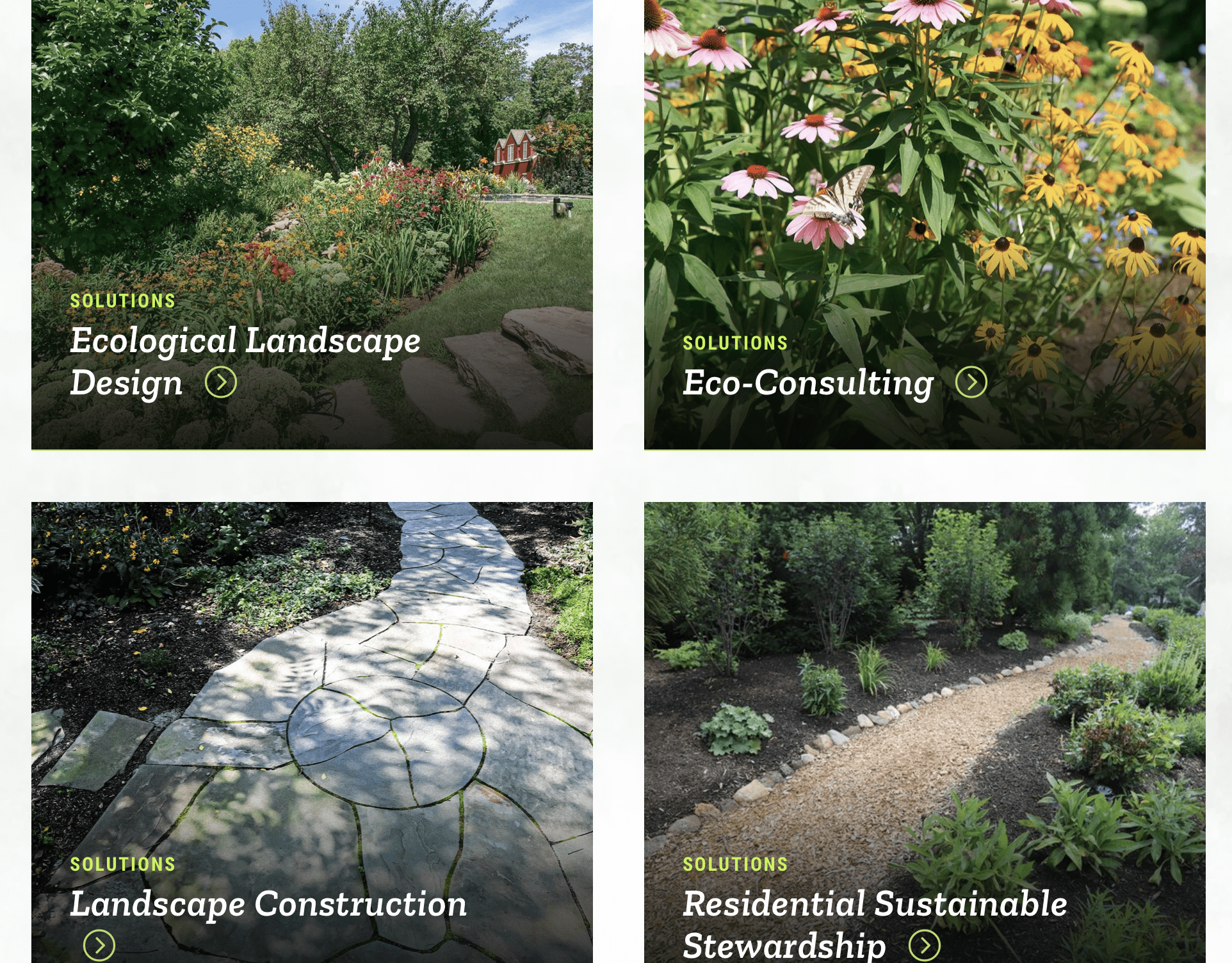
Eco-Consulting

Consulting with other designers, contractors, municipalities, and homeowners on more technical projects has become an increasingly important wing of our business.

These projects step beyond the typical scope of landscape design to solve real environmental problems on complicated sites.

Our eco-consulting expertise includes:

Wetland Restoration

Erosion Control

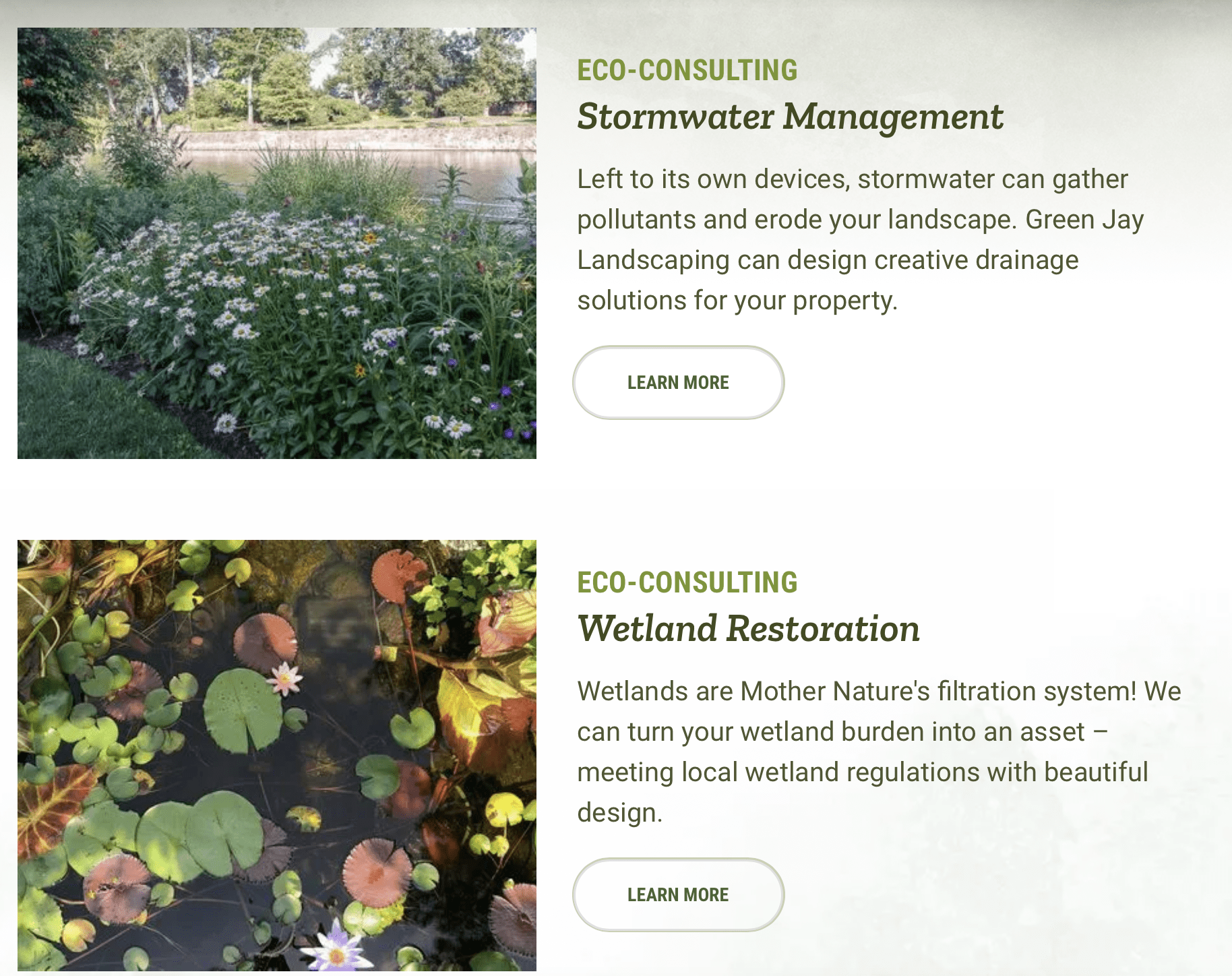
Stormwater Management

Carbon Smart Landscaping

Invasive Species Control

Project Management

Residential Sustainable Stewardship

A new solution we offer for large property owners (five acres or more) is our Residential Sustainable Stewardship program. We observe and analyze the microclimates of a property and develop a long-term plan of action to restore ecological value to the property.  Depending on the site, this may include understory development, wetland restoration, meadow management, and trail building.

Service Area

New in 2022, we’ve expanded our service area to include Bergen County, New Jersey  for landscape design, build and eco-consulting.

We are now proudly a Tri-State Area operator, serving Westchester & Putnam Counties, New York; Fairfield County, Connecticut; and Bergen County, New Jersey.

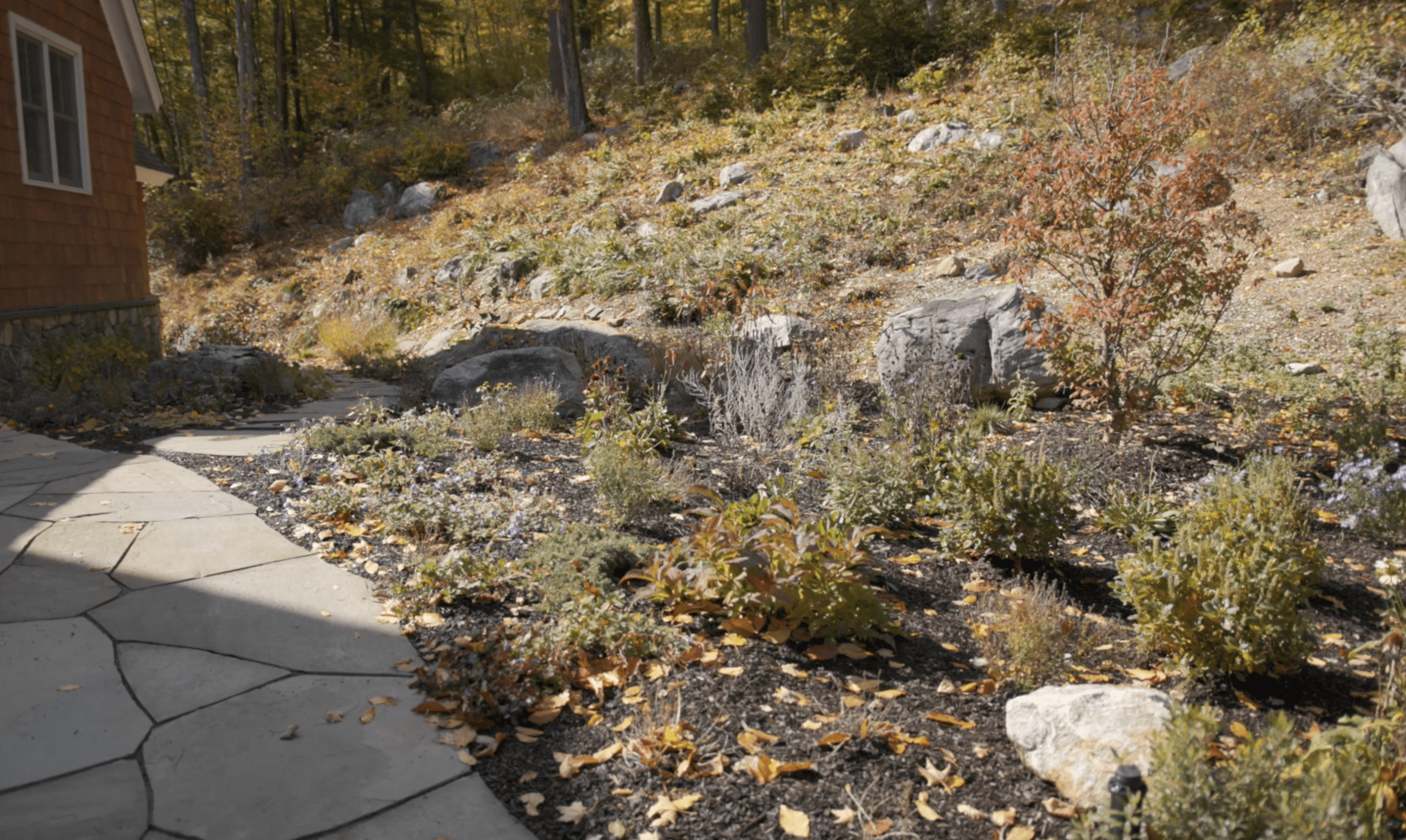
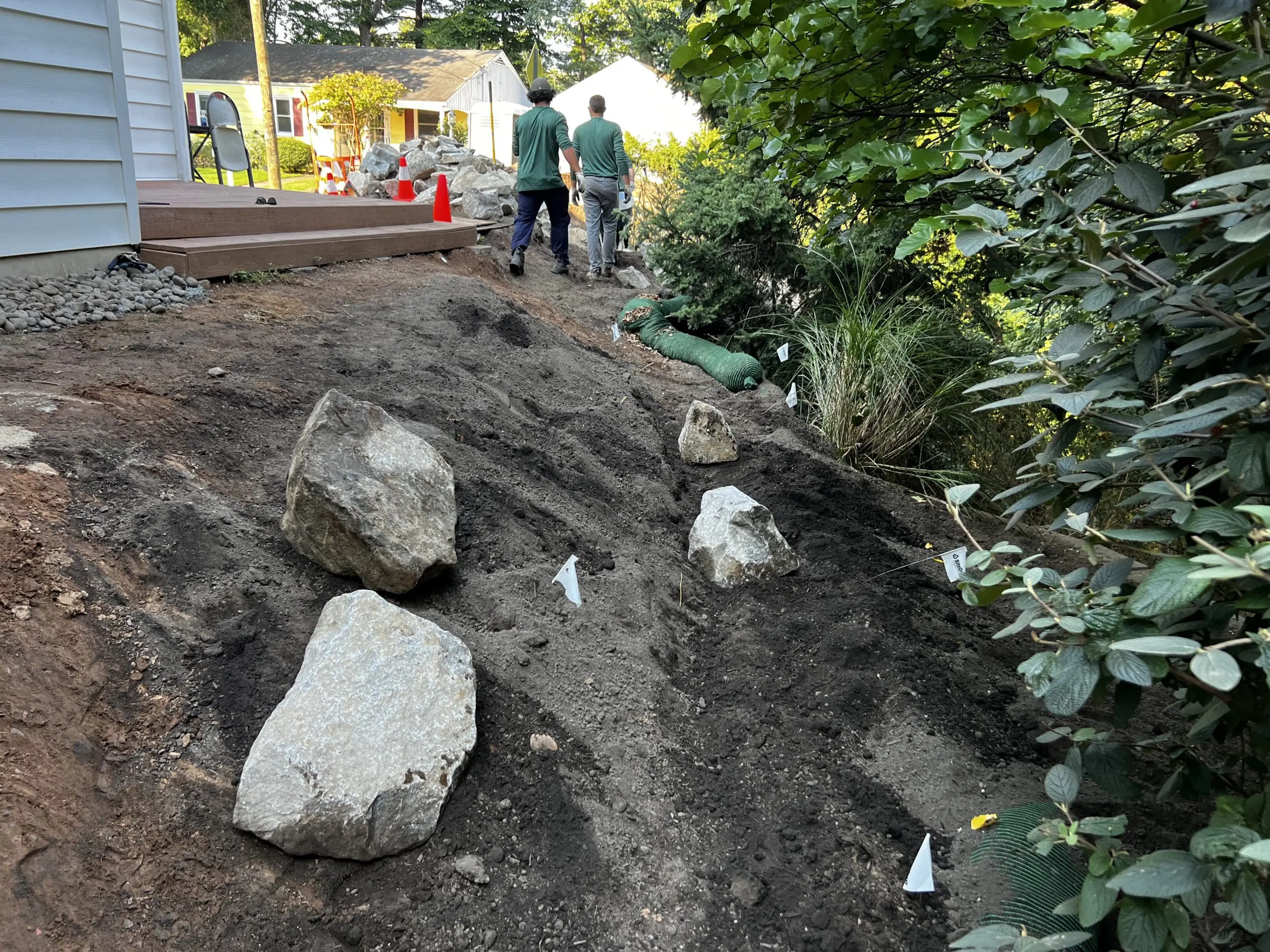
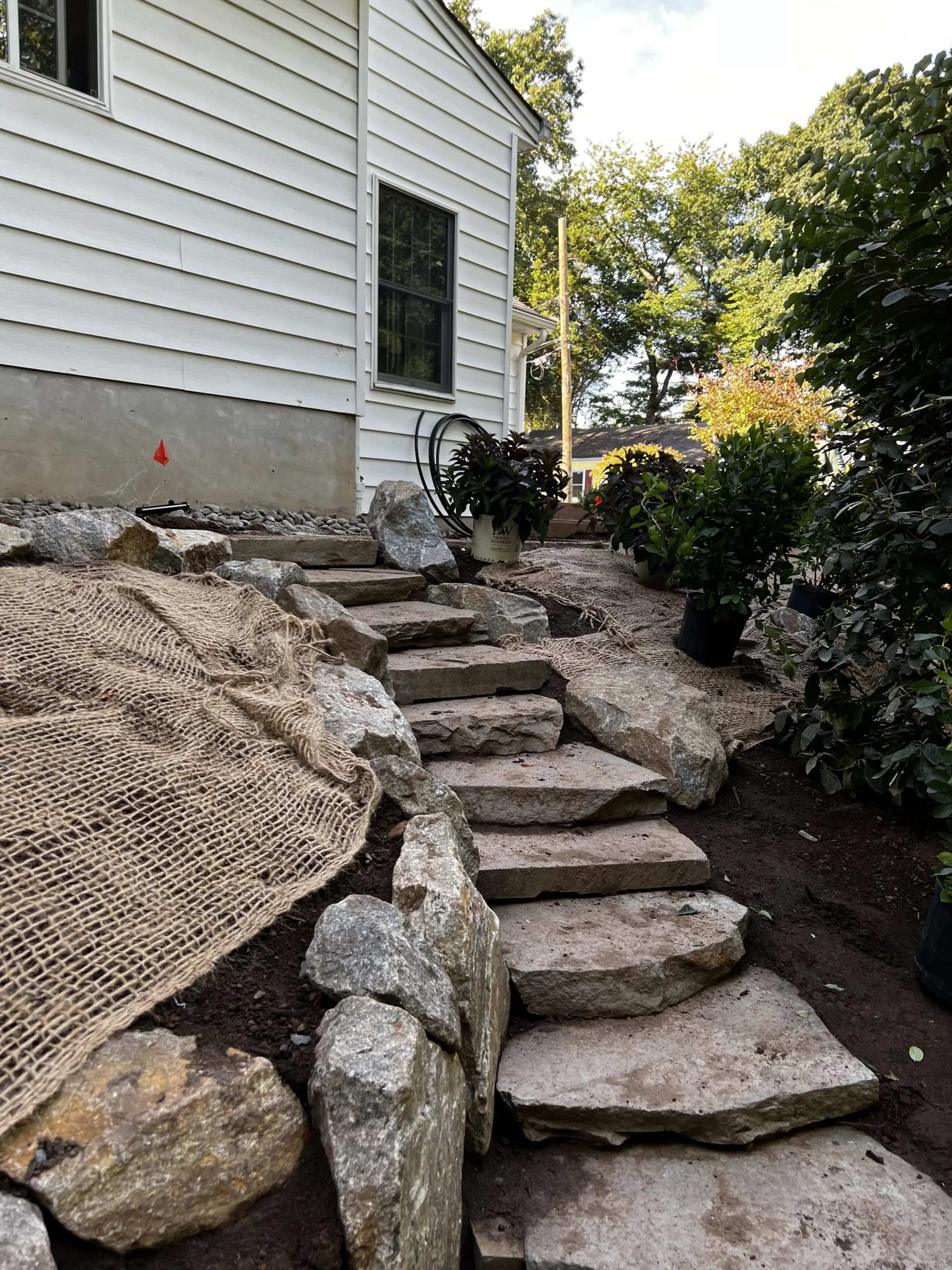
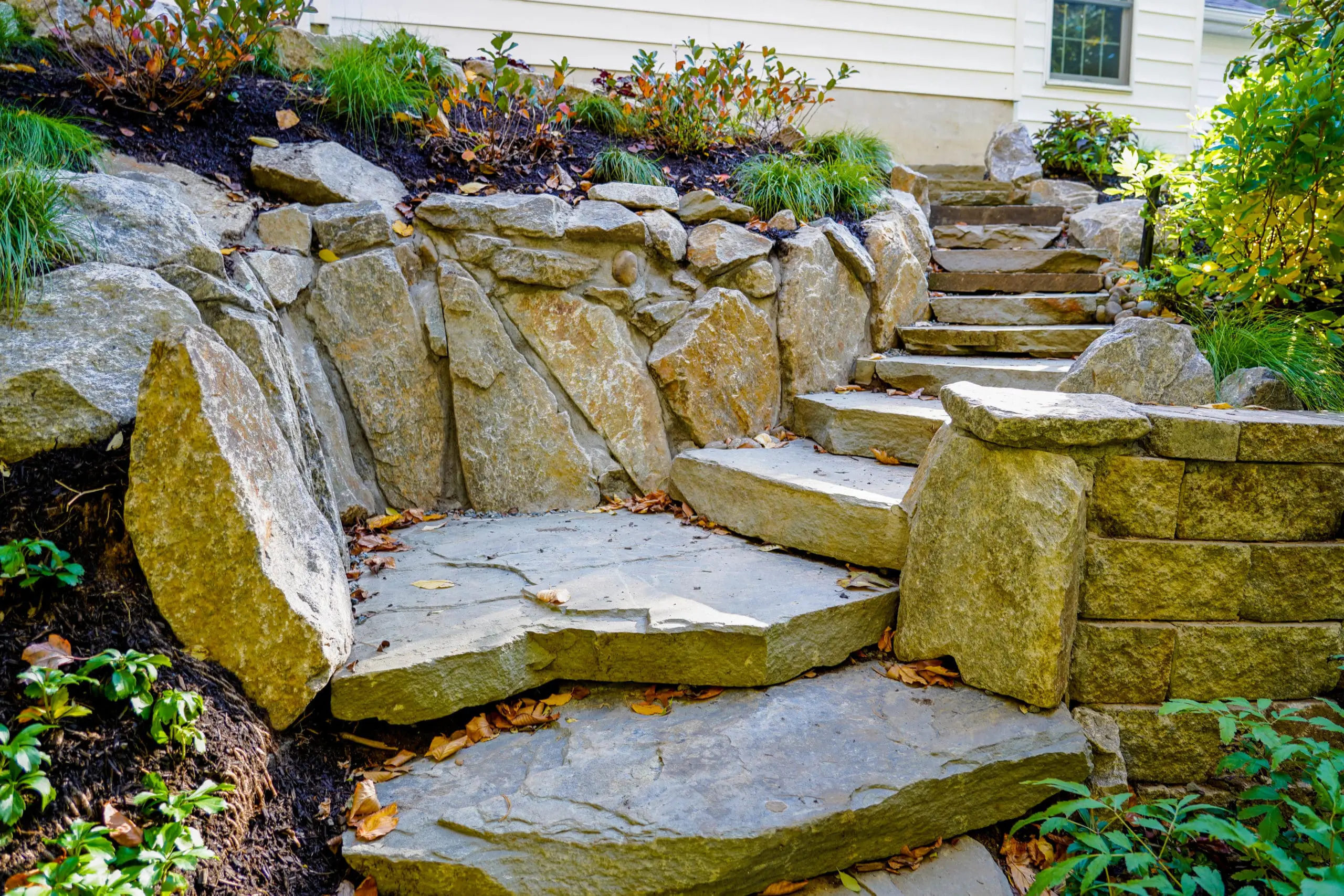
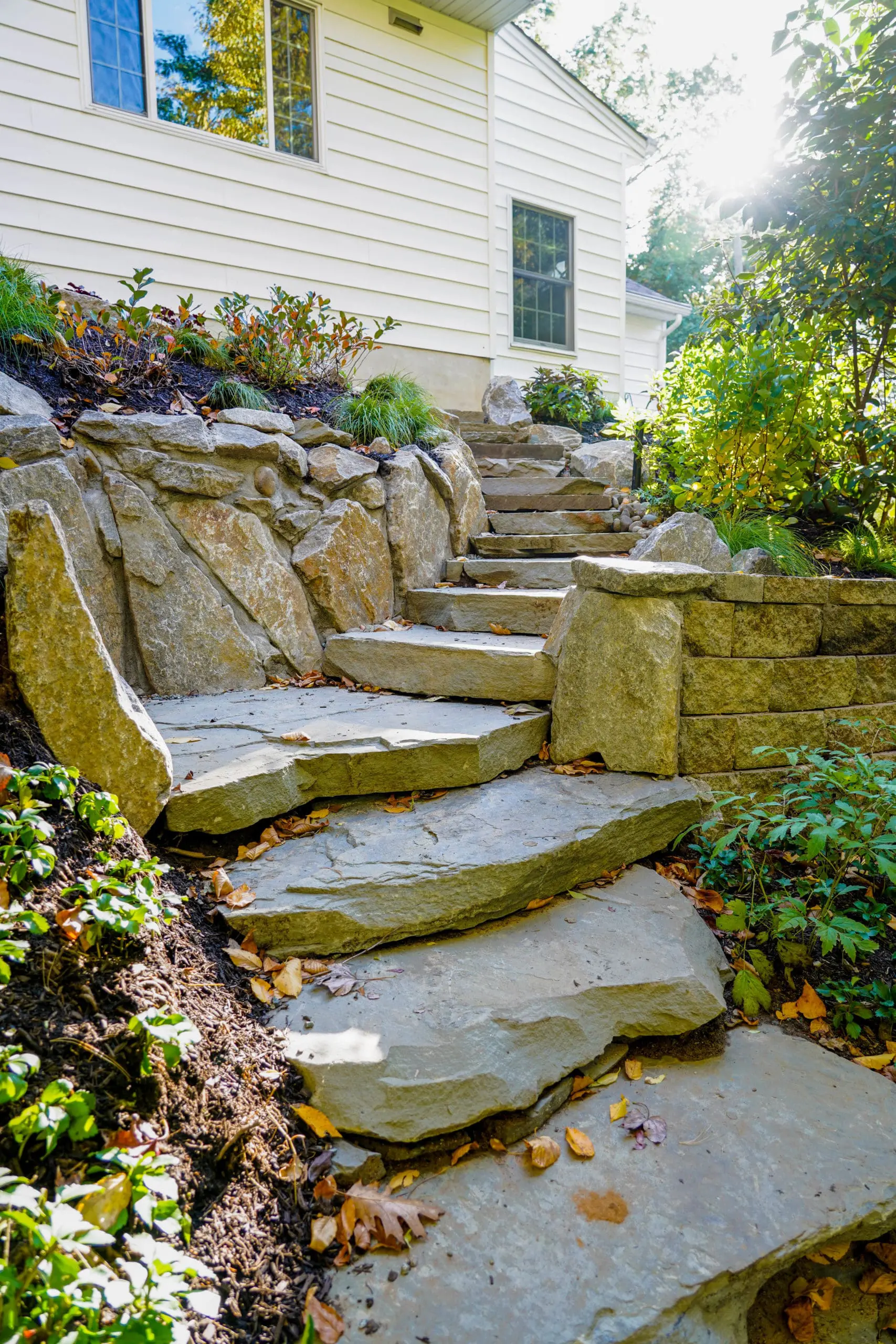
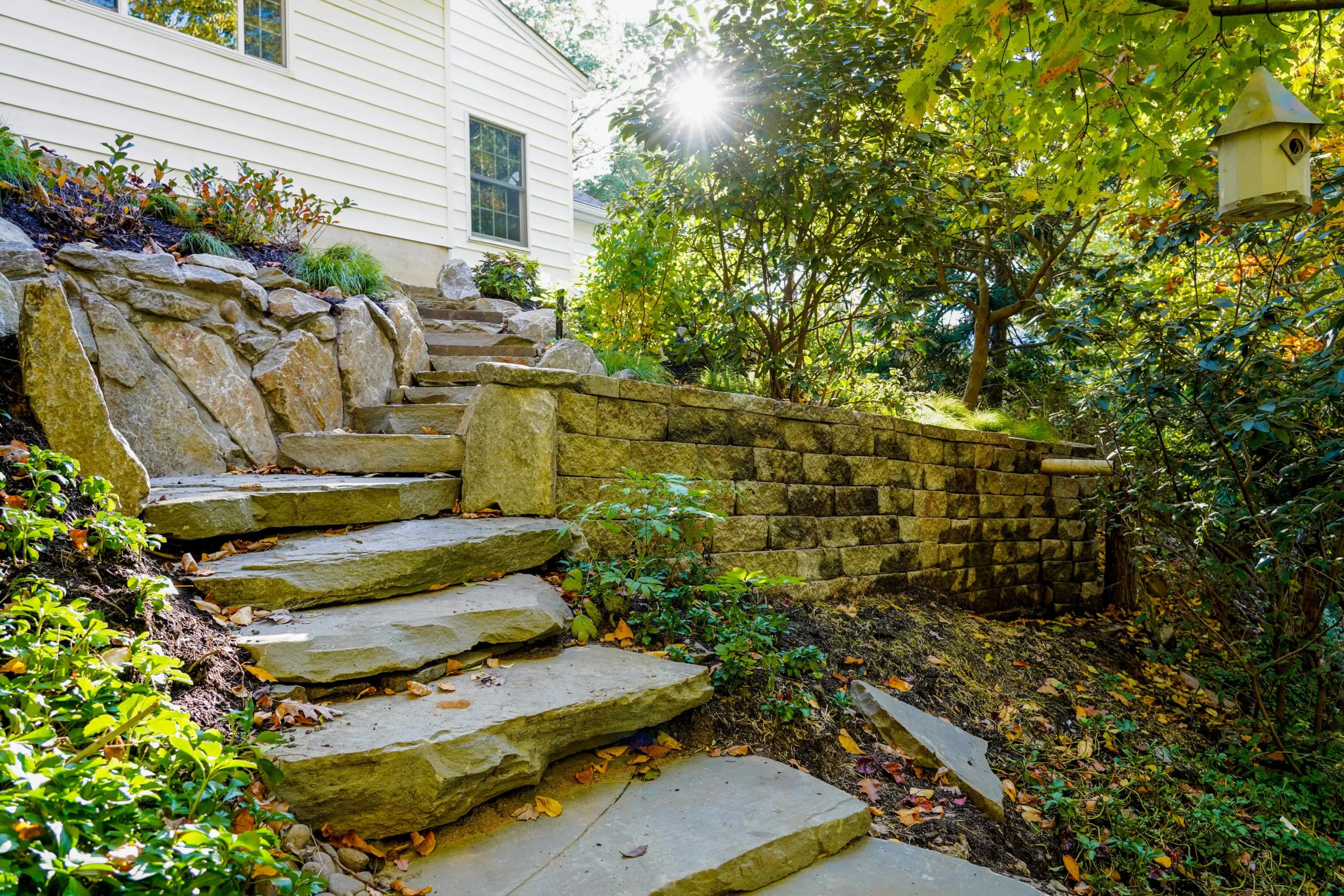
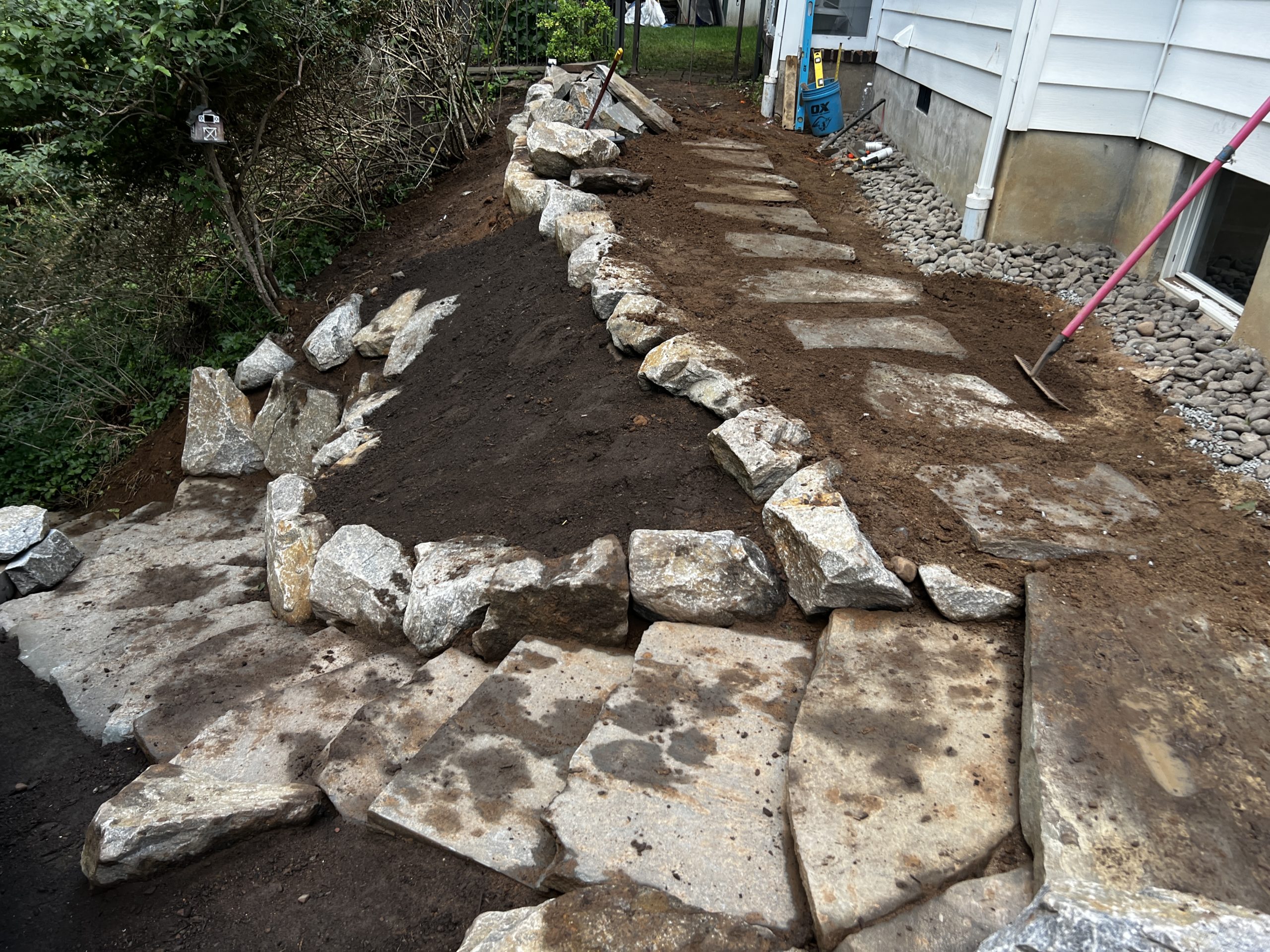
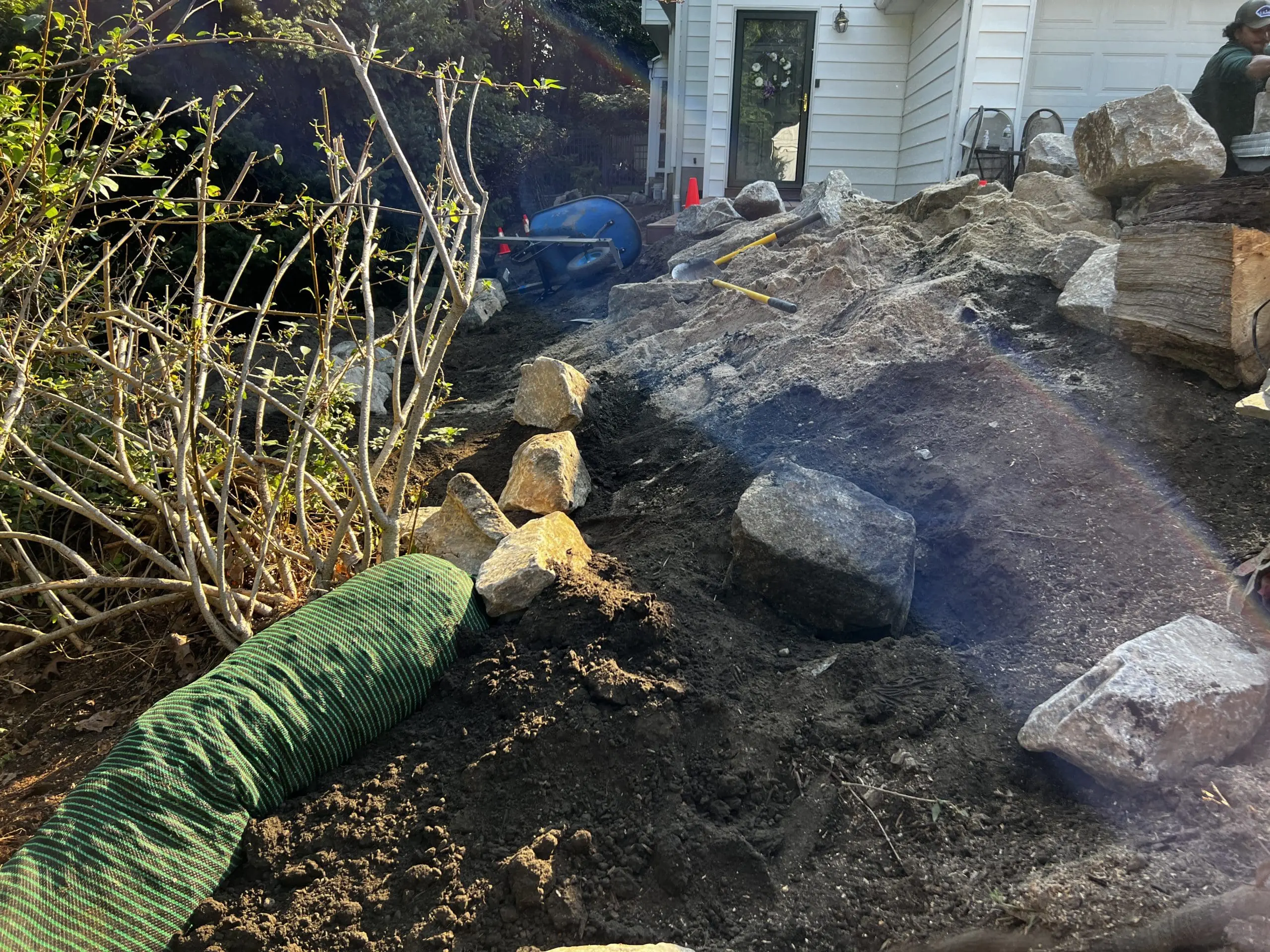
One of our first projects in New Jersey was an extreme slope remediation and erosion control project in Old Tappan, NJ.  Read more about the project here.

Follow Us

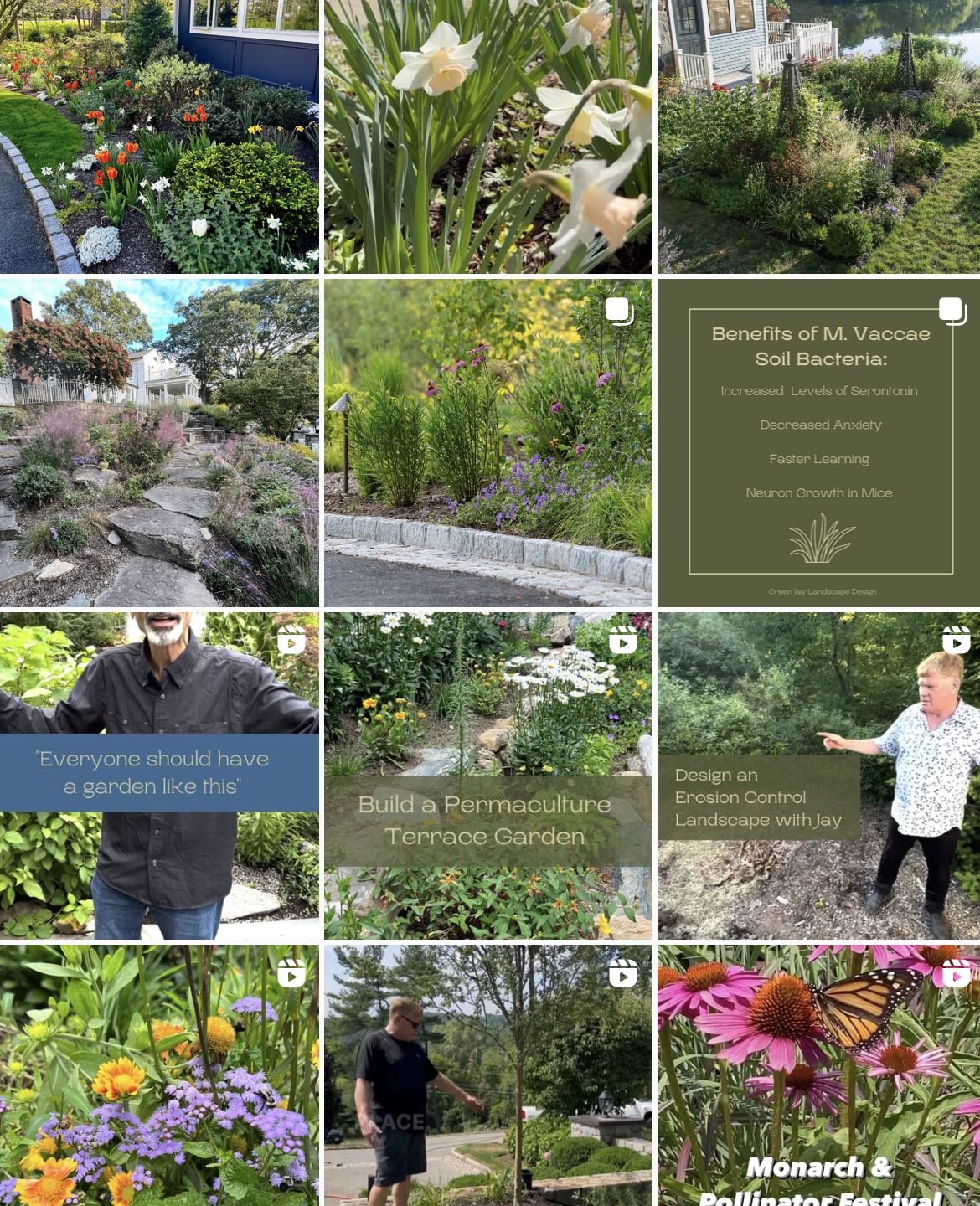
We invite you to follow us on Instagram for behind-the-scenes content, events, tips, and most recent project footage. Our blog  is regularly updated with landscape design and construction project summaries, ecological education posts, and more!

Contact Us

We are currently scheduling on-site professional consultations and queuing up landscape design and construction work for 2023. Contact us  to discuss your project.

—

Green Jay Landscape Design
Where Design Meets Ecology

914-560-6570
Filed Under: Featured Article Tagged With: Bergen County NJ, ecological landscape design, ecological landscaping, FAIRFIELD COUNTY CT, landscape construction, landscape design, landscape designer, native landscaping, native plants, natural landscaping, Westchester County NY

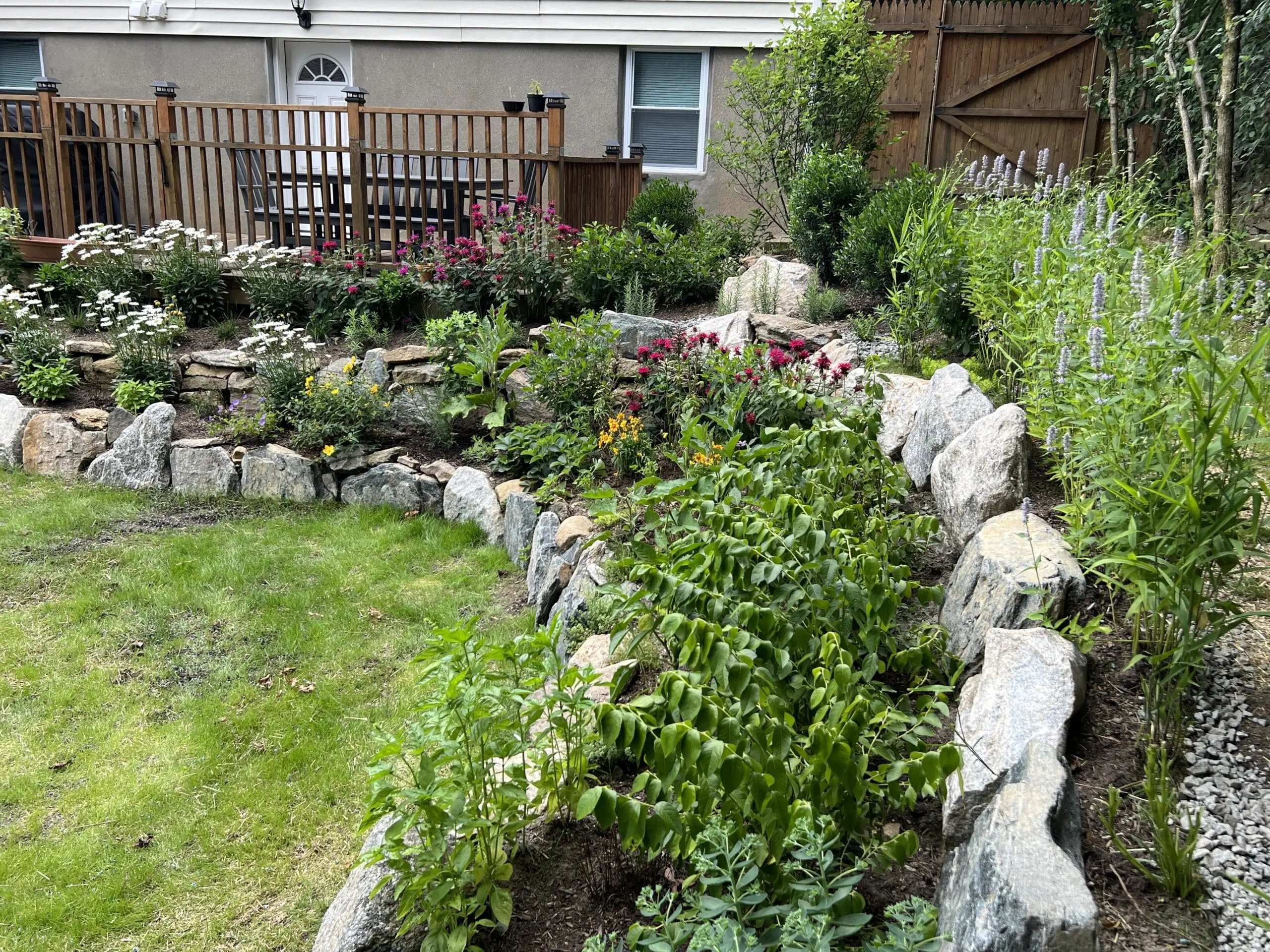
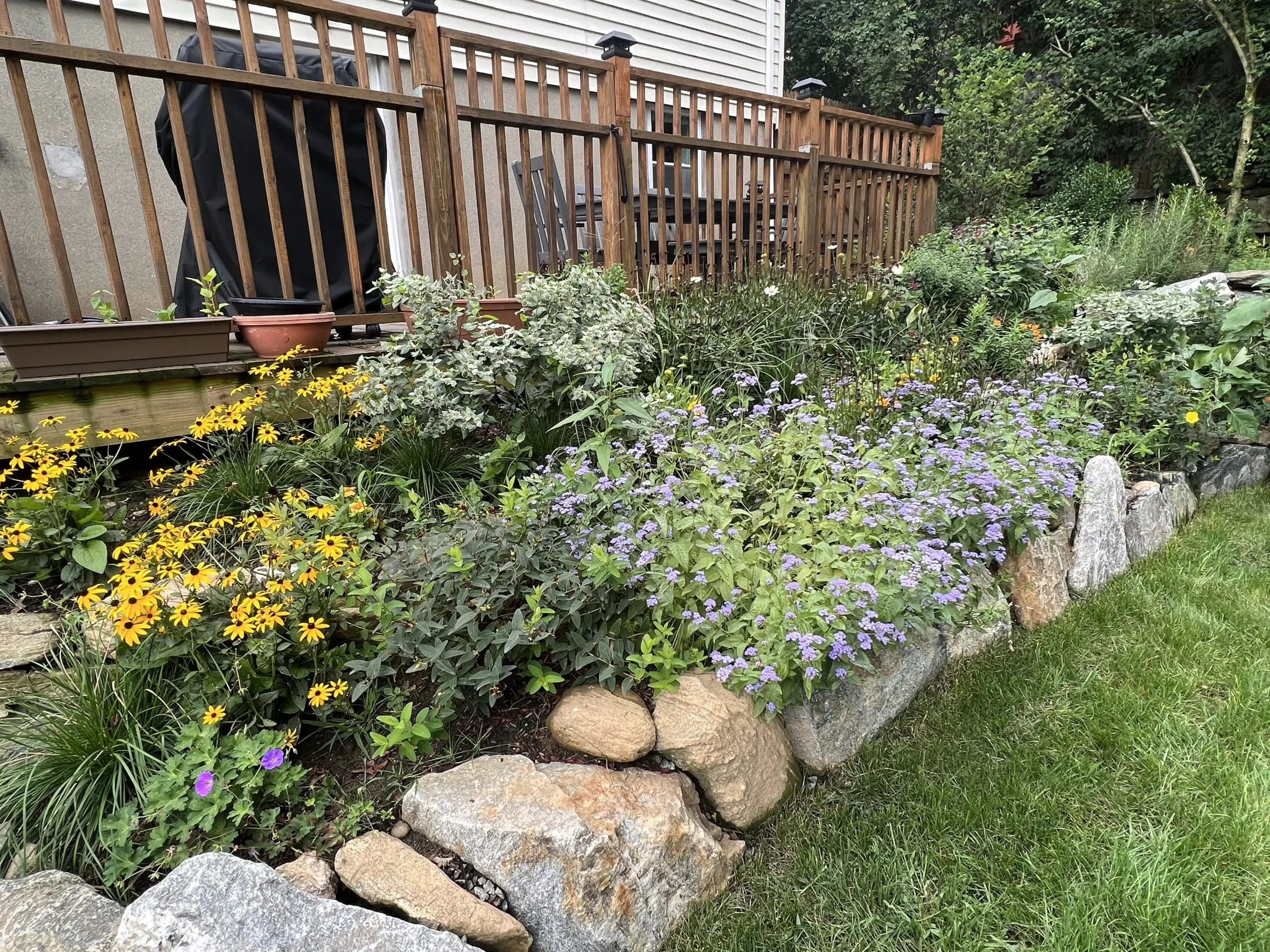
First year garden terraces in September. Native perennials for pollinators bloom for weeks.

Newly planted garden terraces with a mixture of native perennials and annual vegetables.

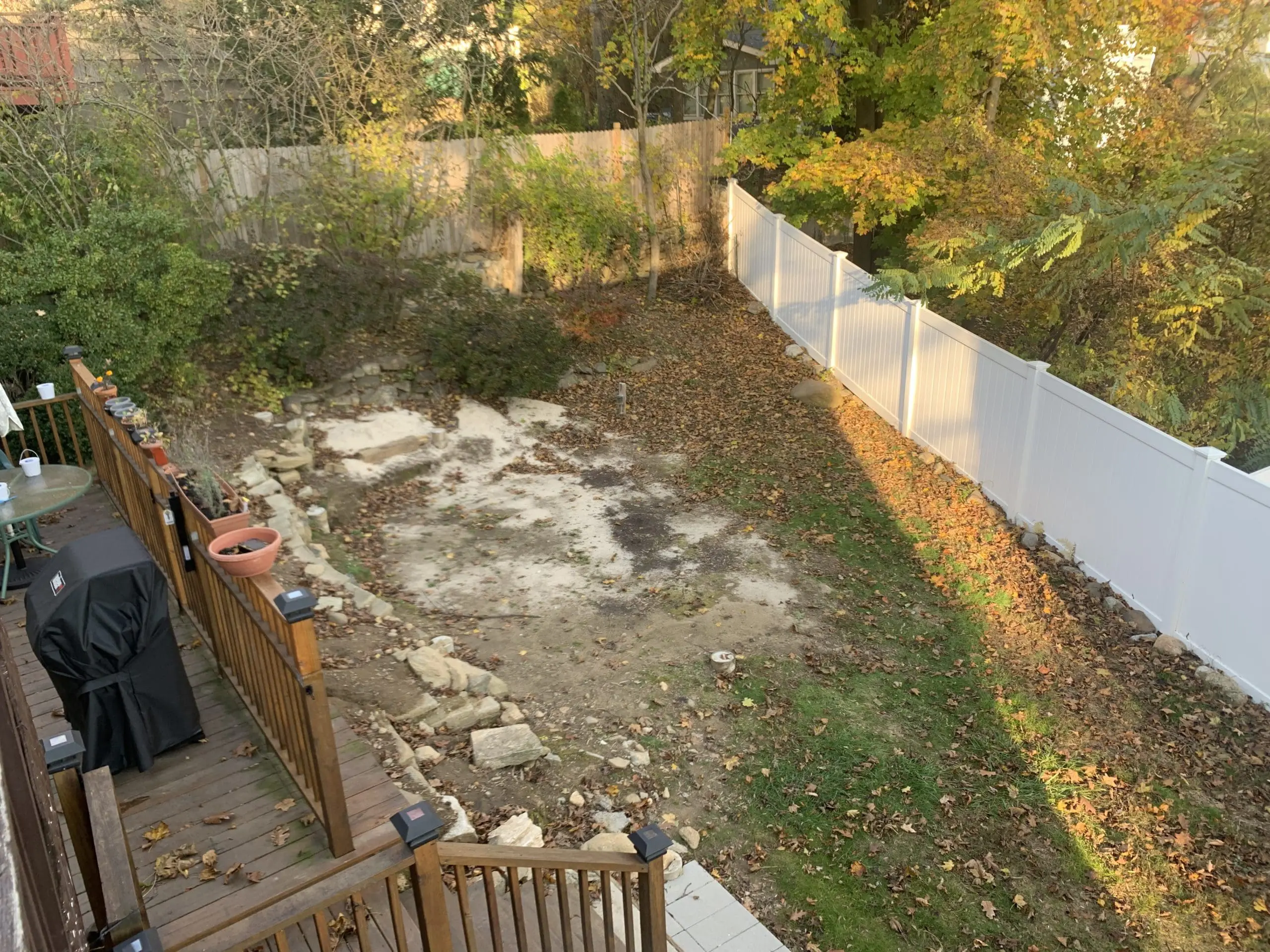
Buying a home comes with the remnants of the previous owners’ personality – the good, the bad, and the different. In this case, an above ground pool was put in by the previous owner but did not fit with our client’s young family and lifestyle. The pool was removed, leaving an awkward space between the deck (that used to step out directly into the pool) and the rest of the back yard.

BEFORE PHOTO: sand and concrete are remnants of the above ground pool.

Site Analysis Guides Landscape Design

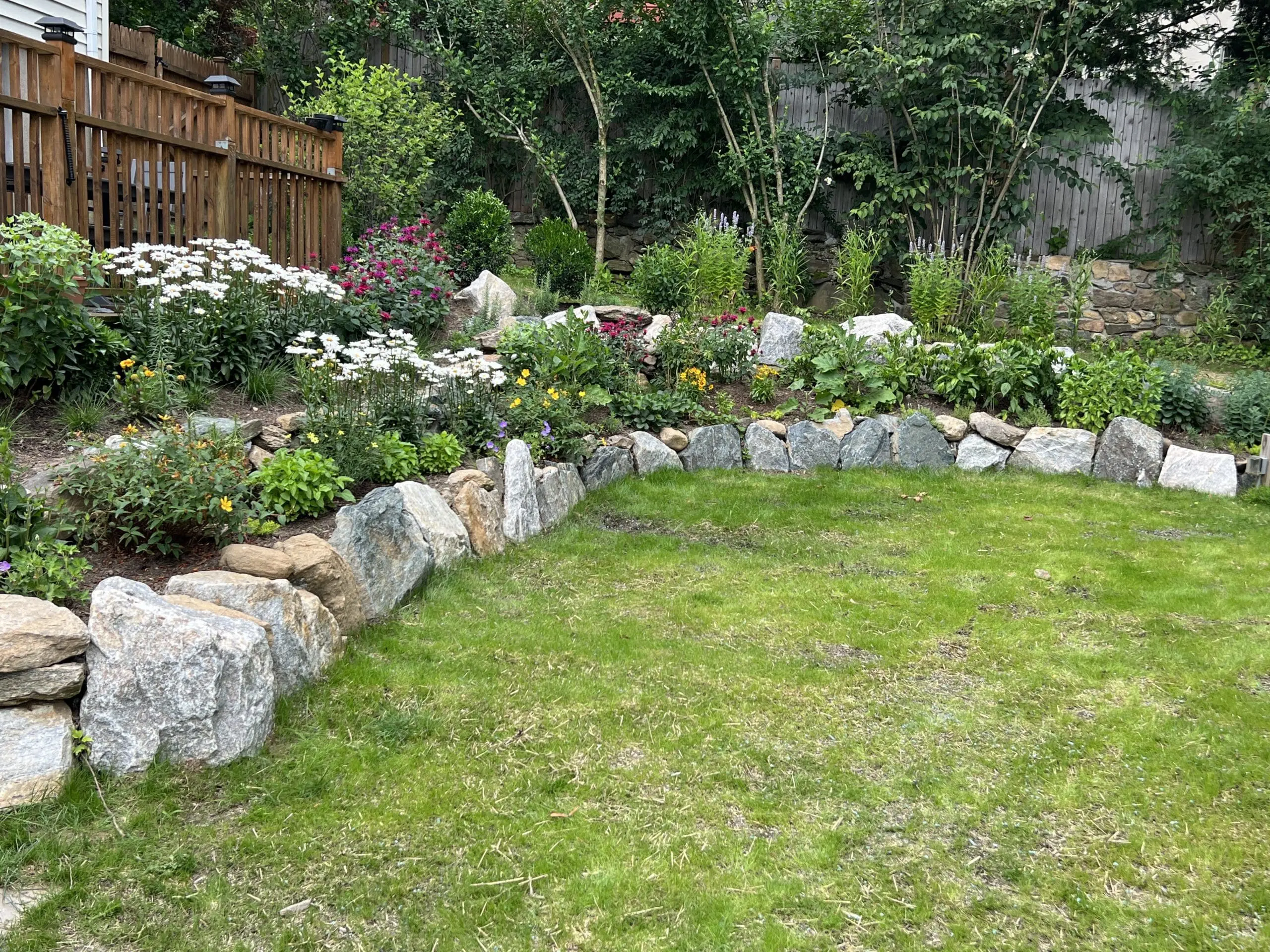
While observing the site in person, it became clear that the grade change between the deck and lawn would lend itself perfectly to two garden terraces. Boulders would retain the terrace layers, adding a naturalistic aesthetic to the garden.

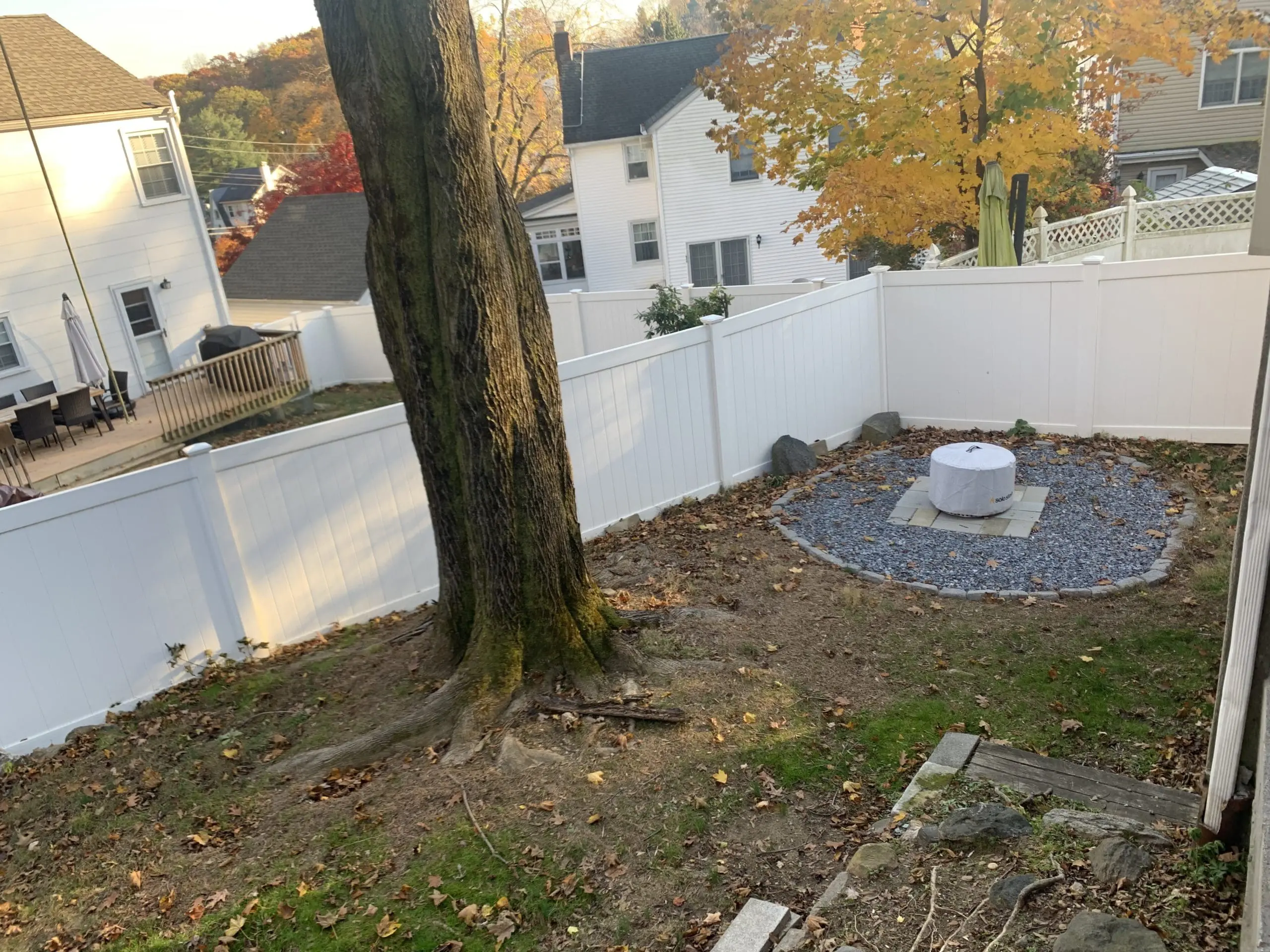
BEFORE PHOTO: wrap around white fencing and nearby neighbors left much to be desired for backyard privacy.

A few other problem areas expressed by the client during the professional consultation also needed to be solved through the design. The close quartered neighborhood in Dobbs Ferry had lots of fence real estate, and the neighbors’ homes felt imposing and close.

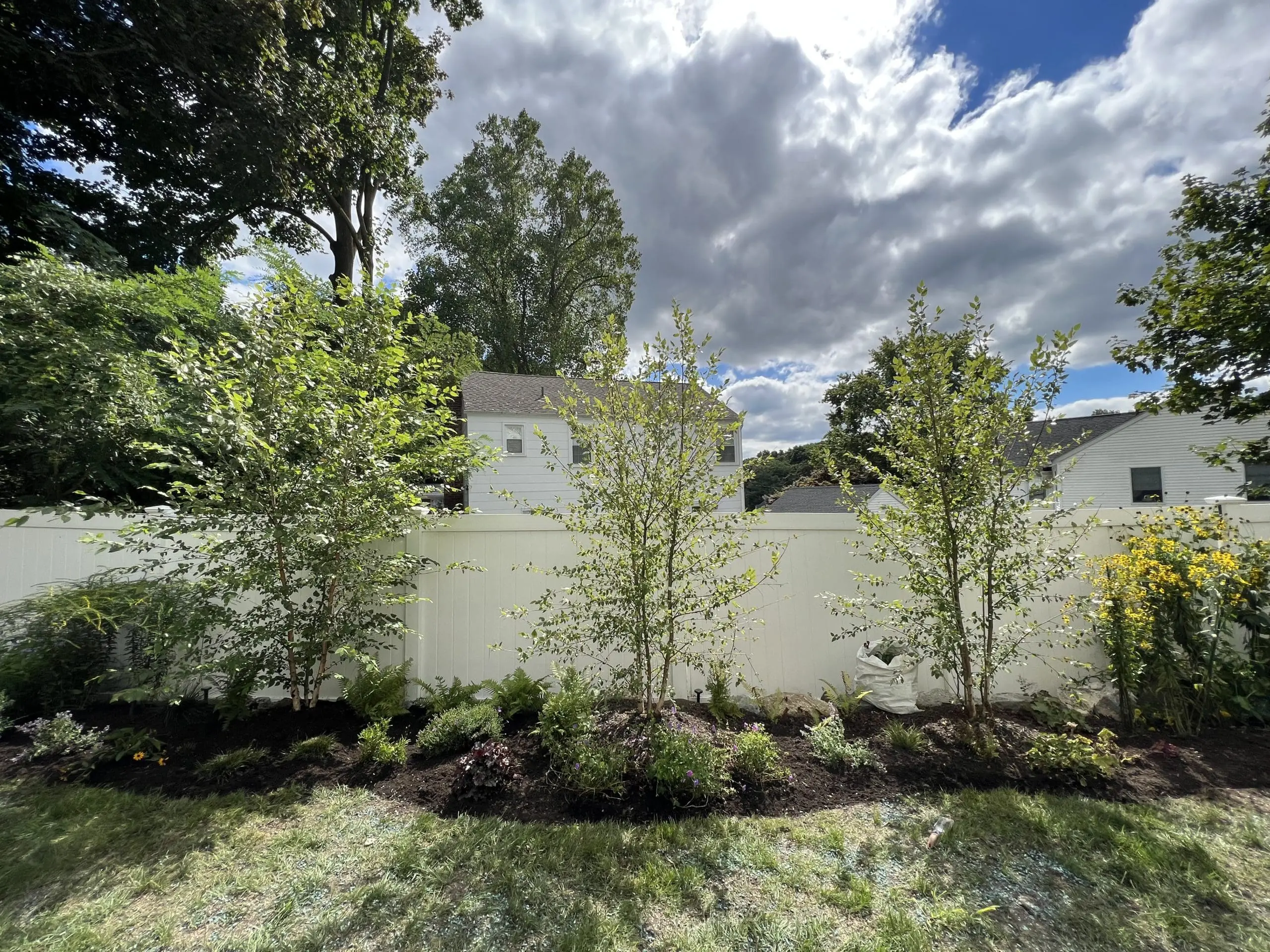
New border garden mixes River Birches with tall perennials for maximum coverage of the fence.

We decided a border garden along the white fence, featuring three River Birches and a native perennial underplanting, would disguise both the fence and the neighbors’ homes. The new garden along the fence creates habitat for pollinators and acts as a focal point from the deck entertaining area.

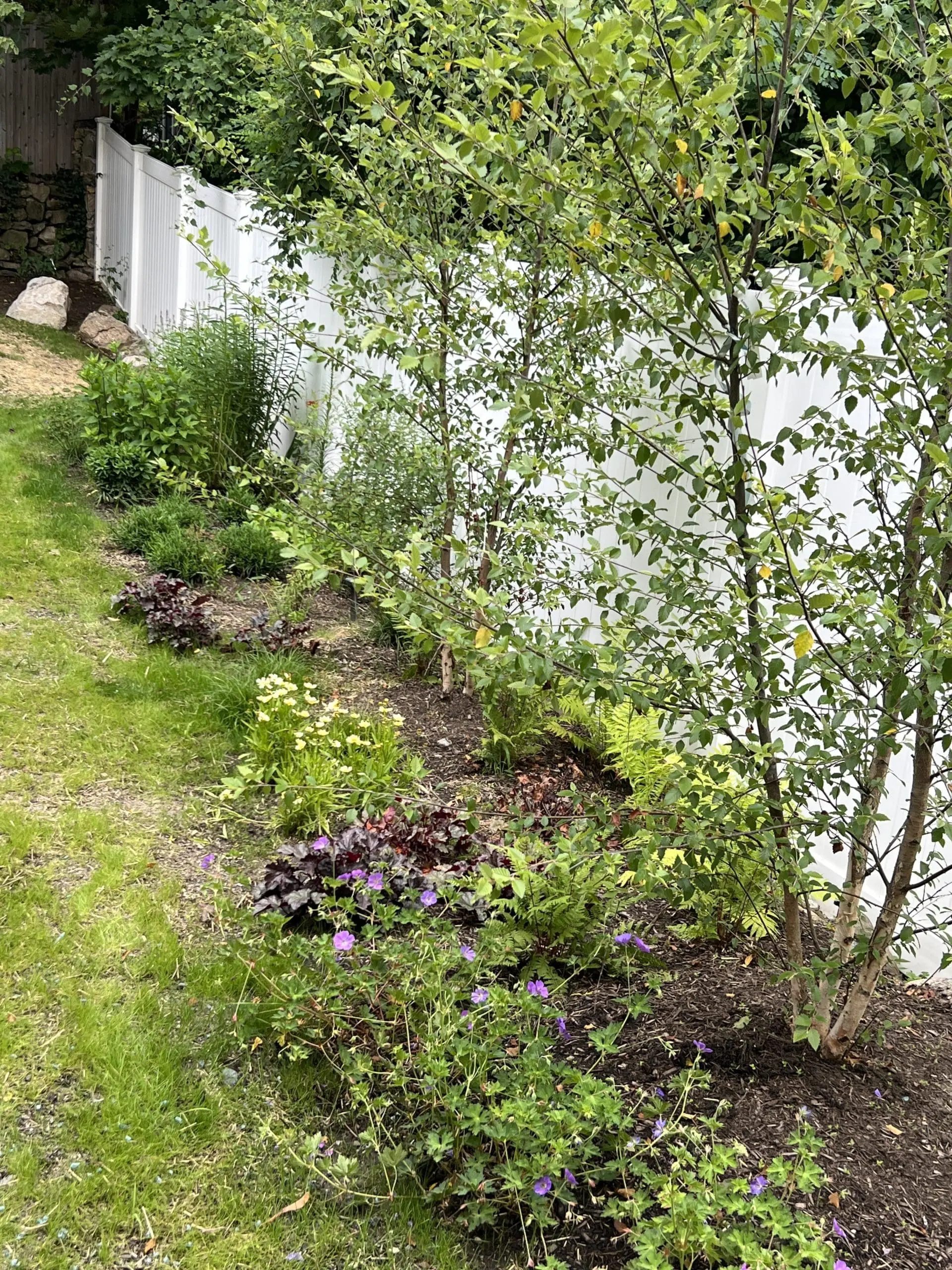
Underplant birches with Geraniums and maroon Coral Bells for low maintenance, long lasting color.

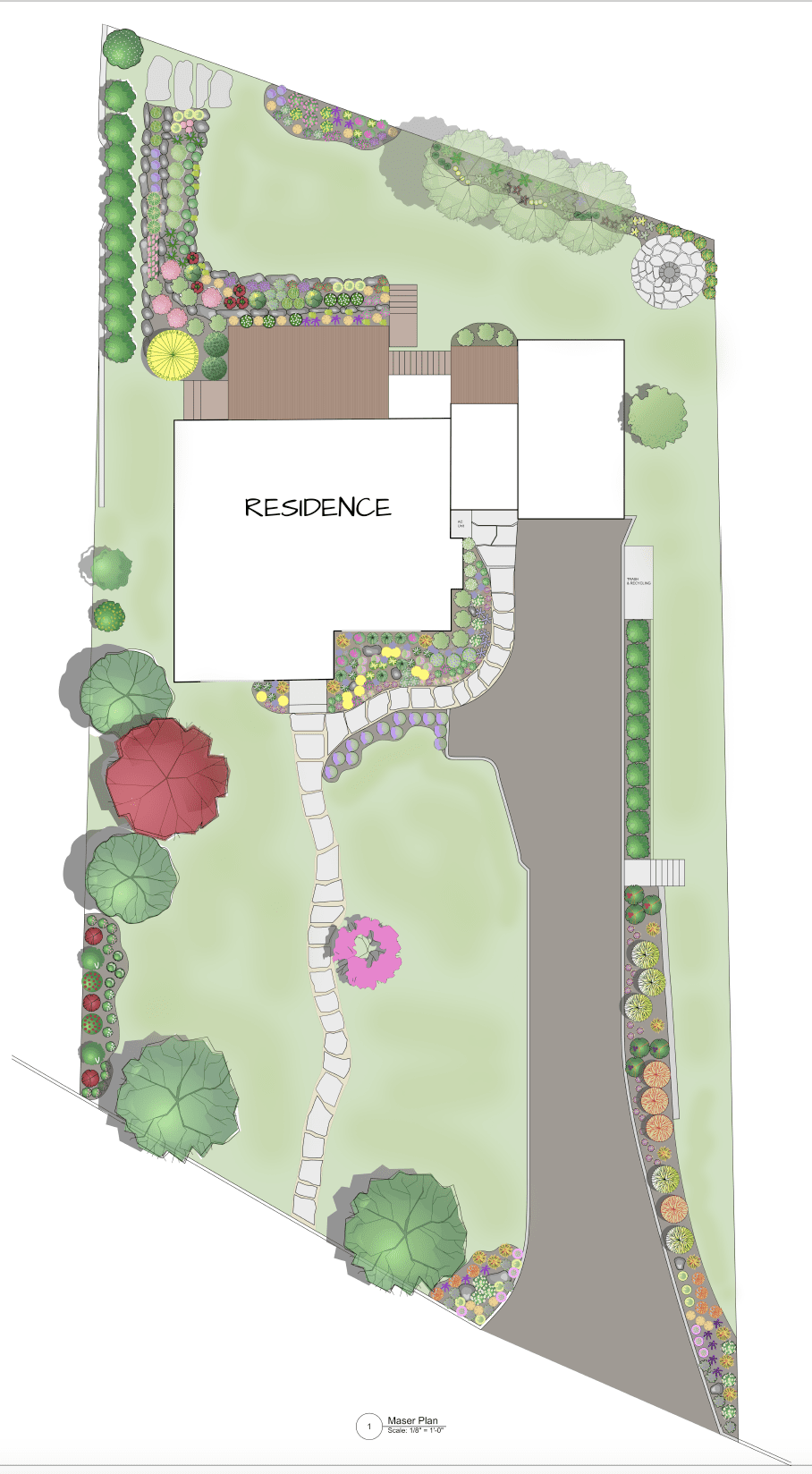
Landscape Design Master Plan can be executed in phases.

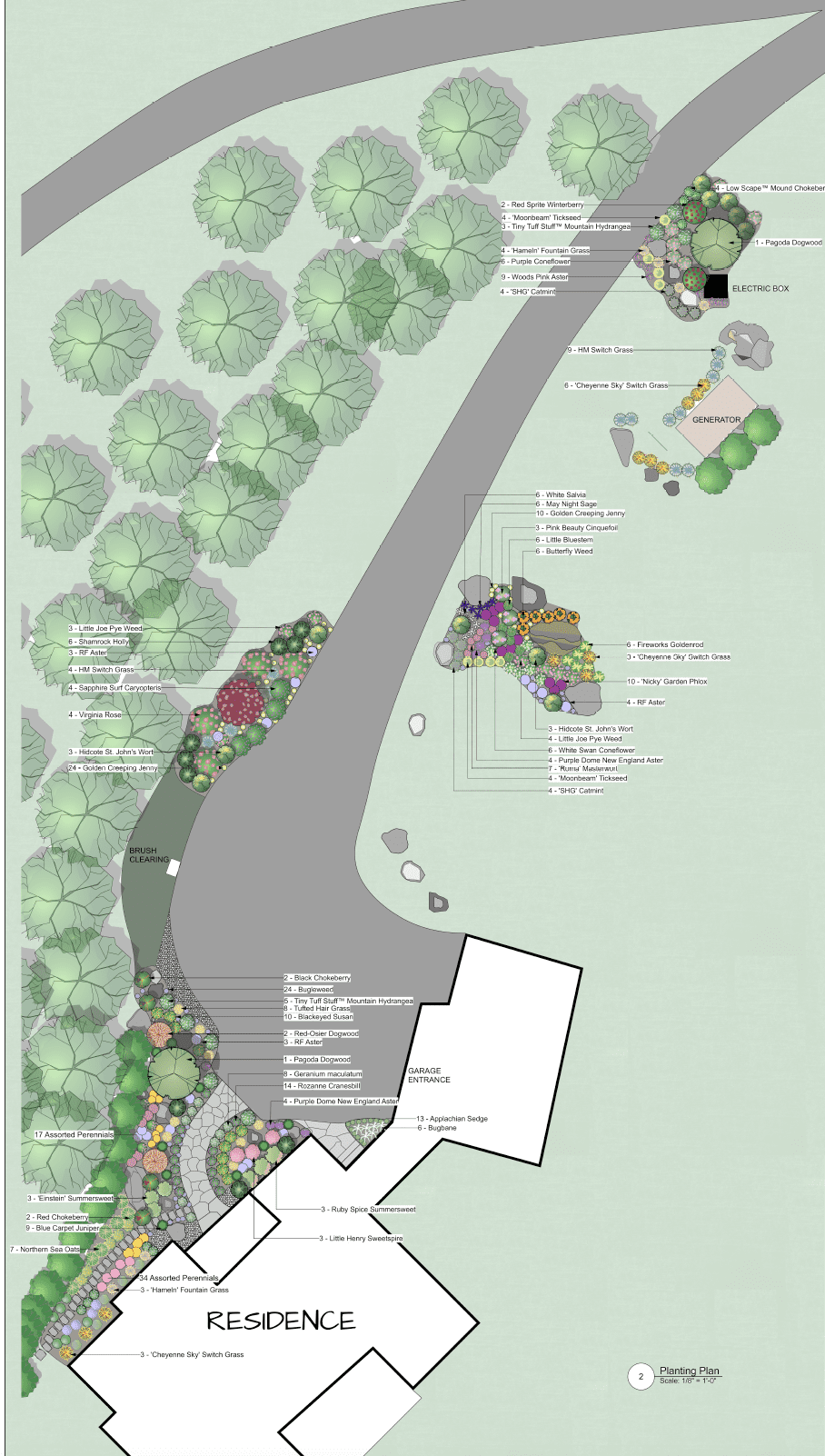
All these design ideas were flushed out in a Landscape Design Master Plan – a full color, ready-to-build planting plan that communicates the design to the client and guides our installation.

Combining Vegetables & Pollinator Plants for a Permaculture Approach

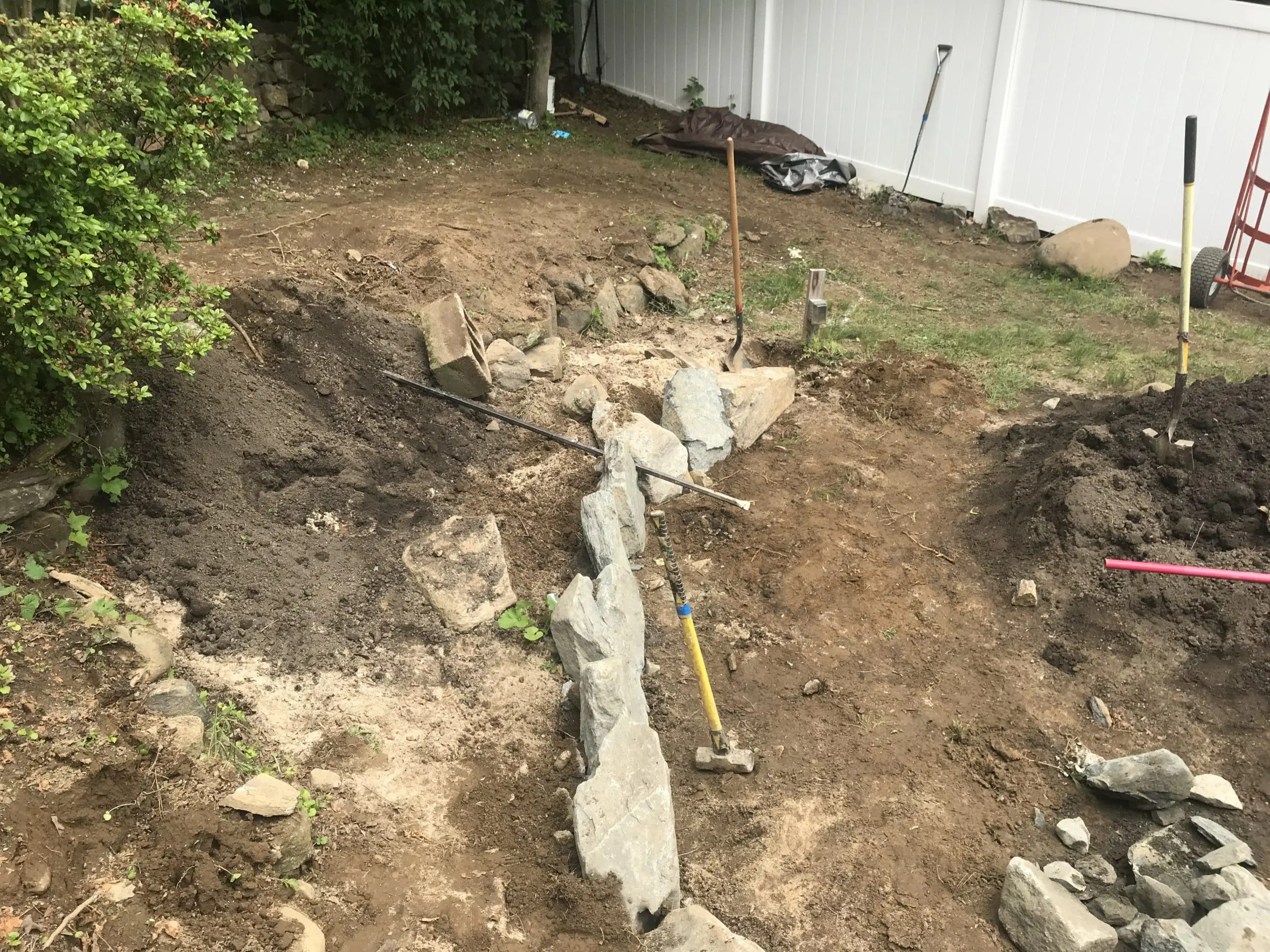
Process shot: GJLD masons construct a two-tier garden terrace with boulders.

Process shot: constructing garden terraces and a natural stone staircase.

The terrace planting was designed as both a pollinator habitat and a vegetable garden. Planting these groups in proximity brings more pollination to fruit and vegetable crops, increasing yields. Planting scented herbs next to vegetables helps deter pests. Some perennials like Lupines and others in the Pea family naturally fix nitrogen in the soil to a plant-available form.

Early July plant palette for pollinators: Bee Balm, Daisies and Tickseed.

The backyard habitat planting features a sequence of mostly native flowering perennials and shrubs, chosen for their high ecological impact, long bloom time, and relative low-maintenance.

The foreground features vegetables and herbs while the second tier features long-blooming perennials for pollinators.

Here’s a sampling of the plant palette used in the backyard, according to bloom time / season of interest

Spring: Lady’s Mantle, Coral Bells, Spicebush, Sweetspire, Viburnum

Summer: Summersweet, Tickseed, Butterflyweed, Shasta Daisy, Blazing Star, Sneezeweed

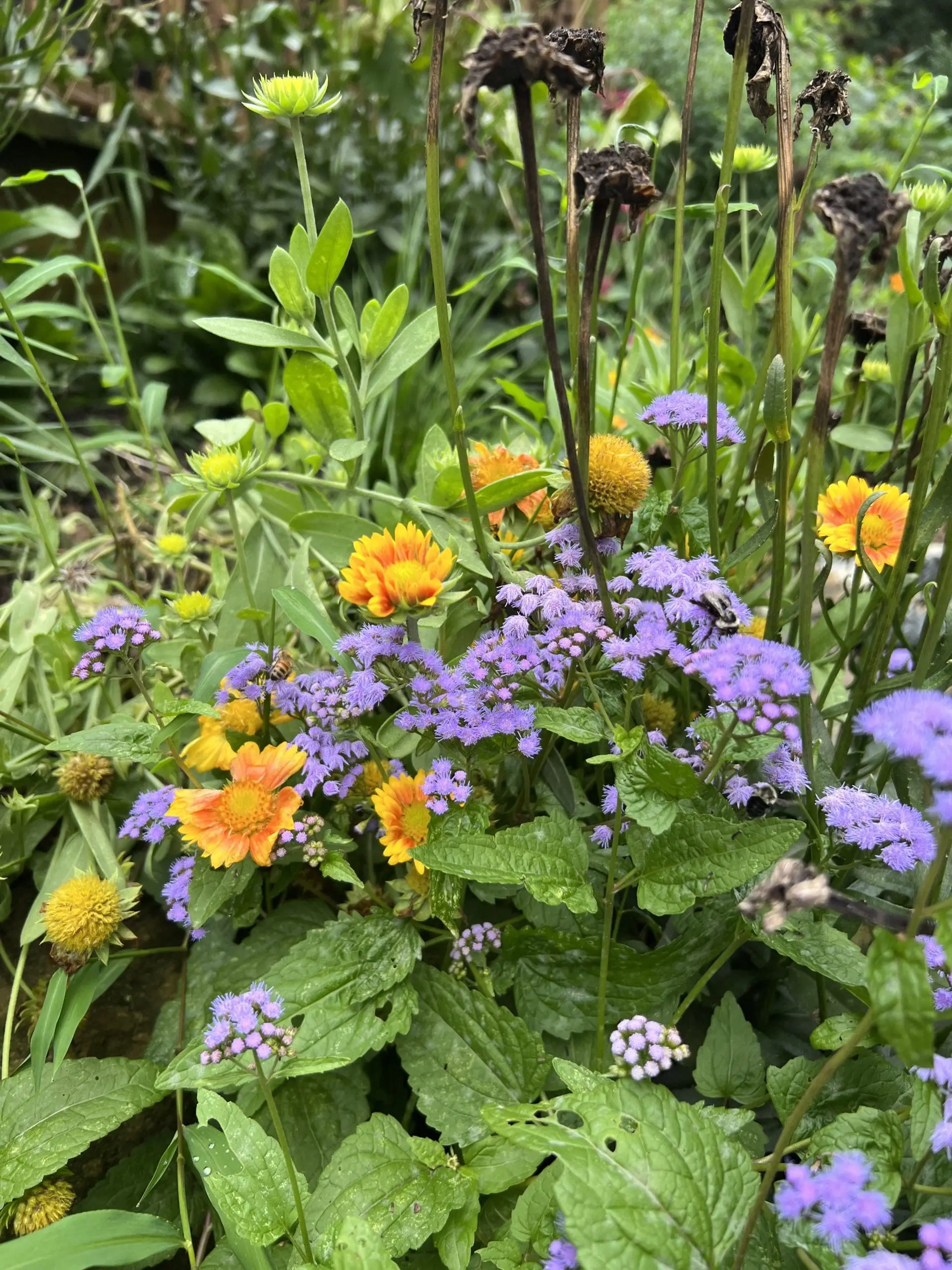
September native garden blooms featuring: Tickseed and Blue Mistflower.

Fall: Asters, Bluemist Flower, Joe Pye Weed, Goldenrod, Oxeye Sunflower, Blackeyed Susan, Prairie Dropseed, Northern Sea Oats

Winter: Chokeberry, Prairie Dropseed, Northern Sea Oats

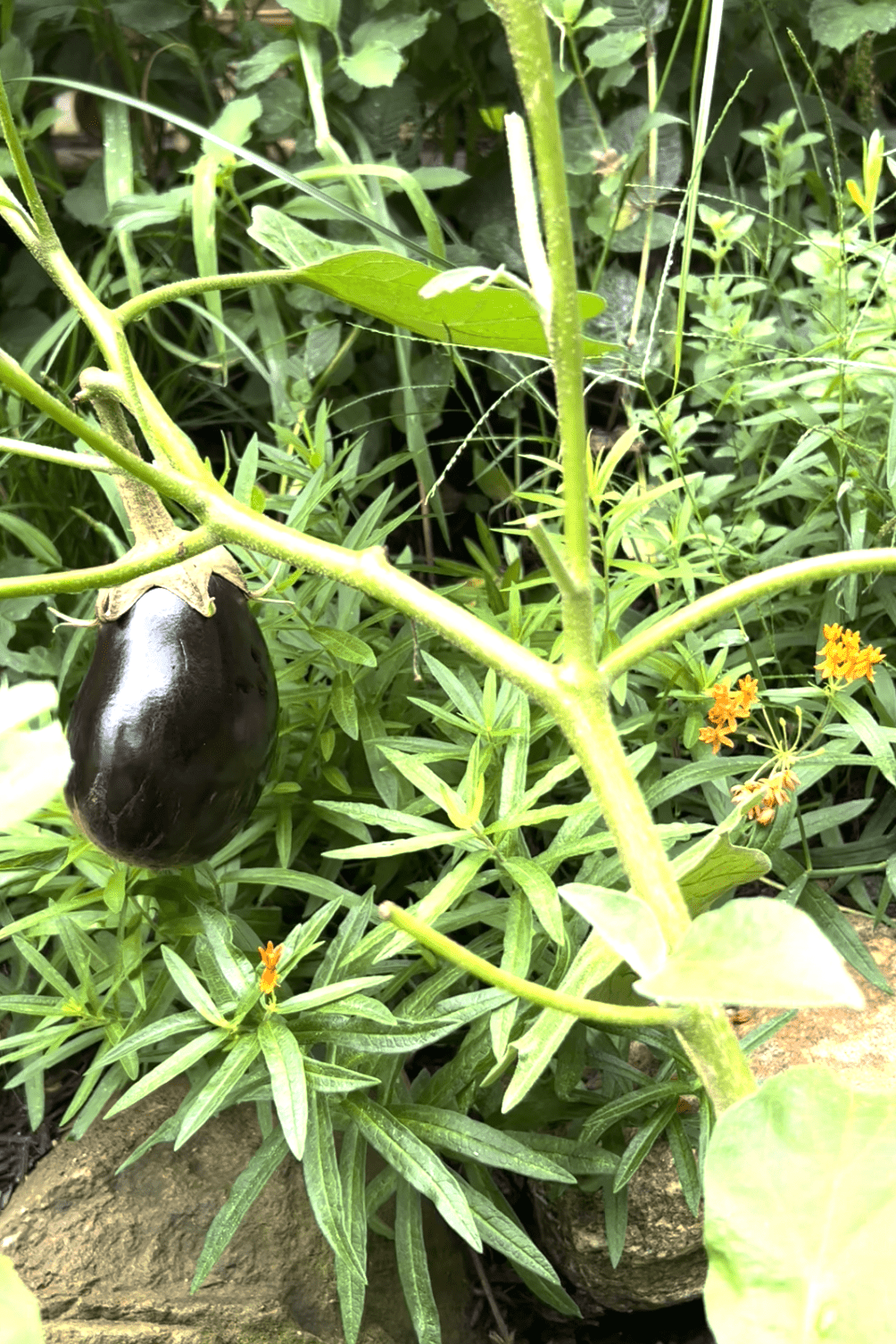
Eggplant is interplanted in the garden, shown here with Butterflyweed.

Intertwined with the shrubs and perennials in the terrace garden, the client planted a selection of annual vegetables – eggplant, pepper, tomatoes, basil, strawberry.

Rosemary and blueberries are also great additions as edible perennials and shrubs, respectively.

Functional Masonry

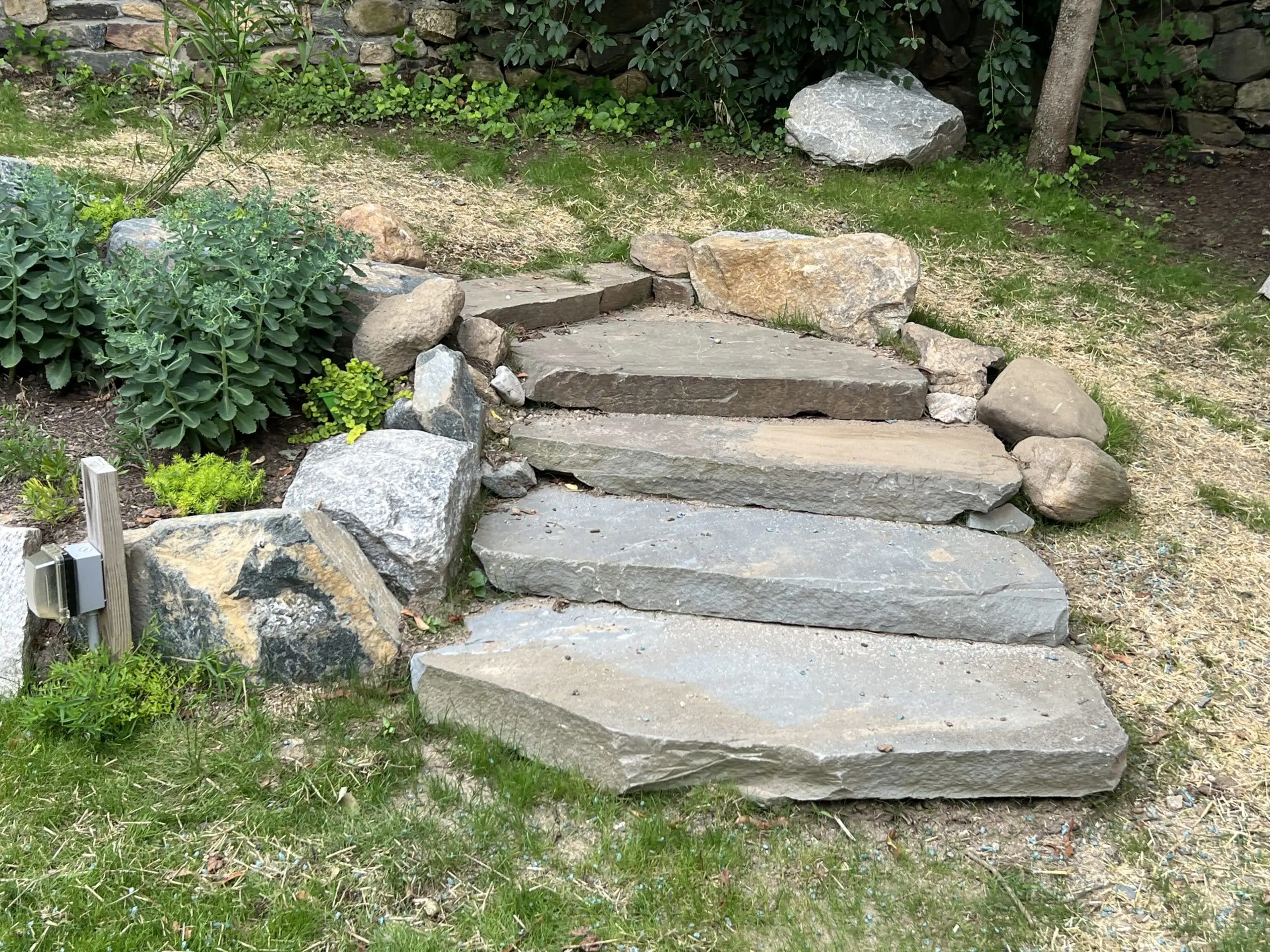
Natural stone masonry with a boulder rail navigates the transition from the lower lawn to the behind the terraces.

 To navigate around the terraces from the front yard to the backyard, the grade change was managed with a few natural stone steppers. The steps visually integrate with the boulder terraces and make the slope accessible. A section next to the steps was intentionally left as lawn to easily maneuver the lawnmower from front to back yard. This is an example of how thoughtfully siting masonry can have an outsized functional impact.

Phase Two Landscape Design

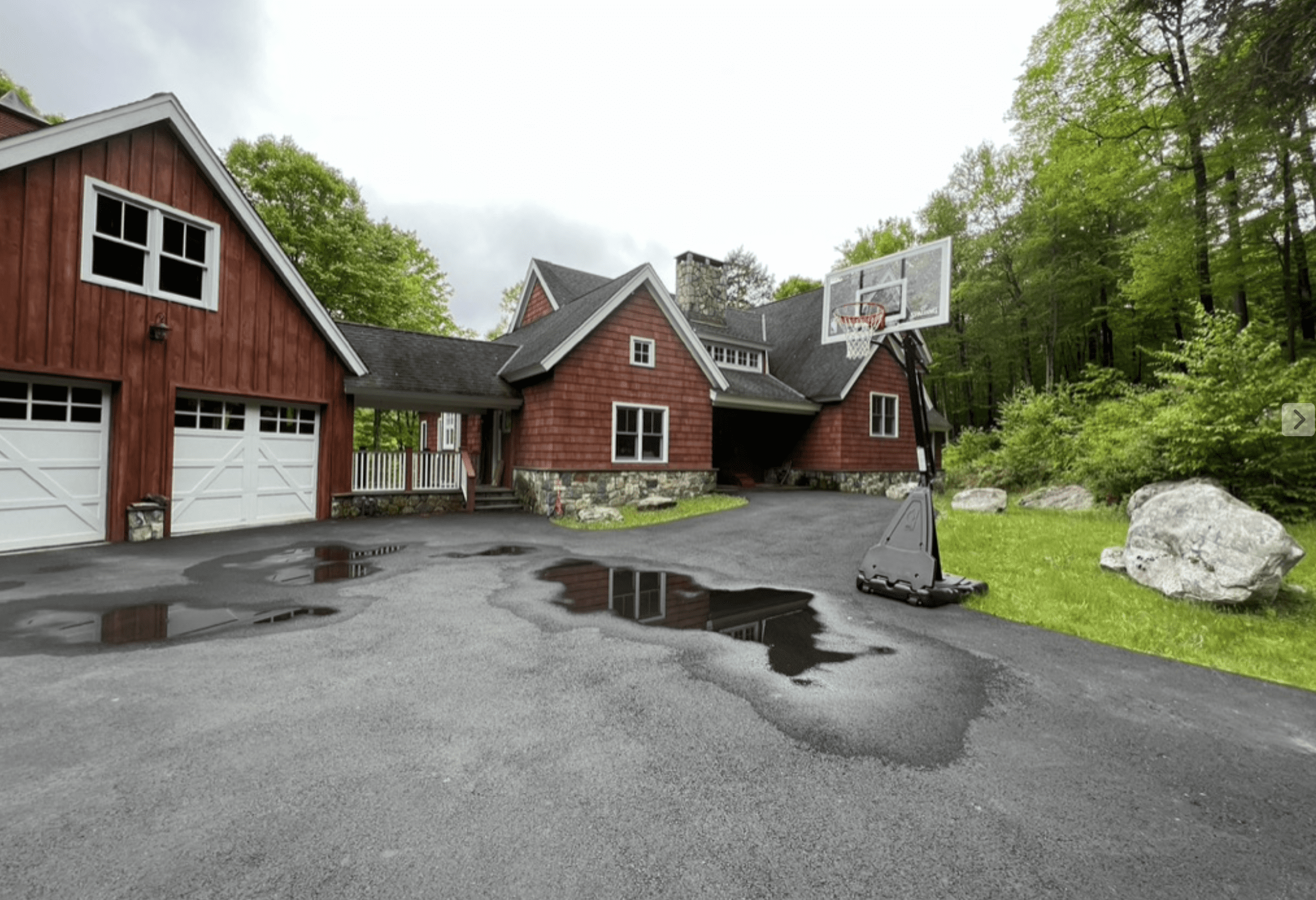
The driveway asphalt extends all the way to the house, making the side entrance awkward.

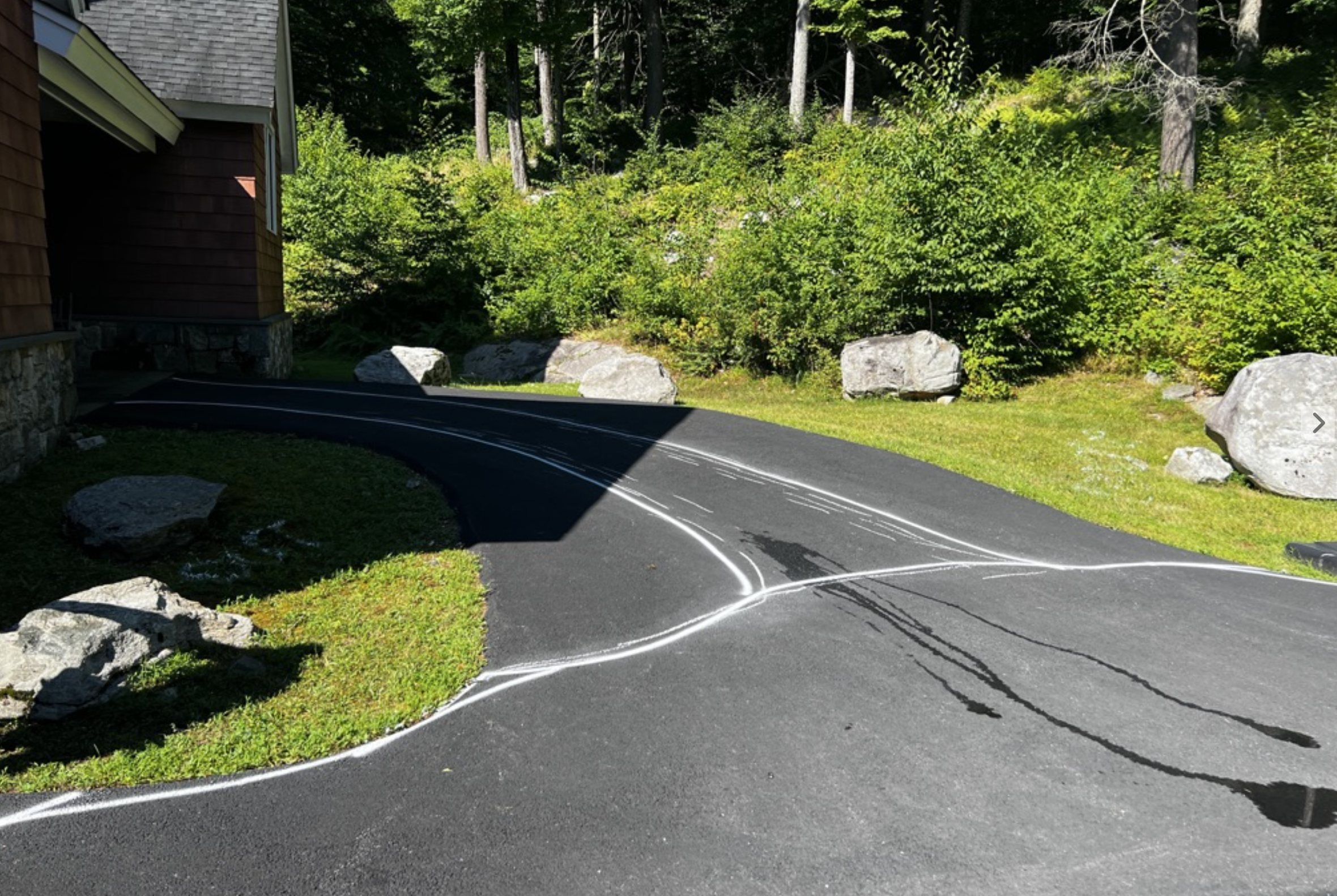
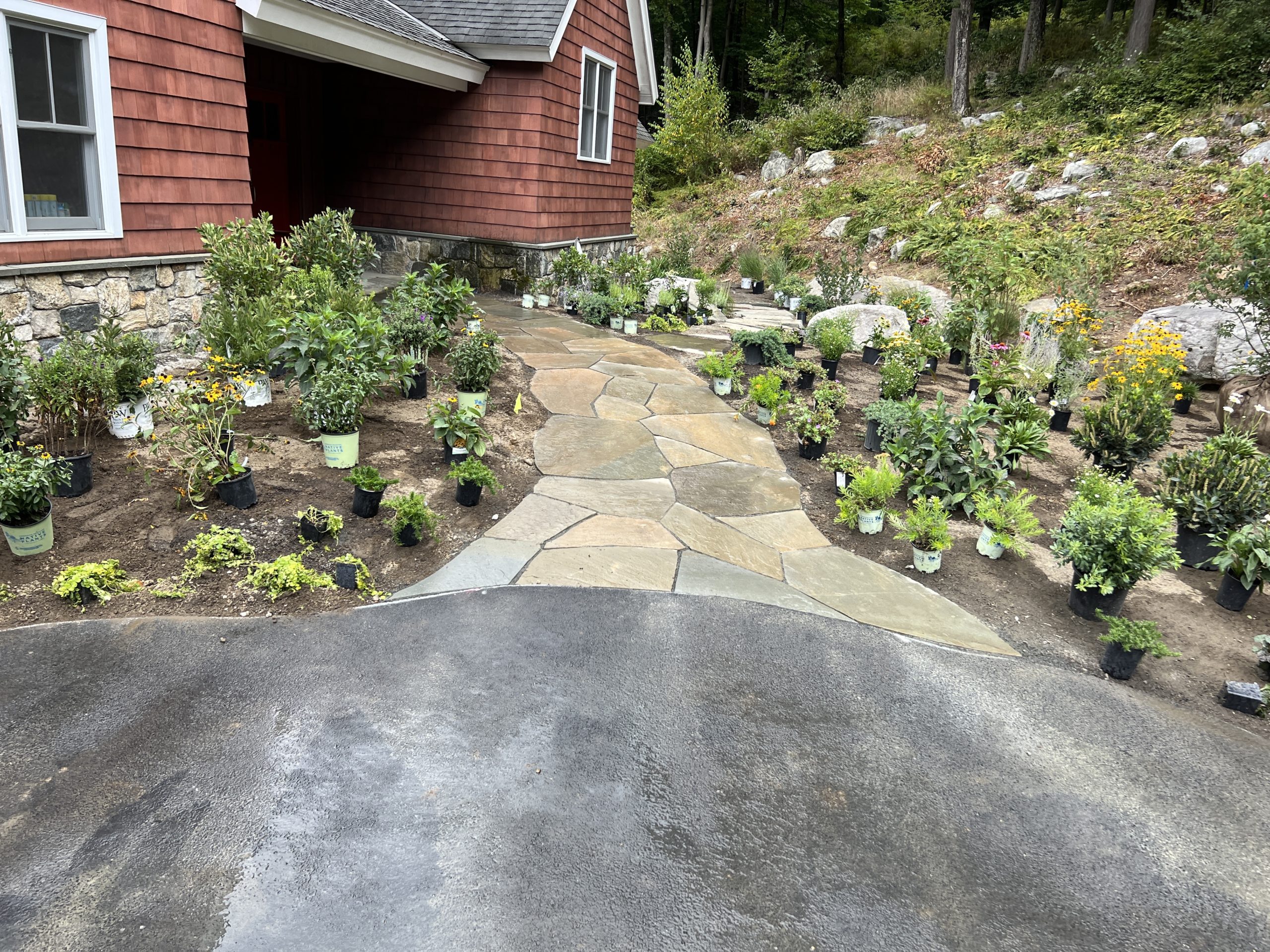
The front yard, which the clients decided to postpone for Phase Two, will involve removing excess asphalt in the driveway to allow for a re-imagined natural stone front walkway and side entrance landing. This construction will have the added benefit of solving a landscape drainage issue.

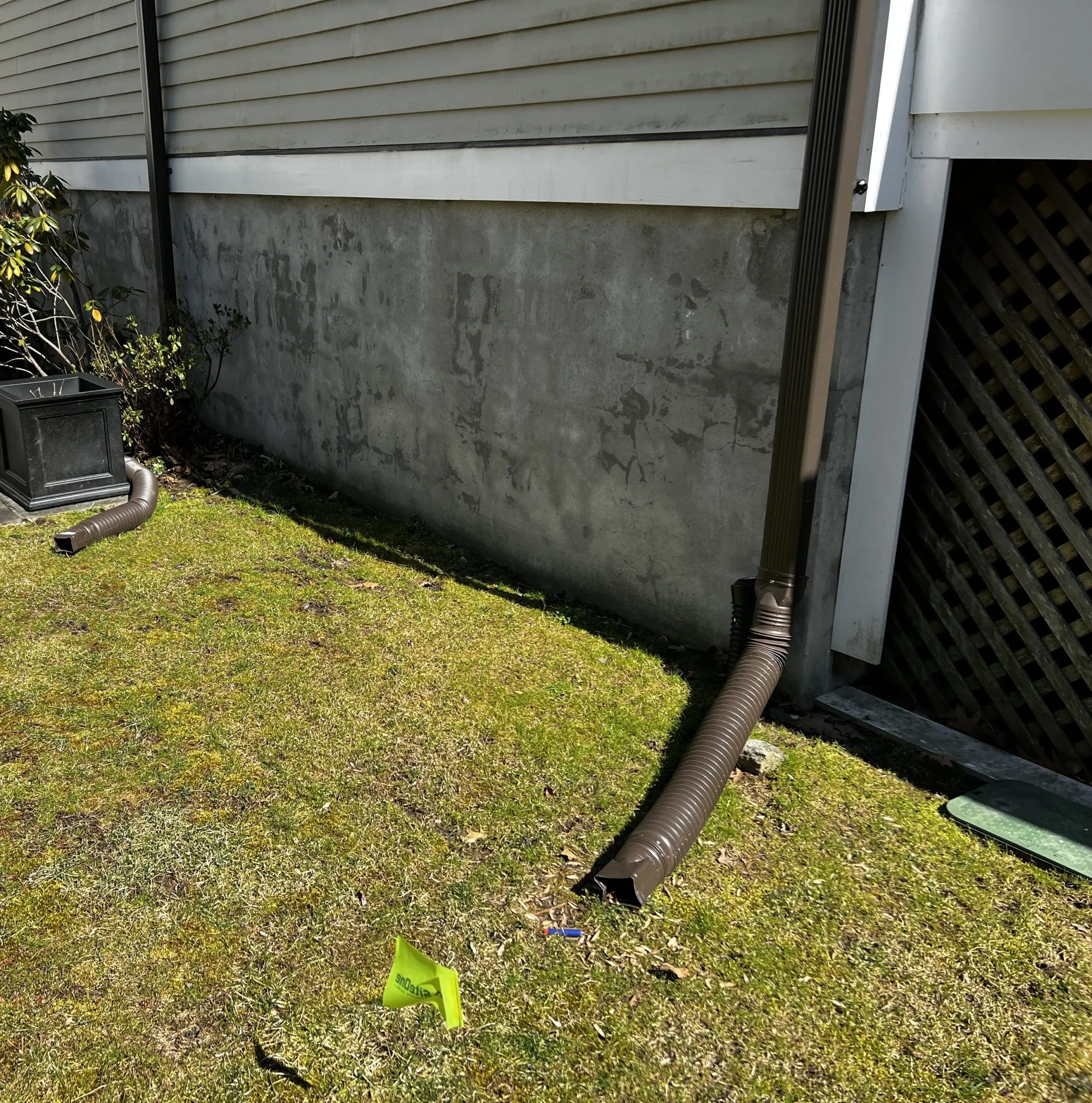
Currently, the gutter leader spills out onto the driveway, freezing in the winter and creating a hazardous area. By removing the asphalt, we can bury the pipe and allow the stormwater to recharge the ground aquifer instead. We will then construct the new masonry on top of the pipe. Perennial gardens will sweep both sides of the new front walkway, giving the home the colorful entrance it deserves.

Contact us to start your Landscape Design project!

—

Green Jay Landscape Design

Where Design Meets Ecology

914-560-6570

Filed Under: Featured Work Tagged With: certified wildlife habitat, custom masonry, Dobbs Ferry, ecological landscape design, ecological landscaping, garden terrace, habitat garden, healthy yard, landscape construction, landscape design, landscape design master plan, landscape designer, native plant garden, natural landscaping, natural stone masonry, organic lawn, perennial garden, permaculture, pollinator garden, terrace garden, vegetable garden, veggie garden, Westchester county landscape design, Westchester County NY

We were hired to evaluate the landscape drainage issues at this Westchester County property, which proved to be complicated due to some peculiar construction from previous homeowners.

Analyzing the Stormwater Problem

The previous owners put an addition on the house and reconstructed the driveway to a grade that required an anti-gravity sump pump to re-route the stormwater. This complicated system often failed and led to flooding in our client’s basement and backyard. Half the backyard would have standing water for days after a large storm event.

Furthermore, gutters and leaders from the large roof emptied out onto the lawn, which can only absorb so much water.

Designing a Landscape Drainage Solution

We knew that the problem had to be addressed before it reached the sump pump, to avoid system failure. If we could divert some of the stormwater runoff from the roof into the landscape to be absorbed, the engineered sump pump system could deal with a smaller amount of runoff overall.

Diverting stormwater to a Rain Garden only works if the soil has appropriate drainage rates. Rain gardens are not bog gardens. Stormwater should drain within twenty-four hours.

Not every site is compatible as a rain garden – the soil must have sufficient drainage capacity. Heavy clay soils hold water, and do not work as rain garden sites.

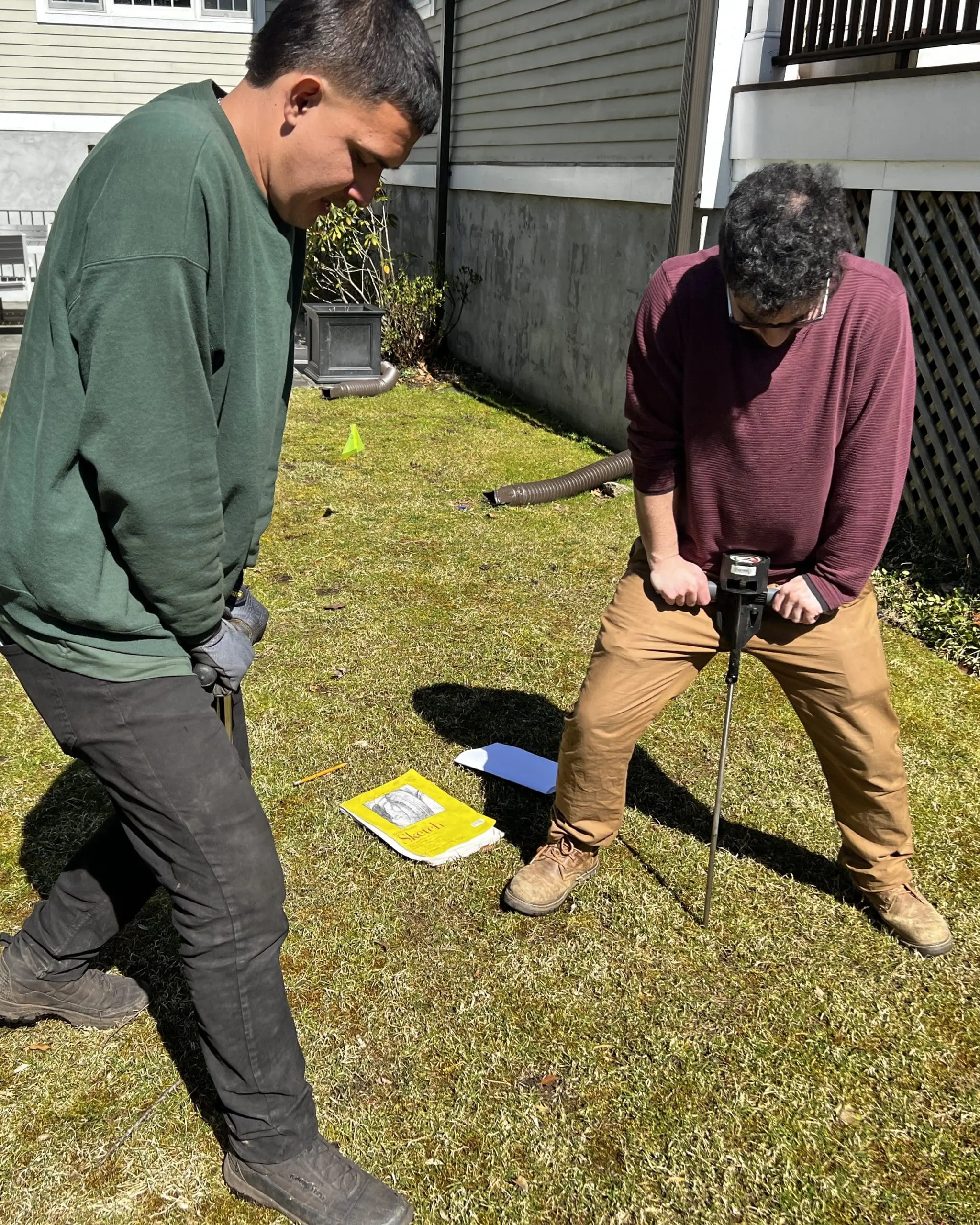
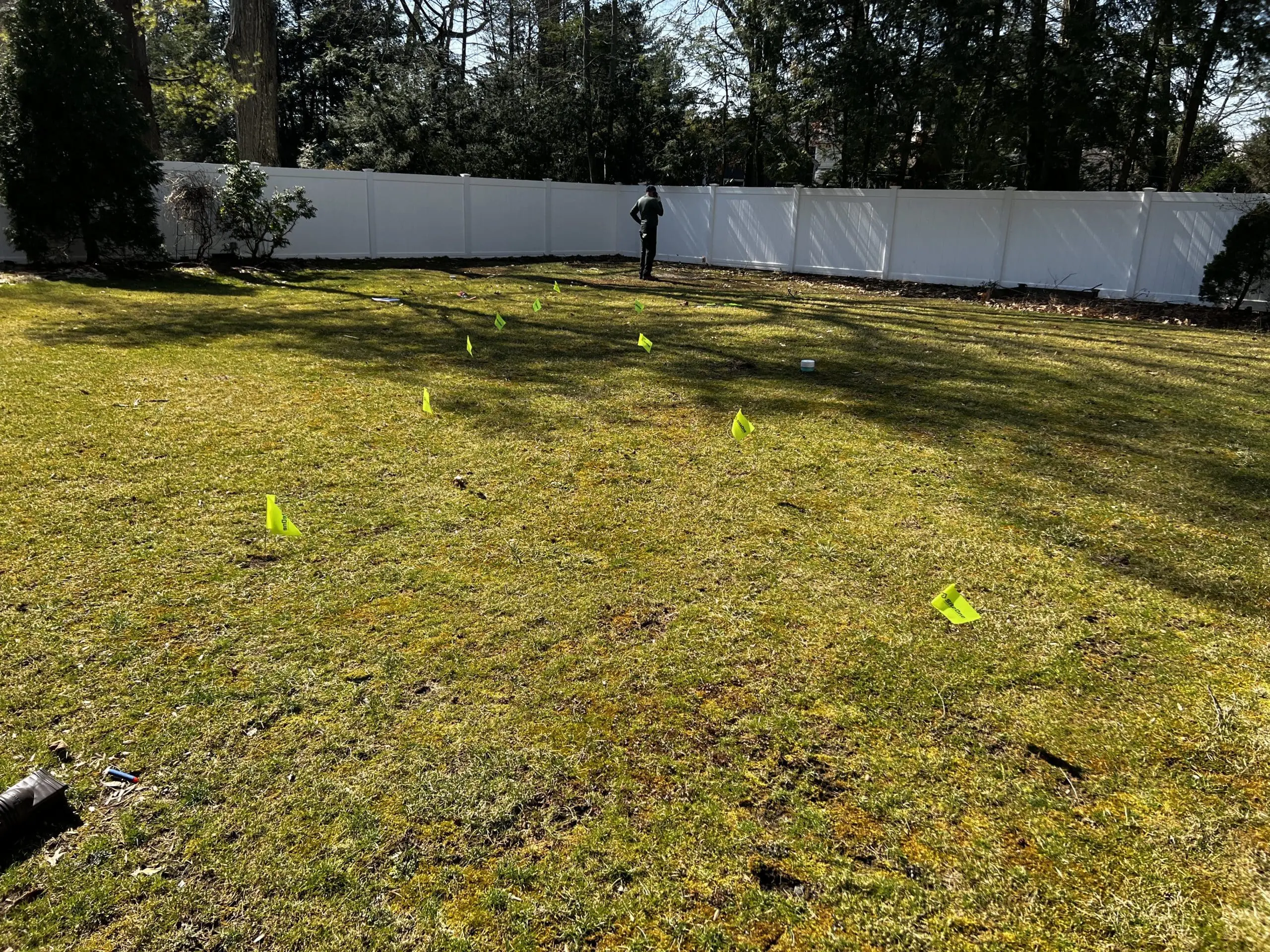
We always perform percolation tests to test the soil characteristics, as part of our site analysis for a rain garden. In the photo above, Uziel tests the soil’s compaction level.

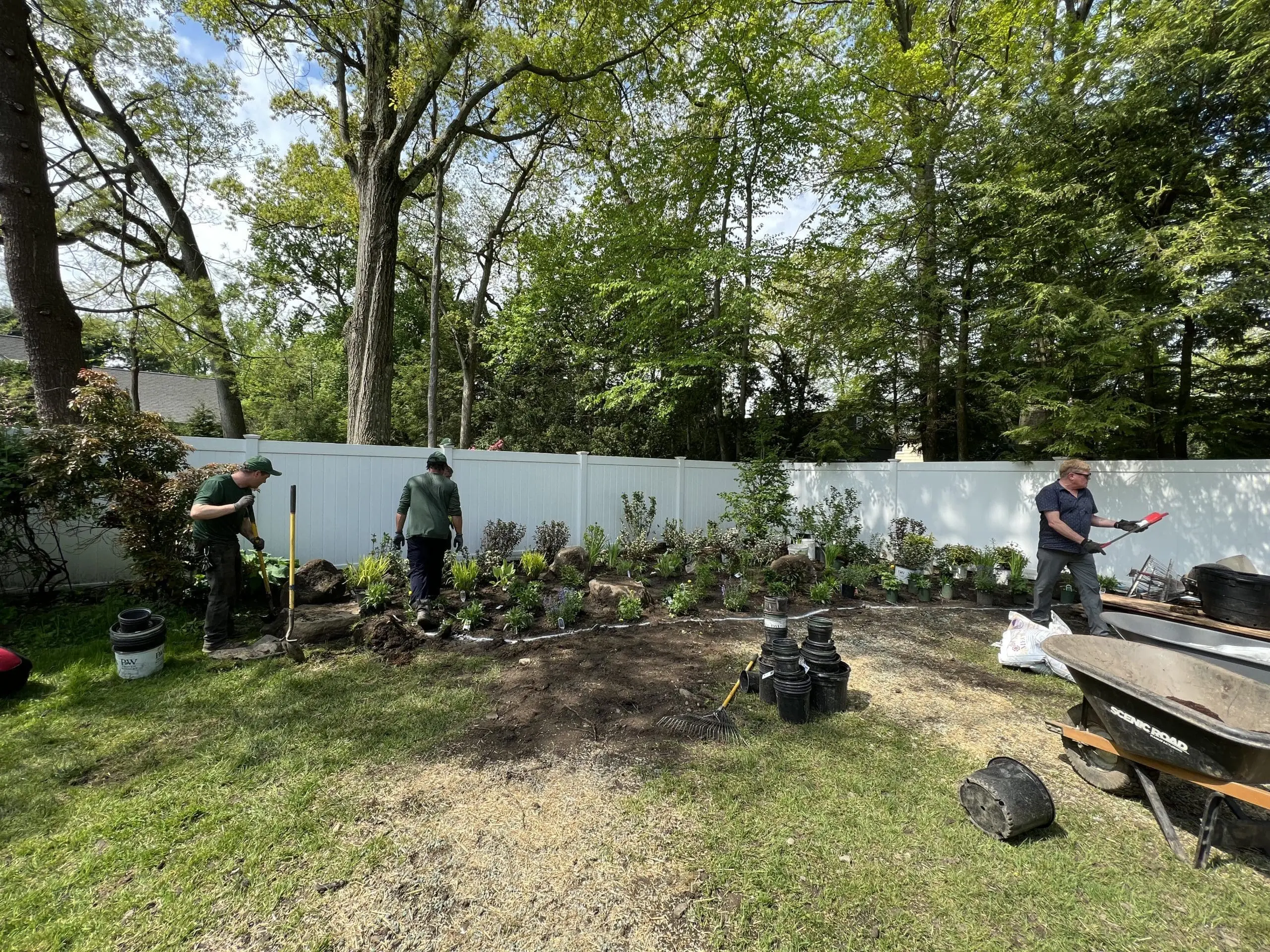
In this case, the existing soil was highly compact with a high proportion of clay. We core aerated, vertical slice seeded and applied numerous soil amendments to the lawn area, to help relieve compaction and improve drainage capacity.


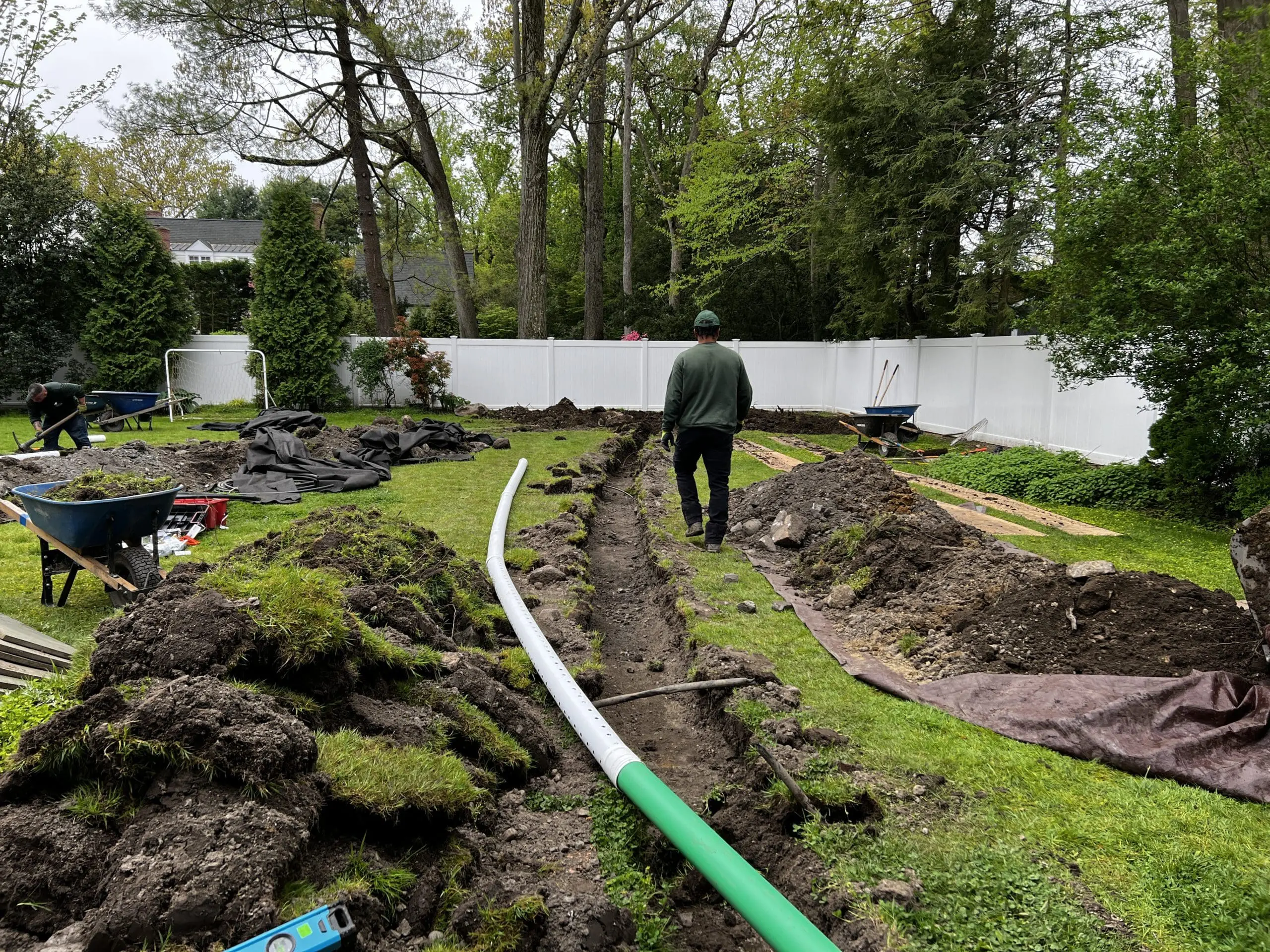
To redirect stormwater away from the house and lawn, we connected two leaders from the roof into underground pipes. We directed the pipes toward the corner of the yard into the newly designed rain garden.


The rain garden area itself was excavated and filled with topsoil with a high drainage capacity. The pipes leading  to the rain garden are perforated at the bottom, allowing stormwater to seep out over a larger area, and come up through the pipe during periods of a higher water table.

Once the water reaches the rain garden, it is dispersed and absorbed by plants’ roots.

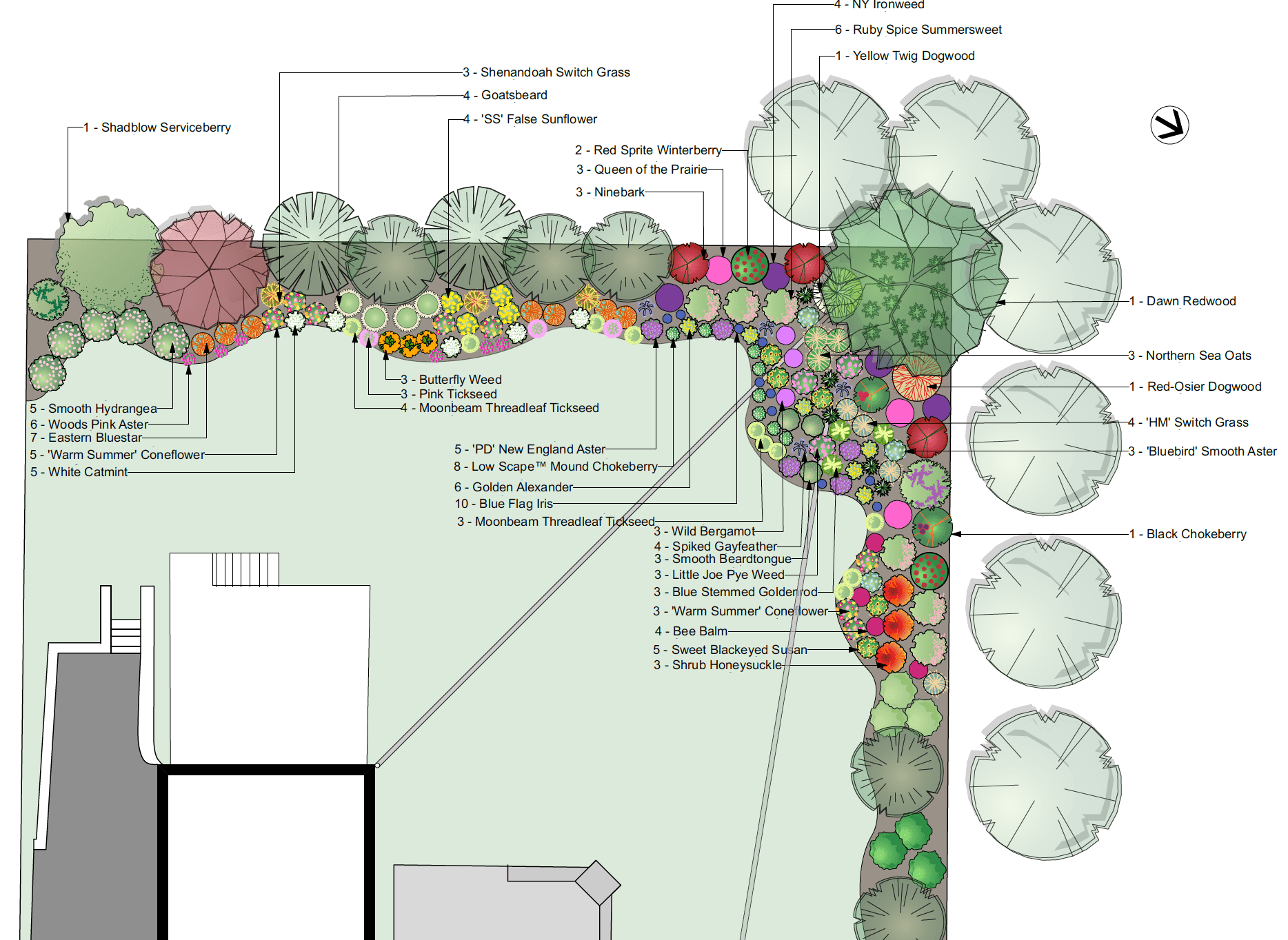
Rain Garden Design

 Facultative plants are found in mesic zones usually on slopes or in well drained spots, occasionally exposed to drought or flood conditions.


Native & Non-Native Plants for Rain Gardens

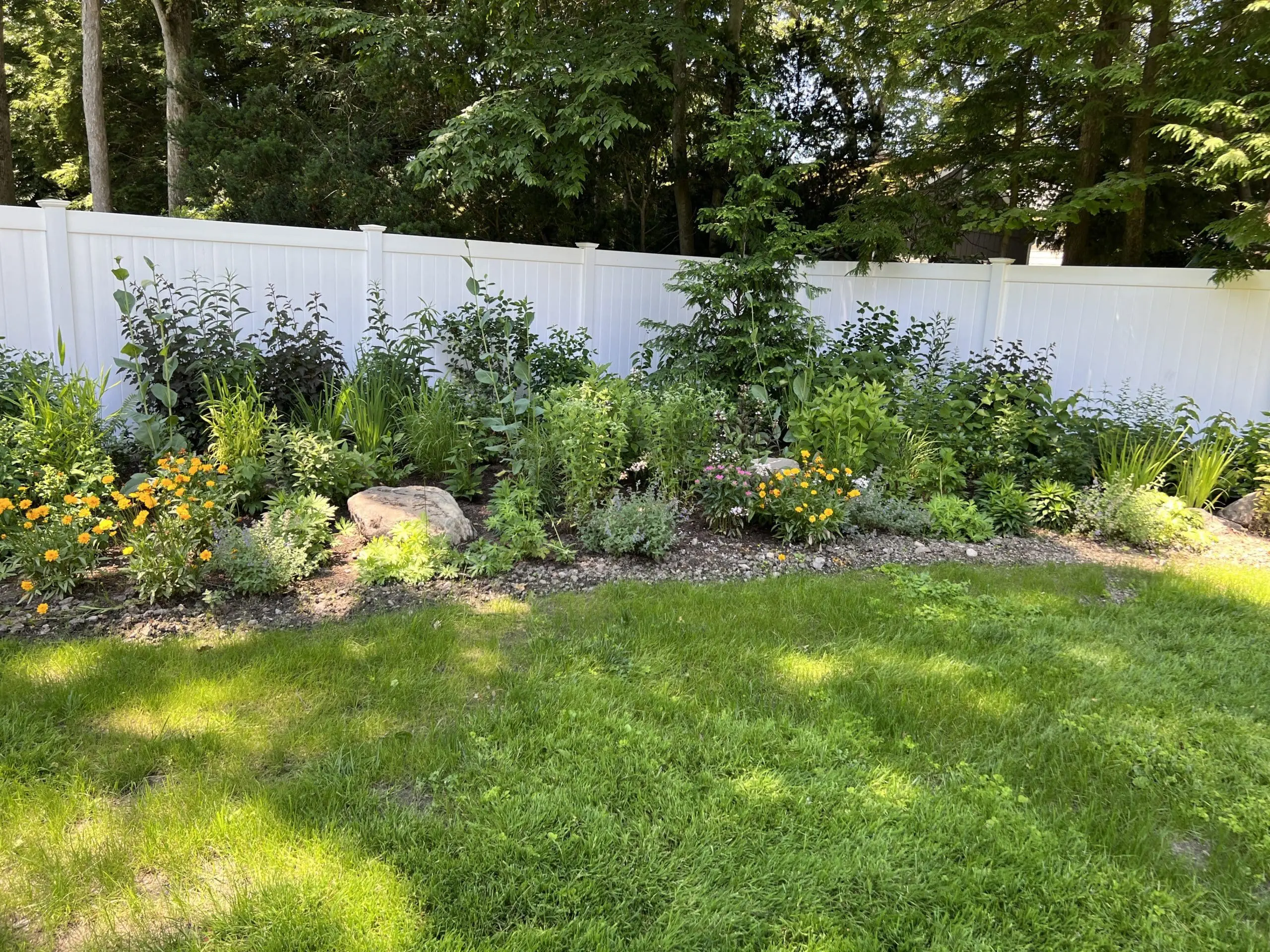
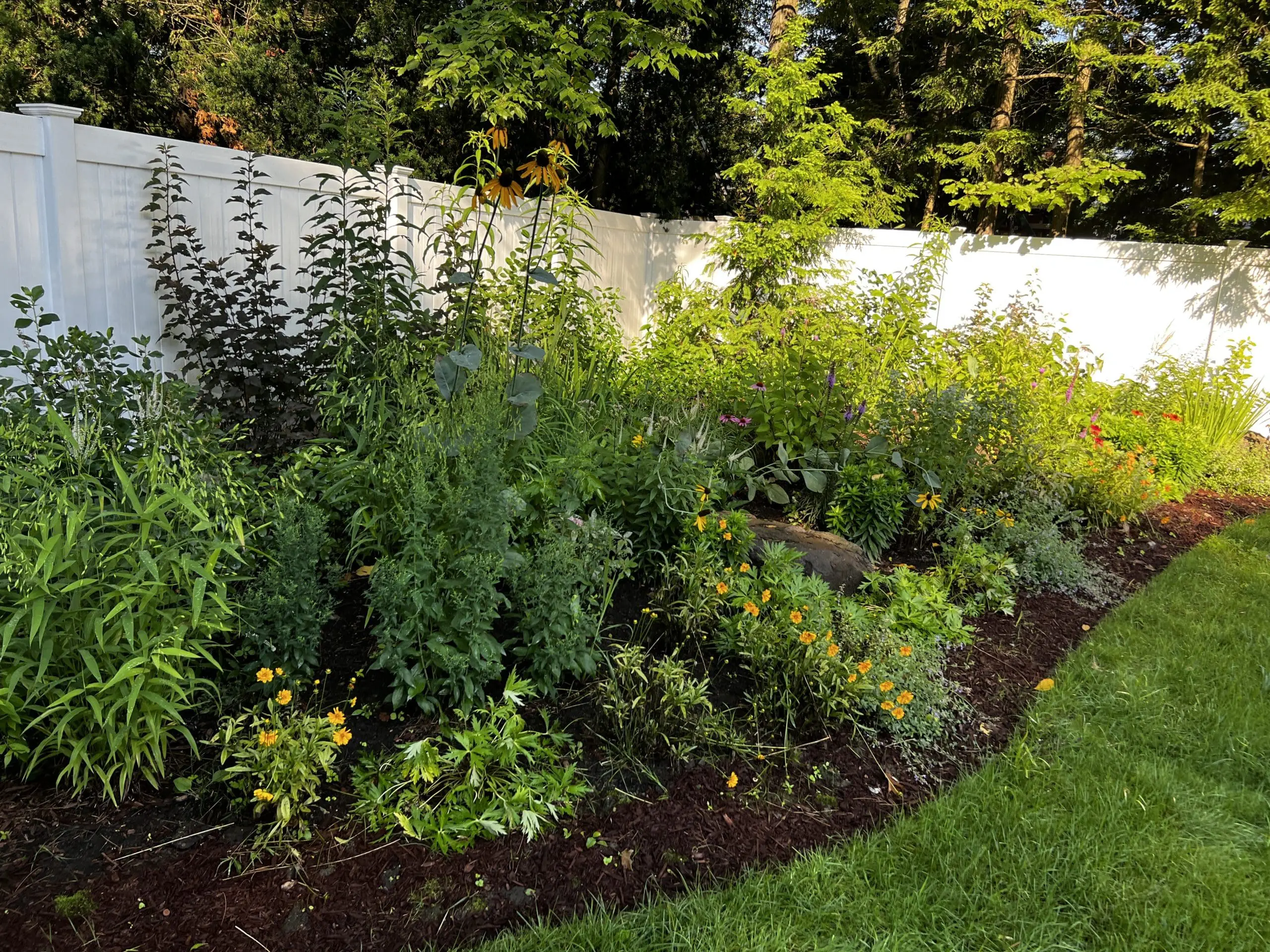
Many of our favorite native shrubs for wildlife also work in rain gardens: clethra, aronia, dogwood. Perennials in the rain garden can also create habitat: Eastern Red Columbine attracts hummingbirds, Blue Lobelia, Joe Pye Weed, and New York Ironweed are all pollinator magnets!

In this design, we also planted a non-native Dawn Redwood. This fast-growing tree absorbs large amounts of water and grows fast; it will be extremely effective in this context.

Start Your Landscape Drainage Solution

If you have a consistently soggy landscape, there are likely improvements to be had. Check out our Stormwater Management page for a detailed look at stormwater solutions and Contact Us to schedule an on-site consultation.

—

Green Jay Landscape Design

Where Design Meets Ecology

914-560-6570


Filed Under: Uncategorized Tagged With: backyard landscaping, ecological landscape design, ecological landscaping, Fairfield county landscape design, habitat garden, healthy yard, landscape construction, landscape designer, landscape drainage, rain garden, stormwater management

Mark your calendars, Westchester County, there are TWO great pollinator events coming up next month! We’re so grateful to work in communities with such strong grassroots enthusiasm and municipal support for spreading the mission of ecological restoration!

Mamaroneck Monarh Butterfly Festival

Saturday Sept 24th | 11 AM – 1 PM | Harbor Island Park, Mamaroneck

Fun for the whole family! Event includes: educational activities, crafts, music, food AND a community butterfly garden planting! *costumes encouraged* *winners will be chosen*

PS. Harbor Island Park is now maintained using NO pesticides. Thanks to Village Manager, Jerry Barberio and Foreman of the Parks Department, Jeff Ahne.

Hosted by the Mamaroneck Committee for the Environment & Recreation Dept. Free registration on here.

Larchmont Native Plant & Pollinator Festival

Saturday Sept 24 | 1 – 3 PM | Constitution Park, Larchmont

Family event featuring activities, story time, music, photo station (dress as your favorite pollinator!), buy native plants & sample local honey!

Hosted by the Larchmont Environmental Committee and Larchmont Pollinator Pathways.

—

Green Jay Landscape Design

914-560-6570

Where Design Meets Ecology

Filed Under: Ecological Education, Uncategorized Tagged With: butterfly festival, conservation, event, family event, family friendly, healthy yard, landscape designer, landscape ecologist, larchmont NY, larchmont pollinator festival, LOHUD, lower Hudson, mamaroneck NY, monarch, monarch butterfly, native plant garden, natural landscaping, organic garden, pollinator friendly, pollinator garden, pollinator pathway, pollinators, upcoming event, Westchester County NY

Don’t miss this chance to tour a private garden in Rye, designed and built by Jay Archer!

The event is Saturday, September 17th from 4:00 – 6:00 PM. Rubber boots are encouraged if you would like to tour the adjacent wetland. Thanks to the Ecological Landscape Alliance for organizing the event! Follow the link for all details.

Constructed waterfall, stream and natural stone patio in Rye, NY.

About The Secret Garden of Celestial Happiness

These nature immersion gardens represent a complete landscape renovation designed and built by Jay Archer. Explore the ever-evolving project!

At the heart of this project was the complete removal of the entire backyard – formerly a large lawn.

As with all of Jay’s projects, this design is based in nature-based principles and is rich with habitat features that are anchored with native plant material. This garden is a model of biodiversity, resource conservation and is a pollinator paradise!

There are four zones within this landscape:

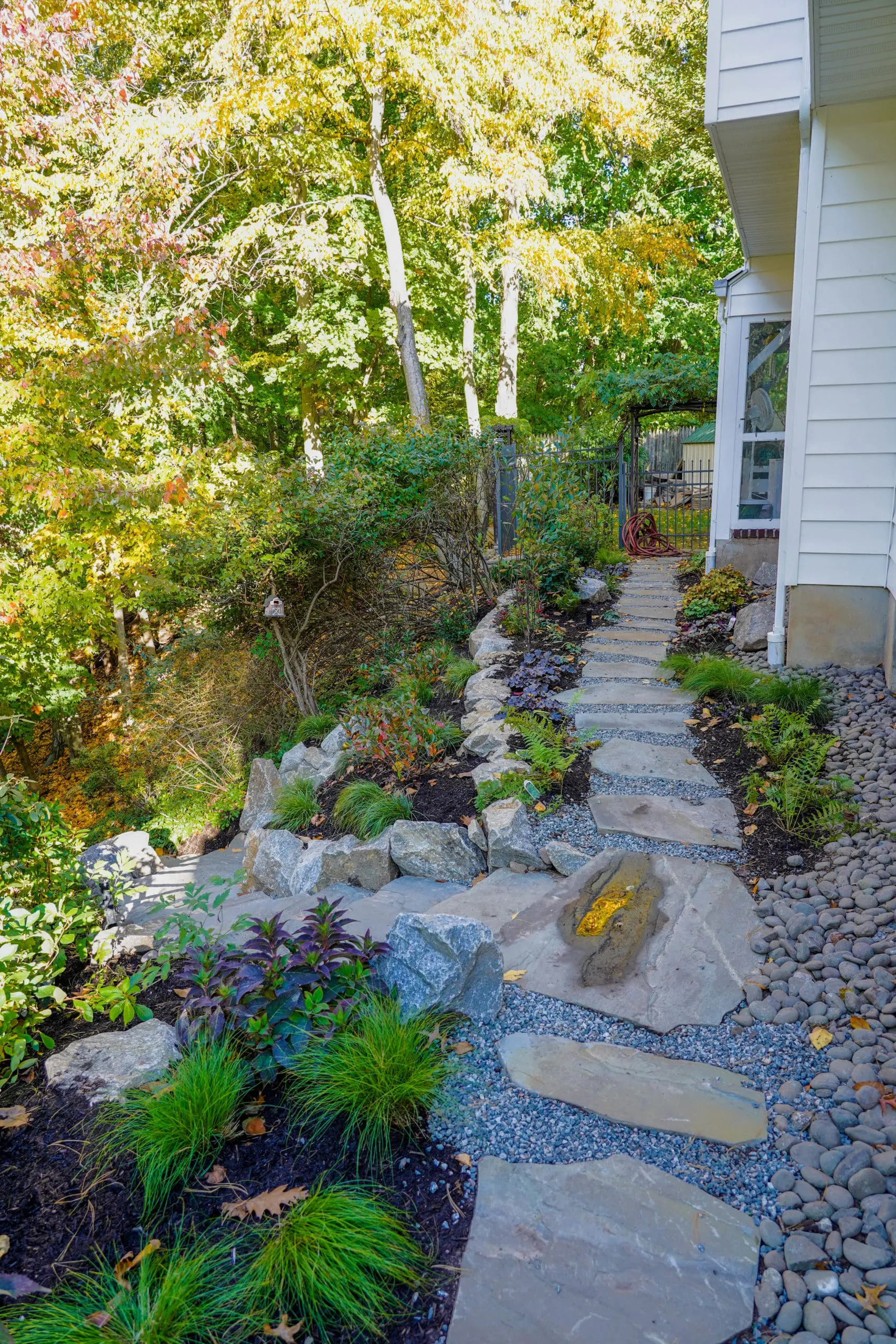
Stepping stone path and mixed garden border leads from the front entrance to the backyard.

Zone One: Eco-Hybrid Front Yard Landscape

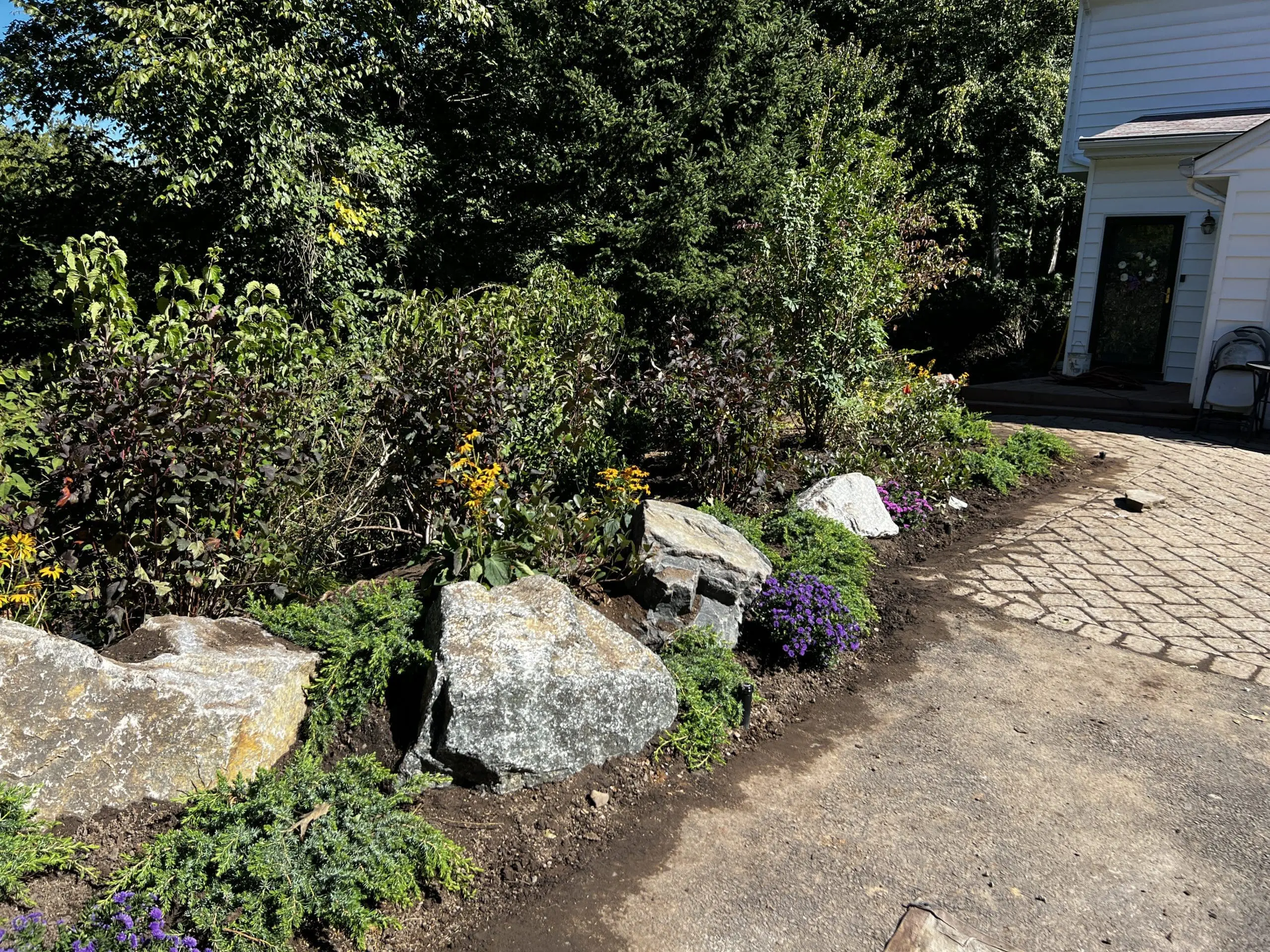
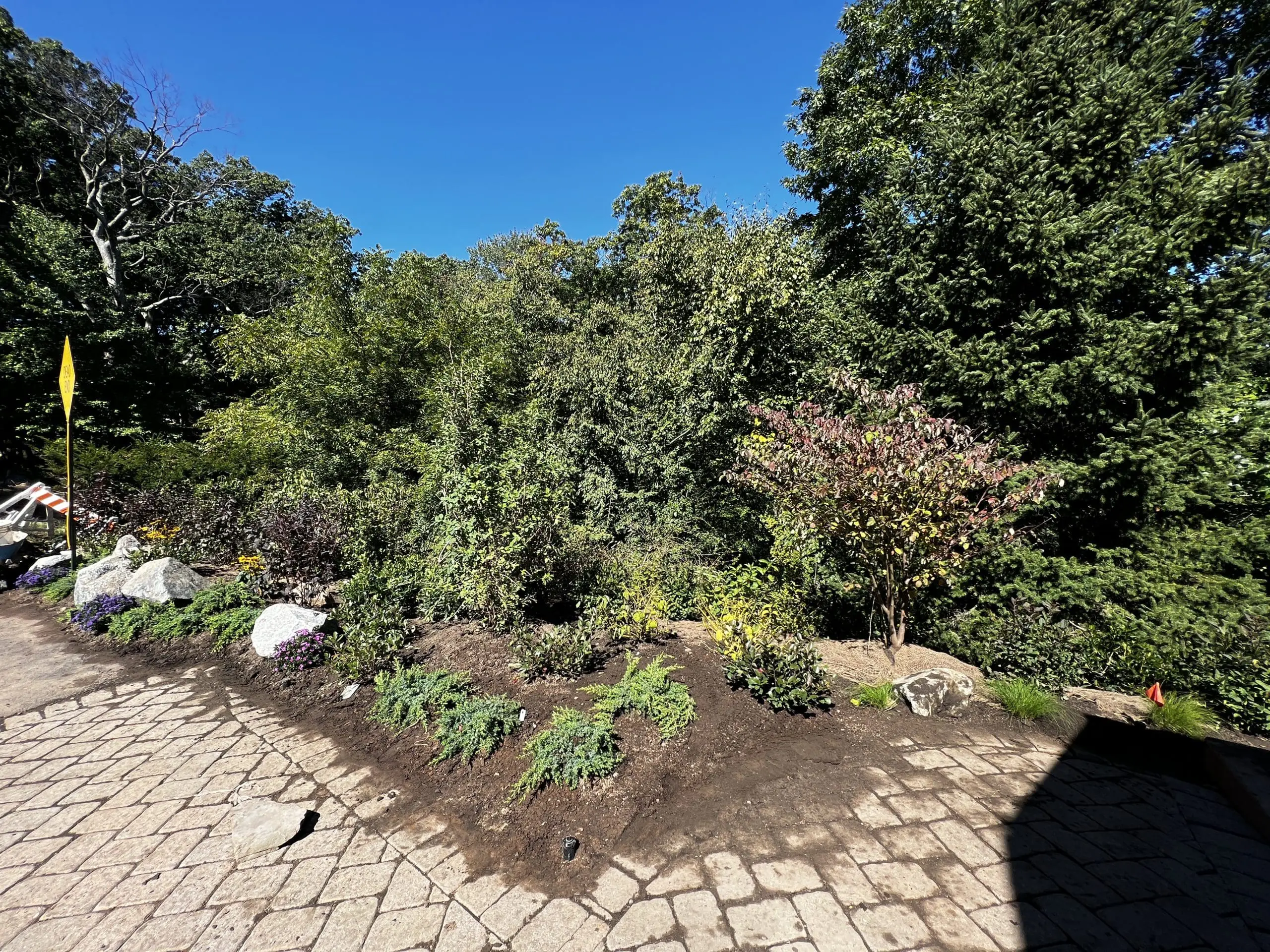
Predominantly native plants mixed with traditional non-natives that also attract pollinators.

         Features: Mixed perennial curb border, Porous Pave driveway

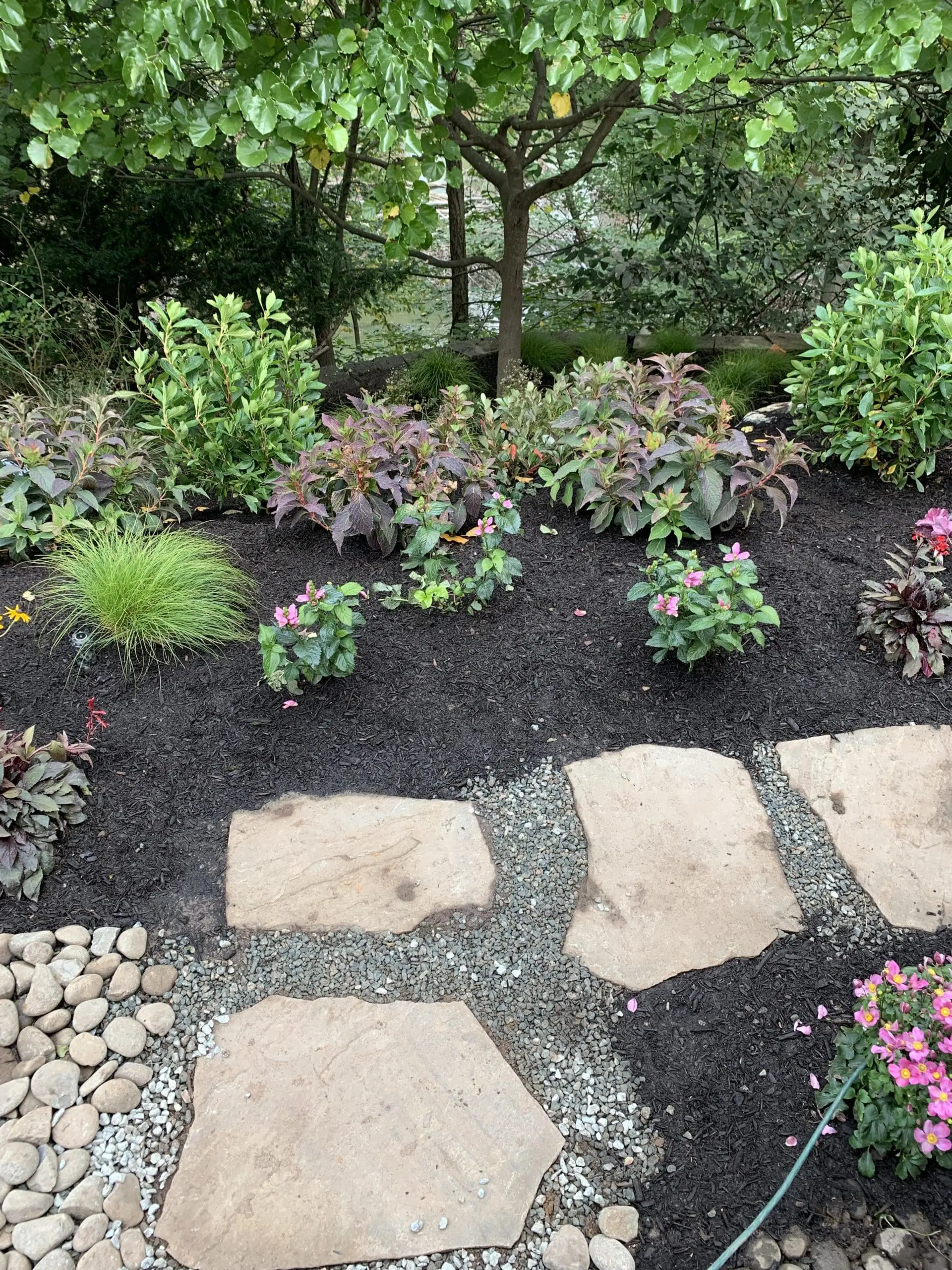
Backyard features many natives, and a network of natural stone pathways.

Zone Two: ReWilding Zone

Evolved as a combination of plants that occur naturally from the adjacent wetlands, coupled with a design and planting composition. Formerly was a lawn with a mosquito problem.

         Features: Rain Garden, Passive Irrigation, Natural Stone Patios, Fire Pit

Trail to the wetland area has been managed to better absorb stormwater.

Zone Three: Transitional Zone

The buffer between the adjacent disturbed wetland and the designed landscape. A glimpse of the future, featuring assisted migration (Bald Cyprus) and naturalized foreigners (Dawn Redwood) that are eco-adapted to our region. We maintain a woodland trail to access and enjoy the wetland setting.

         Features: Woodchip Garden Paths and Woodland Planting

22-acre wetland borders the property. Past restoration projects by the municipality have been abandoned.

Zone Four: Disturbed Wetland

Previously was an aquatic restoration project by Westchester County.

Features: Managed Views, Log Bridges, Seating Areas

Design choices based upon ecological principles, plant selections, and maintenance practices are all critical elements in creating healthy ecosystems. As a landscape ecologist, Jay Archer has successfully combined all three elements and the resulting landscape is a model of biodiversity and resource conservation. The landscape is also inherently people-focused, designed to improve our health, quality of life and connection to nature.

View from zone two looking towards the wetland.

We look forward to seeing you on Saturday September 17th!

—

Green Jay Landscape Design

Where Design Meets Ecology

914-560-6570
Filed Under: Ecological Education Tagged With: ecological landscape alliance, ecological landscape design, ecological landscaping, garden for wildlife, garden tour, habitat design, healthy yard, landscape designer, landscape ecologist, landscape tour, national park at home, native plant garden, natural landscaping, organic garden, organic landscape, pollinator garden, pollinator pathway, rye NY, westchester county garden tour, Westchester county landscape design, Westchester County NY, Westchester NY

This Westchester County landscape was formerly dominated by overgrown, non-native ornamental grasses. They completely covered the network of natural stone walkways and steps. We removed most of the existing vegetation and replaced it with a contemporary meadow-style planting. The clients love their new native pool landscaping that accentuates the masonry rather than disguising it.

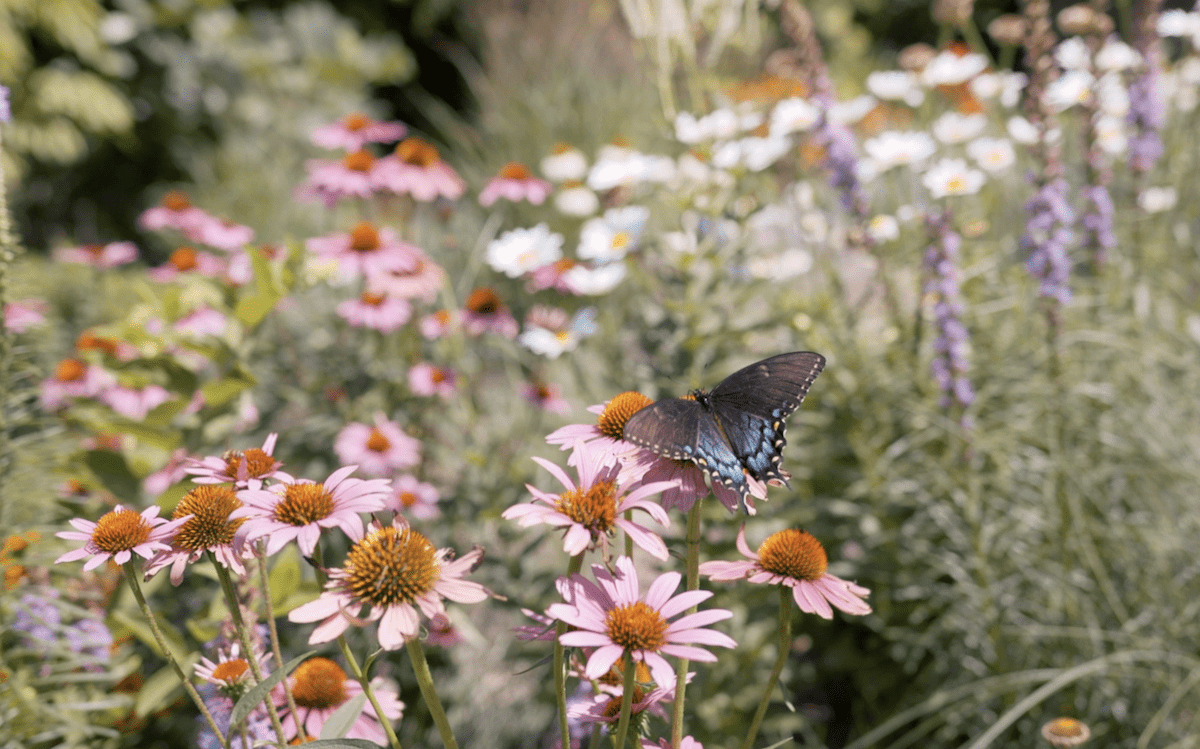
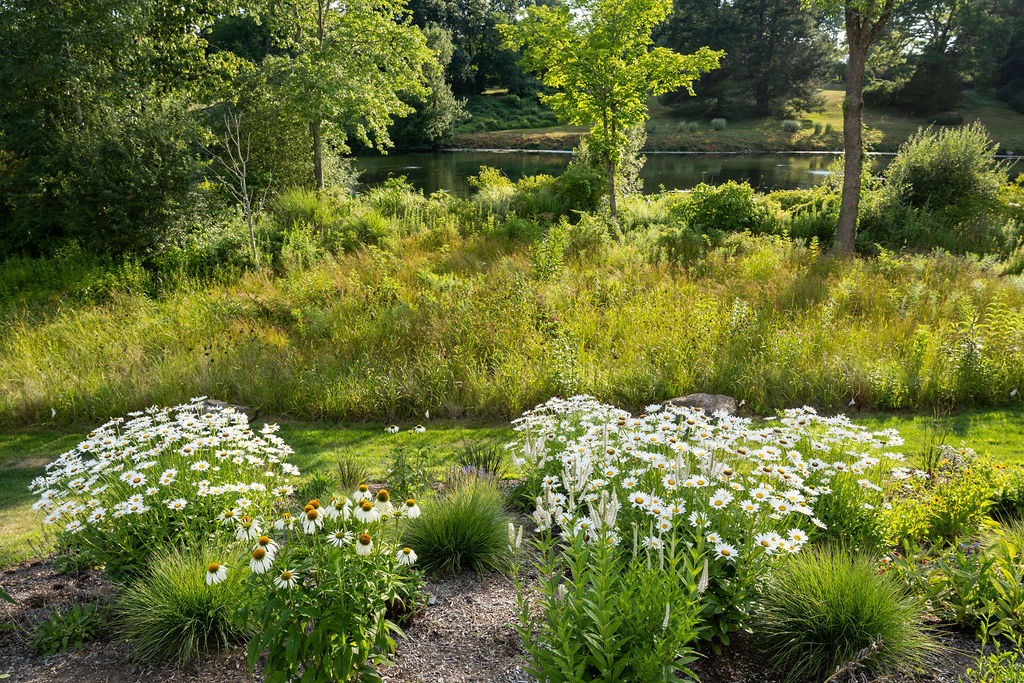
Liatris Daisies and Coneflower are a stunning summer combination.

Landscape Design Master Plan for Native Pool Landscaping

We developed the Landscape Design Master Plan for this native pool landscaping over the winter and developed a rendered plan and planting plan. The inspiration for the pool landscape was native meadow and prairie environments.

The Landscape Design Master Plan included new pool landscaping, foundation plantings and an entry courtyard.

Most prairie plants bloom for long periods throughout the summer, and native prairie grasses are low-maintenance plants with year-round interest. Ornamental grasses provide nesting materials for birds and seed heads as food. This native pool landscape is a layered habitat for birds and pollinators.

The beautiful natural stone masonry is complemented, not hidden, by the landscaping.

In this landscape, we utilized Switchgrass, Little Bluestem, Pink Muhly Grass and Prairie Dropseed. Each of these grasses puts on a unique show in fall – from fluffy pink and gold seed heads to striking red foliage.

Some of our favorite native perennials that bloom for weeks on end.

Perennial color – and pollinator food – comes from Agastache, Helenium, Coneflower, Yarrow, Penstemon and Yarrow. A selection of succulents fills in cracks of the newly revealed natural stone masonry.

Reimagining a Front Entry Courtyard

Classic Hydrangeas beneath an ecological superstar, Amelanchier.

The front entrance courtyard featured typical landscaping – boxwoods and hostas – but failed to “wow” or provide many ecosystem services.

New pollinator garden pops against the stone and fence that enclose the courtyard.

We created several new beds – pollinator gardens flanking the existing walkway and along the middle of the fence. Some of the perennials from the pool area are repeated here while new favorites are introduced – Coreopsis, Lavender, Geranium, and Beebalm.

New garden paths sweep from the foundation, along the walkway to the pool area.
Sweeps of Coneflower link the courtyard planting with the pool area planting.

The diversity of plant material ensures that something is always blooming, going to seed, losing its chlorophyll. The garden is never the same but it is always interesting and eye-catching. Plant diversity correlates to soil microbe diversity – the essential foundation to plant health, resilience, stormwater absorption and carbon sequestration.

Repurposing Existing Vegetation

New transplanted grass garden is less maintenance than a traditional lawn.

The existing Miscanthus grasses were overgrown and overcrowding the pool landscape. We transplanted many of the grasses to create a new grass garden in the expansive lawn. This will be a low maintenance garden, and by replacing a section of lawn, we are automatically reducing gas, water, and fertilizer inputs.

Transplant success!

Part of the project involved soil testing and installing a low maintenance 100% organically managed and maintained lawn. This requires proper irrigation and mulch mowing, provided by our outstanding partners and good friend Organic Landscapes of Bedford NY.

Designing a Veggie Garden

Newly divided veggie beds, accessible by gravel paths.

This client is a proud summer vegetable gardener. Their existing garden however, was one extra large bed with no thought for how to access the plants for weeding and harvesting.

The old design also had a narrow border of lawn between the fence and beds. This is poor planning and would create a maintenance nightmare — grass clippings always ending up in the veggie beds causing extra weeding! \

BEFORE PHOTO: previous veggie garden was too large and unorganized.

We removed the lawn and re-designed the garden into four quadrants, lined with small rocks. Gravel paths cross through the plots and around the perimeter.

AFTER PHOTO: Four quadrants with interior and exterior paths make maintaining the garden a breeze.
A pollinator border improves yields in a vegetable garden.

A border of pollinator-attracting perennials masks the fence surrounding the vegetable garden. A bench offers a resting place to admire the garden.

A simple stone bench creates a cohesive resting space.


To start your ecological landscape design, contact us to schedule a professional consultation or free 15-minute discovery call.

—

Green Jay Landscape Design

Where Design Meets Ecology

914.560.6570

Filed Under: Featured Work, Landscape Construction & Installation, Landscape Design, Uncategorized Tagged With: ecological landscape design, ecological landscaping, grass garden, landscape designer, native plant garden, native pool landscape, native pool landscaping, pool landsaping, vegetable garden

  • « Go to Previous Page
  • Page 1
  • Interim pages omitted …
  • Page 7
  • Page 8
  • Page 9
  • Page 10
  • Page 11
  • Interim pages omitted …
  • Page 60
  • Go to Next Page »

Footer

Mailing Address: 222 Purchase Street, #144 Rye, NY 10580
Shop Address: 369 Bradhurst Ave, Hawthorne, NY 10532
(914) 560-6570
  • Facebook
  • Instagram
  • LinkedIn
  • Pinterest
  • YouTube
  • Houzz
  • Slide Share
  • Installation
  • Portfolio
  • Pricing
  • About
  • Contact

Copyright © 2025 · Green Jay Landscape Design. All Rights Reserved · Privacy Policy · Website and Local SEO by Ramblin Jackson