• Skip to main content
  • Skip to footer
Green Jay Landscape Design

Green Jay Landscape Design

Green Jay Landscape Design

(914) 560-6570
  • Design
  • Installation
  • Portfolio
  • Pricing
  • About
    • Service Area
    • Meet Our Team
    • Our Process
    • Our Promise
    • Mission, Vision, & Core Values
    • FAQ
    • Press & Events
    • Blog
    • Reviews
    • Careers
    • Affiliations
  • Contact

greenjayadmin

Current Climate: Cool Spring Turns to HOT Summer

Summer has finally arrived. Characteristics of this current year’s (as well as last several years’) weather have been an extended wet and rainy cool spring and uncharacteristically lower humidity levels.

As storm water management, sediment, and erosion control professionals, we have seen increased demand for drainage and grading plans, as well as integrating more bioengineering, permaculture, and agroforestry design development to address this influx of spring stormwater.


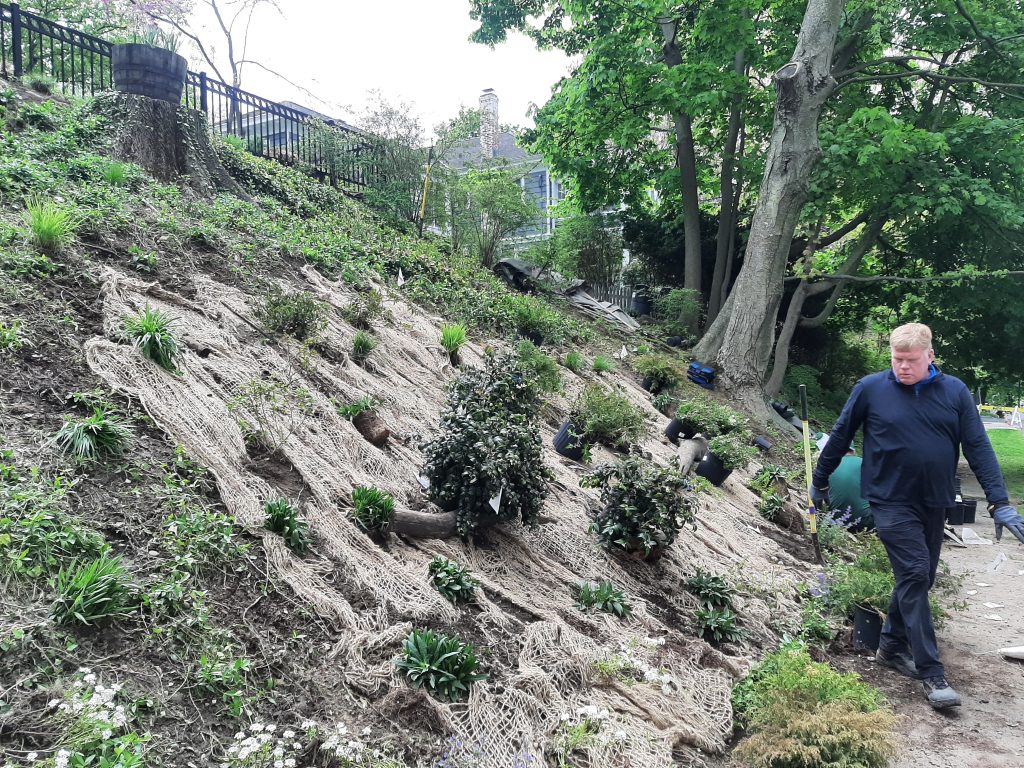
A steep slope replanted for erosion control through jutte netting. Dobbs Ferry, New York.


In the past few weeks, our cool spring has turned to a hot summer with abnormally dry conditions in our region. In response, our landscape stewardship protocols need to adapt. Below are our tips for maintaining your landscape in the peak of dry summer.

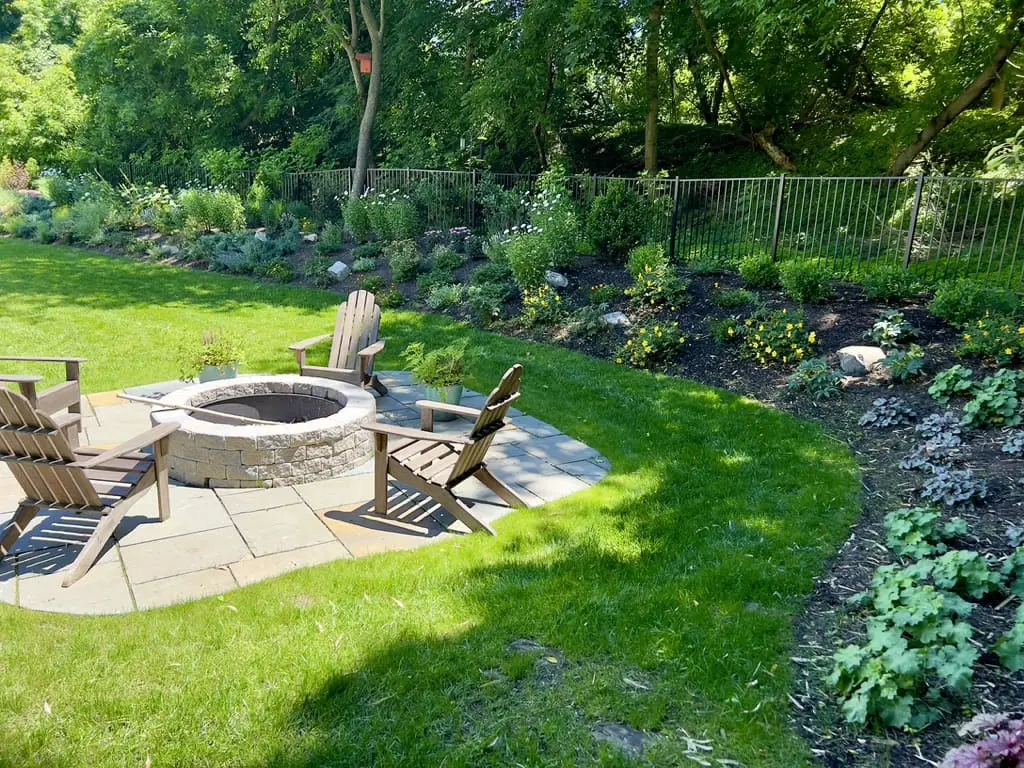
Newly planted summer poolscape in Westchester County, New York.

Maintenance Dos & Don’ts in Summer Heat

The water table has crashed and your spoiled plants thought they too were going to live in eternal spring. They are not ready to harden for brutal summer heat and drought.

Water them like their life depends on it…because it does!

  • Do water your lawn deeply and consistently (30-45 minutes, every other day; optimally between 4 and 9 AM)
    • If this is not feasible, let it go dormant until fall.
    • Most lawns are going dormant from the heat – many of the most popular turf grasses (ie Kentucky Bluegrass) are cool season grasses, meaning they grow most optimally at temperatures between 60 and 75 degrees F. Above 75 degrees, they go dormant until cooler temps arrive.
Organic lawn renovation in Rye, NY.
  • Don’t use irrigation if you have municipal restrictions except for new plantings (planted within the last three months).
    • As a general rule, new plantings should be watered every day for 20-30 minutes until established; your irrigation provider may further customize the schedule depending on plant composition and sun exposure in the bed.
    •  Only turn off or reduce irrigation for new plantings on days with heavy rain. (few and far between in summer)
  • Don’t mow or scalp turf grass, that’s torture!
    • When you mow, cut high (3 ½ – 4 inches) and recycle the clippings back into your lawn (mulch mowing). The moisture is in the plant not the soil.
  • Don’t prune your trees and shrubs unless you need to clear a line of sight.
    • Your plants are already stressed in the heat, pruning should wait until more hospitable temperatures in the fall.
  • Don’t spray to kill insects, there are precious few left! You can’t be sure you’re not taking out all other life by attempting to remove what you consider pests. Nature has natural pest control if we enable ecosystem restoration. Read more here.
  • Do use citronella plants (scented geraniums) to repel mosquitos on decks and patios.
Dragonflies are natural predators of mosquitos, eating mosquito eggs and larvae in standing water.
  • Do apply organic granular and liquid animal repellent regularly (once a month, like clockwork!) 
    • Do not spray anything at temperatures above 90 degrees F.
    • Granular applications around the perimeter of beds.
    • For commercial liquid applications, we mix formulation/active ingredients 20% stronger than label and spray leaves and buds of plants.
    • Recommended brands: I Must Garden, Repels All, Garden Girls, Milorganite
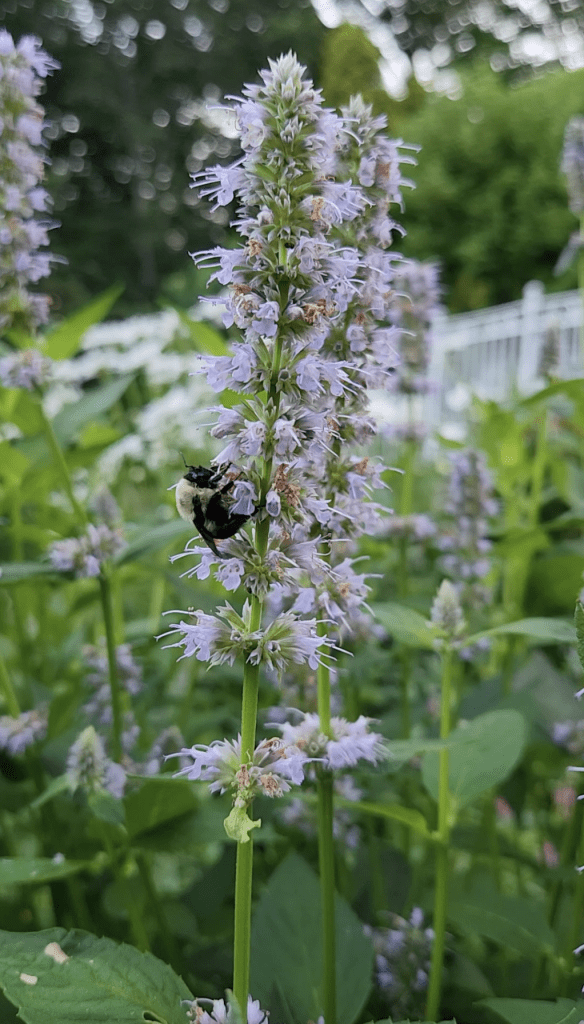
Bumblebee feeding on Agastache, a long-blooming perennial and pollinator favorite!

Protect Pollinators

We are finally seeing the pollinators arrive in the northeast…all the bugs! To our detriment the basic communal response is to attempt to eliminate insects (pesticides, tick and mosquito spraying). While we overconfidently presume to be able to identify and eradicate species that we consider pests, we manage to affect a continuum of imbalance in our natural world and the landscape environment which we depend on for air, water, food, shelter, and resources.

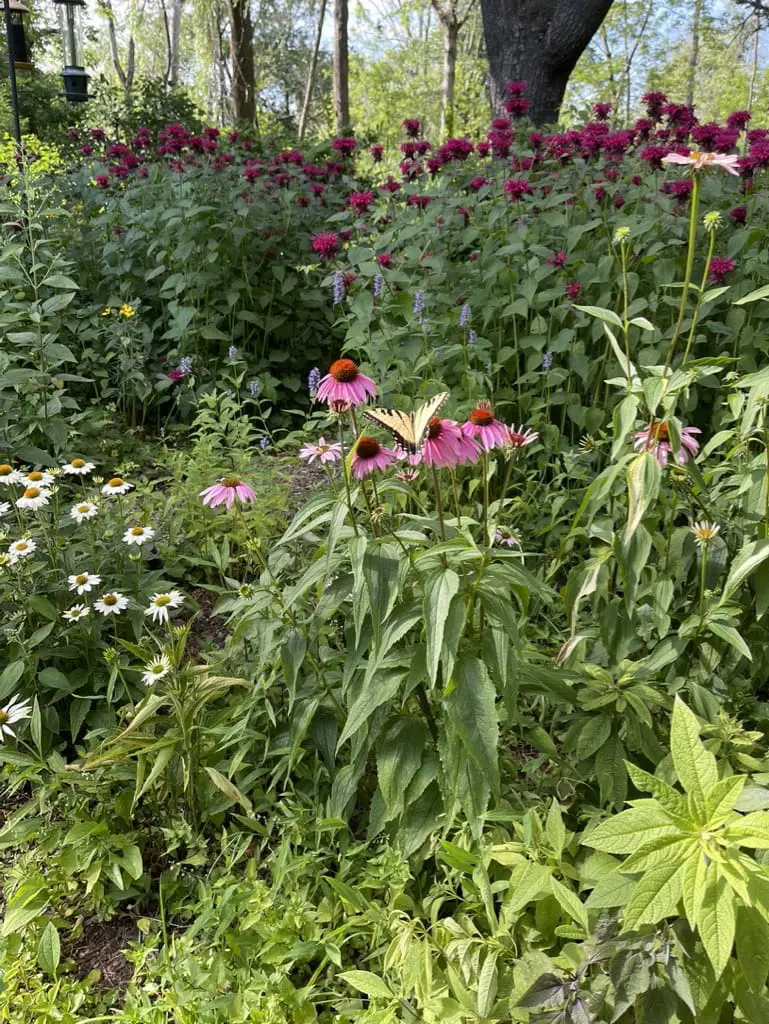
Swallowtail butterfly on pink coneflower, surrounded by white coneflower (Echinacea), bee balm (Monarda, and Hyssop (Agastache).

A recent study indicates that up to 80% of the population has traces of Glyphosate (the active ingredient in the herbicide RoundUp) in our urine!

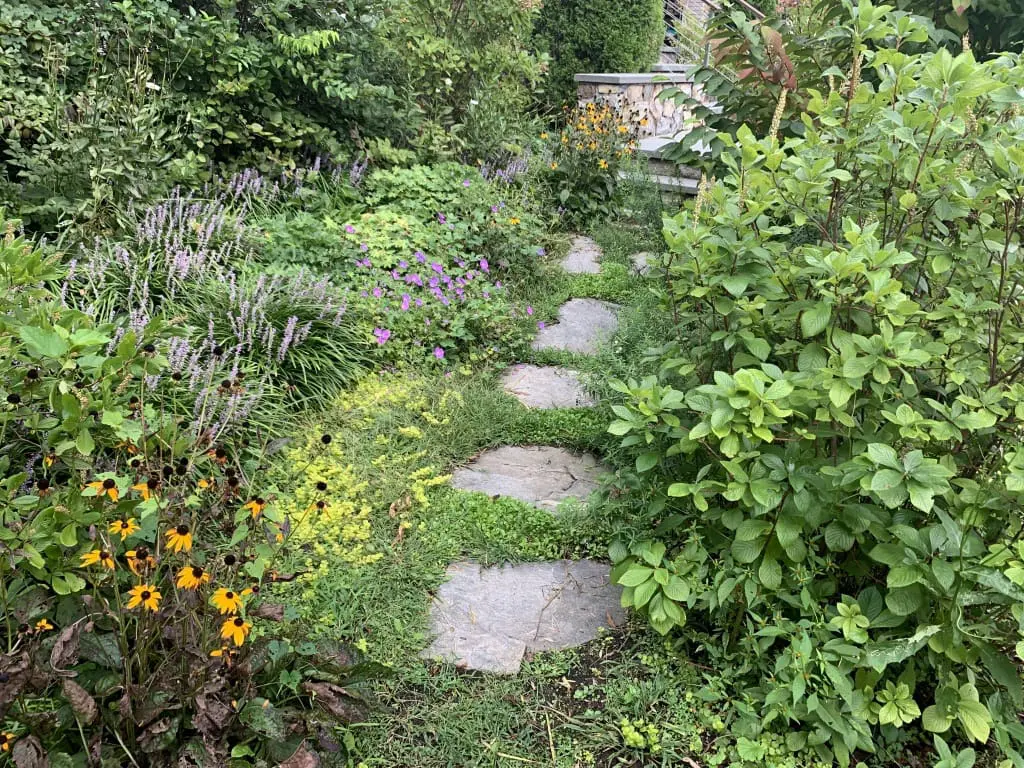
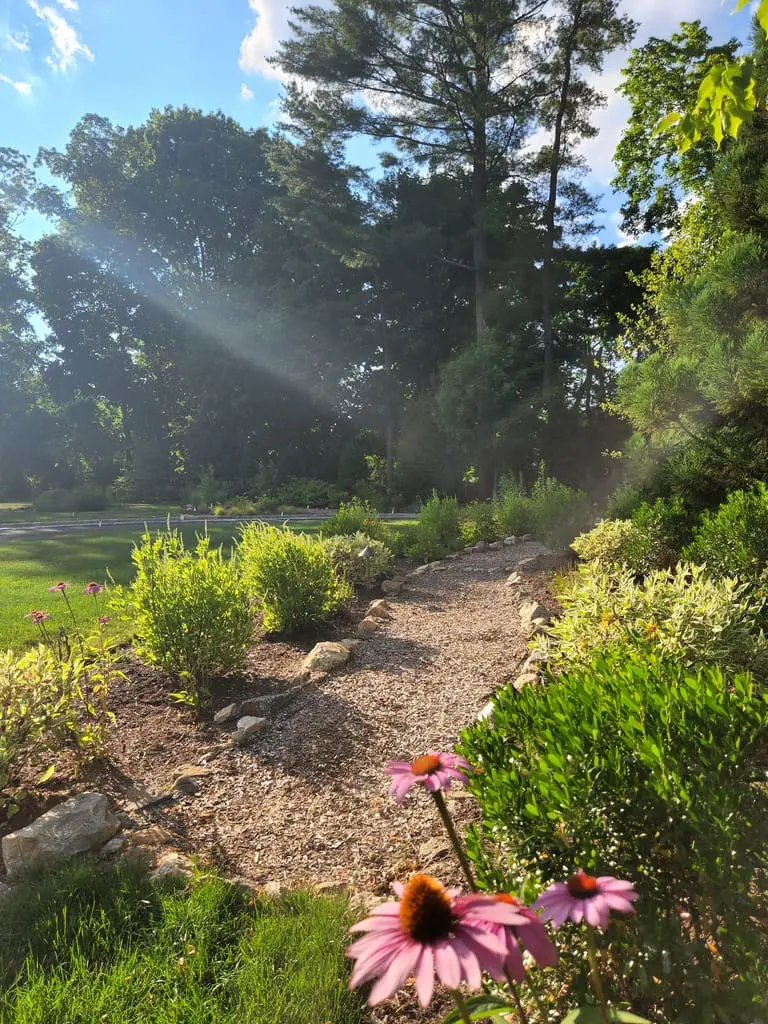
A designed garden stroll path lined with plantings of native shrubs and perennials.

Ecological Maintenance Summary

Progressive, creative sustainability strategies for land use in the big picture, and improvements in landscape management, organic land care, and better cultural grounds maintenance practices are producing a healthier, more optimistic, and holistic realization of living with nature in our everyday landscape environment.

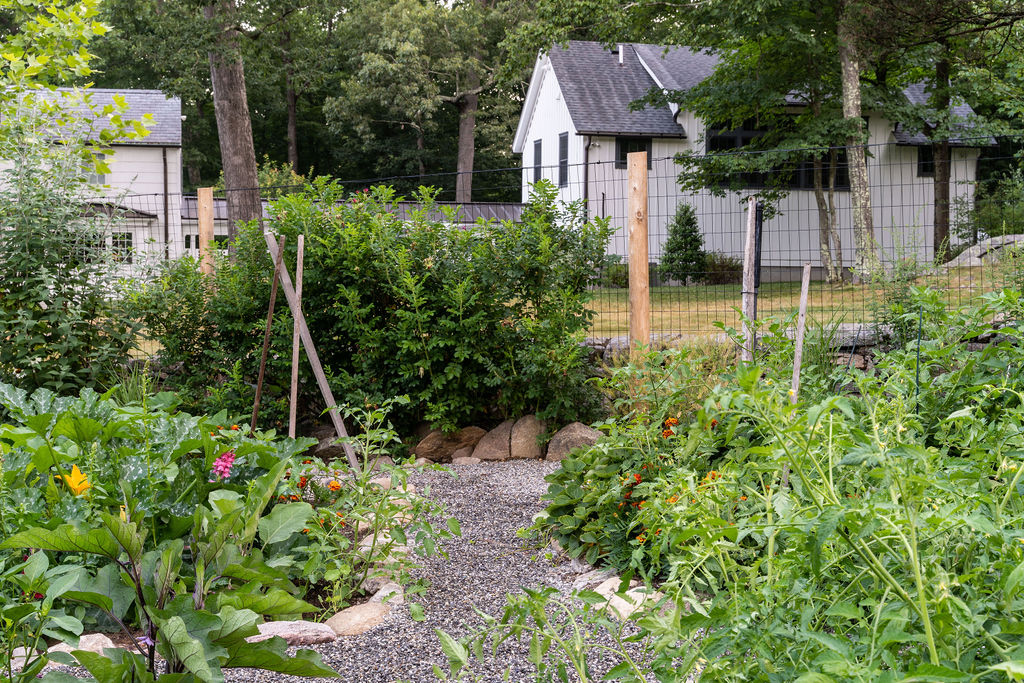
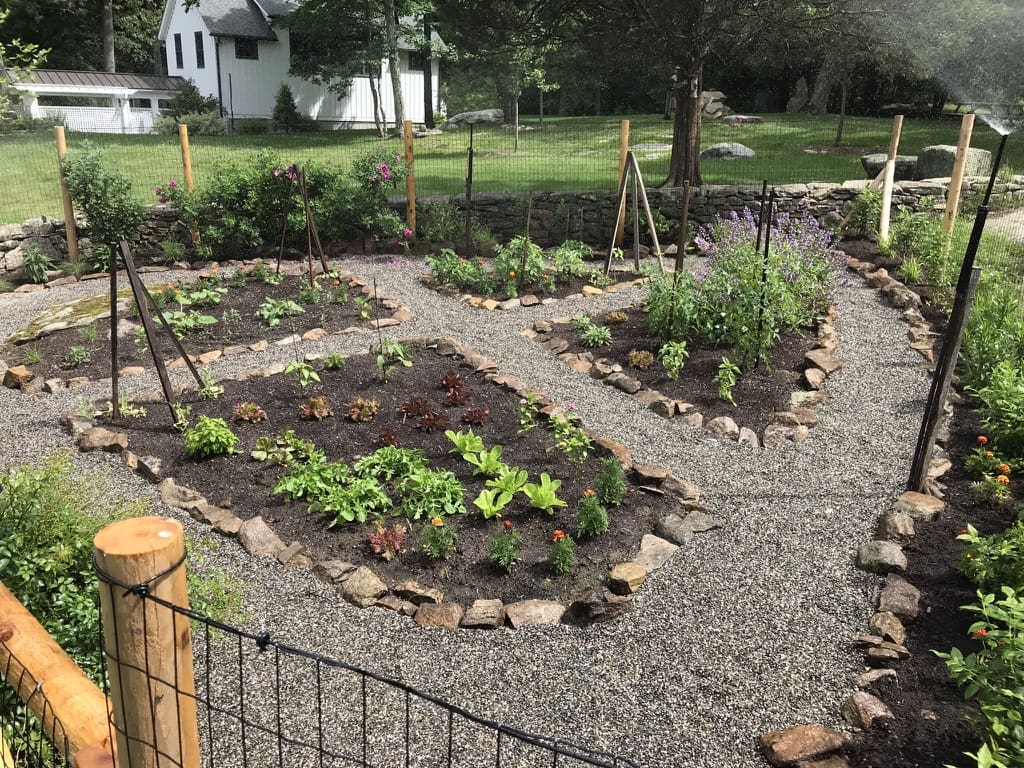
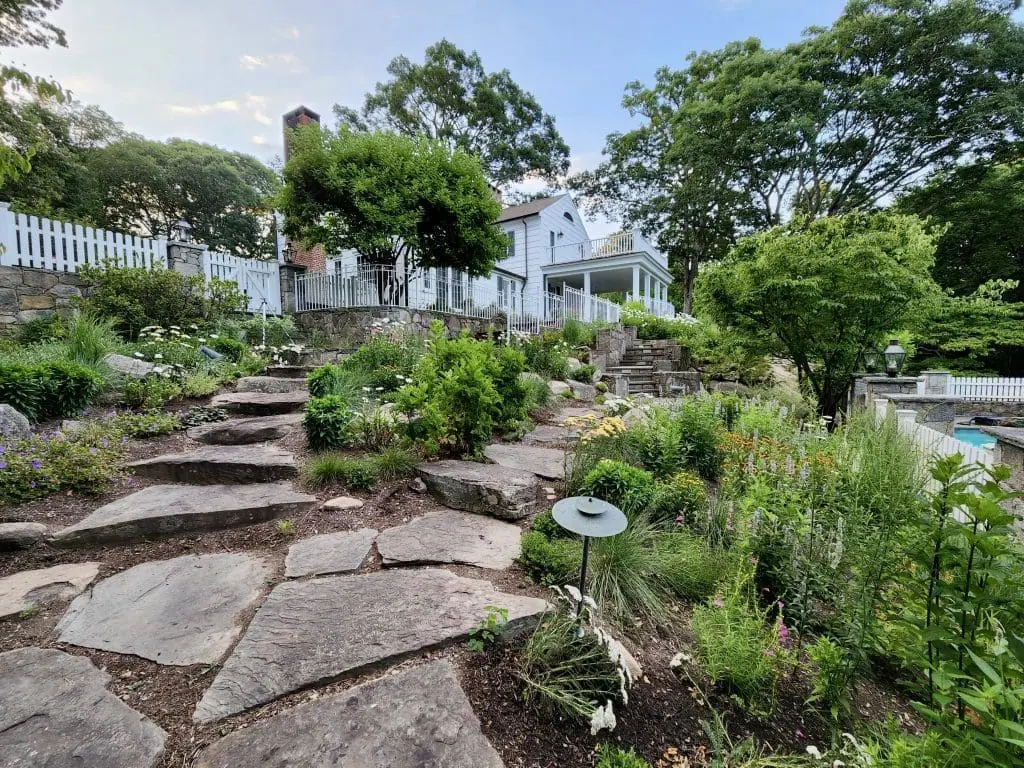
A new backyard garden complete with gravel and natural flagstone stroll paths, in Somers, New York.


Spend some quality time in your beautiful outdoor ecosystem, appreciate and value what the gifts of nature and her natural resources do for our bodies, mind and spirit!

—

Jay Archer

Green Jay Landscape Design

Where Design Meets Ecology

914-560-6570

Filed Under: Ecological Education, Uncategorized Tagged With: ecological landscape design, ecological landscaping, ecological mainteance, gardening tips, healthy yard, horitculture, horticulture tips, landscape designer, landscape ecologist, landscape maintenance, native plant garden, natural landscaping, organic garden, organic landscape, pollinator garden, summer garden, summer garden tips

Craving a garden tour this summer? We are excited to announce two upcoming garden tours of The Secret Garden of Celestial Happiness, designed by Jay Archer. This property formerly had a rear lawn that was removed and replaced with an ecological landscape featuring a constructed waterfall, stream, a network of stroll paths, and access to the adjacent wetland.

Eastern Swallowtail Butterfly visits a patch of Coneflower.

Sunday July 24th Garden Tour 10 – 1 PM – Hosted by Bedford 2030 Healthy Yards and Pollinator Pathways. Event details here. (There are many properties across Westchester participating in this event, find all participants on their map!)

Saturday September 17th Garden Tour 4 pm – Hosted by the Ecological Landscaping Alliance. Event details here.

Tour this nature immersion garden through four zones:

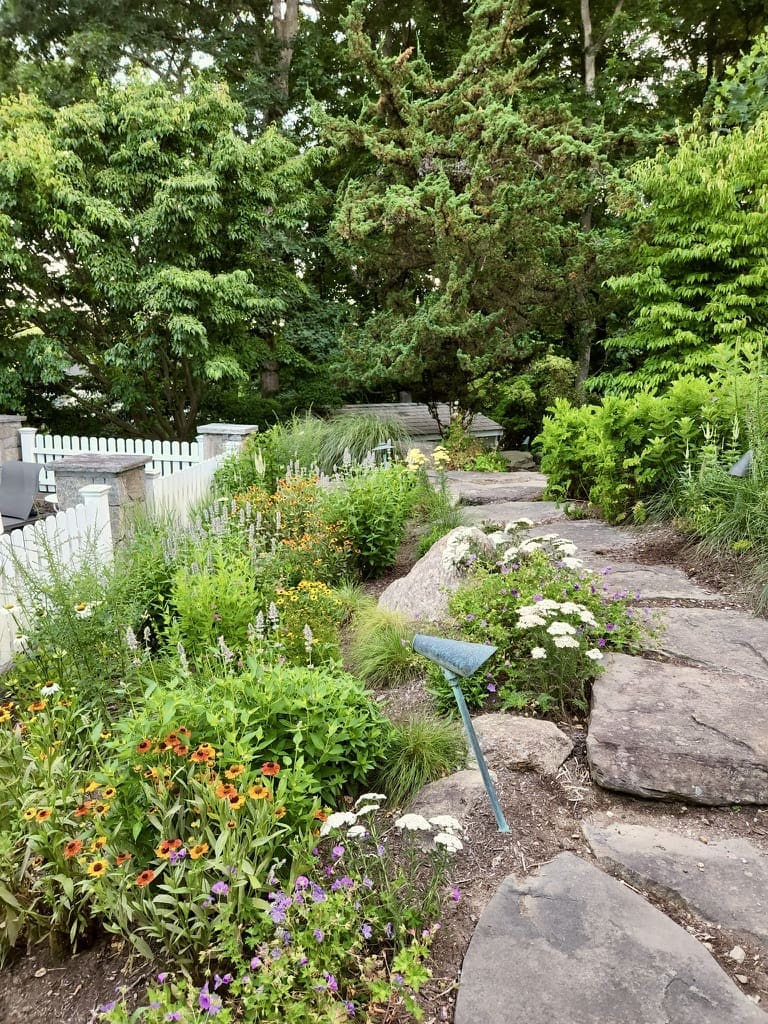
Natural stone stroll paths enable enjoyment of every corner of this backyard landscape.

Zone 1– Eco-Hybrid Front Yard Landscape: Predominantly native plants mixed with traditional non-natives that also attract pollinators. This slightly more formal landscape looks gorgeous year-round and still delivers on ecological objectives.

Zone 2 – ReWilding Zone – Evolved as a combination of plants that occur naturally from the adjacent wetlands, coupled with a design and planting composition. Formerly was a lawn with a mosquito problem.

Native Helenium (sneezeweed) is a favorite late-season perennial.

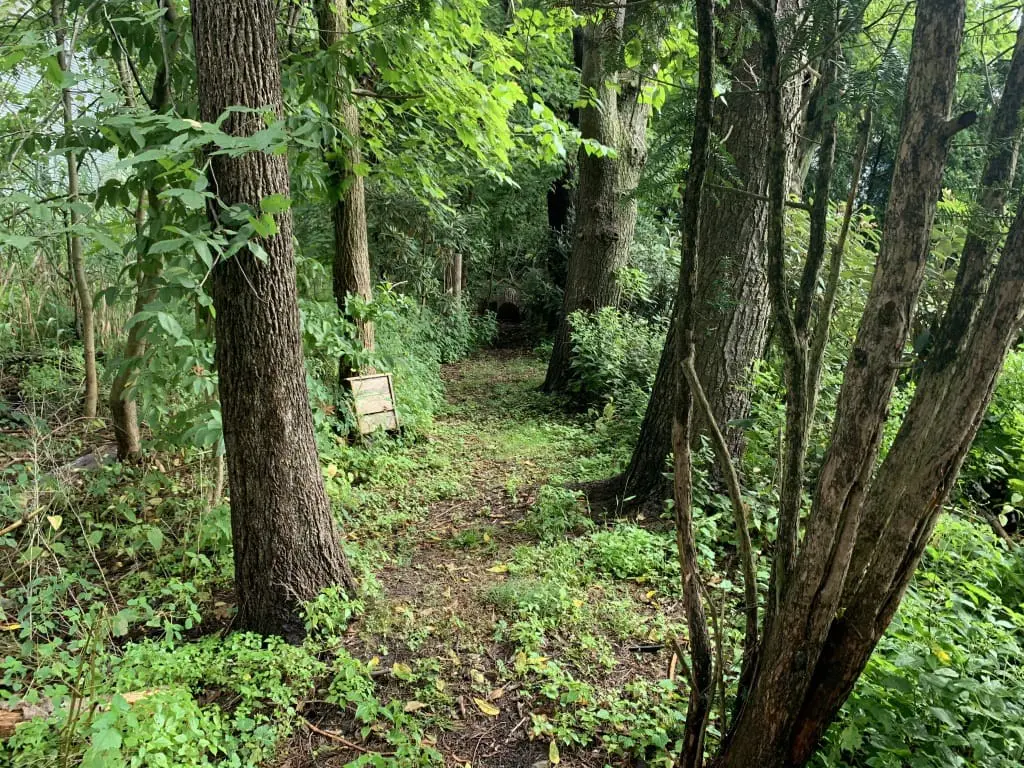
Zone 3 –Transitional Zone – the buffer between the adjacent disturbed wetland and the designed landscape. A glimpse of the future, featuring assisted migration (Bald Cyprus) and naturalized foreigners (Dawn Redwood) that are eco-adapted to our region. We maintain a woodland trail to access and enjoy the wetland setting.

Zone 4 – Disturbed Wetland – previously was an aquatic restoration project that has since been abandoned. The flora of the wetland migrates into the property and provides a good indication of seasonal weather patterns. Rubber boots recommended to tour the wetland.

Contact us to schedule your landscape design consultation.

—

Green Jay Landsaping

Where Design Meets Ecology

914.560.6570

Filed Under: Events & Garden Tours Tagged With: bedford 2030, ecological landscape design, ecological landscaping, garden tour, healthy yard, healthy yards, landscape designer, landscape ecologist, native plant garden, native plants, natural landscape, natural landscaping, organic garden, organic landscape, pollinator garden, pollinator pathways rye NY, rye garden tour, rye landscape design, rye landscape designer, rye NY, westchester county garden tour

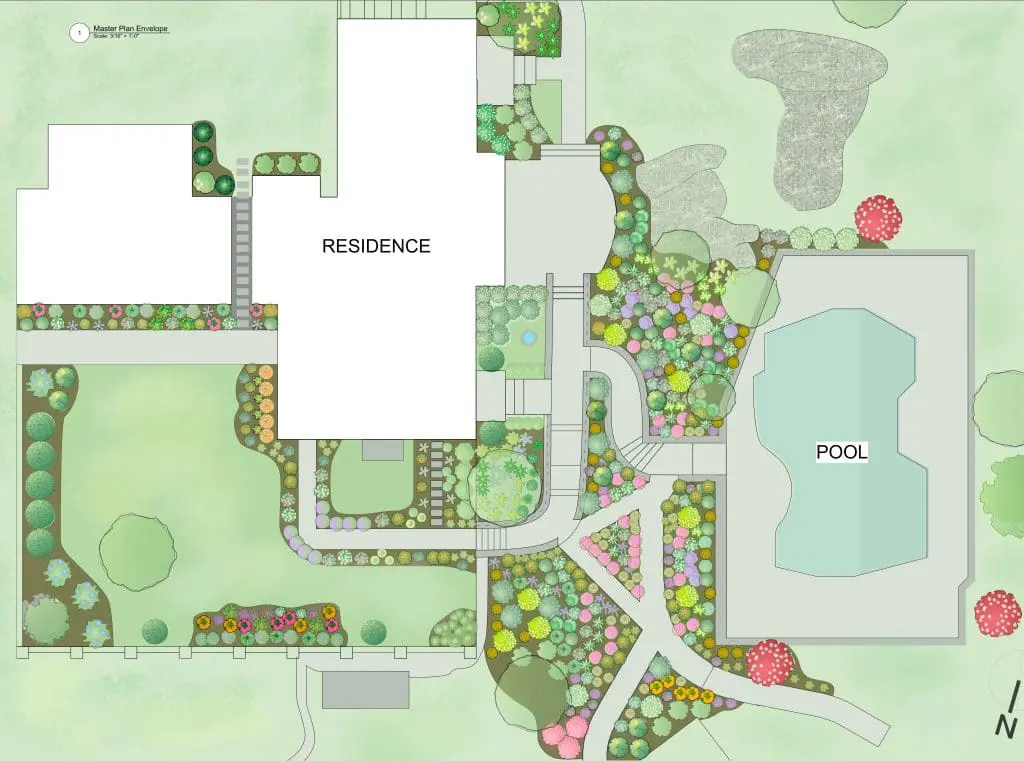
Summer is here and outside is where we want to be! Many of our clients hire us to improve their outdoor living environment – aesthetically, ecologically, and functionally. Whether that translates into a new patio or entertaining area, solving a soggy yard problem, and/or revitalizing the planting, is determined through an on-site consultation and subsequent Landscape Design Master Plan. We’ve rounded up our best backyard landscape designs in Westchester County, NY EVER! We hope it provides inspiration for your own backyard design goals!

Designed Backyard Courtyard | Somers, NY

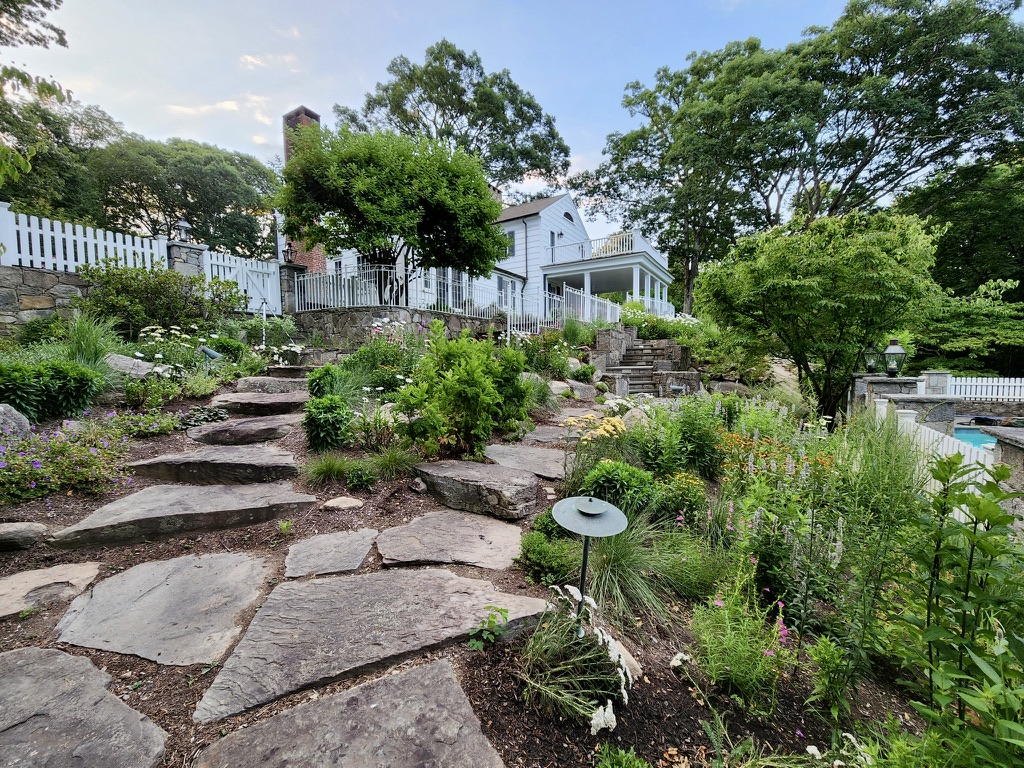
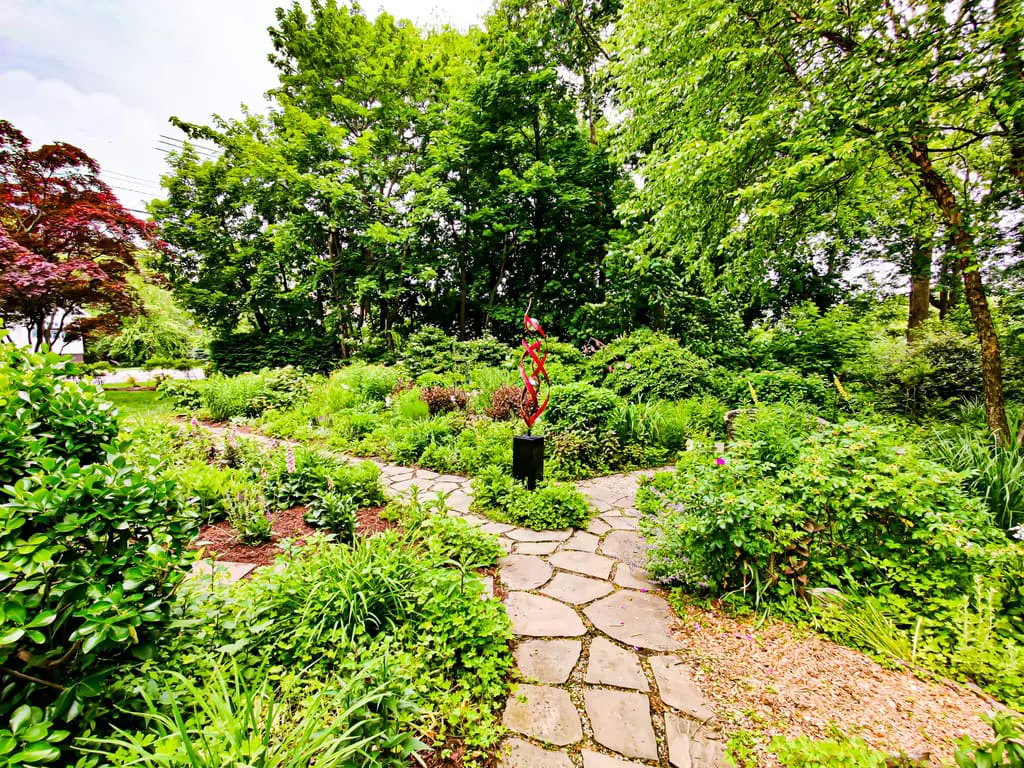
This charming backyard was naturally enclosed by mature trees, lending the feeling of a walled courtyard. Titled The Cloister of Sweet Serenity, GJL designed a circular flagstone walkway with a secondary gravel path running through it as the new backyard landscape design. This new masonry provides the perfect framework to stroll through the garden and take in its wonder. We also constructed a new flagstone patio off the house –  a favorite spot for morning coffee or entertaining. The plant palette is predominantly native, a mixture of unique foliage and pollinator-favorite perennials. Beginning with spring flowering bulbs, all the way through the last days of fall, this garden will provide sources of pollen, nectar, seeds and berries for pollinators while remaining beautiful and stimulating for the clients. As seen through the windows of the house or from the stroll paths of the garden, this new backyard landscape design is a stunning feature of the property.

In the words of the client:

I am sure that my words will not do justice to the happiness that Jay and his wonderful team have brought me. They transformed a plain yard into the most glorious garden! It is peaceful, serene and my most favorite place for morning coffee. I would never hesitate to use Green Jay Landscape Design, Jay really listens to what you want and then makes the dream a living reality. They are truly marvelous.

European-Inspired Parterre Garden | South Salem, NY

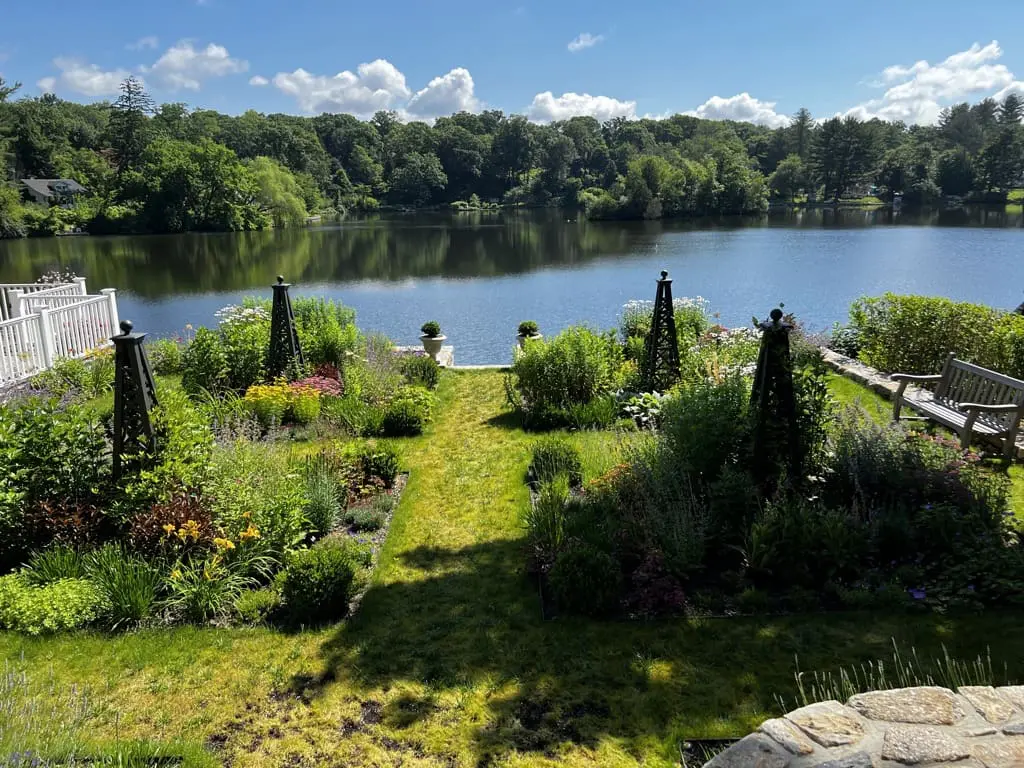
Wild within structure was the inspiration for this backyard landscape design, a European parterre garden turned ecological masterpiece. The clients wanted the formal geometry of a traditional Spanish or French garden coupled with Green Jay Landscape Design’s knack for ecological gardening. The result is a mix of natives and traditional European perennials (that pollinators here still frequent!) that we designed in an asymmetrical planting plan.

Set against the lake backdrop, the colorful blooms and height from the trellis really pop and command the backyard. As always with our designs, plants were chosen for their ecosystem services and resilience in our region. Whether viewed from the upper stone terraces, through the home’s windows, or from the parterre garden itself, this landscape design is truly stunning and unique.

Lawn Terraforming with Terraced Border Garden | Harrison, NY

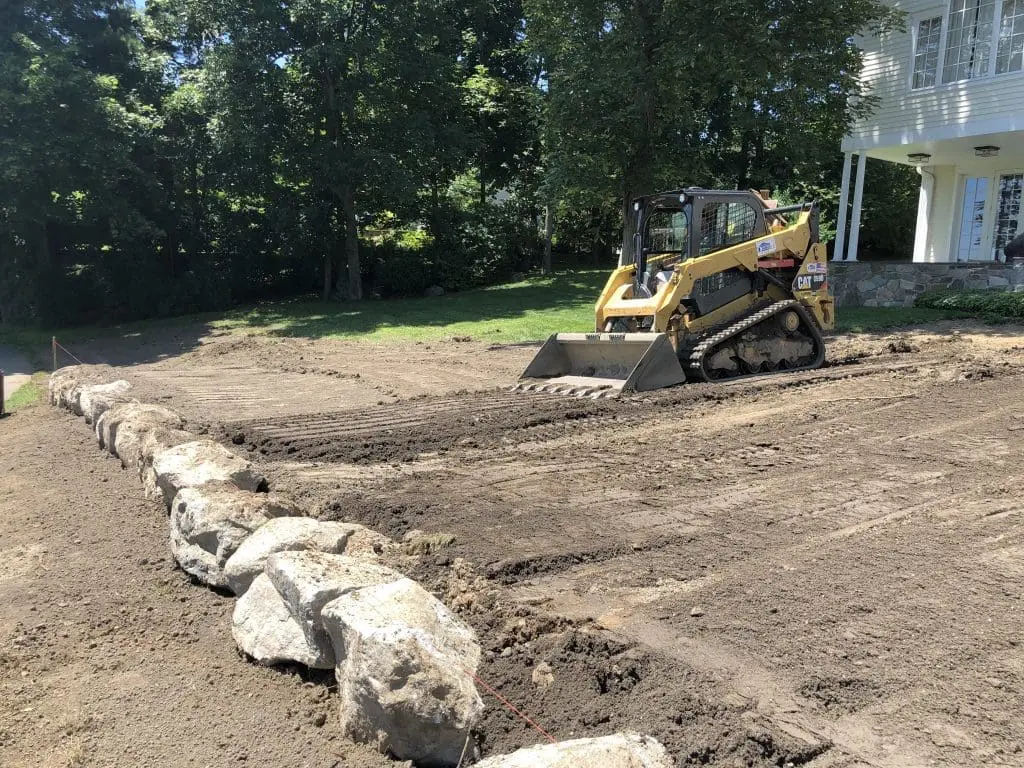
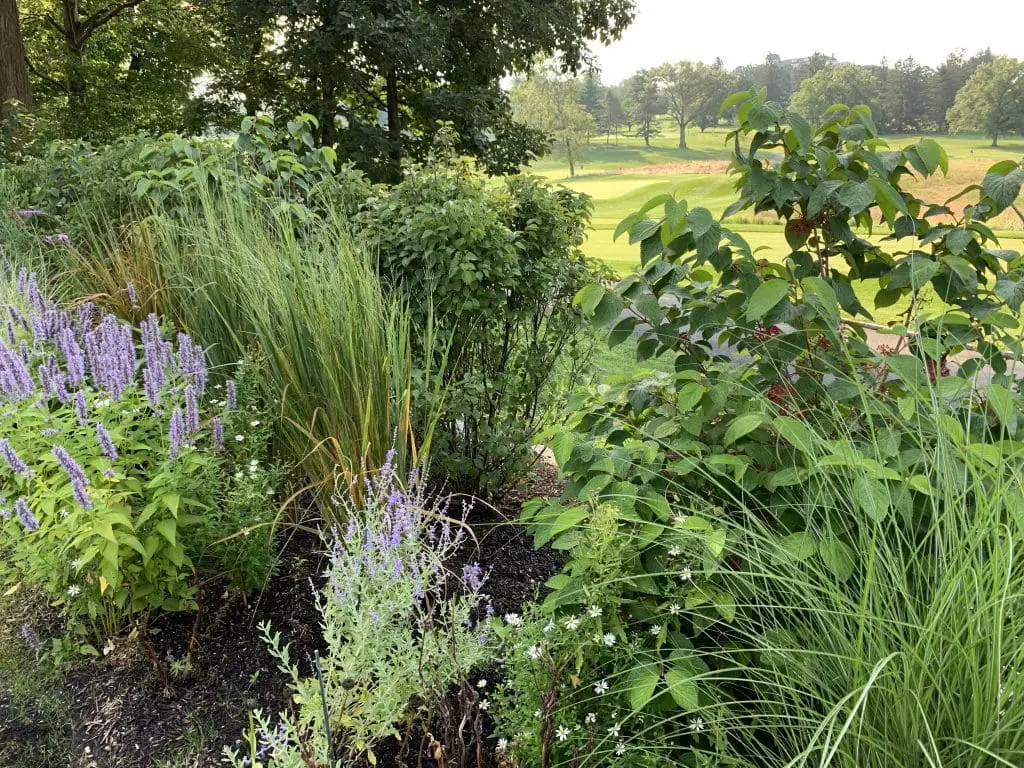
A common request from clients with young families is create a level area for outdoor play.  In this case, the property had an ample backyard lawn, but the slight slope made playing ball impractical for their children, especially since the property borders a golf course. For this Harrison, NY backyard landscape design, we brought in many yards of engineered soil and graded the lawn area into a level play area.

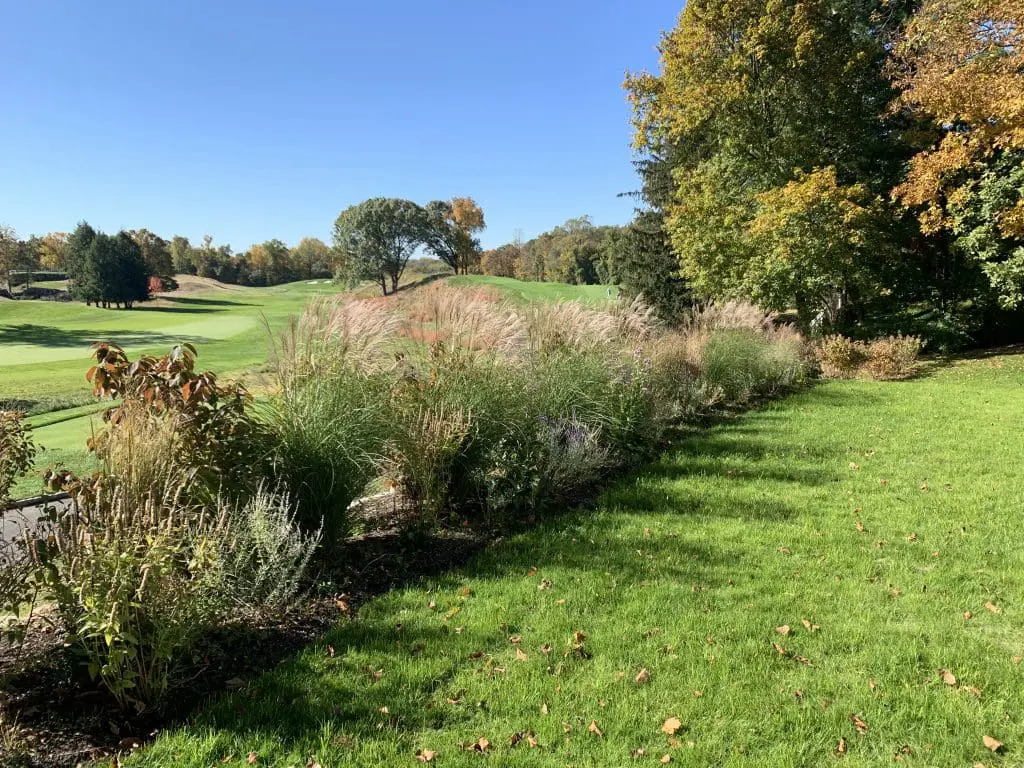
To support the new grade, we designed a two-tier terrace to line the back border. Planting with a mix of viburnums (an excellent native shrub for wildlife!), ornamental grasses and perennials, the border is now a focal point instead of an eyesore.

The previous border, legacy yews that were  leggy and hid the green golf course while accentuating the asphalt road directly behind the property. The result, after GJL’s installation, creates an intimate and beautiful backyard for play, relaxation, or hosting guests.

Family Friendly Ecological Estate | Rye, NY

This Rye, NY client came to us seeking a complete backyard landscape renovation for a home they had recently moved into.  With a large, young family, the client wanted the backyard to be a destination for his children and their friends, with plenty of amenities and garden secrets to discover for the curious mind.

We started by revamping the pool landscaping, which was filled with tired and traditional landscaping plants. We revtalized it with a pollinator and ornamental grass garden that evokes a casual, naturalistic feel instead of the formal landscaping of previous.

Another favorite feature of the design is the perimeter-encircling woodland stroll path. With an existing border of mature evergreens trees, shrubs, and birches, it was a natural extension to design and woodland path and shrub border. The effect is marvelous! Wandering under birches, through fern glens, around gracefully flowering woodland perennials and commanding hydrangeas, imagination and wonder are ignited.  The client even bought fairy houses and placed them along the woodland path for his daughters. Additionally, a vegetable garden and rain garden provide further learning opportunities about food cultivation, stormwater management and the water cycle.

In the words of the client:

We know whats going on with species dying out and the climate warming. So for me it was about, at least in the small plot of land I have, being able to be part of the solution not part of the problem.

Watch the full client testimonial and project install time lapse here on our Youtube channel.

Schedule your Landscape Design consultation with us!

—

Green Jay Landscape Design

Where Design Meets Ecology

914.560.6570

Filed Under: Featured Article, Featured Work, Landscape Design, Uncategorized Tagged With: backyard design, backyard landscape design, client testimonial, ecological landscaping, garden for wildlife, habitat garden, harrison NY, healthy yard, landscape design, landscape designer, landscape ecologist, landscape grading, native plant garden, natural landscaping, organic garden, organic landscape, parterre garden, pollinator garden, rye, rye NY, somers NY, south Salem NY, Westchester county landscape design, Westchester landscape designer

Environmentally conscious gardening — what we in the industry call Ecological Landscaping — is making splashes in mainstream media (hooray!). As spring thaws to summer, and extreme, climate change-driven weather plagues us month after month, more people are starting to look to responsible land stewardship. How can we use our own plots of land to right decades of disturbance and malpractice towards the environment? We round up some of the best ecological landscaping news stories of the past few months, for inspiration, tips and fun facts. Hope you enjoy!

Monarch caterpillar on Butterfly Weed.

Ecological Landscaping Spring 2022 News Round Up:

Yes, You Can Do Better Than the Great American Lawn | NY Times | Margaret Roach

Renkl interviews Daniel Jaffe Wilder, renowned horticulturalist and director of applied ecology at Norcross Wildlife Foundation in Wales, MA, on why reducing and replacing your lawn with native alternatives is the best place to start to make your yard more environmentally-friendly.

The reasoning is two fold. First, the lawn is extremely resource intensive (water, fertilizer, gasoline for mowing) and using these resources has a ripple effect on the environment (worsening drought, polluting waterways, and emitting greenhouse gases, respectively). Second, lawns are monocultures of imported species, they are ecologically sterile.

Jaffe suggests several native alternatives. Worth the read!

Why You Should Plant a Garden thats Wasp Friendly | NY Times | Margaret Roach


“The list of the organic pest-control services offered by wasps goes on, and yet it is the wasps that we humans reflexively regard as pests,” Roach explains. Only 1.5 percent of wasps in the world are social wasps, those that build nests and can get defensive. The vast majority of wasps in the world are beneficial insects, serving as natural garden predators and performing amazing ecological feats.

Read the full article here.

Glyphosate and Your Health | Mount Sinai Exposomics Research Summary

Mount Sinai’s Exposomic Research department studies the effect of various chemical exposures on human health. A June 2022 report summarized their recent findings on the impact of the herbicide Glyphosate on rodents and its implications for human health.

“Drs. Chen and Lesseur are investigating the impacts of glyphosate exposure during pregnancy in human cohorts and animal models. Utilizing data from Dr. Shanna Swan’s The Infant Development and Environment Study (TIDES), they found an association between glyphosate exposure during pregnancy and risk of pre-term birth. In the United States, complications that arise from pre-term births are a leading cause of infant mortality. In another study of TIDES participants, they found that girls born to mothers with higher glyphosate exposure during pregnancy had longer anogenital distance, a marker of testosterone exposure. This suggests that glyphosate interferes with hormones and may have additional impacts on development of reproductive organs and other hormone-dependent systems.

These findings are supported by a study that Drs. Chen and Lesseur conducted in rodents, where long-term exposure to glyphosate as well as the glyphosate-based herbicide Roundup was linked to hormone disruption. They found that prenatal glyphosate exposure at levels considered to be “safe” for human consumption was associated with longer anogenital distance in both male and female offspring, and an increase in thyroid stimulating hormone in males. These findings are further evidence of the endocrine disrupting properties of glyphosate.”

Read the full report including tips to avoid Glyphosate exposure here.


Helping Very Hunger Caterpillars Become Butterflies – Its Complicated | NY Times | Margaret Renkl

An avid gardener and with vast pollinator knowledge, Margaret Renkl shares her experience trying to protect precious caterpillars as the metamorphosis into butterflies. A lesson in the complicated nature of ecosystems, and how our gardens (even with ecological landscaping!) are imperfect replications of natural environments. A fascinating and informative read!


Check out more of Renkl’s articles on NY Times including:

One Way to Do More for the Environment: Do Less with Your Yard

For the Butterflies, and the Rest of Us


Meet Stiltgrass, Your New Garden Adversary by Margaret Roach for NYTimes

Roach writes an informative article on the pesky invasive Stiltgrass, what we know about the plant and what management practices are available. Read the full article here.

Ecological Landscaping Book Recommendations

Check out our previous posts with booklists of Jay’s favorite ecological landscaping, nature and ecology books!

Jay Archer’s Winter 2021 Book List

Jay Archer’s Summer 2020 Reading List

—

Green Jay Landscape Design

Where Design Meets Ecology

914.560.6570

Filed Under: Ecological Education Tagged With: eco news, ecological gardening, ecological landscaping, environmental news, gardening news, gardening tips, glyphosate, glyphosate and your health, landscaping tips, native plant garden, new york times, news, organic gardening, science news, stilt grass, wasp gardening

When you dream of your ideal landscape, does it include edibles? Vegetables, herbs, fruiting trees and shrubs – there are many options when designing and edible landscape and it doesn’t have to be separate from the rest of your landscape! If this is music to your ears, you might be interested in a permaculture landscape design! This case study in Hastings-on-Hudson, part of Westchester County, NY, involved a complete front yard renovation – removing existing weeds, constructing terraces, walkways, stairs and a new patio encircled by the garden.

Natural stone terracing and stair case constructed by Green Jay Landscape Design.

Designing a Hillside for Erosion Control

The network of garden terraces and pathways were constructed with boulders, logs and engineered soil. Cumulatively, they effectively halt erosion of the slope and allow for greater absorption of stormwater during storm events.  The previous herbaceous vegetation had little impact absorbing stormwater. The designed landscape’s strategic mix of trees, native shrubs, and deeply rooted ornamental grasses and perennials are much more effective at stabilizing the slope with their varied root systems and at transferring water back into the atmosphere (via evapotranspiration, strengthened by their high root-to-shoot mass ratio).

Native Blackeyed Susan shines in the first season of this designed permaculture landscape.

Permaculture Landscape Design: Blending Edibles with Ornamentals

For this permaculture landscape design, we incorporated many edible plants into the garden terraces: tomatoes, squash, blueberries, paw paws, hazelnuts, herbs…the sky is the limit! Just be sure to have an enclosed area to begin with, to limit deer browse and other unwanted wildlife munching on your hard work!

Tomatoes and rosemary are incorporated into the landscape next to pollinator-attracting perennials.

 There are a few benefits to incorporating vegetables and edibles into your landscape. First, they can benefit from neighboring plants’ improving the soil.  For example, some native perennials like Lupines and Baptisia are part of the legume family, meaning they fix nitrogen from the atmosphere into the soil in a plant-available form. Vegetables will be happy with this highly accessible nutrient-dense soil.

Bumblebee visits native Oxeye Sunflower.

Plus, the pollinators attracted to the native perennials and shrubs surrounding your edibles will be more likely to find and pollinate your edibles when they are incorporated into the garden bed. Finally, many herbs act as natural pest deterrent because of its strong fragrance.  Incorporating herbs into your perennial garden will transfer some of this pest tolerance to your perennials.  Likewise, there are perennials in the mint family, like Monarda and Salvia, that deter pests and deer with their scent. Locating these perennials next to your vegetables can help preserve your veggies.

Garden terraces and walkways zig zag across the new front yard in a permaculture pollinator paradise.
Marigolds and coreopsis – an annual and perennial, respectively – attract beneficial insects and pollinators to the garden.

Make the Permaculture Garden a Destination

Not only do the series of terraced garden walkways contribute to slope stabilization and erosion control, they also enhance the experience (and maintenance!) of the garden. We always try to incorporate pathways into our landscape designs for this is exact reason.

They encourage our clients to meander through their property, harvesting veggies or just noticing what’s newly in bloom, and be present in their natural oasis.

A terrace admits the garden for relaxing, dining and taking it all in!

On this property, the hillside required a few staircases to connect the network of walkways. A circular flagstone patio in the center is the perfect perch to view the garden, the waterfall feature, and the Hudson River! Simply divine.

New natural stone steps line with ferns enable the transition to lower terraces.

Thanks to Cooper Ponds for partnering with us and constructing the recirculating waterfall!

Recirculating waterfall constructed by Cooper Ponds.
Permaculture terraces featuring coreopsis, dogwood and more!

Client Testimonial

While this front yard, hillside permaculture landscape design may not be for everyone, this client was absolute thrilled with the outcome. In the words of her Google Review:

If you can afford the best, forget the rest. Jay Archer and the whole Green Jay team are the best contractors I’ve ever hired for anything in 22 years in Westchester…and I’ve hired many. From the first visit to the design presentation to plant selection to soil remediation to hardscape choices to planting, each stage was executed according to clear & transparent communication. How refreshing to work with folks who take their job seriously, are open to learning new things and love what they do. Every job will have some unexpected challenges but Jay, Lora, Uzi, Aztlan and the whole crew are responsive, thoughtful and nimble, calmly solving any glitch. Throughout the process communication was stellar, which is the key to success in every endeavor. The results were better than I could have hoped. Jay & Uzi took a neglected, steep, weed infested, post-home construction (debris-strewn) back yard and turned it into my dream permaculture food forest. Native flowers, shrubs and trees coexist between a series of switchback pathways that take advantage of the natural slope. Piece de resistance is the recirculating waterfall. It looks as if we have a stream running towards the Hudson River. The sound is magical. There are too many little details that coalesce to create this Hastings idyll to list but don’t take my word for it, ask the bees and birds and butterflies and worms. This land will continue to give nutrition and joy to all living things for decades. Now stop reading reviews, call your broker to sell some of that overvalued stock & go hire Green Jay Landscape Design. For the kids.

–Joan D, Hastings-on-Hudson, NY

Contact us to schedule your landscape design consultation or free 15-minute discovery call!

Circular flagstone patio encircled by the permaculture terrace garden.

—

Green Jay Landscape Design

Where Design Meets Ecology

914.560.6570

Filed Under: Featured Work, Landscape Design, Uncategorized Tagged With: design and build, edible landscape, erosion control, erosion control devices, hillside garden, landscape designer, native landscaping, natural landscaping, naturalistic landscape, permaculture, permaculture design, permaculture garden, steep slope, stormwater management, terrace garden, vegetable garden, water feature

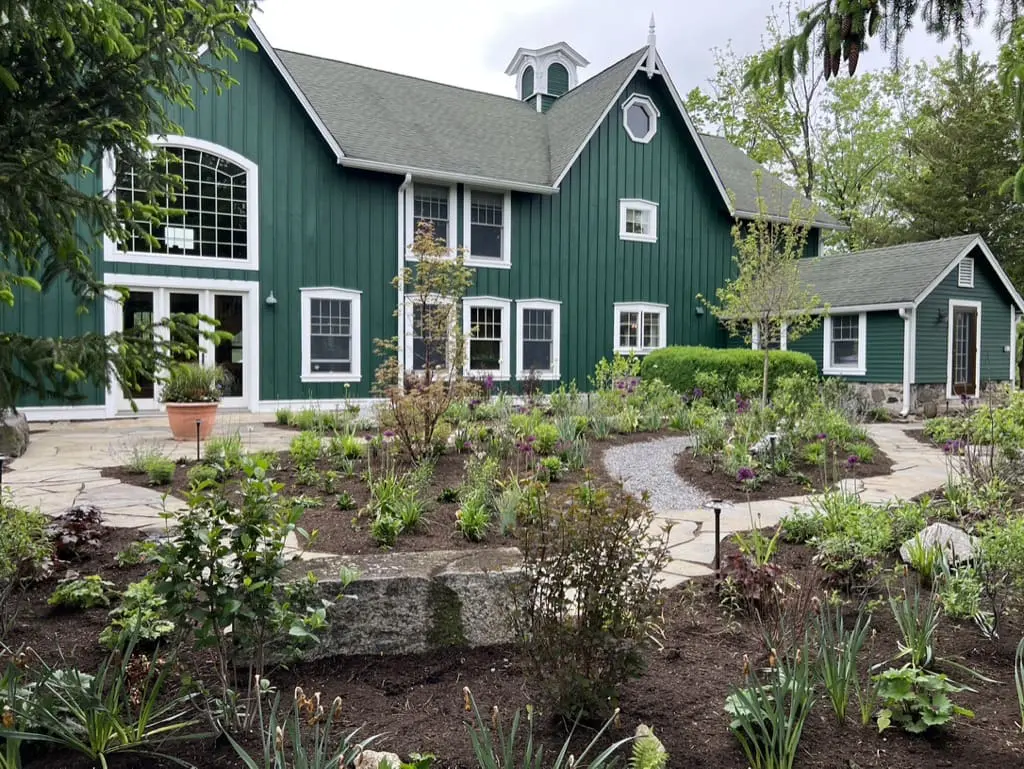
A new garden is on display at the Wainwright House entrance in Rye, NY.

The project was spearheaded by Delia Bajuk, a Rye High School junior  and president of the RHS environmental club, who took an interest in supporting pollinators and biodiversity locally. Delia contacted Green Jay in the winter of 2022 with her idea of developing a pollinator garden at the public and highly visible Wainwright House.

Wainwright House, a historic mansion and now public event space in Rye, NY.
“So, it was the coronavirus, and I was looking at everything, I was looking at the bees, the birds and the hummingbirds, and I thought to myself wouldn’t it be great to have an area where we can bring this all together,” Delia explained.

Rye High School Student Volunteers, including Delia (center).

“My mom, she was on the board of Wainwright. This is a beautiful place that really fosters love for the environment, love for Rye, so I figured, why not put one right here?”

Pollinatro Garden Design Plan by Green Jay Landscpaing

Green Jay’s Nature Design Studio completed the design over the winter and provided Delia with a budget for the plant material; Delia worked on securing funding and student volunteers for the install. Rye Rotary was a significant doner for the project and half a dozen young women and the environmental club advisor showed up on an unseasonably hot and humid Saturday to put in the sweat equity.

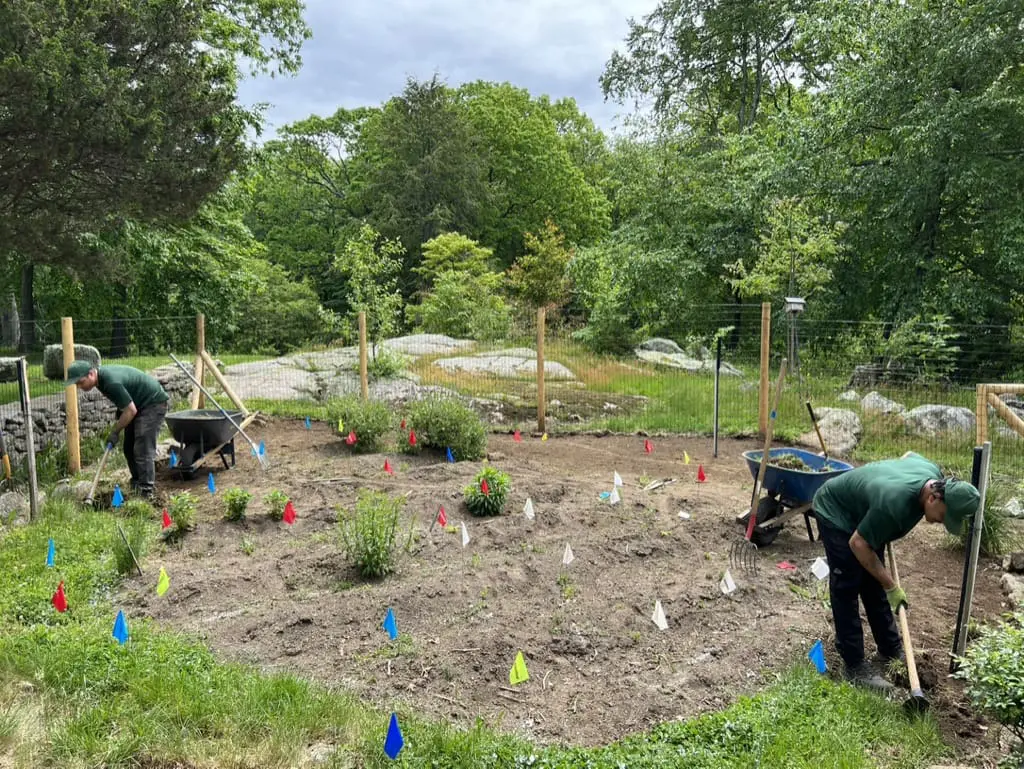
Step one, dethatch turf from new garden area.
Students incorporating new topsoil to the garden area.

The design is (as usual) heavy on native plants, starting with a specimen tree, the ecological powerhouse that is River Birch. According to Doug Talamy’s research, Birches support over 413 species of Lepidoptera (moths and butterflies) and countless species of birds.

The River Birch is underplanted with a smattering of native woodland perennials including one of our favorites, Turtlehead. The rest of the bed is filled with native grasses and full sun perennials that pollinators flock to.

Plants placed in designed layout, ready for planting!

RHS students helped with every stage of the install, from turf removal, to topsoil and amendment incorporation to planting and soil drenching. Jay offered mini lectures on soil amendments, soil analysis, the importance of soil microbes, biodynamic planting with the moon, and biodiversity. Checkout our Instagram reels (@greenjaylandscaping) for video recap and behind the scenes footage!

Students get planting at a new pollinator garden in Rye, NY.
Student volunteers work alongside Green Jay Landscape Design to install a new organic pollinator garden.
Delia soil drenches the planting with yucca and biostimulants to help offset heat stress on this ninety degree planting day.

Be sure to stop by the Wainwright House (260 Stuyvesant Ave, Rye, NY) and check out the new pollinator garden – first bed on the left as you enter the front gates. They offer workshops on a range of topics from sound baths to stand up paddleboarding.

Happy Summer!

—

Green Jay Landscape Design

Where Design Meets Ecology

914.560.6570

Filed Under: Ecological Education, Featured Work Tagged With: climate activists, community garden, ecological landscape design, ecological landscaping, healthy yard, landscape designer, landscape ecologist, native plant garden, natural landscaping, organic garden, organic landscape, pollinator garden, pro bono, public garden, Rye New York, rye NY, student volunteer, volunteer, wainwright house, Westchester County NY

  • « Go to Previous Page
  • Page 1
  • Interim pages omitted …
  • Page 8
  • Page 9
  • Page 10
  • Page 11
  • Page 12
  • Interim pages omitted …
  • Page 60
  • Go to Next Page »

Footer

Mailing Address: 222 Purchase Street, #144 Rye, NY 10580
Shop Address: 369 Bradhurst Ave, Hawthorne, NY 10532
(914) 560-6570
  • Facebook
  • Instagram
  • LinkedIn
  • Pinterest
  • YouTube
  • Houzz
  • Slide Share
  • Installation
  • Portfolio
  • Pricing
  • About
  • Contact

Copyright © 2025 · Green Jay Landscape Design. All Rights Reserved · Privacy Policy · Website and Local SEO by Ramblin Jackson