• Skip to main content
  • Skip to footer
Green Jay Landscape Design

Green Jay Landscape Design

Green Jay Landscape Design

(914) 560-6570
  • Design
  • Installation
  • Portfolio
  • Pricing
  • About
    • Service Area
    • Meet Our Team
    • Our Process
    • Our Promise
    • Mission, Vision, & Core Values
    • FAQ
    • Press & Events
    • Blog
    • Reviews
    • Careers
    • Affiliations
  • Contact

greenjayadmin

New video: client testimonial + project snapshots of this five-acre estate in Fairfield County, CT! We had a blast on this estate landscape design project!

This property has many microclimates and opportunities to design unique, native plants capes that provide a multitude of ecological services. Learn more about the project on our previous blog.

More project videos are posted on our YouTube channel and Instagram!

Schedule your estate landscape design consultation or free 15-minute discovery call! Now scheduling landscape design clients for spring & summer 2022.

—

Green Jay Landscape Design

Where Design Meets Ecology
Filed Under: Testimonials, Uncategorized Tagged With: bird habitat, certified wildlife habitat, client review, client testimonial, dream home, eco-friendly, ecological landscape design, ecological landscaping, ecological restoration, estate, estate landscape design, estate management, habitat, healthy yard, landscape designer, landscape ecologist, native plant garden, natural landscaping, organic garden, organic landscape, pollinator garden, pollinator habitat, pollinator pathway, review

Watch this client testimonial from our Landscape Design & Build clients in Hastings-on-Hudson, New York. We thoroughly enjoyed designing this terraced permaculture front yard garden, featuring native plants to support pollinators & birds, vegetables and berry-producing shrubs, a recirculating waterfall and custom natural stone patios & staircase.

Read more about this project on our previous blog: Permaculture Terrace Garden with Erosion Control

More project videos are posted on our YouTube channel and Instagram!

Shout out to Cooper Ponds for constructing the recirculating waterfall, a masterful centerpiece that produces a tranquil sound throughout the landscape.

Recirculating waterfall constructed beautifully by Cooper Ponds.

Read more landscape design & build client reviews. We love our clients!

Now accepting design & build clients! Schedule a free 15-minute discovery call or a professional on-site consultation here.

—

Green Jay Landscape Design

Where Design Meets Ecology
914.560.6570

Filed Under: Uncategorized Tagged With: client review, client testimonial, ecological landscape design, ecological landscaping, edible landscape, erosion control, healthy yard, landscape design client, landscape design review, landscape designer, landscape ecologist, landscaping a slope, native plant garden, natural landscaping, organic garden, organic landscape, permaculture, pollinator garden, review, terrace garden

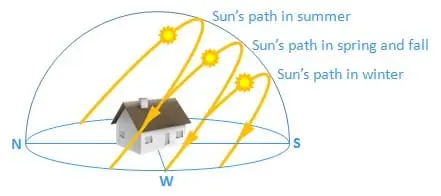
The most important step in Our Process as ecological landscape designers is site evaluation. Many properties, especially estates, have a multitude of microclimates with unique site conditions that allow certain plants to thrive and others to decline.


Sun paths throughout the year. image courtesy of House Plan Helper.


Sun Requirements


Assessing the amount of sunlight goes beyond the aspect (direction) of the zone; afternoon sun is stronger than morning sun, for example. Fences, trees, sheds and neighboring homes may cast significant shadows. Consider all these factors and then decide if your site gets 6-8 hours of direct sunlight daily. If so, consider it a full sun site and pick your plants accordingly.


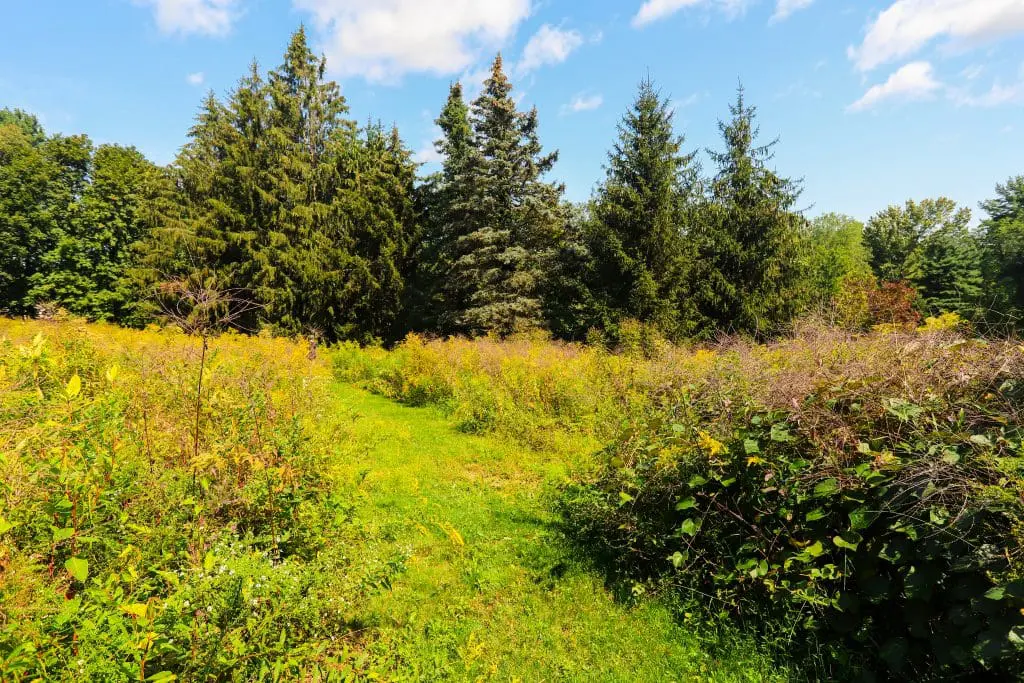
A designed native meadow in Fairfield County, CT.


Full Sun Native Environments


When we think of native full sun landscapes, they include meadows, grasslands, and prairies. Full sun plants often flower for extended periods of time and provide a multitude of ecological benefits, from pollinator & bird habitat to carbon sequestration and stormwater absorption. The landscape design potential and ecosystem service potential are limitless in a full sun native landscape!


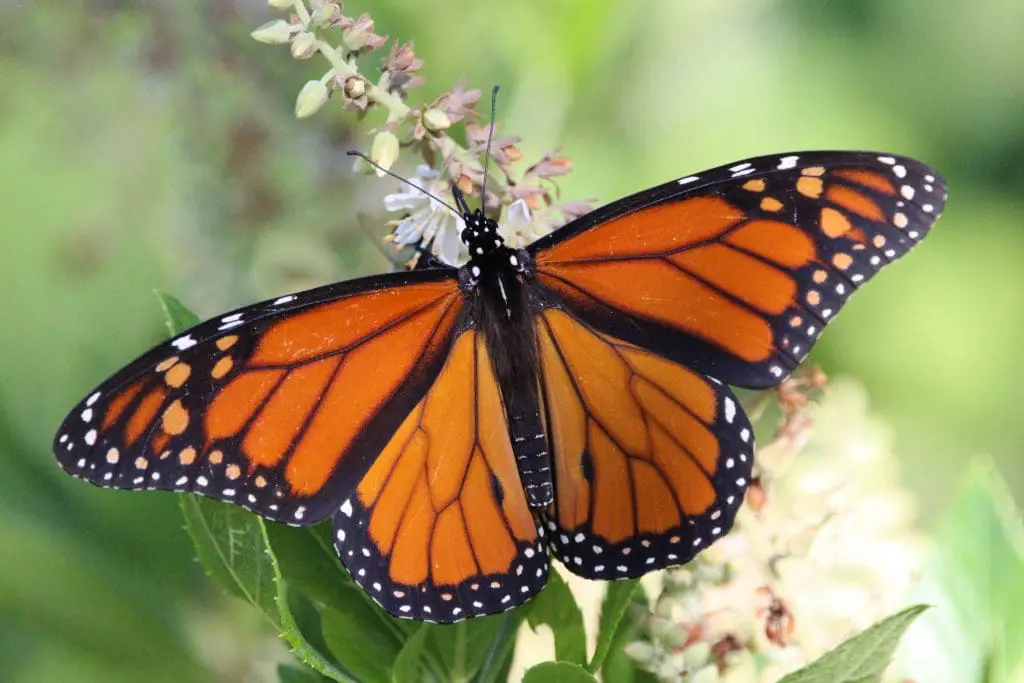
Many of our native, full-sun perennials are host plants for lepidoptera (butterflies and moths). Their nectar provides ample food throughout the growing season, and seed heads become fodder for birds in late summer and fall. Choosing native plants for your full sun site will make your property a thriving haven of birds, bees, and butterflies.

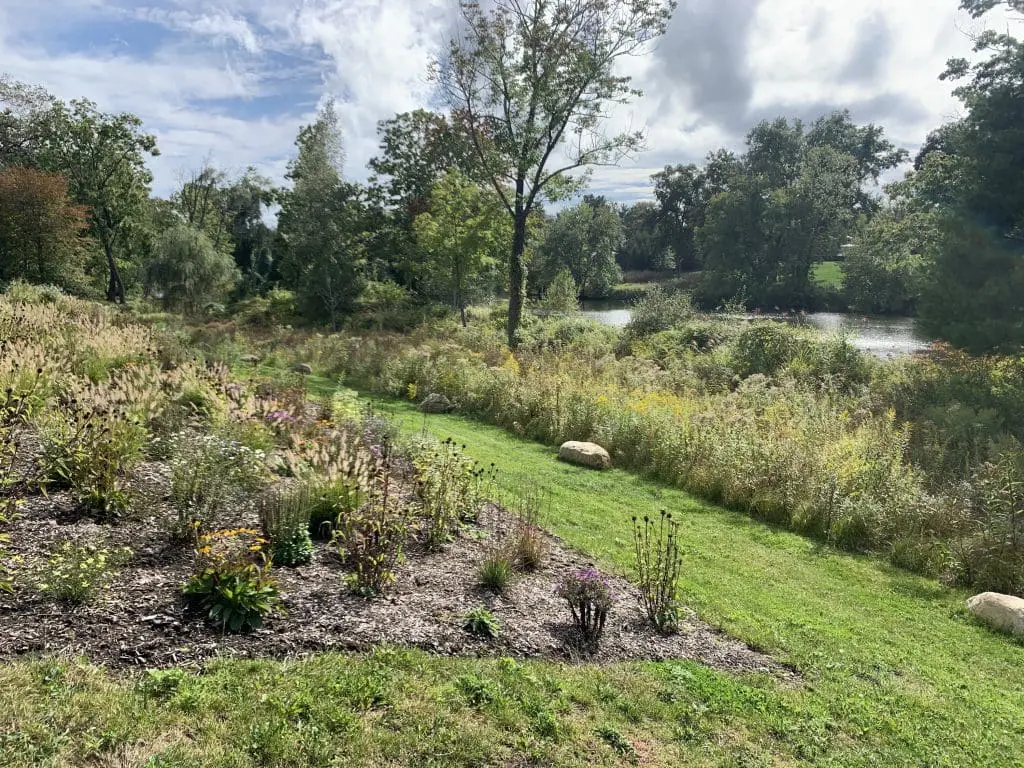
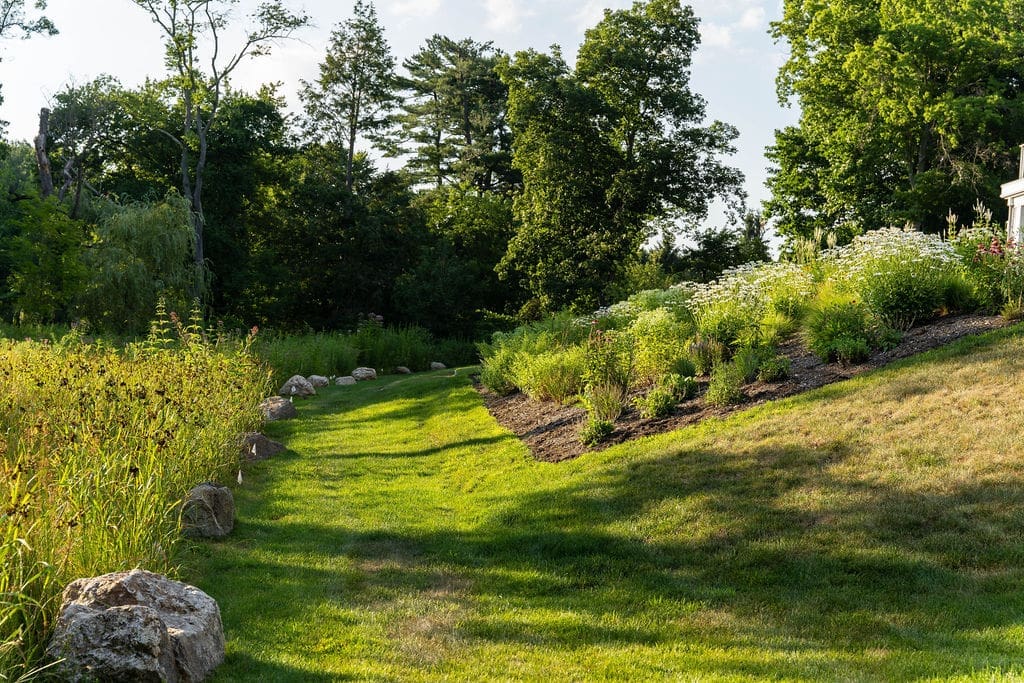
A designed faux-meadow next to an established wet meadow.


Soil Analysis to Inform Landscape Design


It is important to distinguish the hydrology of your site as well. Plants are designated a Wetland Indicator Status that determines how much soil moisture they require.


The scale ranges from:


Obligate Wetland: Occurs almost always in wetlands (99%)


Facultative Wetland: Usually occurs in wetlands, but occasionally found in non-wetlands (67-99%)


Facultative: Equally likely to occur in wetlands and non-wetlands (34-66%)


Facultative Upland: Usually occur in non-wetlands but occasionally found in wetlands (1-33%)


Upland: Almost always occurs in non-wetlands in the specified region (1%)


We start every project by collecting a soil sample and sending it to local labs for physical and chemical analysis. Understanding the soil structure, pH, organic matter content, and essential nutrient & mineral content is quite literally vital information. The results and analysis from the soil test inform our program for amending the soil. Green Jay’s Organic Land Management program always uses organic, natural source products, but each program is tailor-made to the site’s microclimate and design plan.


Most native prairie and meadow plants prefer a lean soil – not too rich in organic matter. We add amendments to cultivate soil microbes, correct pH, alleviate compaction, and add essential nutrients and minerals.


Favorite Native Full Sun Plants


For hot, dry, full sun sites, there are many beautiful natives to choose from. Some of our favorites are:


Blazing Star Liatris


Hyssop Agastache


Blackeyed Susan Rudbeckia


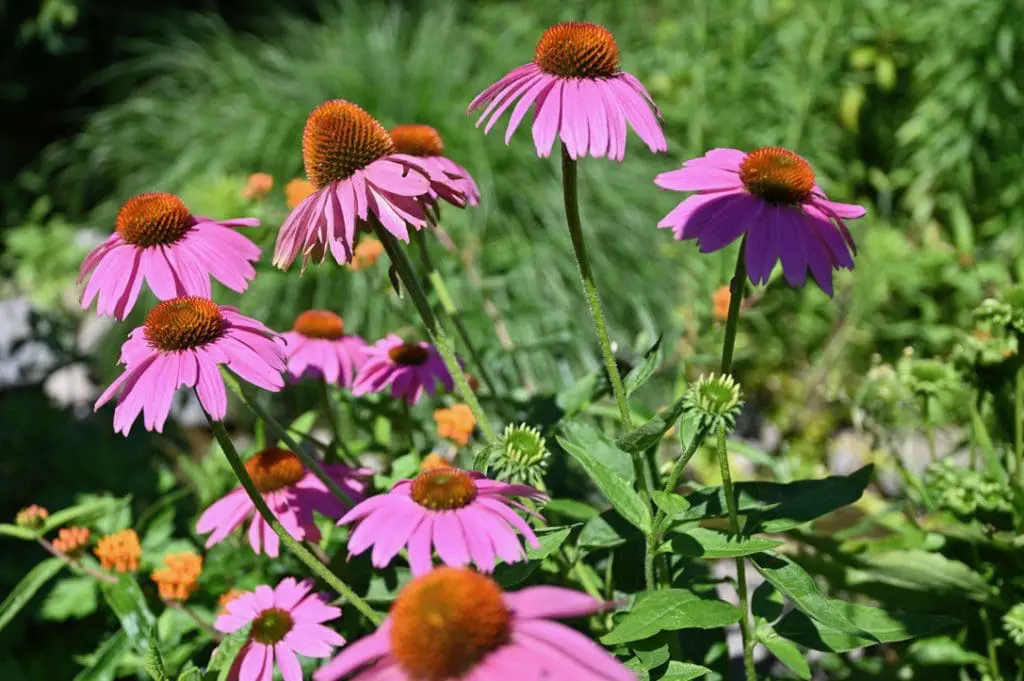
Coneflower Echinacea


Joe Pye Weed Eutrochium


Goldenrod Solidago


Asters Symphyotrichum


For damp to wet, full sun sites, there are also many stunning options, that often are more adept at cleaning soils and water of pollutants.


Cardinal Flower Lobelia


NY Ironweed Vernonia


Swamp Milkweed Asclepias


Swamp Rose Rosa


Blue Flag Iris Iris


Examples of Our Landscape Design Work on Full Sun Sites


Some of our fondest projects have been in beautiful, sunny Fairfield County, CT. Below is a roundup of our best landscape design work.


Private Nature Preserve in Greenwich, Connecticut

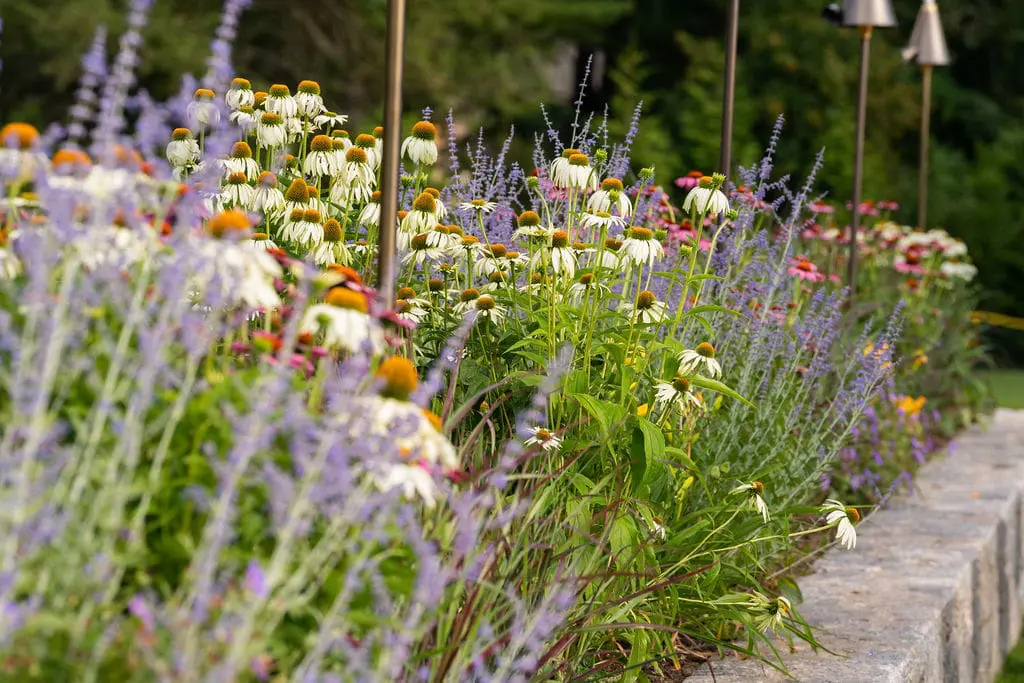
Perennial massing for a strong visual border along the pool area.


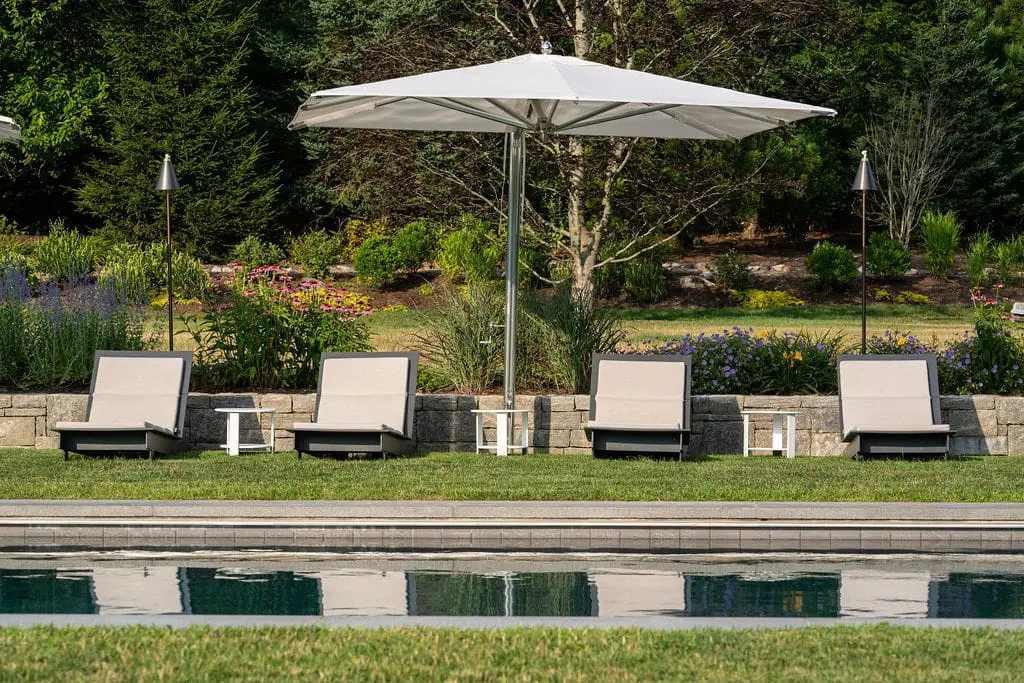
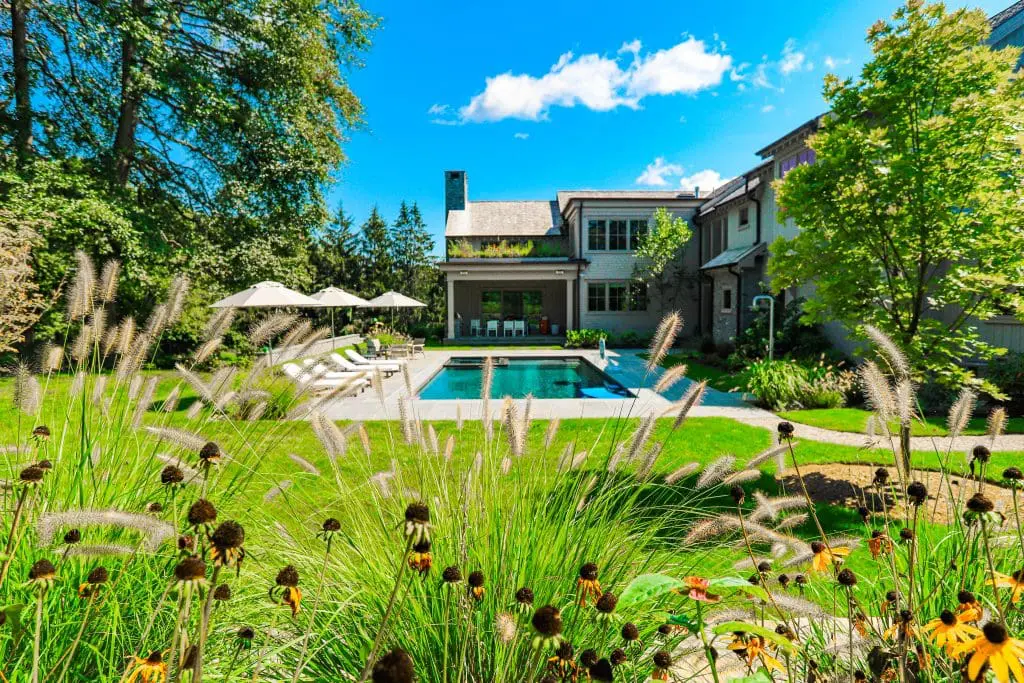
This stunning Connecticut estate has many full sun zones, including dual designed meadow gardens that flank an outdoor staircase. The pool area also received updated landscaping through long-blooming perennial gardens.


Modern pool landscaping featuring native perennials for pollinators.


Read more about the project on our previous blog post: #1 Estate-Scale Private Nature Preserve .


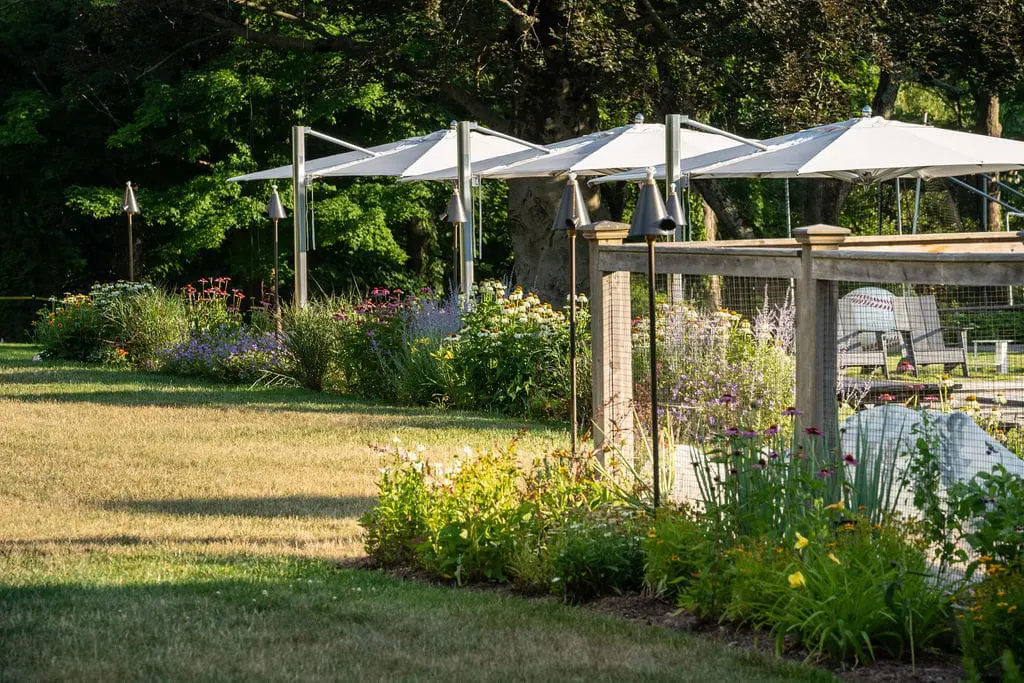
Garden beds define and relate landscape areas (ie. pool area and vegetable garden)


Modern Ecological Poolscape & Front Entry | Darien, CT


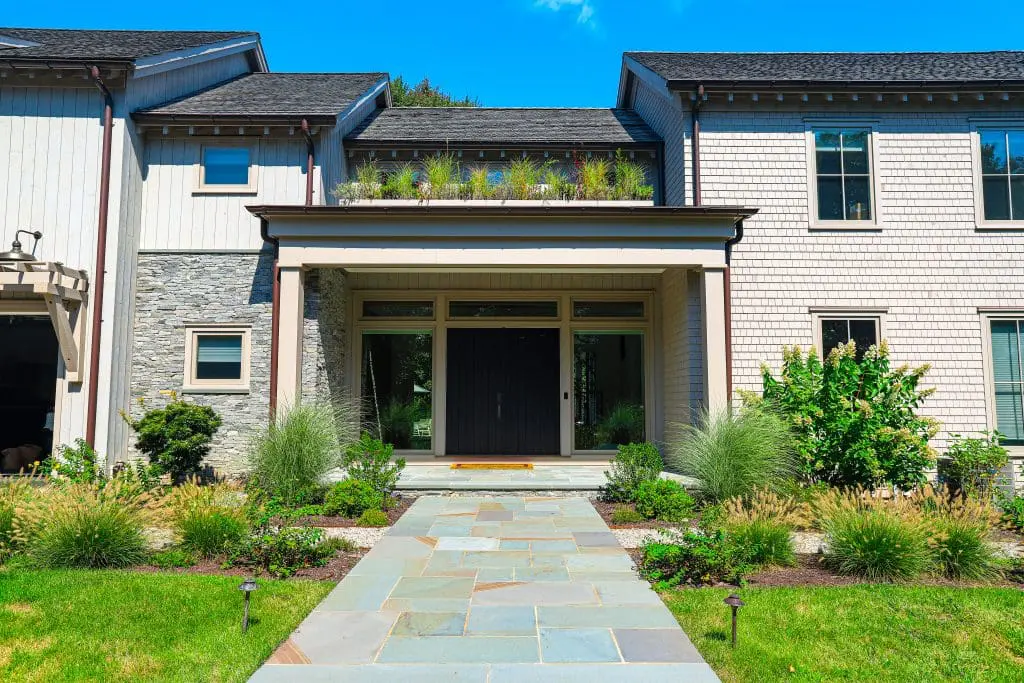
We had so much fun working on this contemporary home’s landscape plan, fusing together a clean minimalist aesthetic with ecologically beneficial plants. Textured, layered planting beds create habitat while contrasting with grand masonry. The existing meadow needed a revamp as much of the initial plant diversity had been lost due to improper management. Learn more about the project on our previous blog.


Front Yard Permaculture Garden | Darien, CT


This was an incredibly unique project that incorporated permaculture theory, edibles, and making the front yard a functional chicken enclosure! Thank you to our amazing clients for reimagining front yard beauty standards! This Darien, CT property is productive, organic and provides countless ecosystem services. Learn more about the project on our previous blog.


Filed Under: Landscape Design Tagged With: bird habitat, carbon smart landscaping, darien, Darien Connecticut, ecological landscape design, ecological landscaping, FAIRFIELD COUNTY CT, Fairfield county landscape design, greenwich CT, healthy yard, landscape designer, landscape ecologist, native plant garden, natural landscaping, New Canaan CT, organic garden, organic landscape, pollinator garden, pollinator habitat, pollinator pathways, pollinator pathways darien, Ridgefield, westport CT

Thanks to the excellent reporting from Westchester Magazine, there is more attention and public awareness than ever on ecological landscape design.  Residential neighborhoods all over Westchester, Putnam & Fairfield counties are turning toward organic landscaping that mitigates climate change, restores habitats, and maximizes ecosystem services. As spring approaches, now is a perfect time to evaluate your landscape from an ecological perspective. Consider hiring a landscape designer to help transform your property into an eco-friendly yard. Jay Archer was featured along with our much-respected colleagues, Amanda Bayley of Plan it Wild and Catherine Wachs of The Lazy Gardner, all of whom provide valuable tips and tricks for an environmentally-friendly home landscape.

Jay’s home landscape is a symphony of native flowering perennials, shrubs, trees & a designed stream & waterfall.

Jay Archer’s Tips for an Eco-Friendly Yard

Jay’s advice for transitioning from tradition, chemical-based landscaping to organic and ecological landscape design is as follows:

“The most important rule is to do no harm. We can do much more to make our green spaces healthier. For biological life, we need to increase biodiversity. We recommend improving soil health and adding native plants. This will contribute to better health at home and improve air quality around your house. You can build something almost like a private nature preserve on your own property. Mulching grass clippings and shredding leaves adds nutrients back into the soil and acts as a natural fertilizer. Most people overwater their lawns; you can save water by not using irrigation systems if you don’t need them. It’s never too late to start making improvements somewhere.”

Read the full article here.

Jay Archer, founder & president of Green Jay Landscape Design, shares tips for eco-friendly landscaping.

Contact us to schedule your ecological landscape design project!

Filed Under: Ecological Education, Uncategorized Tagged With: advice, advice from a landscape designer, eco-friendly landscape, eco-friendly lawn, ecological landscape design, ecological landscaping, healthy yard, landscape designer, landscape ecologist, landscaping tips, mulch mowing, native plant garden, natural landscaping, organic garden, organic landscape, pollinator garden

Reposting the thoughtful words from our friends at the Society of Ecological Restoration on the recent Russian attack on Ukraine and its far-reaching impacts.

Feature photo caption: “Polesia, Europe’s greatest intact floodplain, straddles the borders of Poland, Belarus, Ukraine, and Russia. This region, which already faces degradation from climate change, hunting, logging, and mining, is now threatened by war.“

“Conflict and violence are easy. Peace and the respect of people and nature are hard to achieve. During times of conflict, people and nature are profoundly harmed. But many people fail to recognize the integral link between ecosystem degradation and human conflict. First, as ecosystems are degraded, human security (e.g., food, water, social, and economic security) is also degraded, creating the potential for a vicious cycle of conflict. Second, once a conflict starts, ecological destruction is regularly used as a weapon of war, harming both nature and people.

The loss of human lives and social order as a result of the invasion of Ukraine is already shockingly and unacceptably high. The war in Ukraine will irreversibly exacerbate environmental degradation: from freshwater pollution to the threat of radioactive contamination from armed attacks carried out around the Chernobyl and Zaporizhzhya nuclear power plants. The Ukrainian invasion is even more alarming given the fragile state of our global environment due to climate change – as graphically articulated in the 6th IPCC report released this week. At a time when all countries, all leaders, and all people must work together to repair the environment and promote peace, we are instead addressing a senseless conflict that is killing people and destroying nature. 

Putin’s invasion also seriously threatens the work of conservation organizations in Ukraine and Belarus, including those working to protect and restore Polesia, Europe’s largest intact wetland. Ukraine has recently increased protections for several parts of Polesia. Birdlife Belarus has led the restoration of more than 17,000 hectares of mires, an amazing benefit for people and nature, including increasing carbon capture. Conservation status, however, is meaningless during a conflict, let alone a war. The desire to preserve their ecosystems even in such conditions makes civilians vulnerable – champions of nature, like champions of justice, are among the earliest victims of intolerance. Just last week the Belarus government threatened to formally dissolve Birdlife Belarus. 

War and violence take human society backwards; destroy lives, communities, and ecosystems; and they rarely lead to resolution of what precipitated the violence in the first place. It is difficult to understand the ecological consequences of the invasion of Ukraine thus far, let alone those to come if this conflict is not stopped. The people of Ukraine and around the world deserve to be able to chart their own path in peace and to live in harmony with a clean and healthy environment. 

As a global community of restoration practitioners and scientists, SER condemns the Russian invasion of Ukraine and urges all nations to take all possible diplomatic actions to immediately seek a peaceful solution to this invasion, one that protects human life, Ukrainian sovereignty, and nature from the permanent wounds of war.  

Kingsley Dixon, Chair, SER Board of Directors

Jordi Cortina, Chair, SER-Europe Board of Directors

Mykhailo Paslavskyi, SER Member

Olga Kildisheva, SER Member

James Hallett, SER Vice Chair

Kris Decleer, SER and SER-Europe Board

George Gann, SER International Policy Lead

Bethanie Walder, SER Executive Director

No matter where you live in the world, please share this letter and your concerns with your national elected officials, post this letter on your social channels, and consider supporting a reputable charity to support the victims of the invasion. For example, SER-Europe has just learned that the Danube-Carpathian Program has expanded its scope from nature conservation in the Lviv region to providing humanitarian aid.“

Filed Under: Ecological Education Tagged With: 2022, refugees, russia, society for ecological restoration, ukraine, ukraine invasion, ukrainestrong, war

A large part of our ecological consulting work involves wetlands throughout Fairfield County, Westchester County and Putnam County.  In some settings, we partner with licensed wetland scientists or soil scientists to delineate the wetland area on the property — critical site information that informs the landscape design.

How Do You Know If You Need a Wetland Consultant?

Mitigation

Depending on where you live and local regulations, you may be required to install wetland mitigation plantings to offset development in the wetland area.  

If your survey doesn’t show the wetland area, you may need to hire a wetland consultant to delineate the wetland. The wetland consultant surveys the property’s soil and maps out the soil moisture levels.

With the context of a wetland soil map, we can design a beautiful mitigation planting that matches soil moisture. Plants are defined by a wetland indicator status of one of the following:

  • Obligate Wetland: almost always occur in wetlands
  • Facultative Wetland: usually occurs in wetlands, but sometimes occurs in non-wetlands
  • Facultative: occurs in wetlands and non-wetlands
  • Facultative Upland: usually occurs in non-wetlands, but sometimes occurs in wetlands

These plants are always native, and serve multiple ecosystem services: up taking, filtering, and recirculating water; providing habitat for insects & birds; stabilizing soil and preventing erosion, to name a few.

Erosion-Prone Slopes

For this steep lakeside slope, we collaborated with a wetland consultant and engineer to develop an erosion control plan for the slope that demonstrated that sediment would not be transported into the lake below.

By developing the erosion control plan, we were able to receive a waiver from the town that avoided the wetland permit, a much more cost effective and timely option.

The erosion control devices employed included:

  • Silt fence surrounded site to prevent sediment loading during construction
  • Constructed stone terraces for garden beds and walkways
  • Installed log water bars in walkways to slow down stormwater
  • Installed compostable Filtrexx socks along terrace edges to slow and absorb stormwater
  • Filled beds with engineered soil: 80% mineral, 20% organic matter
  • Planted into jutte netting, allows plants to be held in place as root system develops
  • Plant palette of deeply-rooted native plants
    • Planting timely is very important. Do not leave bare soil! Cover with hay if you cannot complete planting.

Read all about this Lake Peekskill, NY project on our previous blog.

Contact us to discuss a wetland on your property, or any other landscape design questions you may have. Now scheduling consultations and 2022 design & installation work.

—

Green Jay Landscape Design

Where Design Meets Ecology

914.560.6570

Filed Under: Ecological Education, Uncategorized Tagged With: eco-consulting, ecological consulting, ecological landscape design, ecological landscaping, environmental consultant, healthy yard, landscape designer, landscape ecologist, native plant garden, natural landscaping, organic garden, organic landscape, pollinator garden, soil scientist, wetland consultant, wetland scientist
  • « Go to Previous Page
  • Page 1
  • Interim pages omitted …
  • Page 10
  • Page 11
  • Page 12
  • Page 13
  • Page 14
  • Interim pages omitted …
  • Page 60
  • Go to Next Page »

Footer

Mailing Address: 222 Purchase Street, #144 Rye, NY 10580
Shop Address: 369 Bradhurst Ave, Hawthorne, NY 10532
(914) 560-6570
  • Facebook
  • Instagram
  • LinkedIn
  • Pinterest
  • YouTube
  • Houzz
  • Slide Share
  • Installation
  • Portfolio
  • Pricing
  • About
  • Contact

Copyright © 2025 · Green Jay Landscape Design. All Rights Reserved · Privacy Policy · Website and Local SEO by Ramblin Jackson