• Skip to main content
  • Skip to footer
Green Jay Landscape Design

Green Jay Landscape Design

Green Jay Landscape Design

(914) 560-6570
  • Design
  • Installation
  • Portfolio
  • Pricing
  • About
    • Service Area
    • Meet Our Team
    • Our Process
    • Our Promise
    • Mission, Vision, & Core Values
    • FAQ
    • Press & Events
    • Blog
    • Reviews
    • Careers
    • Affiliations
    • Newsletter Sign-up
  • Contact

greenjayadmin

Thanks to the excellent reporting from Westchester Magazine, there is more attention and public awareness than ever on ecological landscape design.  Residential neighborhoods all over Westchester, Putnam & Fairfield counties are turning toward organic landscaping that mitigates climate change, restores habitats, and maximizes ecosystem services. As spring approaches, now is a perfect time to evaluate your landscape from an ecological perspective. Consider hiring a landscape designer to help transform your property into an eco-friendly yard. Jay Archer was featured along with our much-respected colleagues, Amanda Bayley of Plan it Wild and Catherine Wachs of The Lazy Gardner, all of whom provide valuable tips and tricks for an environmentally-friendly home landscape.

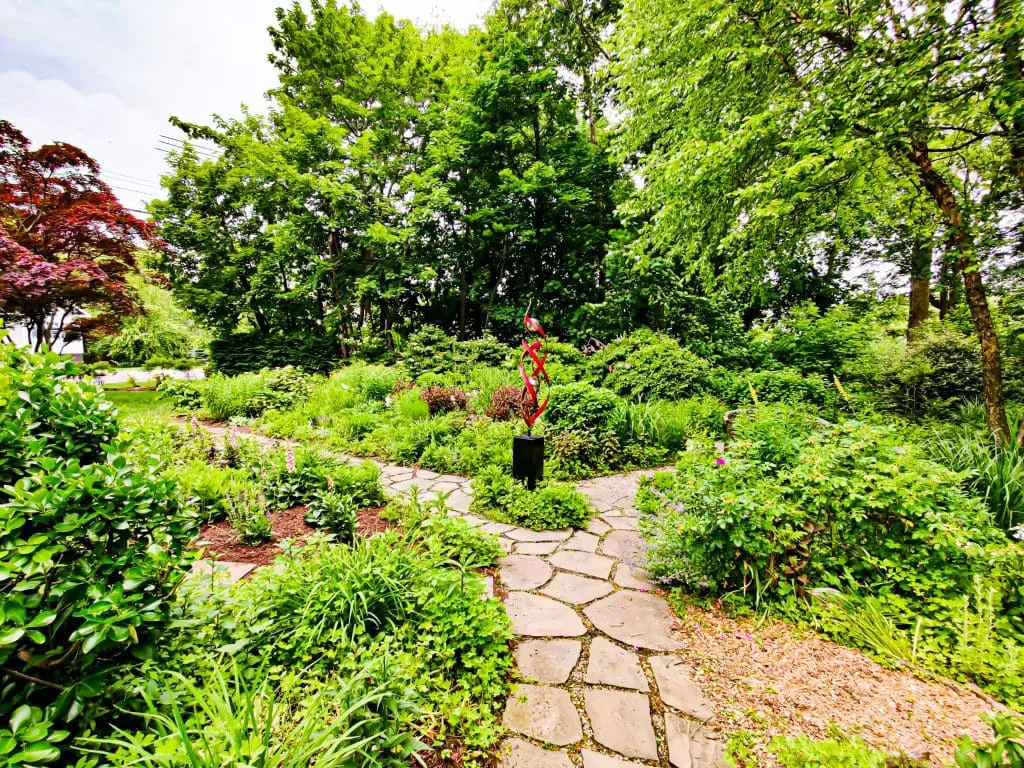
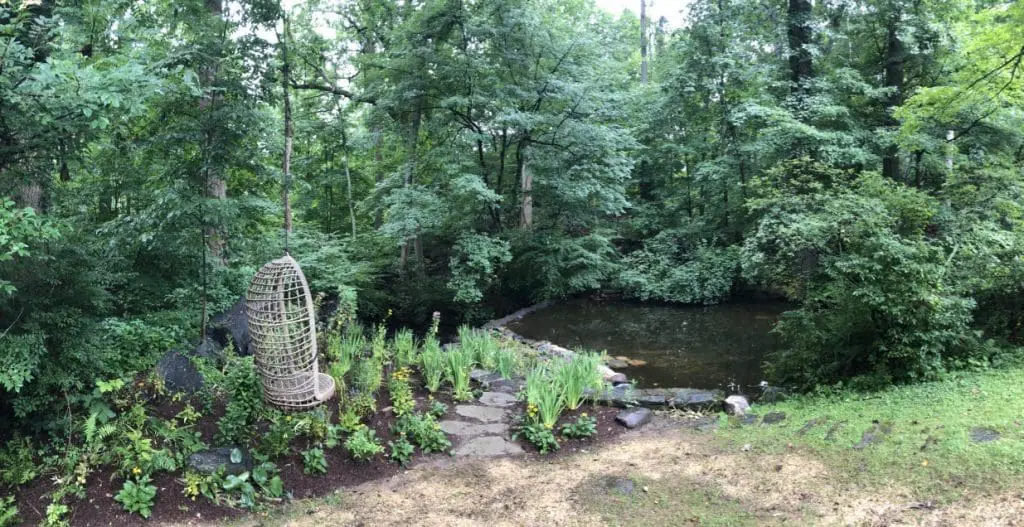
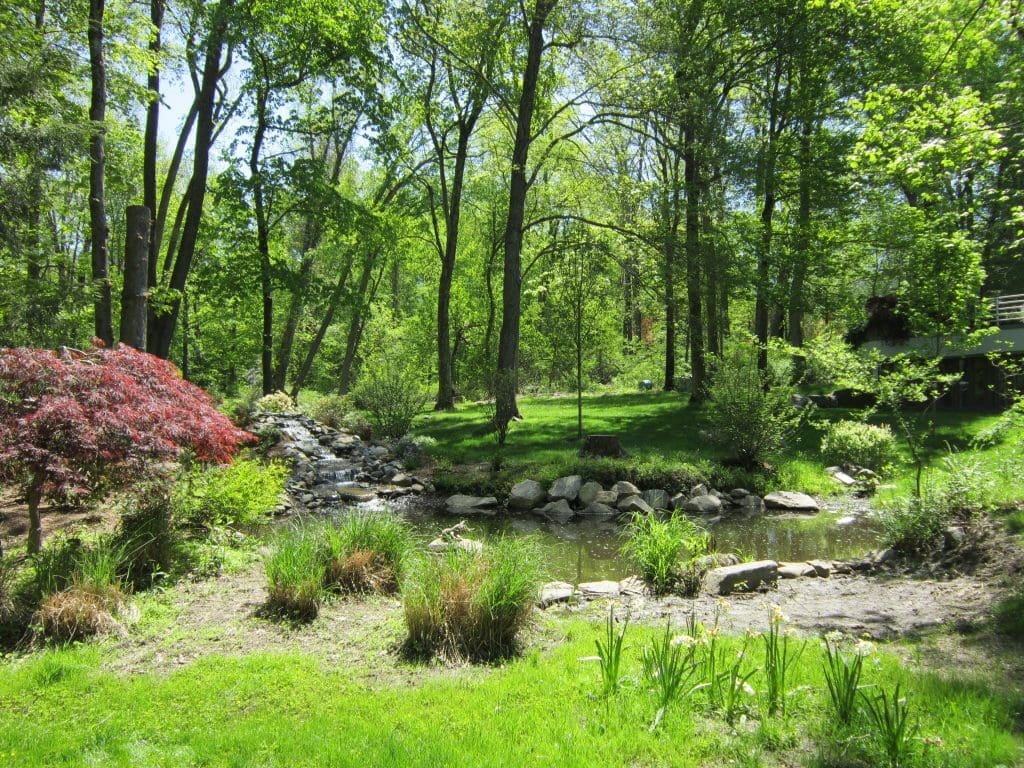
Jay’s home landscape is a symphony of native flowering perennials, shrubs, trees & a designed stream & waterfall.

Jay Archer’s Tips for an Eco-Friendly Yard

Jay’s advice for transitioning from tradition, chemical-based landscaping to organic and ecological landscape design is as follows:

“The most important rule is to do no harm. We can do much more to make our green spaces healthier. For biological life, we need to increase biodiversity. We recommend improving soil health and adding native plants. This will contribute to better health at home and improve air quality around your house. You can build something almost like a private nature preserve on your own property. Mulching grass clippings and shredding leaves adds nutrients back into the soil and acts as a natural fertilizer. Most people overwater their lawns; you can save water by not using irrigation systems if you don’t need them. It’s never too late to start making improvements somewhere.”

Read the full article here.
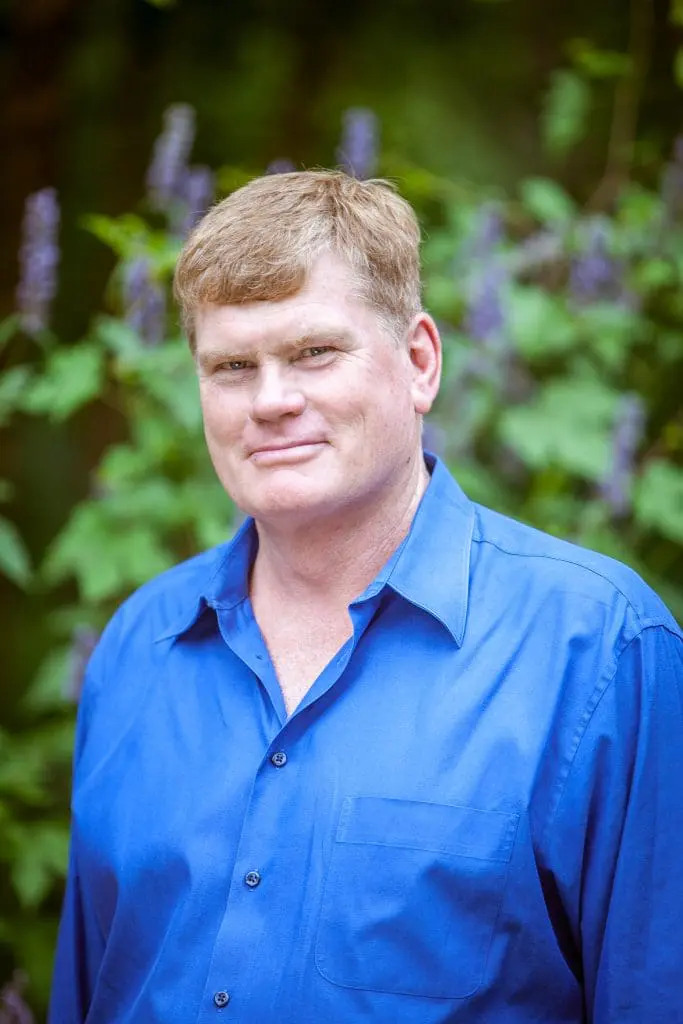
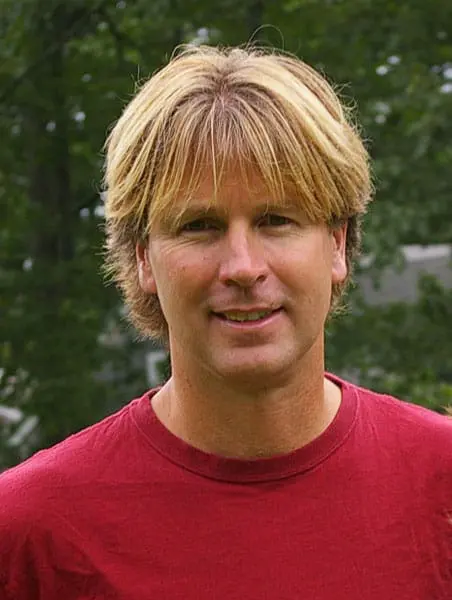
Jay Archer, founder & president of Green Jay Landscape Design, shares tips for eco-friendly landscaping.

Contact us to schedule your ecological landscape design project!
Filed Under: Ecological Education, Uncategorized Tagged With: advice, advice from a landscape designer, eco-friendly landscape, eco-friendly lawn, ecological landscape design, ecological landscaping, healthy yard, landscape designer, landscape ecologist, landscaping tips, mulch mowing, native plant garden, natural landscaping, organic garden, organic landscape, pollinator garden

Reposting the thoughtful words from our friends at the Society of Ecological Restoration on the recent Russian attack on Ukraine and its far-reaching impacts.

Feature photo caption: “Polesia, Europe’s greatest intact floodplain, straddles the borders of Poland, Belarus, Ukraine, and Russia. This region, which already faces degradation from climate change, hunting, logging, and mining, is now threatened by war.“

“Conflict and violence are easy. Peace and the respect of people and nature are hard to achieve. During times of conflict, people and nature are profoundly harmed. But many people fail to recognize the integral link between ecosystem degradation and human conflict. First, as ecosystems are degraded, human security (e.g., food, water, social, and economic security) is also degraded, creating the potential for a vicious cycle of conflict. Second, once a conflict starts, ecological destruction is regularly used as a weapon of war, harming both nature and people.

The loss of human lives and social order as a result of the invasion of Ukraine is already shockingly and unacceptably high. The war in Ukraine will irreversibly exacerbate environmental degradation: from freshwater pollution to the threat of radioactive contamination from armed attacks carried out around the Chernobyl and Zaporizhzhya nuclear power plants. The Ukrainian invasion is even more alarming given the fragile state of our global environment due to climate change – as graphically articulated in the 6th IPCC report released this week. At a time when all countries, all leaders, and all people must work together to repair the environment and promote peace, we are instead addressing a senseless conflict that is killing people and destroying nature. 

Putin’s invasion also seriously threatens the work of conservation organizations in Ukraine and Belarus, including those working to protect and restore Polesia, Europe’s largest intact wetland. Ukraine has recently increased protections for several parts of Polesia. Birdlife Belarus has led the restoration of more than 17,000 hectares of mires, an amazing benefit for people and nature, including increasing carbon capture. Conservation status, however, is meaningless during a conflict, let alone a war. The desire to preserve their ecosystems even in such conditions makes civilians vulnerable – champions of nature, like champions of justice, are among the earliest victims of intolerance. Just last week the Belarus government threatened to formally dissolve Birdlife Belarus. 

War and violence take human society backwards; destroy lives, communities, and ecosystems; and they rarely lead to resolution of what precipitated the violence in the first place. It is difficult to understand the ecological consequences of the invasion of Ukraine thus far, let alone those to come if this conflict is not stopped. The people of Ukraine and around the world deserve to be able to chart their own path in peace and to live in harmony with a clean and healthy environment. 

As a global community of restoration practitioners and scientists, SER condemns the Russian invasion of Ukraine and urges all nations to take all possible diplomatic actions to immediately seek a peaceful solution to this invasion, one that protects human life, Ukrainian sovereignty, and nature from the permanent wounds of war.  

Kingsley Dixon, Chair, SER Board of Directors

Jordi Cortina, Chair, SER-Europe Board of Directors

Mykhailo Paslavskyi, SER Member

Olga Kildisheva, SER Member

James Hallett, SER Vice Chair

Kris Decleer, SER and SER-Europe Board

George Gann, SER International Policy Lead

Bethanie Walder, SER Executive Director

No matter where you live in the world, please share this letter and your concerns with your national elected officials, post this letter on your social channels, and consider supporting a reputable charity to support the victims of the invasion. For example, SER-Europe has just learned that the Danube-Carpathian Program has expanded its scope from nature conservation in the Lviv region to providing humanitarian aid.“

Filed Under: Ecological Education Tagged With: 2022, refugees, russia, society for ecological restoration, ukraine, ukraine invasion, ukrainestrong, war

A large part of our ecological consulting work involves wetlands throughout Fairfield County, Westchester County and Putnam County.  In some settings, we partner with licensed wetland scientists or soil scientists to delineate the wetland area on the property — critical site information that informs the landscape design.

How Do You Know If You Need a Wetland Consultant?

Mitigation

Depending on where you live and local regulations, you may be required to install wetland mitigation plantings to offset development in the wetland area.  

If your survey doesn’t show the wetland area, you may need to hire a wetland consultant to delineate the wetland. The wetland consultant surveys the property’s soil and maps out the soil moisture levels.

With the context of a wetland soil map, we can design a beautiful mitigation planting that matches soil moisture. Plants are defined by a wetland indicator status of one of the following:

  • Obligate Wetland: almost always occur in wetlands
  • Facultative Wetland: usually occurs in wetlands, but sometimes occurs in non-wetlands
  • Facultative: occurs in wetlands and non-wetlands
  • Facultative Upland: usually occurs in non-wetlands, but sometimes occurs in wetlands

These plants are always native, and serve multiple ecosystem services: up taking, filtering, and recirculating water; providing habitat for insects & birds; stabilizing soil and preventing erosion, to name a few.

Erosion-Prone Slopes

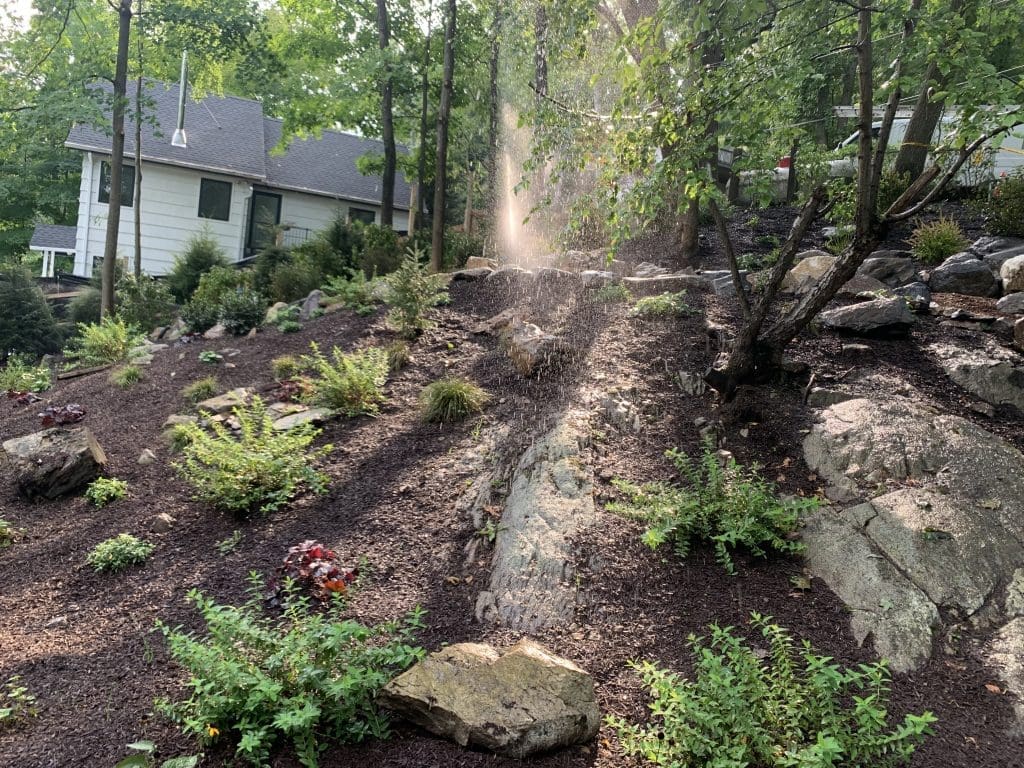
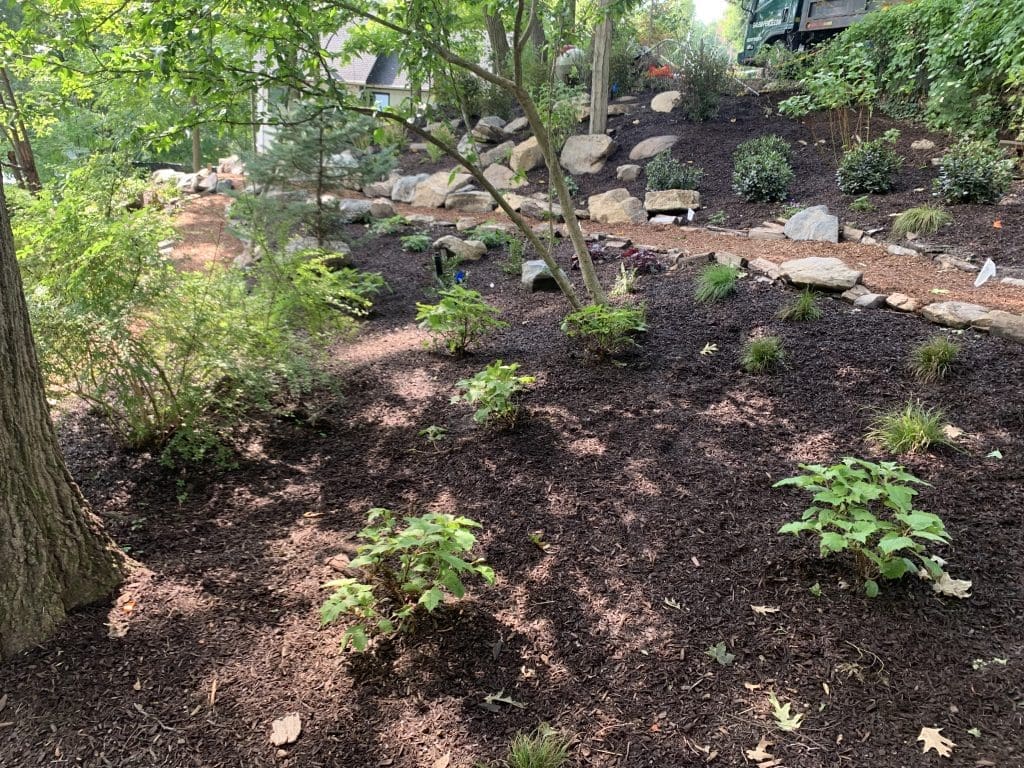
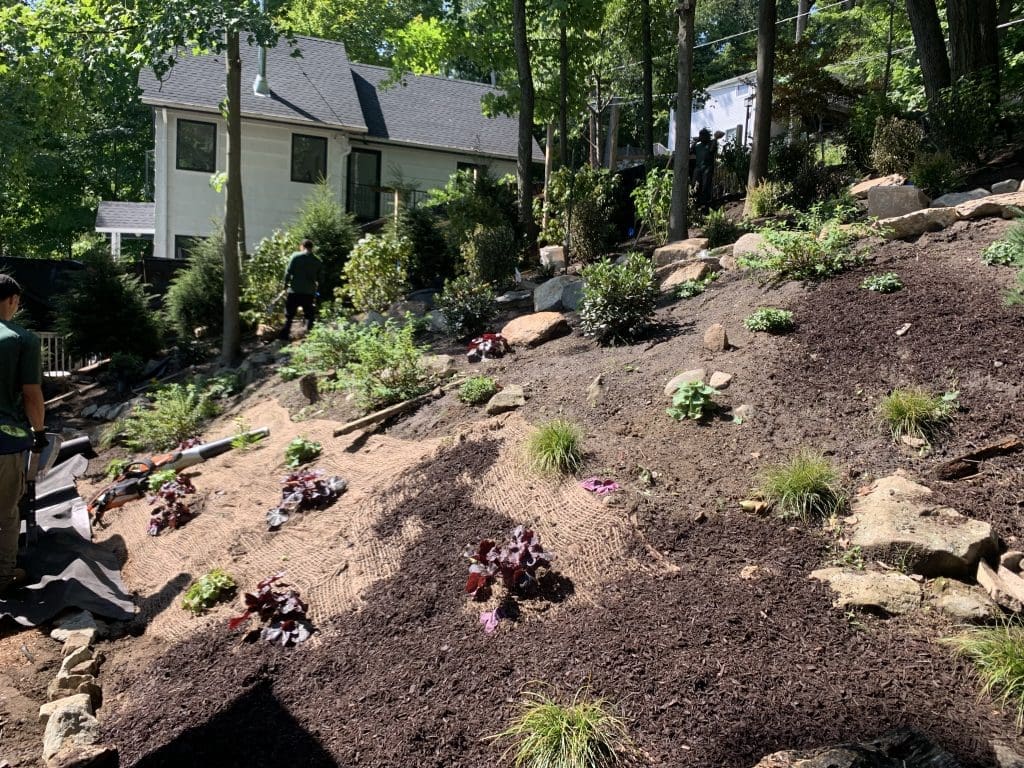
For this steep lakeside slope, we collaborated with a wetland consultant and engineer to develop an erosion control plan for the slope that demonstrated that sediment would not be transported into the lake below.

By developing the erosion control plan, we were able to receive a waiver from the town that avoided the wetland permit, a much more cost effective and timely option.

The erosion control devices employed included:

  • Silt fence surrounded site to prevent sediment loading during construction
  • Constructed stone terraces for garden beds and walkways
  • Installed log water bars in walkways to slow down stormwater
  • Installed compostable Filtrexx socks along terrace edges to slow and absorb stormwater
  • Filled beds with engineered soil: 80% mineral, 20% organic matter
  • Planted into jutte netting, allows plants to be held in place as root system develops
  • Plant palette of deeply-rooted native plants
    • Planting timely is very important. Do not leave bare soil! Cover with hay if you cannot complete planting.

Read all about this Lake Peekskill, NY project on our previous blog.

Contact us to discuss a wetland on your property, or any other landscape design questions you may have. Now scheduling consultations and 2022 design & installation work.

—

Green Jay Landscape Design

Where Design Meets Ecology

914.560.6570

Filed Under: Ecological Education, Uncategorized Tagged With: eco-consulting, ecological consulting, ecological landscape design, ecological landscaping, environmental consultant, healthy yard, landscape designer, landscape ecologist, native plant garden, natural landscaping, organic garden, organic landscape, pollinator garden, soil scientist, wetland consultant, wetland scientist

Among the positively powerful emotions and deep feelings we experience as a result of realizing a naturalistic landscape composition are joy, wonder, curiosity and fascination. Exciting and serene, creative artistic landscapes offer visual interest and stimulation while serving many practical ecological services and value, among them are resource conservation, carbon sequestration, wildlife habitat and most importantly probiotic biology necessary for the good health and proper function of our bodies immune system. Quite simply, we need plants to clean the air and water, supply food and medicine as well as provide healthy habitat for humanity. These are the tenets of ecological landscape design, and our r’aison d’etre for starting and running Green Jay Landscape Design.

We need green space to support human life! Important to know, not all green spaces are created equal. Many, if not most, landscapes, parks and schoolyards are unhealthy and biologically and ecologically unproductive environments. If this surprises and shocks you…good ! Collectively, culturally speaking, we are doing a very poor job of nurturing what’s left of the natural world. 

It is important to realize that there really is very little nature left! There are elements and remnants of nature, of the natural world, but very little of the essential elements and resources necessary for life on Earth.


So what do we do about it ?
We design and construct highly productive ecological landscape environments which conserve, preserve and protect what’s left of our precious natural resources for our own human health and the health of the planet. Contact us to start your landscape design project!
   Live the Life You Love,
        Jay

Filed Under: Ecological Education, Uncategorized Tagged With: bird habitat, conservation, ecological landscape design, ecological landscaping, ecosystem services, habitat garden, healthy yard, land stewardship, landscape designer, landscape ecologist, native plant garden, natural landscaping, organic garden, organic landscape, permaculture, pollinator garden, pollinator pathway, preservation, productive landcape, resource conservation

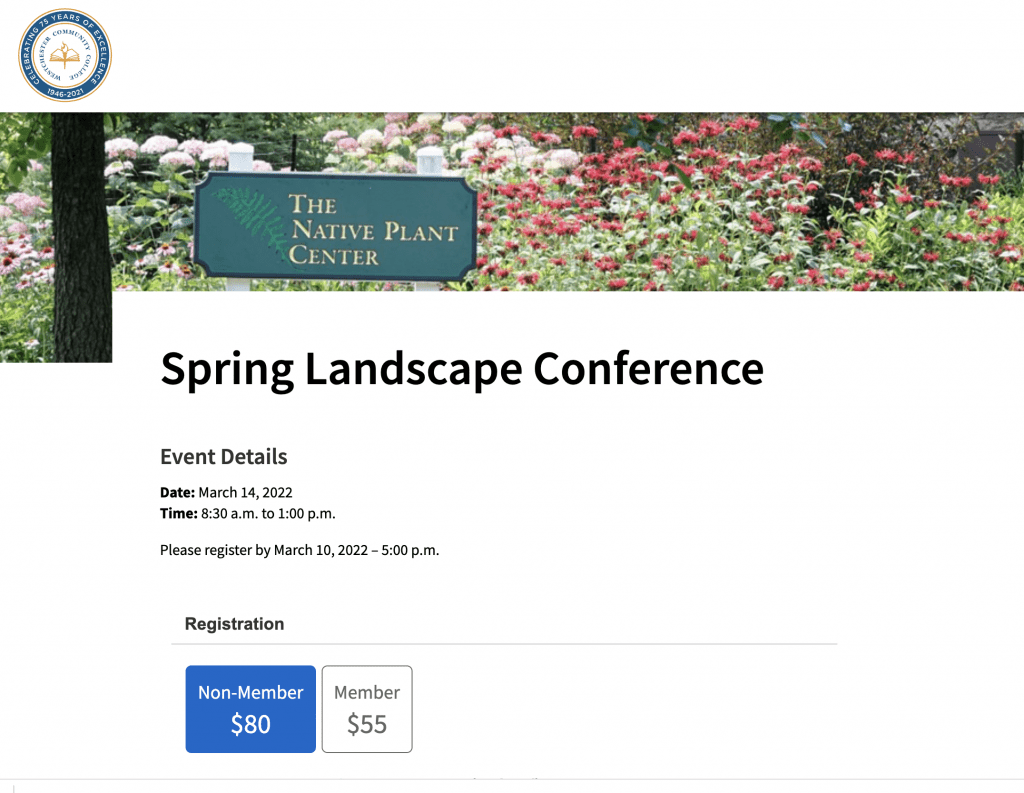
We are delighted to announce an upcoming virtual speaker series featuring our very own founder, Jay Archer! On Monday March 14th, the SUNY Native Plant Center will be hosting its annual 2022 conference, this year titled The New Green Yard: Climate-Wise Practices & Solutions. Jay will be joining an impressive lineup of industry experts to discuss how landscaping and land management can affect real mitigation against climate change.

Registration is due by March 10th and can be completed at www.sunywcc.edu/slc2022. $55 for Members, $80 for Non-Members; continuing education credits available.

Speaker Agenda & Bios

First up on the docket at 9 AM is prolific designer, plantsman, and podcast host Tom Christopher. Christopher’s lecture is titled Growing Greener: A Garden Makeover for the Planet. The synopsis is as follows:

Confronting climate change involves governmental and societal initiatives, but to be successful it must also involve millions of actions by individuals. By transforming your relationship to your personal landscape—changing your understanding of design, plant selection, and management—you can make your garden more beautiful, more fun, more alive, and a key part of the climate solution.  

We are big fans of Christopher, especially his book, co-authored with Larry Weaner – Garden Revolution: How Landscapes Can Be a Source of Environmental Change.

Next up is Paul Tukey with his lecture Saving the Earth One Lawn at a Time. Tukey is a nationally renowned sustainable landscaping expert who has helped pioneer and popularize organic lawn care.

He summarizes his presentation this way:

Natural, organic protocols in the landscape can help every homeowner and municipality join the fight against climate change. Learn how to create a beautiful, safe lawn free of harsh chemicals that will require less mowing, less watering, and less fertilizing—while lowering your carbon footprint. Get advice on best grass varieties, soil health, fighting weeds, and sustainable maintenance.

Third to speak is Green Jay Landscape Design President & Founder Jay Archer. Jay’s topic is Impactful Design with Natural Landscaping and Sustainable Stewardship. Jay will use five real-life case studies from GJL’s project repertoire to discuss how residential landscapes can have a positive environmental impact.  From the smallest exurban quarter acre lot renovated into a thriving pollinator habitat, to the steep, erosion-prone lakefront property, opportunities abound to improve our landscape environment and initiate more ecosystem services. From habitat building to stormwater management and carbon sequestration, meaningful change starts at home and can be realized relatively quickly. Join us for a deep dive into some of our favorite project examples.

Finally, Daniel J Mabe will be rounding out the speaker series with his talk on Changing Business as Usual.  According to Mabe:

Cities, towns, and campuses across the country are adopting sustainable landscaping practices, resulting in healthier environments for their residents and workers. Discover how communities such as Larchmont, the first in Westchester, are reducing pollution, greenhouse gas emissions, pesticide use, and noise and increasing native plantings with American Green Zone Alliance-certified sites.  

Mabe is the founder of the American Green Zone Alliance, an organization that offers training, certificate programs and reporting for companies interested in moving away from gas-powered landscape maintenance machines to zero-emission options.


Native Plant Center Conference Registration is Open!

Don’t forget to register for this amazing educational conference! www.sunywcc.edu/slc2022. The conference will be conducted virtually, look for a meeting link after you register.  Excited to share and learn with you all in one month!


Contact us to book a speaking opportunity with Jay Archer!

—

Jay Archer

Green Jay Landscape Design

Filed Under: Ecological Education Tagged With: climate mitigation, climate-smart landscaping, ecological landscape design, ecological landscaping, healthy yard, jay archer, landscape designer, landscape ecologist, native plant center, native plant garden, natural landscaping, organic garden, organic landscape, pollinator garden, speaker, speaker series

We need to consider the real world we live in. This means that in the northeast we are entering our fourth record wet year. The extraordinary height of the water table in southern Westchester County is simply unprecedented. This has resulted in storm water and drainage problems where there historically were none. Before we engineer new solutions and plant plants in a hydrology which may be an abnormality, we need to understand what factors are consistently contributing to ground conditions and what may be temporal.

Analyze Watershed & Inventory Stormwater Infrastructure

To that end proper, site engineering and analysis should be performed. This should include examination and inspection of all infrastructure features, utilities etc., to determine effective function. Flow paths, dry-wells, catch basins and all subsurface drains should be located and plotted. Overall adjacent watershed sheet flow should be considered in storm water management for property in question before surface water renovation is attempted. Conduct a percolation test to determine the rate of stormwater infiltration into the soil — this will inform your design solutions, for example if a rain garden or bio swale is feasible.

Planning our Landscapes for Climate Change

We cannot anticipate acts of God since we are not currently in direct communication with her ! While the future of weather patterns is uncertain, climate change is not. The continued negative impact and contamination of our landscape environment and watersheds is devastating. Even without species extinction, we have no system in place to track impacts on beneficial species.


What we do know is that things on the ground are not getting better from a biological health and ecological perspective (see: Insect Apocalypse, UN Reports Nature’s Decline ‘Unprecedented’, Pollinators in Peril) . If we are going to substantially improve quality of life within the landscape experience, we need to create artistic expressions of nature which also conserve resources, while providing ecosystem services to improve the landscape environment for human health. 

Our soil, air and water are all polluted on varying levels depending on the site and past land use and abuse.
In addition to soil remediation, we need to consider actual phytoremediation as part of early first phase restoration. Plant migration, invasion ecology, bioengineering, and permaculture solutions should all be entertained in producing a viable development and sustainable stewardship plan.

Residential, Workplace & Community Level Landscape Design for Climate Change

We should be excited, energized and inspired to engage in courageous experimentation !
We simply have more to gain than lose by investing in our good intentions and intuition.

Hope is not the answer, faith and action are required to effect real, authentic change.
We need to start at home, expand to our work places and last attack our public spaces.
Not the other way around.

Instead of holding beauty as the highest authority, we should be examine our landscape functionality. Can it produce food, create habitat, absorb and filter water, sequester CO2? A well-designed, ecological landscape can achieve all these goals.

We need to face the ugly truth that we are presently continuing on the course of our own destruction by contaminating and polluting every vestige and element of the natural world.

What will it take to see the 
The beauty we possess…before it disappears.

So as we say every day….do something !

Read our previous blogs on this topic:

What the UN Climate Report Means for Landscape Designers [Part One]

Landscape Design to Halt Climate Change: Designing Carbon Sinks [Part Two]

Sustainable Stewardship: Long-Term Management Plans for Multi-Acre Properties


—

Jay Archer

Green Jay Landscape Design

Where Design Meets Ecology

914.560.6570

Filed Under: Ecological Education, Landscape Construction & Installation, Landscape Design Tagged With: climate change, climate change solutions, ecological landscape design, ecological landscaping, global climate change, global warming, landscape design, landscape designer, landscaping for climate change, native plant garden

  • « Go to Previous Page
  • Page 1
  • Interim pages omitted …
  • Page 11
  • Page 12
  • Page 13
  • Page 14
  • Page 15
  • Interim pages omitted …
  • Page 61
  • Go to Next Page »

Footer

Shop Address: 369 Bradhurst Ave, Hawthorne, NY 10532
(914) 560-6570
  • Facebook
  • Instagram
  • LinkedIn
  • Pinterest
  • YouTube
  • Houzz
  • Slide Share
  • Installation
  • Portfolio
  • Pricing
  • About
  • Contact

Copyright © 2026 · Green Jay Landscape Design. All Rights Reserved · Privacy Policy · Website and Local SEO by Ramblin Jackson