• Skip to main content
  • Skip to footer

Nassau County Residents

Green Jay Landscape Design is licensed and insured only for landscaping services in Nassau County.

All other services mentioned on this website are performed by independent contractors.

Green Jay Landscape Design

Green Jay Landscape Design

Green Jay Landscape Design

(914) 560-6570
  • Design
  • Installation
  • Portfolio
  • Pricing
  • About
    • Service Area
    • Meet Our Team
    • Our Process
    • Our Promise
    • Mission, Vision, & Core Values
    • FAQ
    • Press & Events
    • Blog
    • Reviews
    • Careers
    • Affiliations
    • Newsletter Sign-up
  • Contact

greenjayadmin

Green Jay Landscape Design has served the community of Westchester County, New York with ecological landscape design, landscape construction, and sustainable land stewardship for ten years! Our founder and president Jay Archer has over thirty years of experience transforming outdoor spaces into natural oases that improve both our clients’ quality of life and the local environment. Read Jay’s story here. We’ve re-imagined countless outdated landscapes into functional spaces using native plants and ecosystems as our inspiration. Looking back at the last ten years, some projects are true stand outs. Below are our top ten landscape design projects in Westchester County EVER!
We would love to work with you! Please fill out a form or give us a call at 914-560-6570 to schedule a consultation.

Note: this blog has been updated! Read the archival post here.
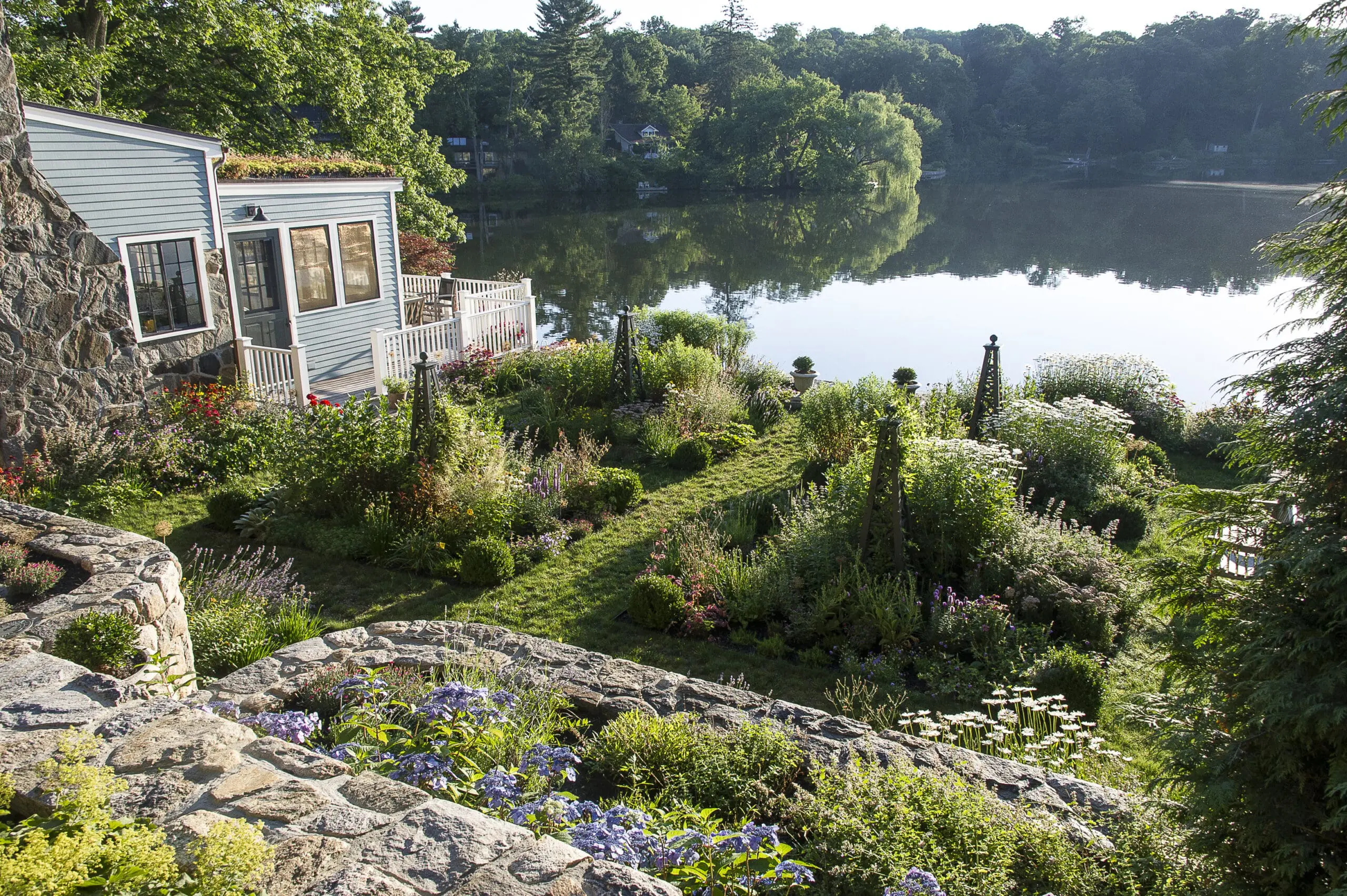
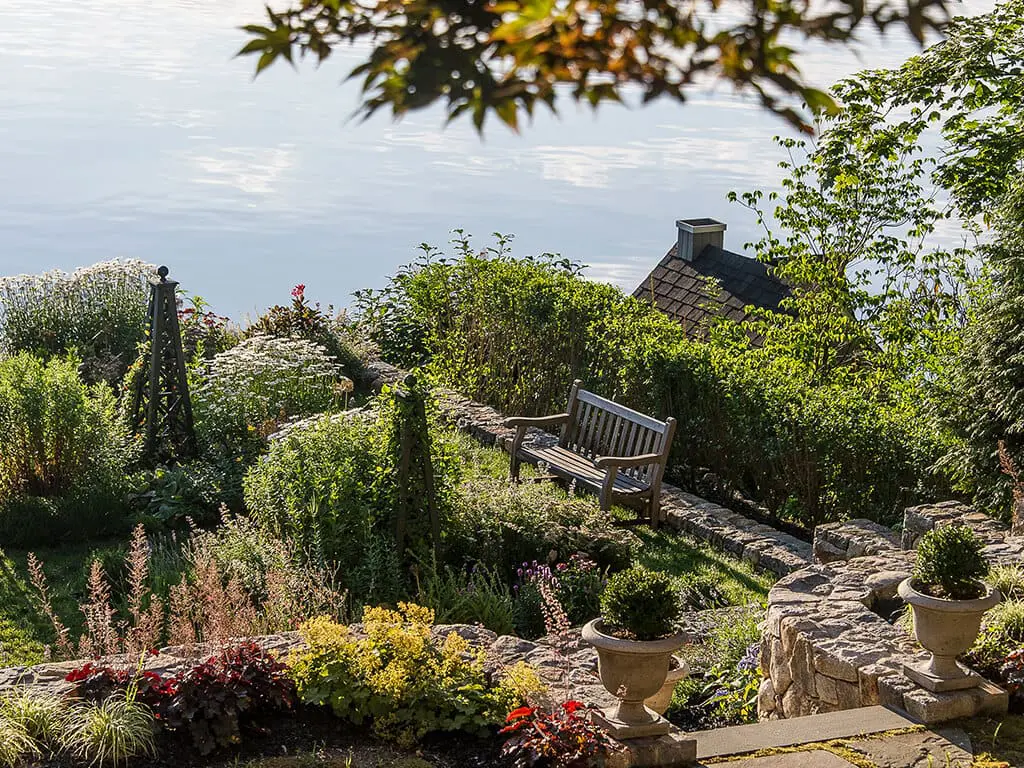
European form meets native planting in this lakeside parterre garden.

#1 Ecological Parterre Garden

We absolutely loved the design intent here: reimagine the classic European parterre garden with ecologically valuable native plants.
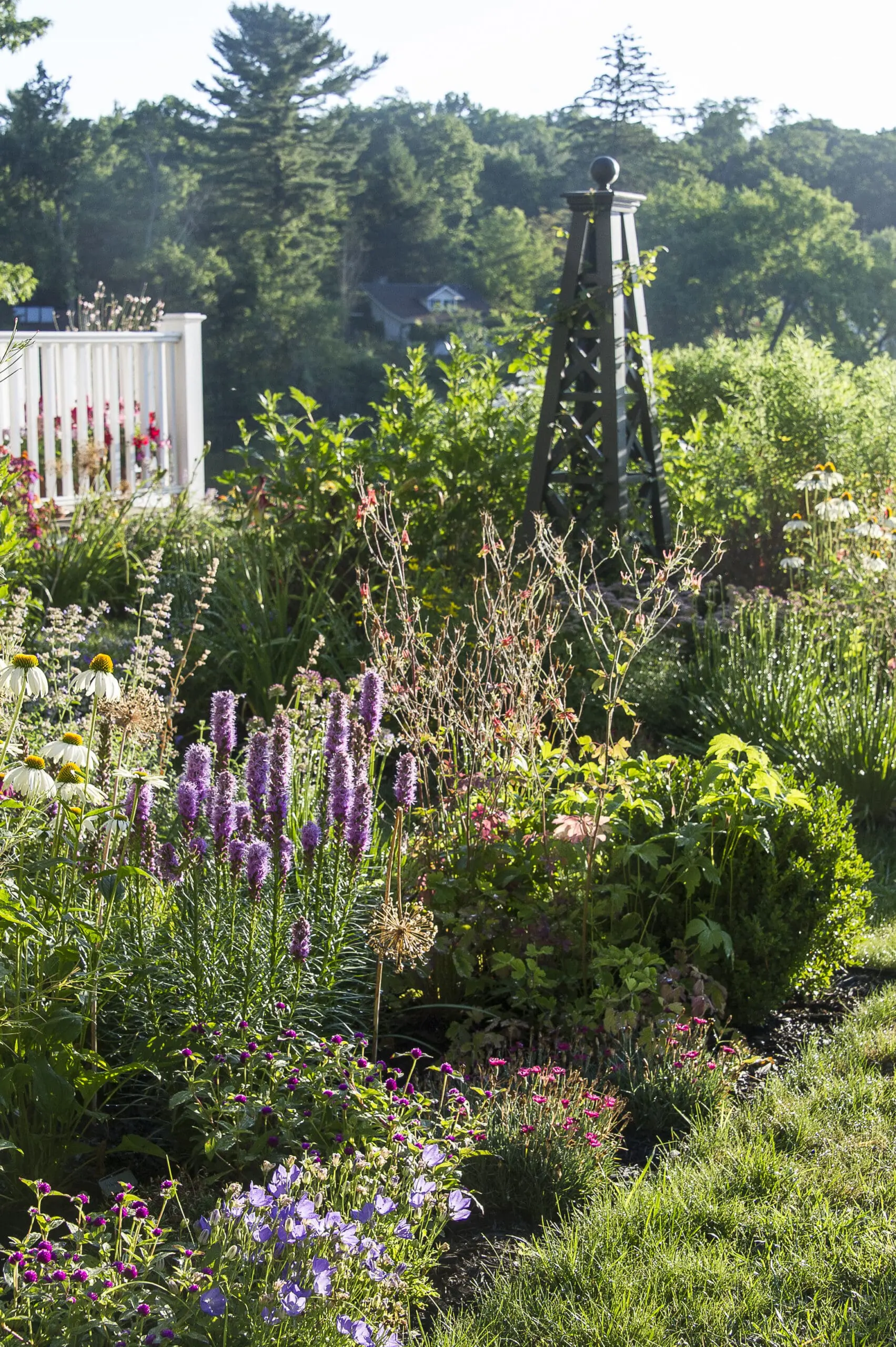
Detail shot of one of four garden beds within the parterre. Designed and installed by Green Jay Landscape Design.

We designed a planting that was less rigidly symmetrical as the traditional style but used repetition to connect the individual parterre gardens. The upper terraces received new natural stone walkways and a patchwork of shade-loving ground covers.
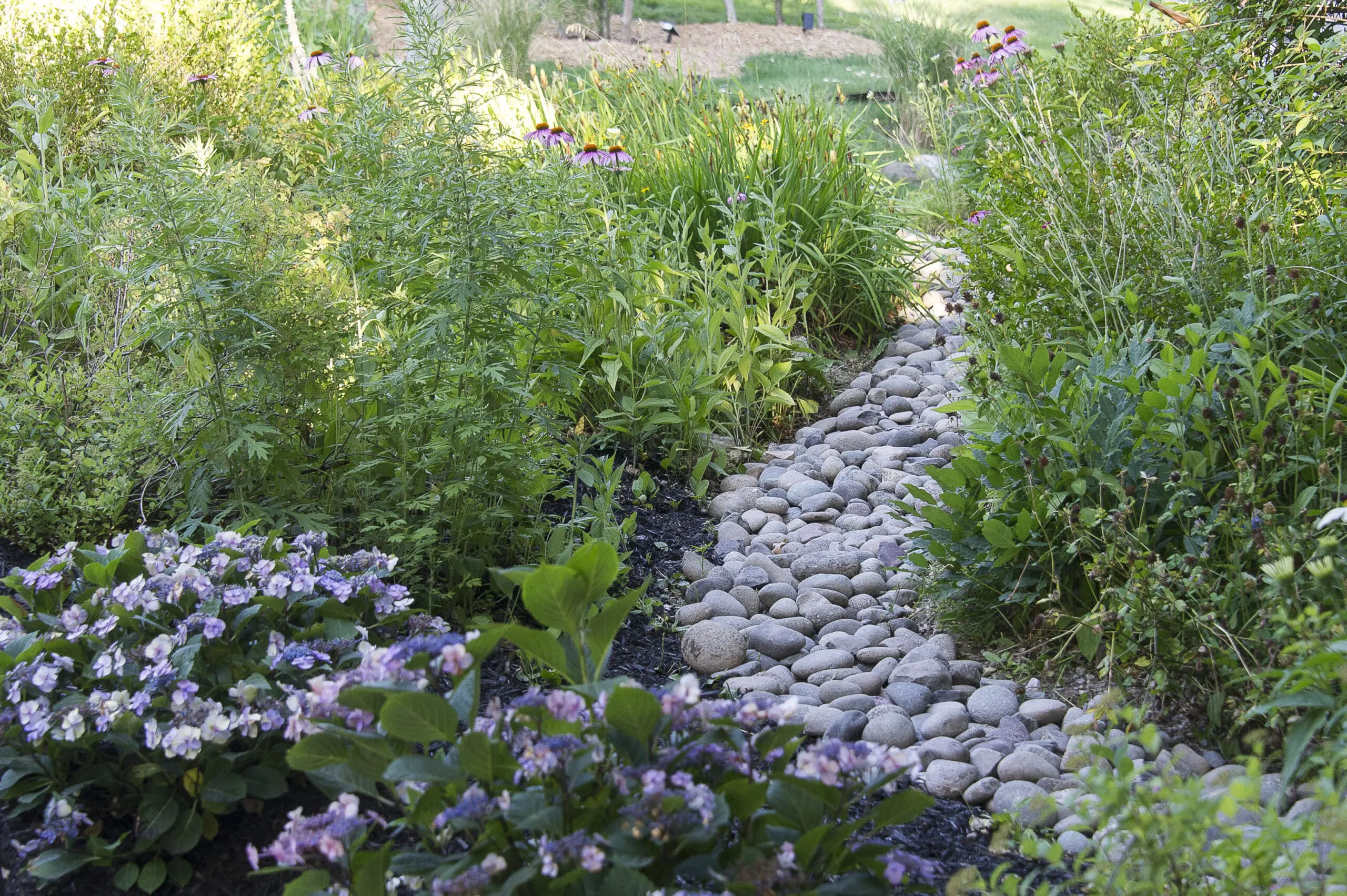
River rock bio swale with an ecological planting on either side aids with stormwater management.

Vegetated, river rock bioswales direct stormwater intentionally through the front slope.

From the client:

“We had heard wonderful things about Green Jay, and love their respect for the environment, but didn’t know if they would want to work around our firmly held vision of an English country cottage garden. Boy did they! They took our dream and created a reality so stunning we (and our neighbors and casual walkers-by) are in heaven. Blossoming times and colors seem to have been perfectly executed so that there is interest in all seasons. Bumblebees, butterflies, and hummingbirds abound. Jay has checked in frequently to see how things are coming and responded quickly to requests for additional help elsewhere on our property. We absolutely couldn’t be happier!”
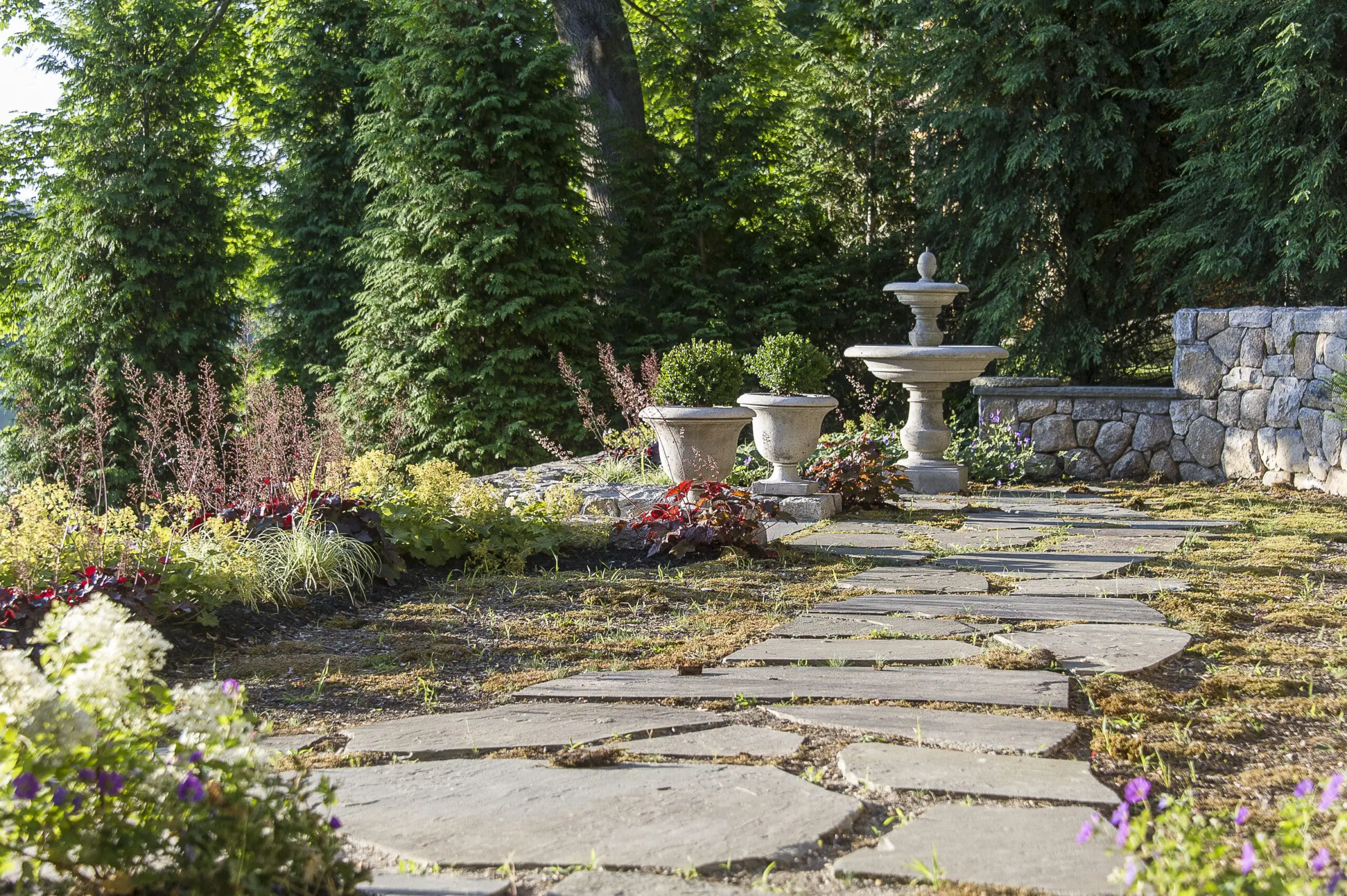
Natural stone walkway lined with native ground covers for an elegant entrance to the main garden.

Read the full project blog and portfolio case study.
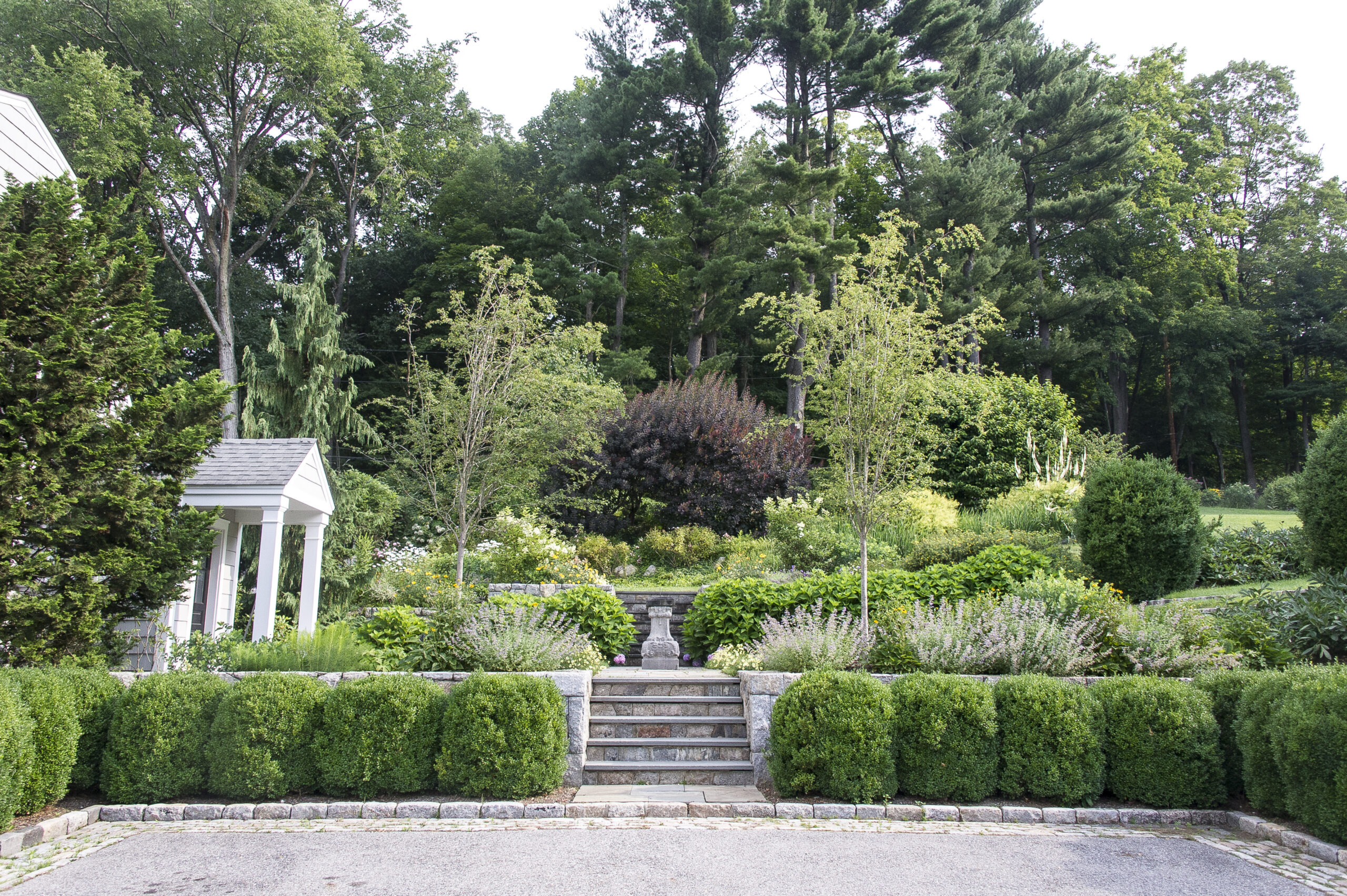
A trio of garden terraces progresses from formal entryway to wild habitat as you navigate the backyard slope.

#2 Naturalistic Terrace Gardens

This property had an impressive series of existing terraces to navigate the backyard slope, but the plantings were tired, traditional, and overgrown. We incorporated native plants for pollinators and birds in a naturalistic, matrix planting to effectively soften the hardscape.
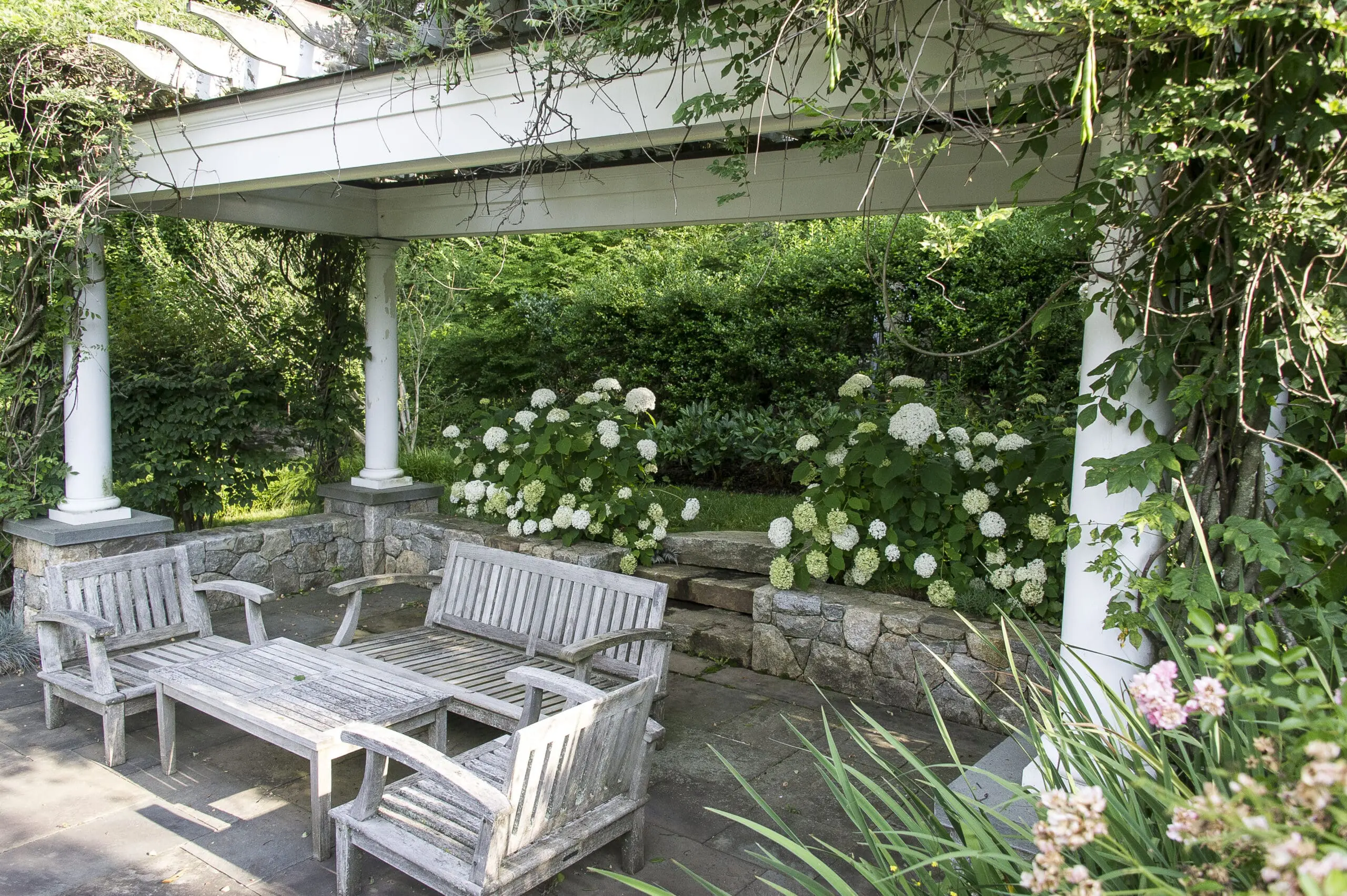
Around the pergola, we chose high-impact summer bloomers: Anabelle hydrangea, Coneflower, Russian Sage.
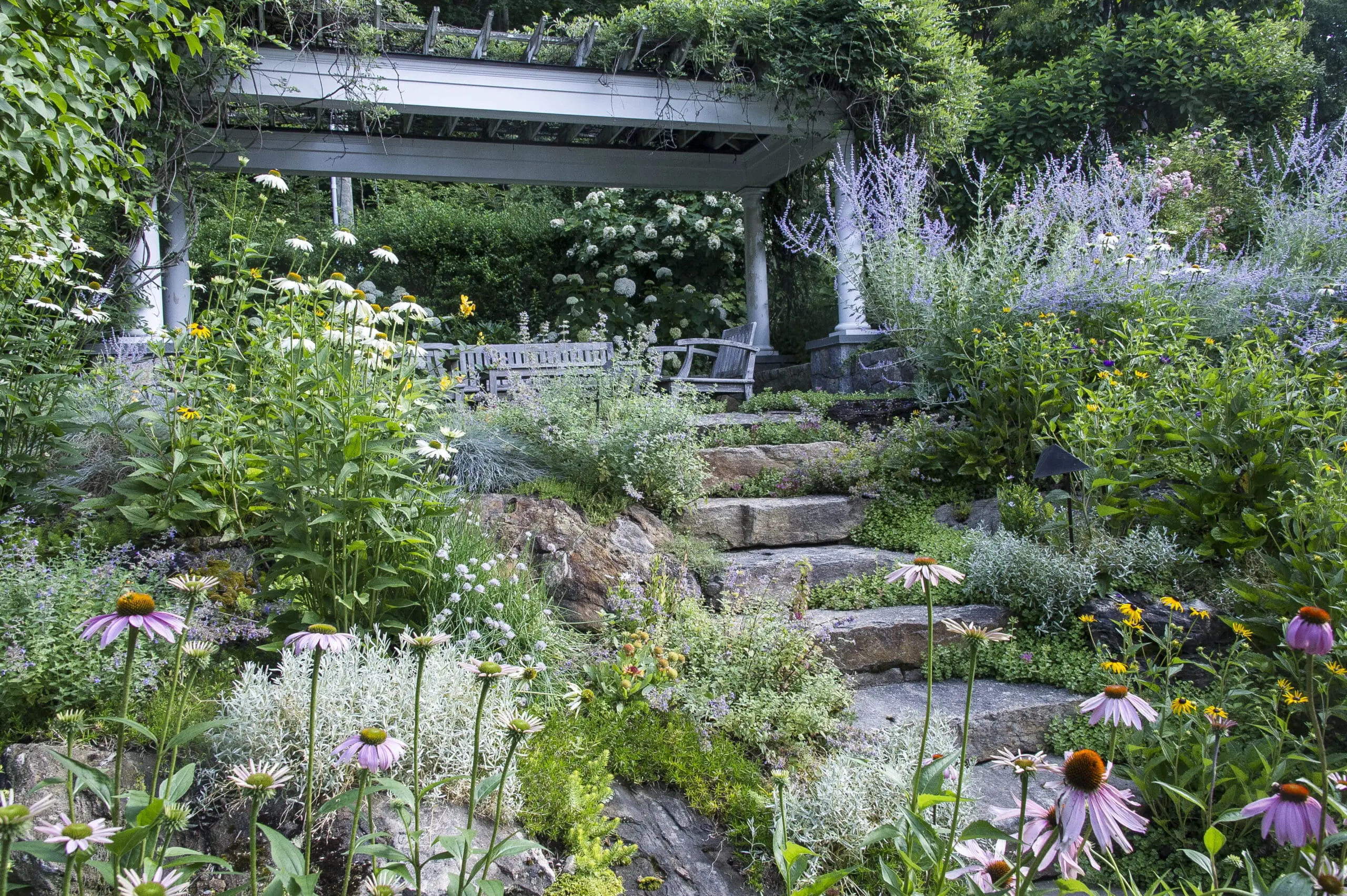
Perennials for pollinators and spilling ground cover softens the powerful natural stone staircase.

The stone steps leading to the pergola received a rock garden plant palette of cascading ground covers.
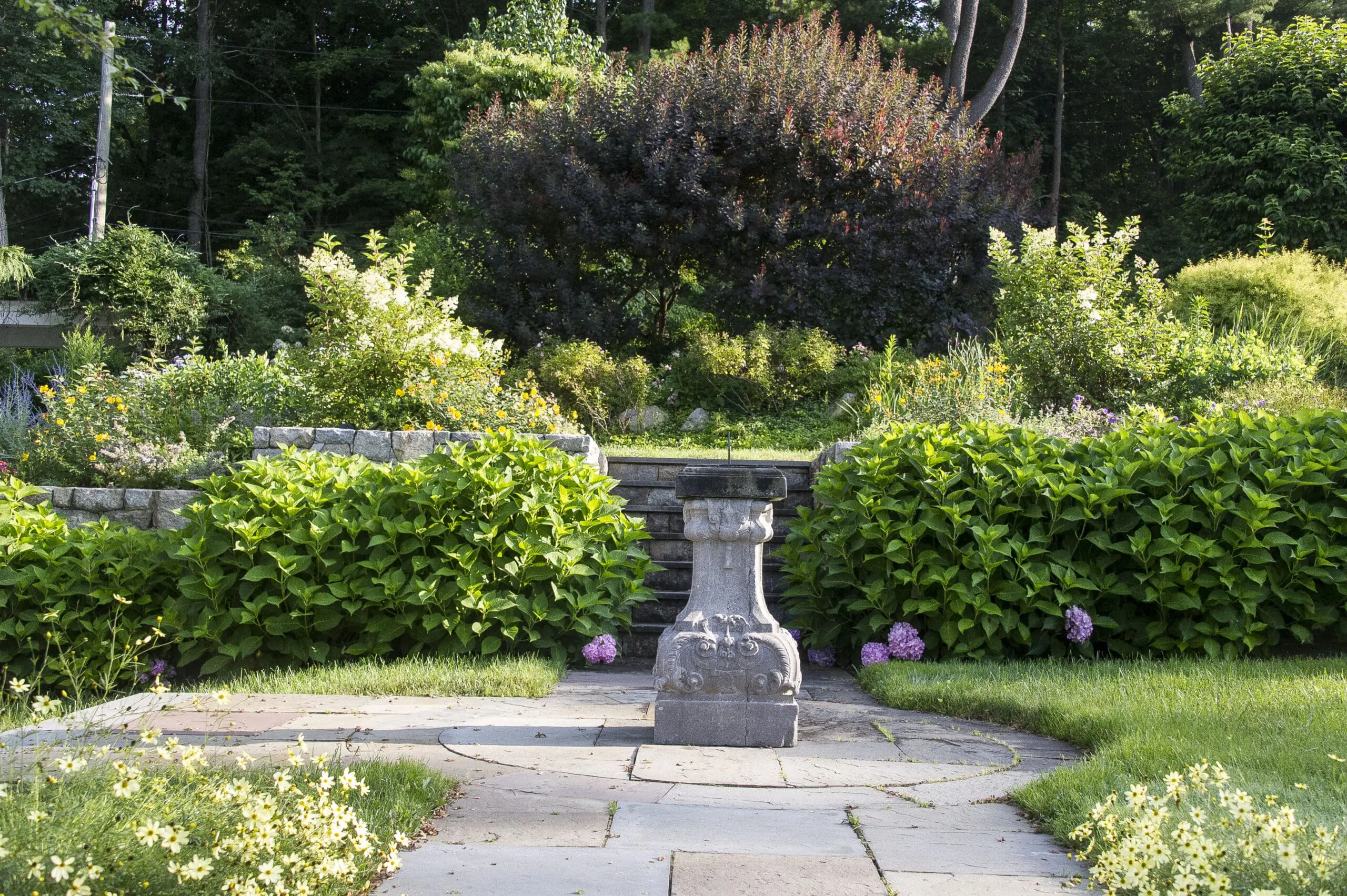
The sun dial is a visual focal point as well as a spatial juncture between three paths.

In the formal entrance off the backyard, we designed a symmetrical planting to guide the gaze toward the sun dial focal point.

Hedges of hydrangea make a tidy border for a more biodiverse hillside planting.

Read about the full project blog here
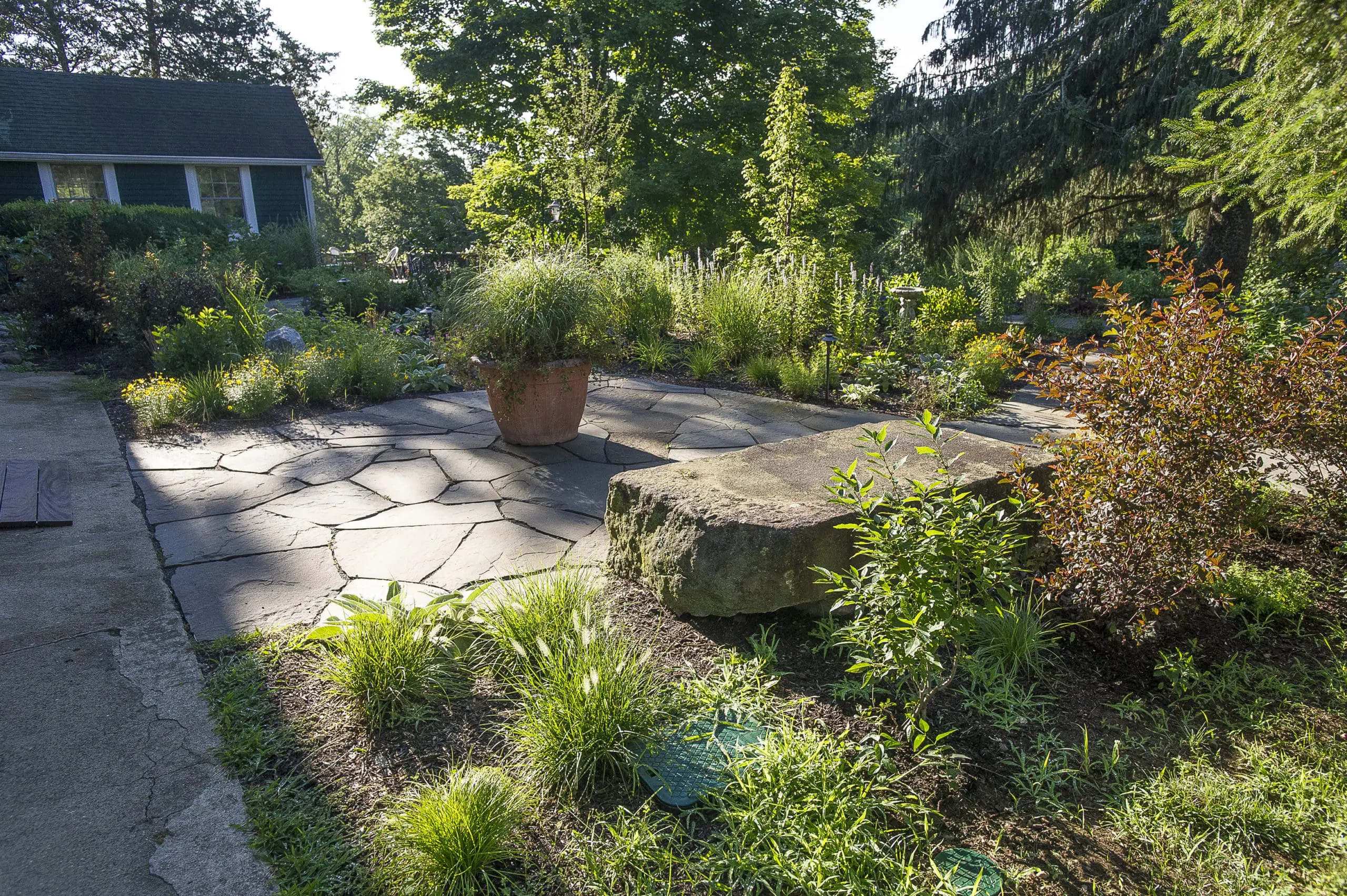
#3 Backyard Courtyard with Natural Stone Masonry

The inspiration for this backyard renovation was the mature trees that encircle the space, lending a sense of enclosure and intimacy. GJLD designed a courtyard garden featuring a natural stone patio off the house for dinning, entertaining, and relaxing, and several stone paths that meander through the garden. Benches are strategically placed throughout the garden for unique viewpoints of the landscape.

Naturalisitc plantings and natural stone – a natural pairing!

GJLD designed a cottage-style native planting that looks stunning year-round. From the earliest spring bulbs to the architectural red and yellow twig dogwoods in fall and winterberries in winter, this landscape provides food for wildlife and visual stimulation 365 days a year.
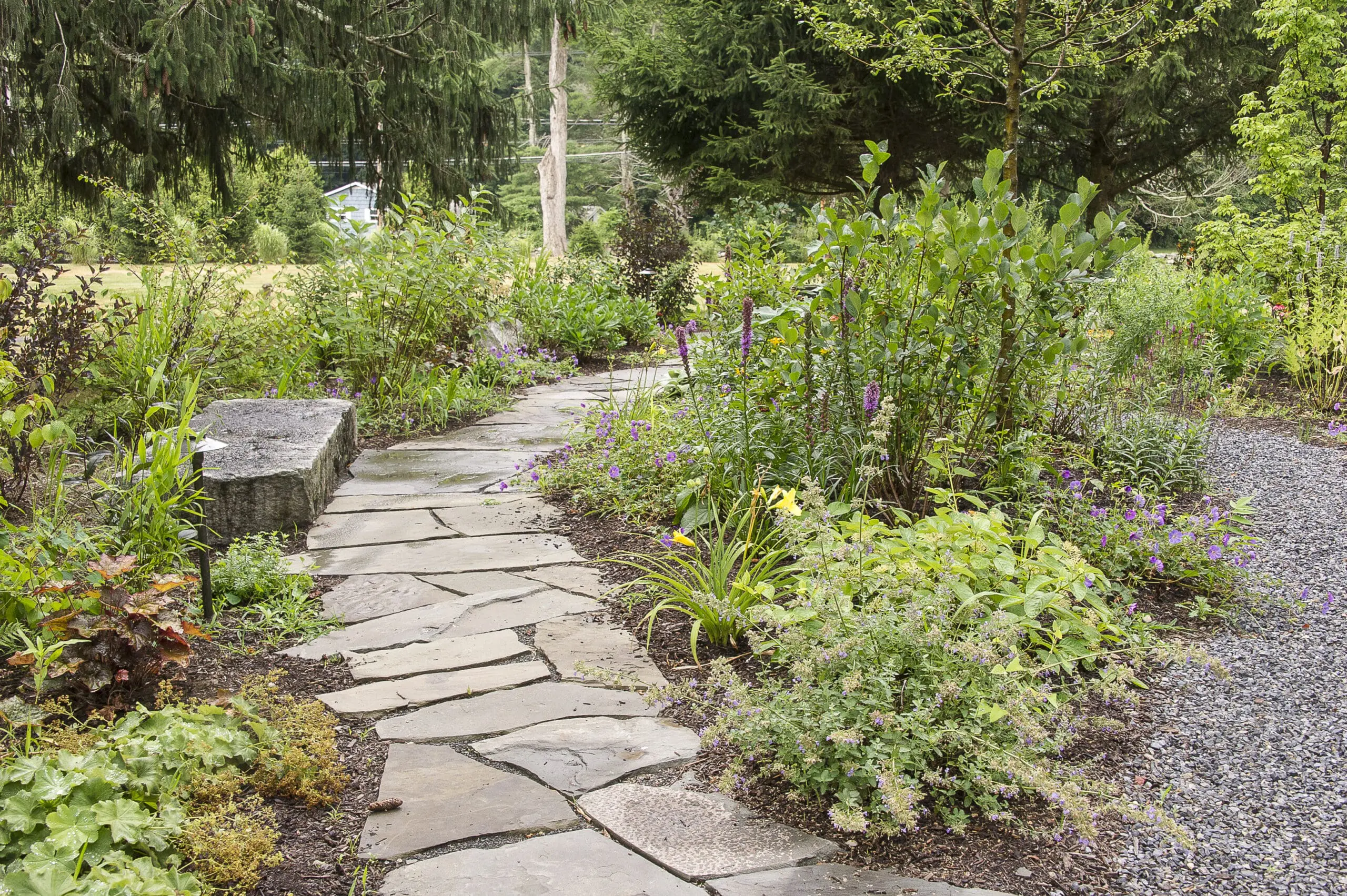
Garden stroll paths that lead to seating nooks – two ways to contemplate the garden.

In the words of the client:
“I am sure that my words will not do justice to the happiness that Jay and his wonderful team have brought me. They transformed a plain yard into the most glorious garden! It is peaceful, serene and my most favorite place for morning coffee. I would never hesitate to use Green Jay Landscaping, Jay really listens to what you want and then makes the dream a living reality. They are truly marvelous.”
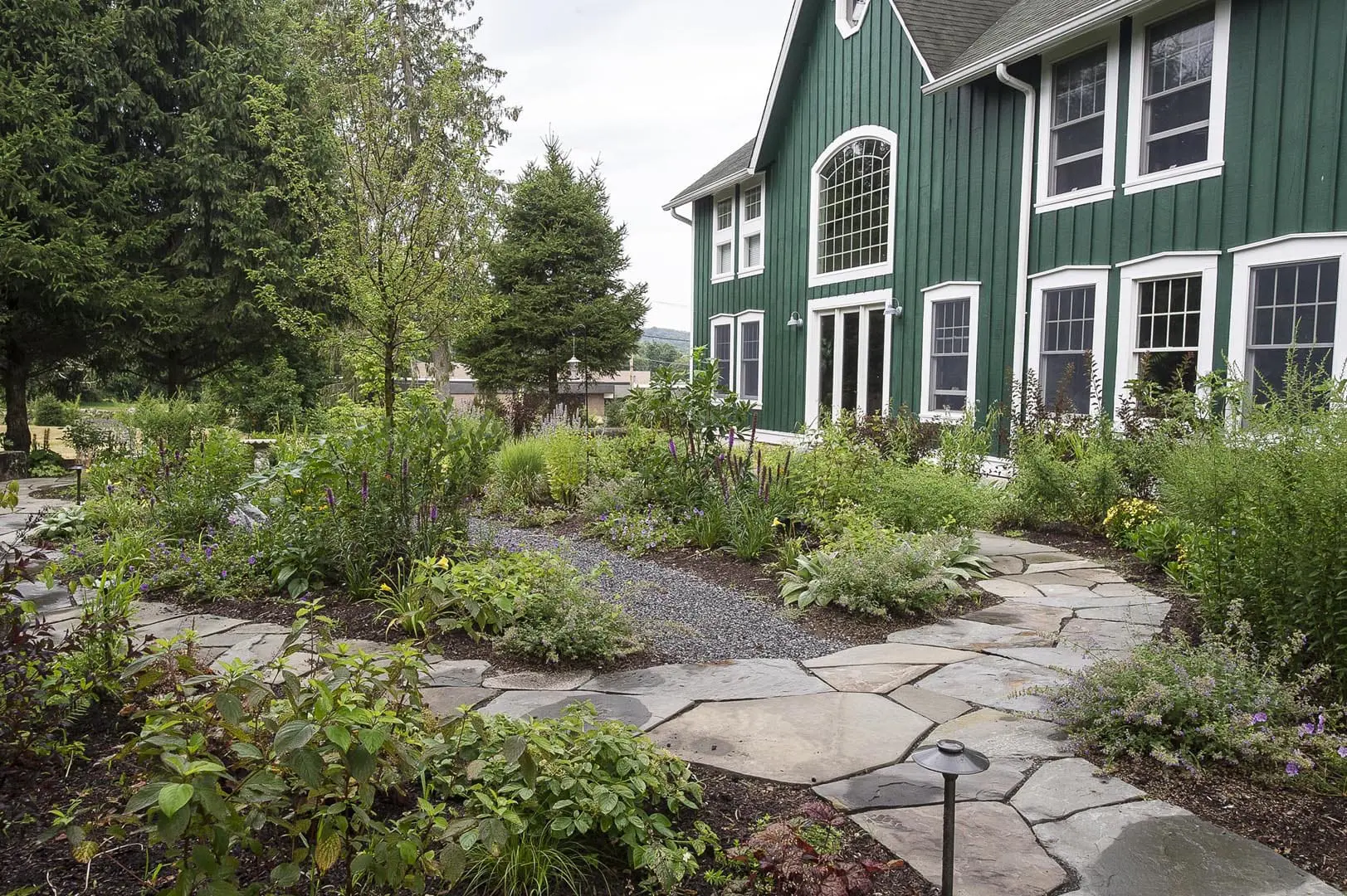
This landscape design invites quiet strolls through the circular paths

Learn more about our natural stone masonry construction, landscape design process, and organic installation on our project blog and portfolio case study.
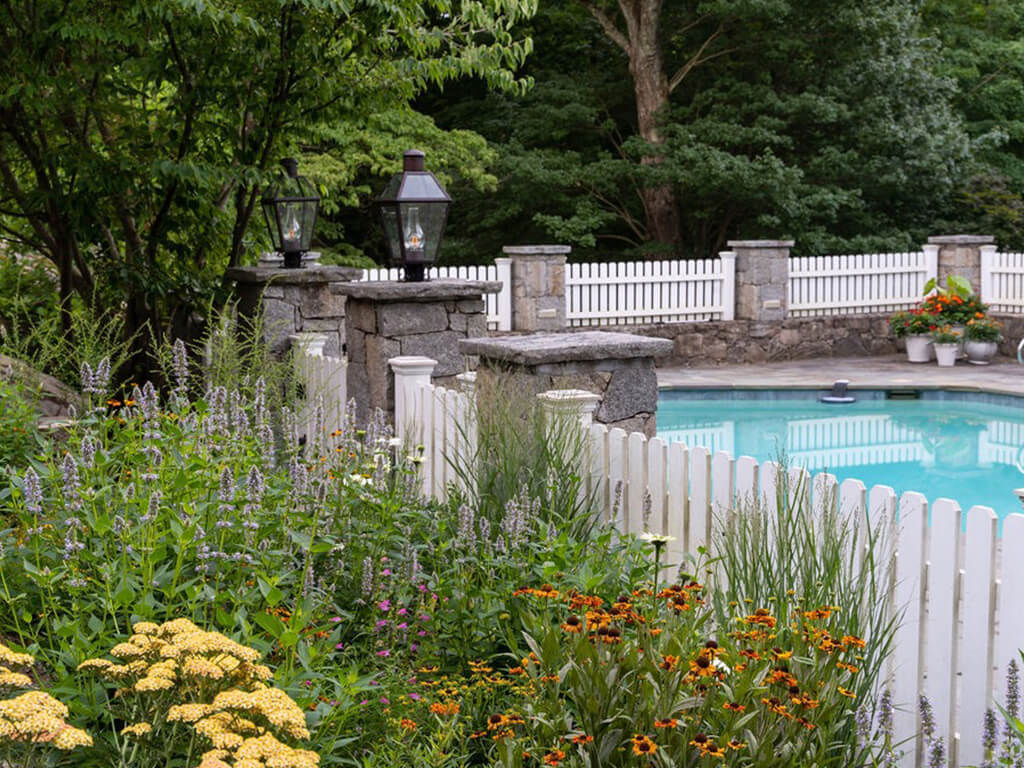
A prairie-style native planting for this full sun pool area in Westchester, NY.

#4 Native Pool Landscaping & Entry Courtyard

This stunning Westchester property had a decades old landscape that was overgrown and outdated. We transplanted the non-native miscanthus from the pool area, creating a new ornamental grass within the backyard lawn. The pool area got a planting redesign with an emphasis on long-blooming summer perennials.
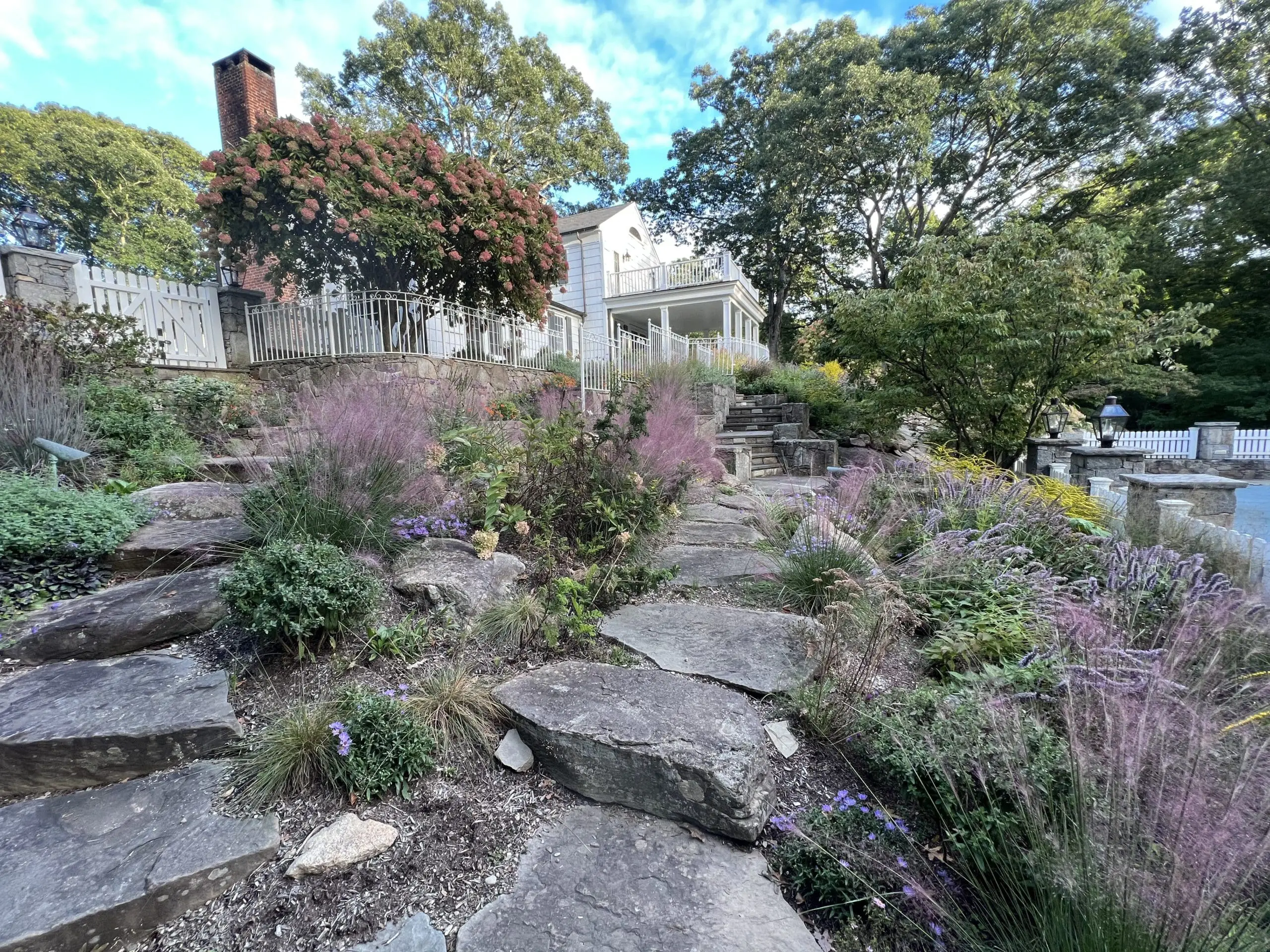
In fall, asters, golden rod, and pink muhly grass keep the show running and the late-season pollinators fed.
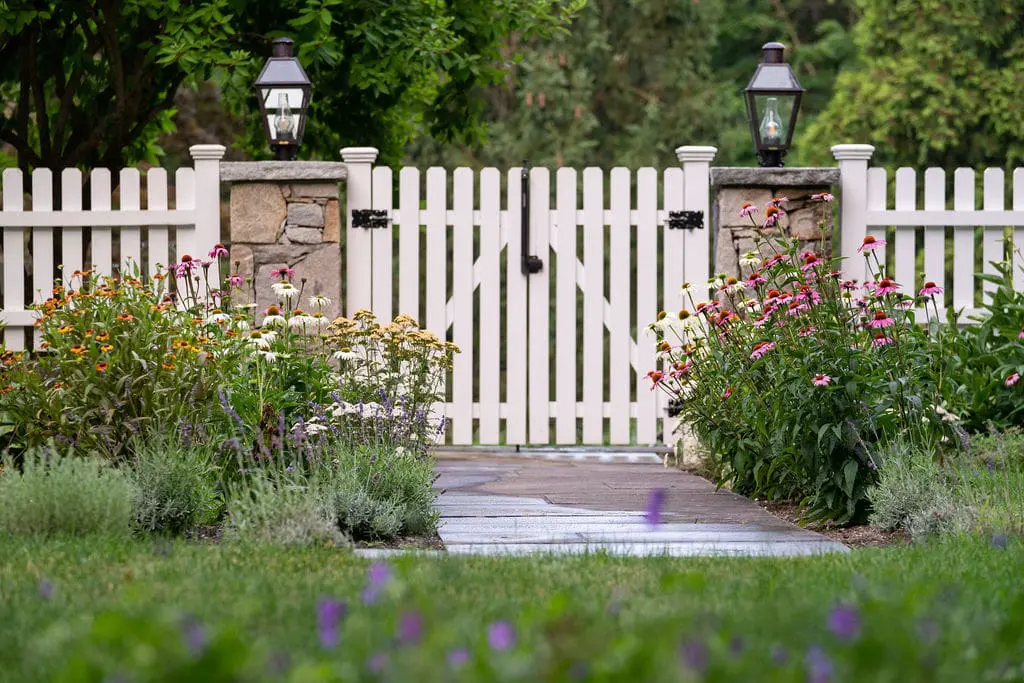
We love how the warm summer perennial colors pop against the white picket fence.
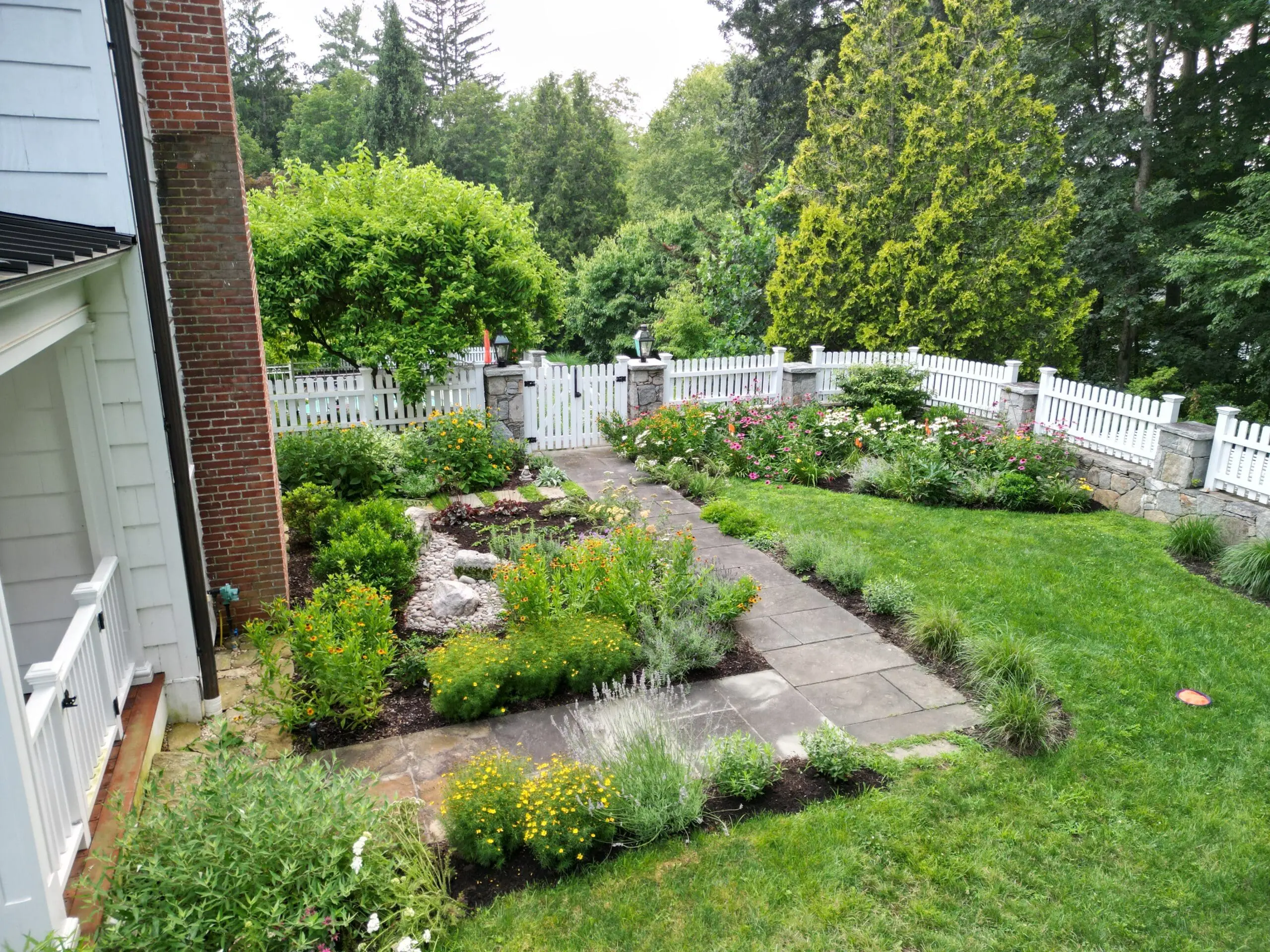
Entry courtyard layout featuring lush, cottage style garden beds.

For the front entry courtyard, we added new garden beds along the walkway and fence, adding a wealth of native plants to the mostly exotic existing plant material.
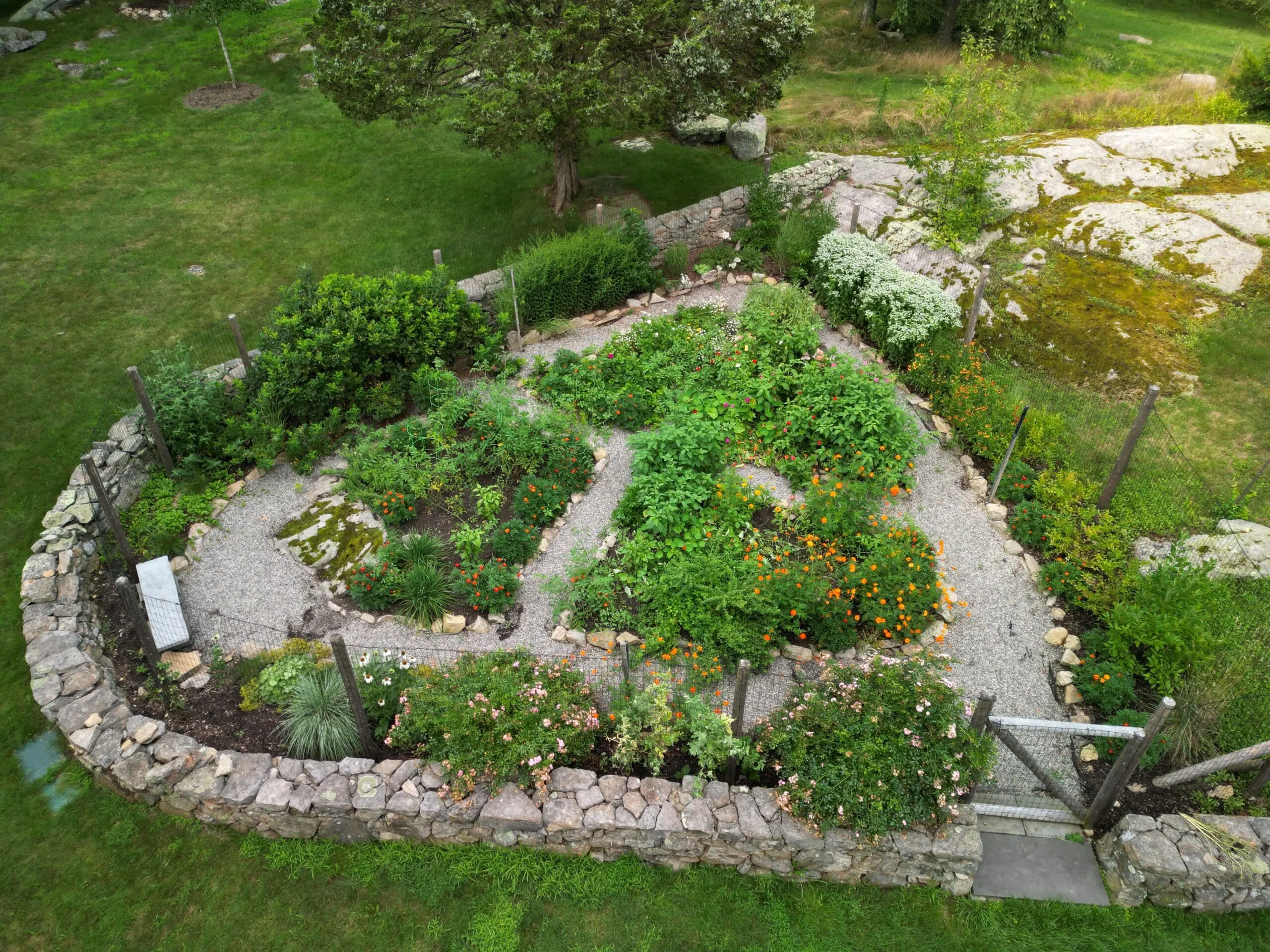
Vegetable garden with pollinator-attracting perennial and grass border.

The vegetable garden received a perennial and grass border to help attract pollinators and yield more veggies and herbs.

Read all about the project on our blog and portfolio case study.
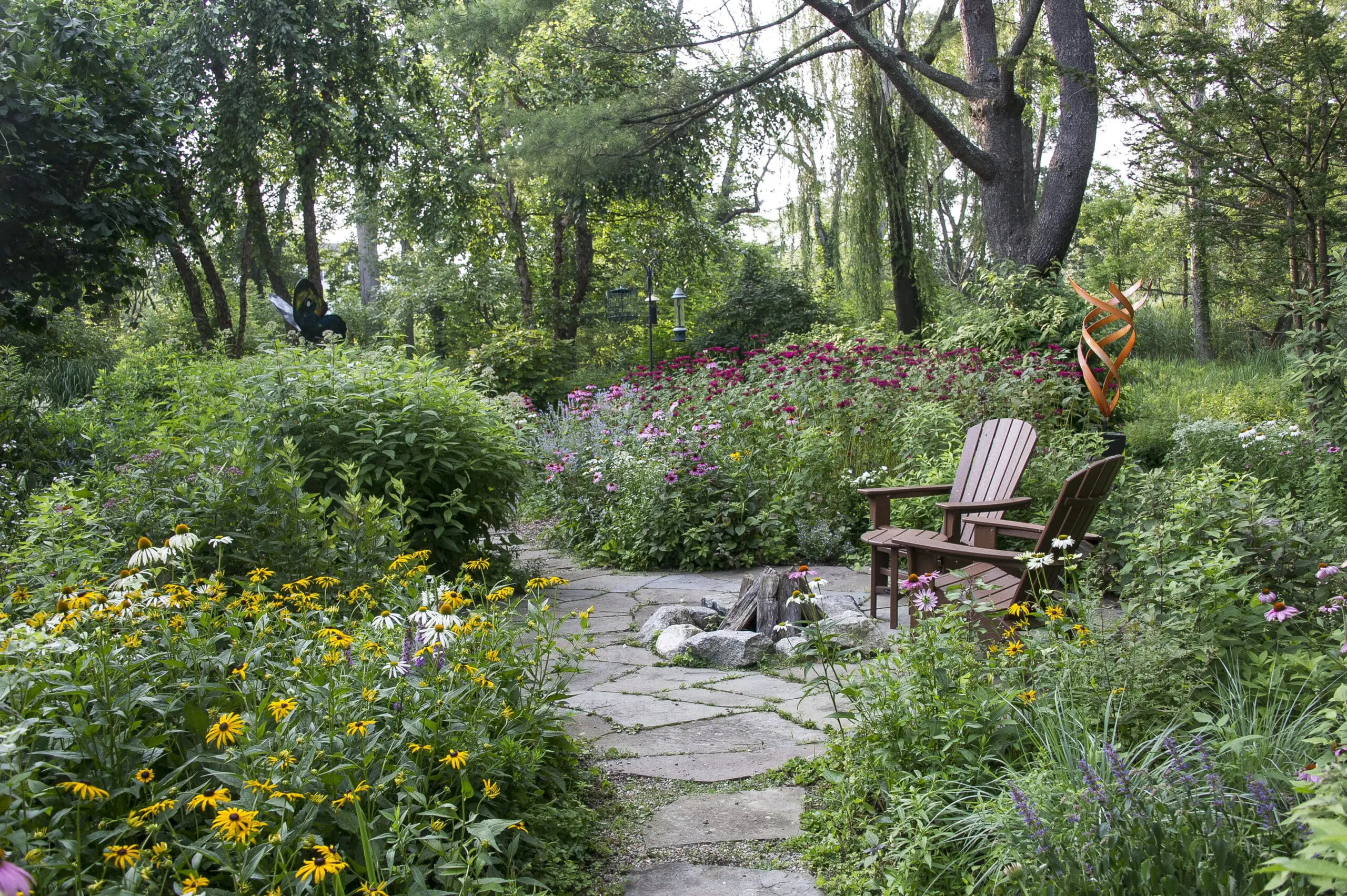
Backyard fire pit nook with native plantings and natural stone masonry. Designed and constructed by GJLD.

#5 Celestial Wild Garden with Waterscape, Lawn Removal


This landscape renovation began at the early days of Green Jay and has been a continuously edited and expanded upon over the last ten years. The original scope of work was to remove the backyard lawn entirely and design a waterscape and native woodland garden.
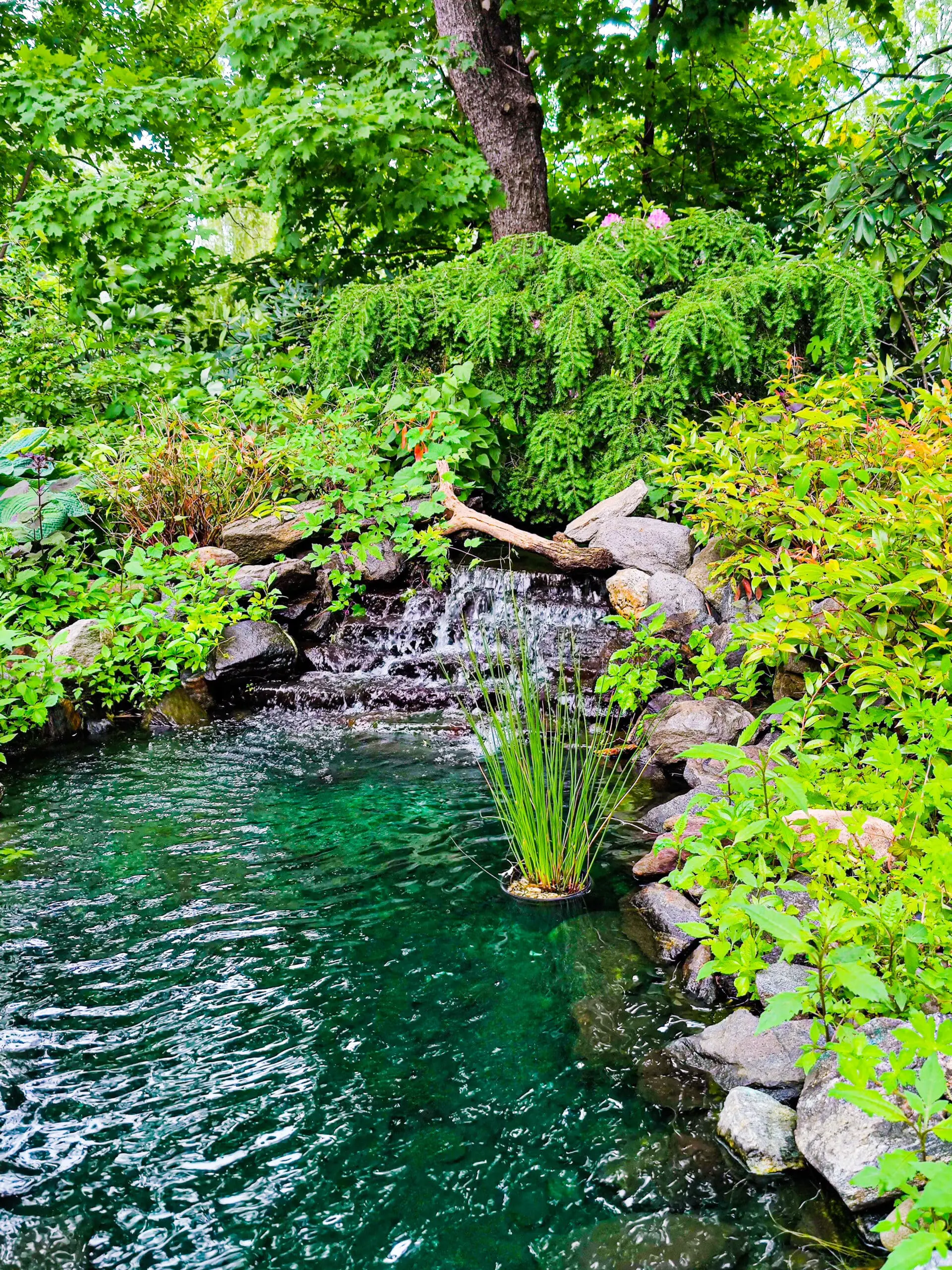
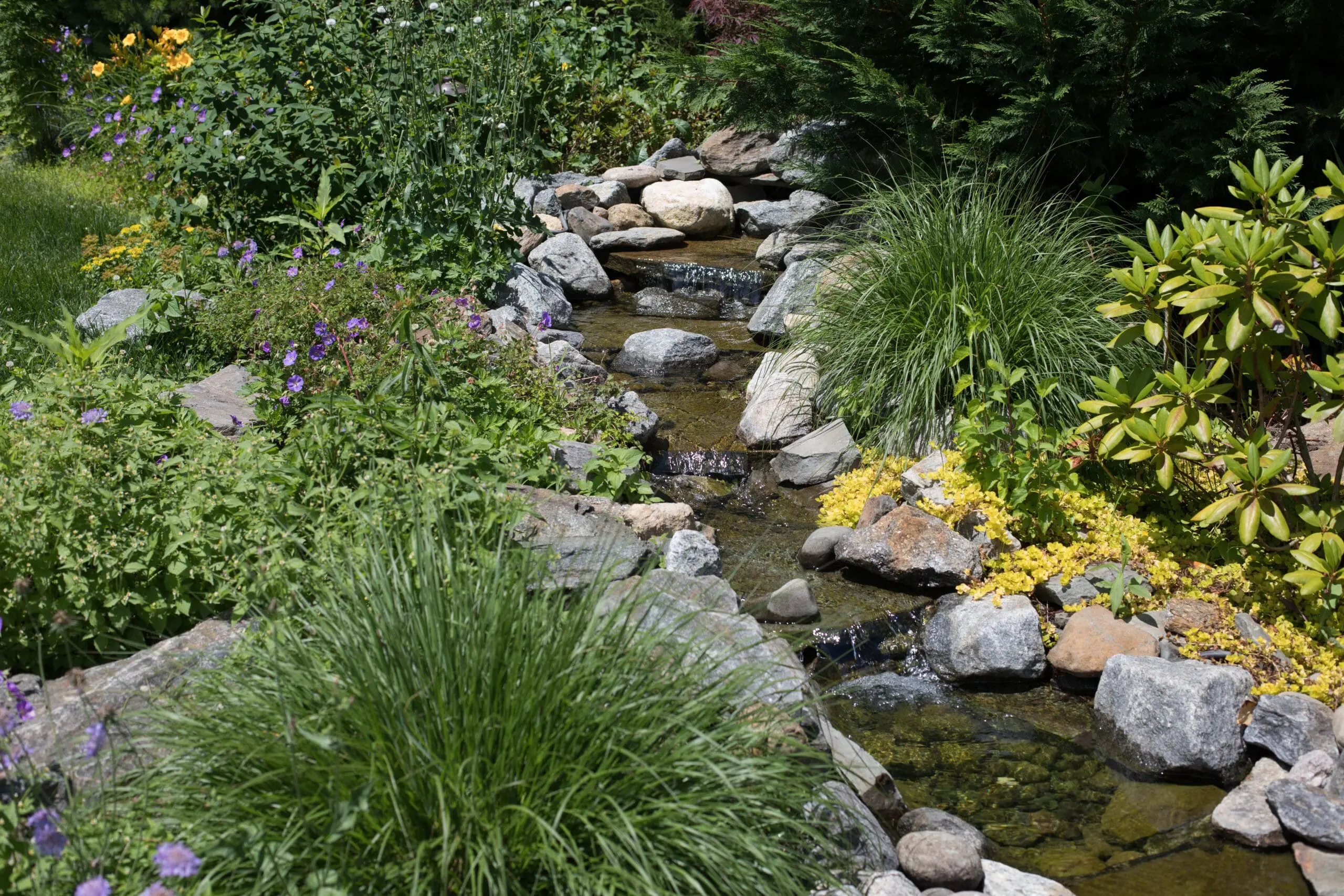
Constructed waterfall and stream contribute a multitude of habitat and ecosystem functions.

The waterscape features a constructed waterfall, stream, and fishpond with bog plants along its borders.

Streams provide drinking and bathing sources for wildlife, and also dragonfly habitat (a natural mosquito predator).

A series of paths from a variety of natural materials – woodchip, gravel, and natural stone – wind through the garden to various seating nooks. Kinetic garden sculptures are focal points throughout the landscape.
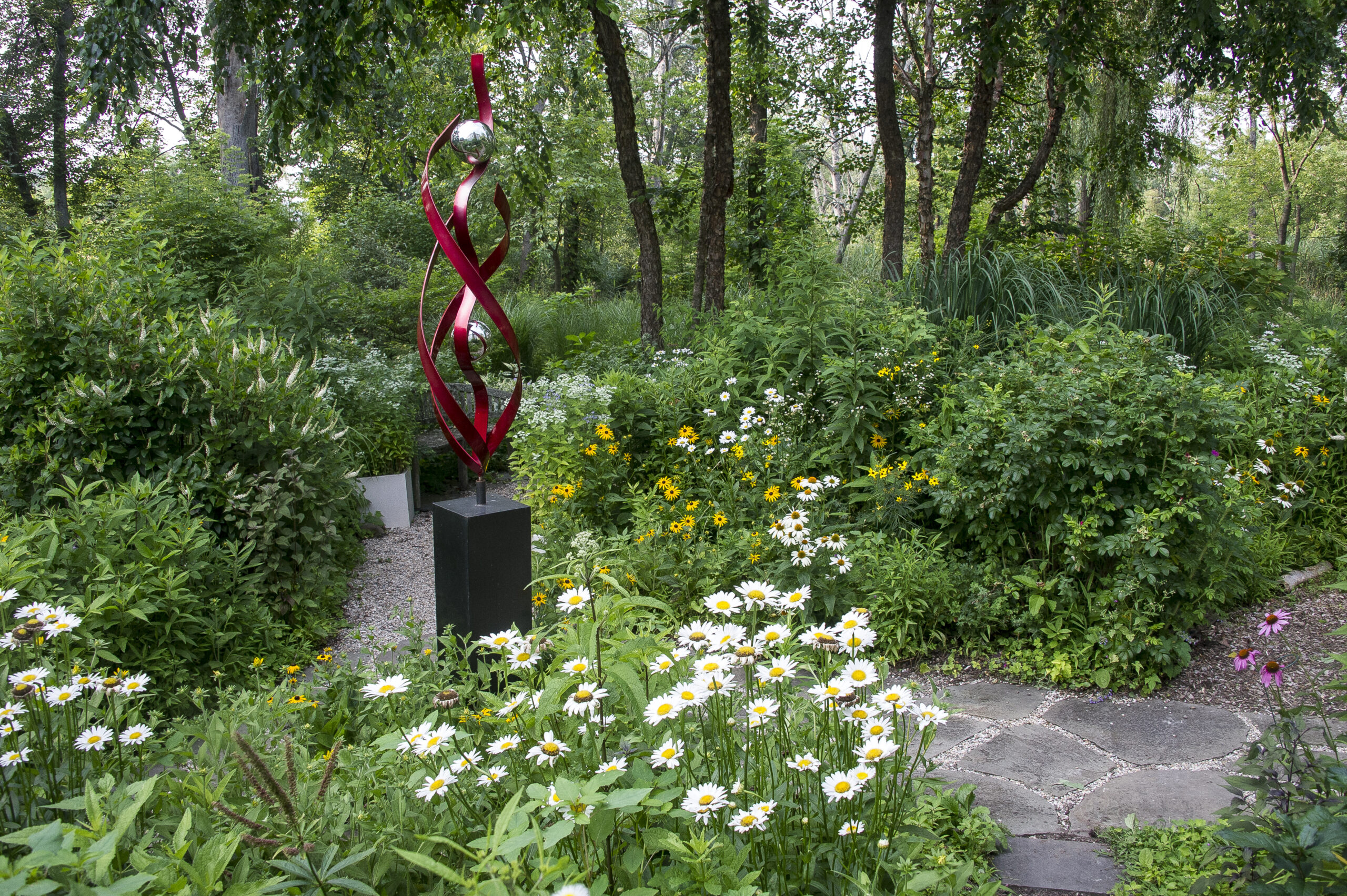
Gravel stroll paths culminate in a central sculpture.

Before the backyard transformation, the client rarely used the backyard because of the insufferable number of mosquitos – the property borders a 22-acre wetland. Since the native plant transformation and waterscape construction, there are far more mosquito predators (dragonflies!) and the client enjoys daily walks through the garden.
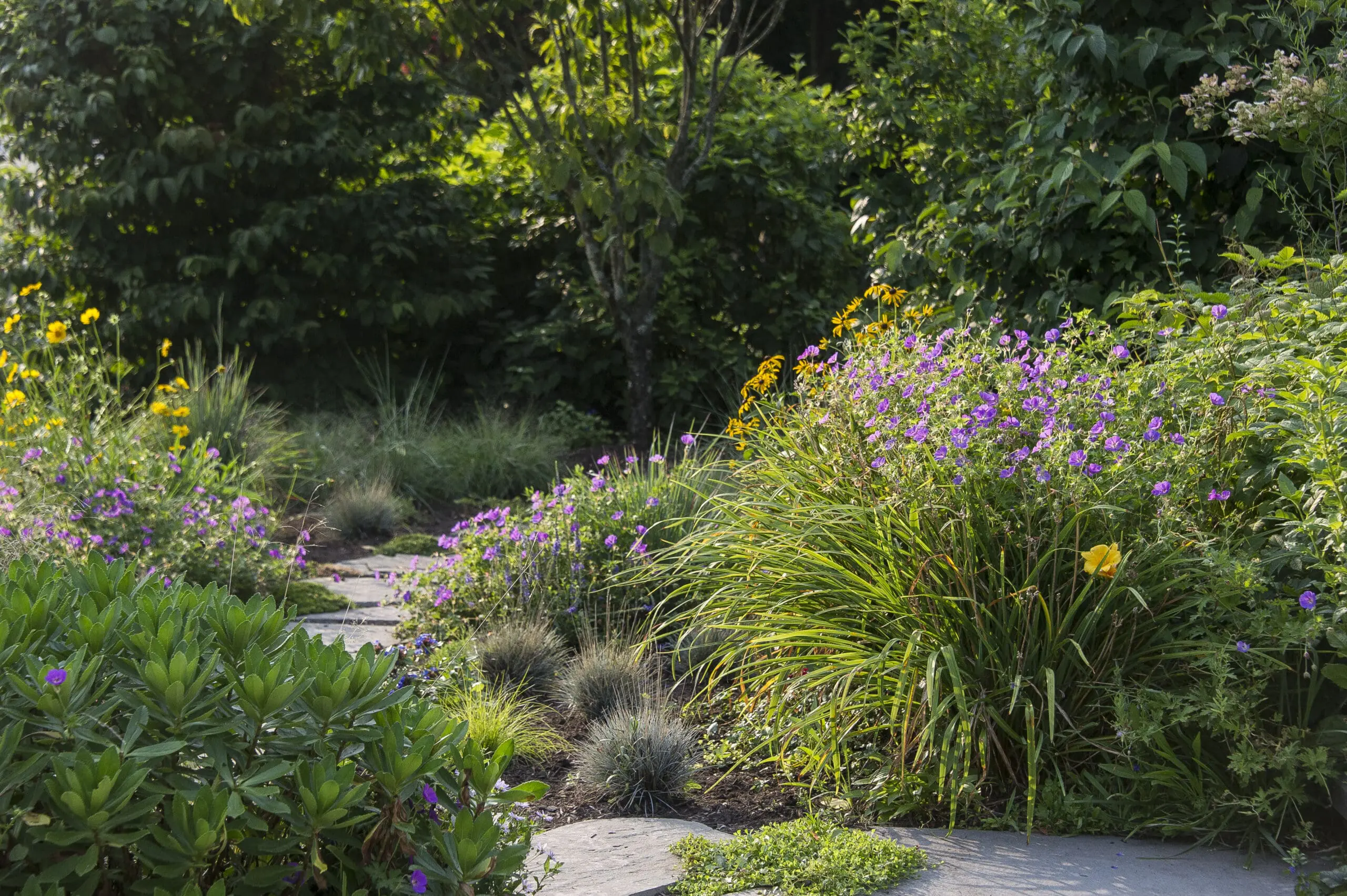
Front walkway framed by naturalistic planting navigates from front entrance to backyard.

Recently, the front lawn was completely removed and planted in a gradient of full sun to full shade. The color and curb appeal is unmeasured, and the biodiversity unparalleled.
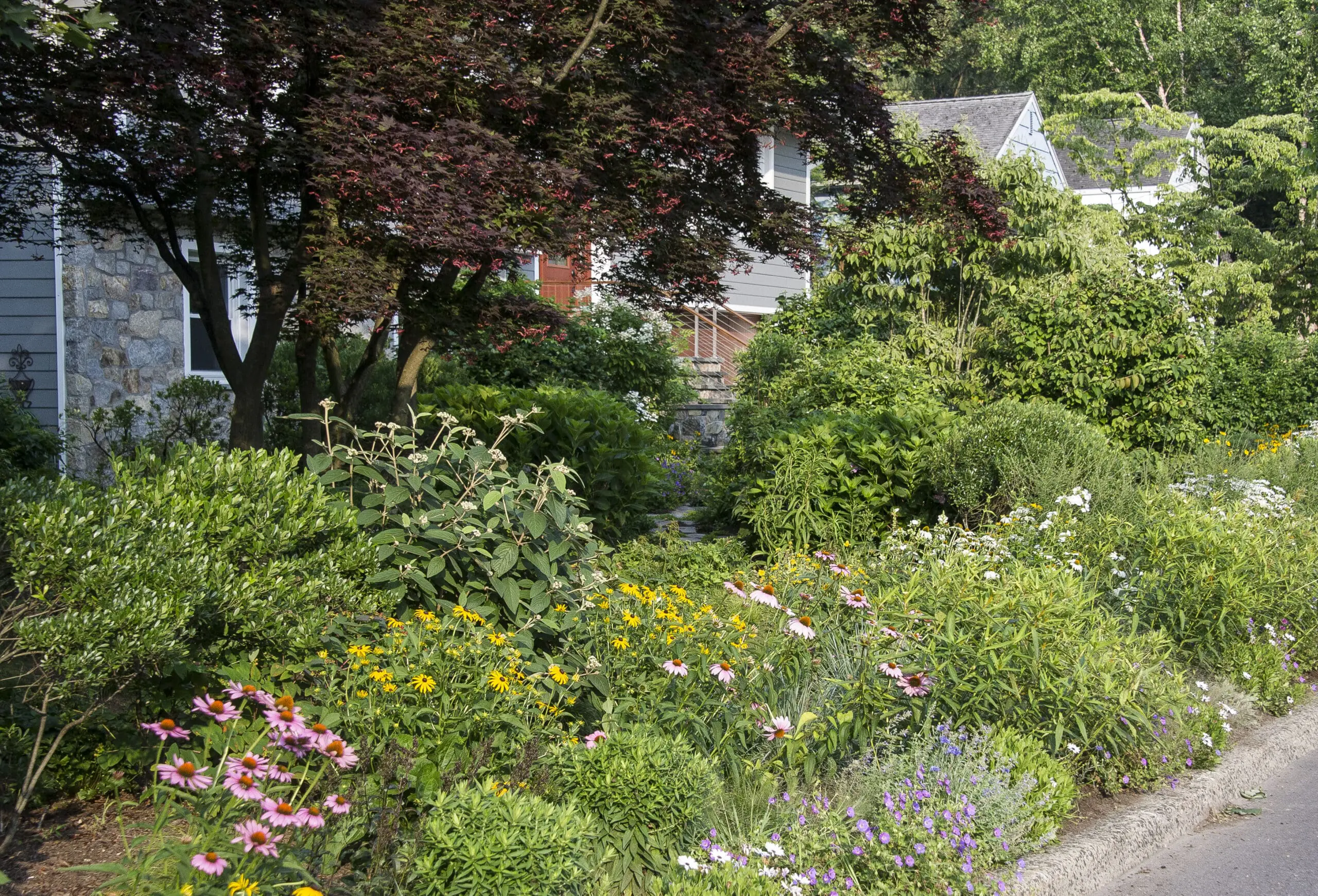
Roadside perennial makes a statement! And delivers habitat for countless insects and birds.

Learn more about the project in our portfolio case study.

#6 Shady Hillside Planting

Sometimes design constraints produce the most innovative thinking. For this property, a small steep slope made up most of the backyard.  By designing a natural stone staircase that turns into a woodchip path, the clients can enjoy more of their backyard.
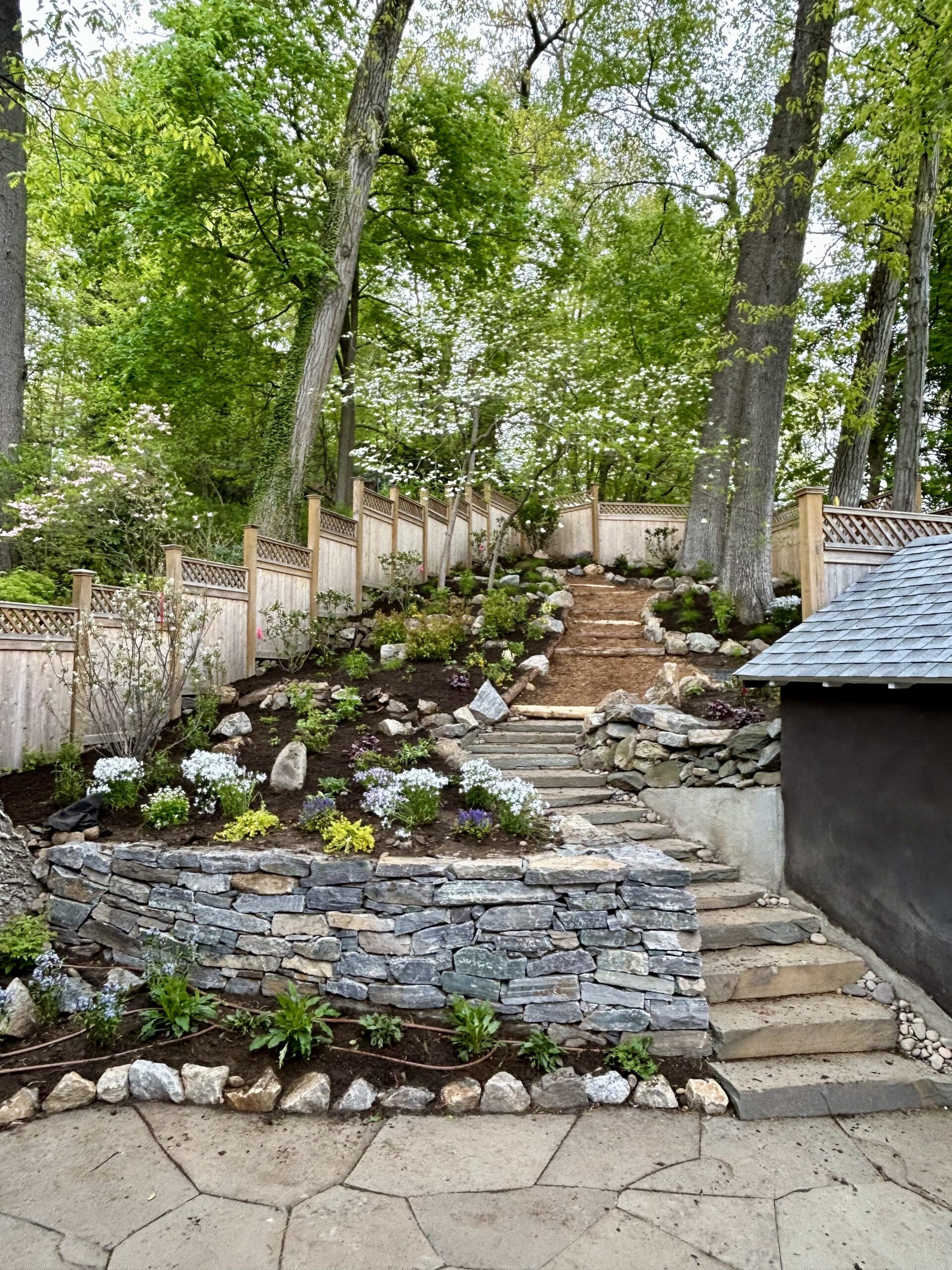
Native woodland understory garden in Westchester, NY.

GJLD designed a series of shady garden terraces with adjacent gravel seating areas. The planting is composed of native woodland understory plants – shrubs, evergreens, grasses, perennials, and groundcover.
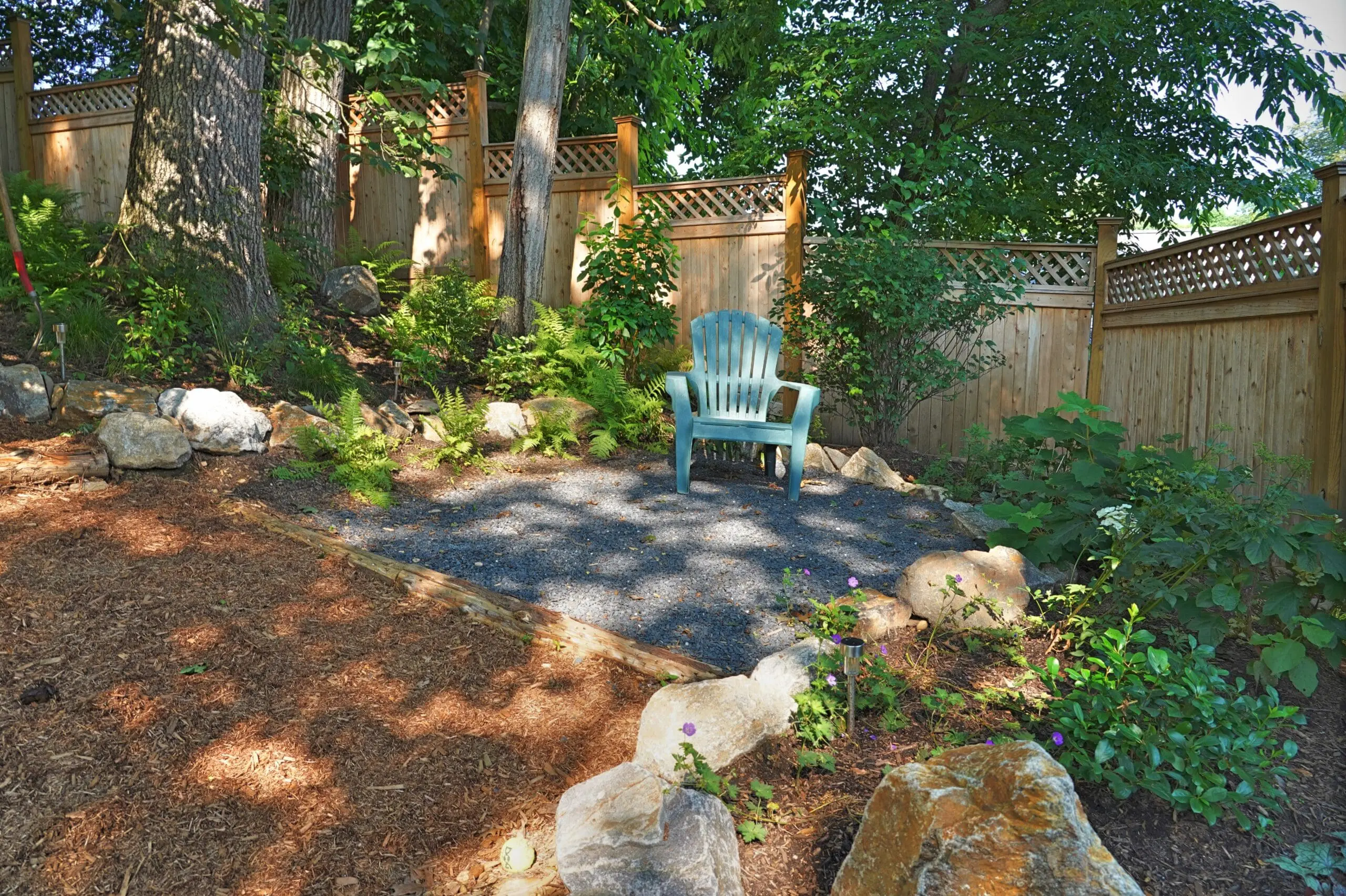
Terraced gravel seating area expands the useable space of the backyard slope.

The backyard patio was reconstructed with natural stone, to match the new staircase and overall naturalsitic aesthetic.
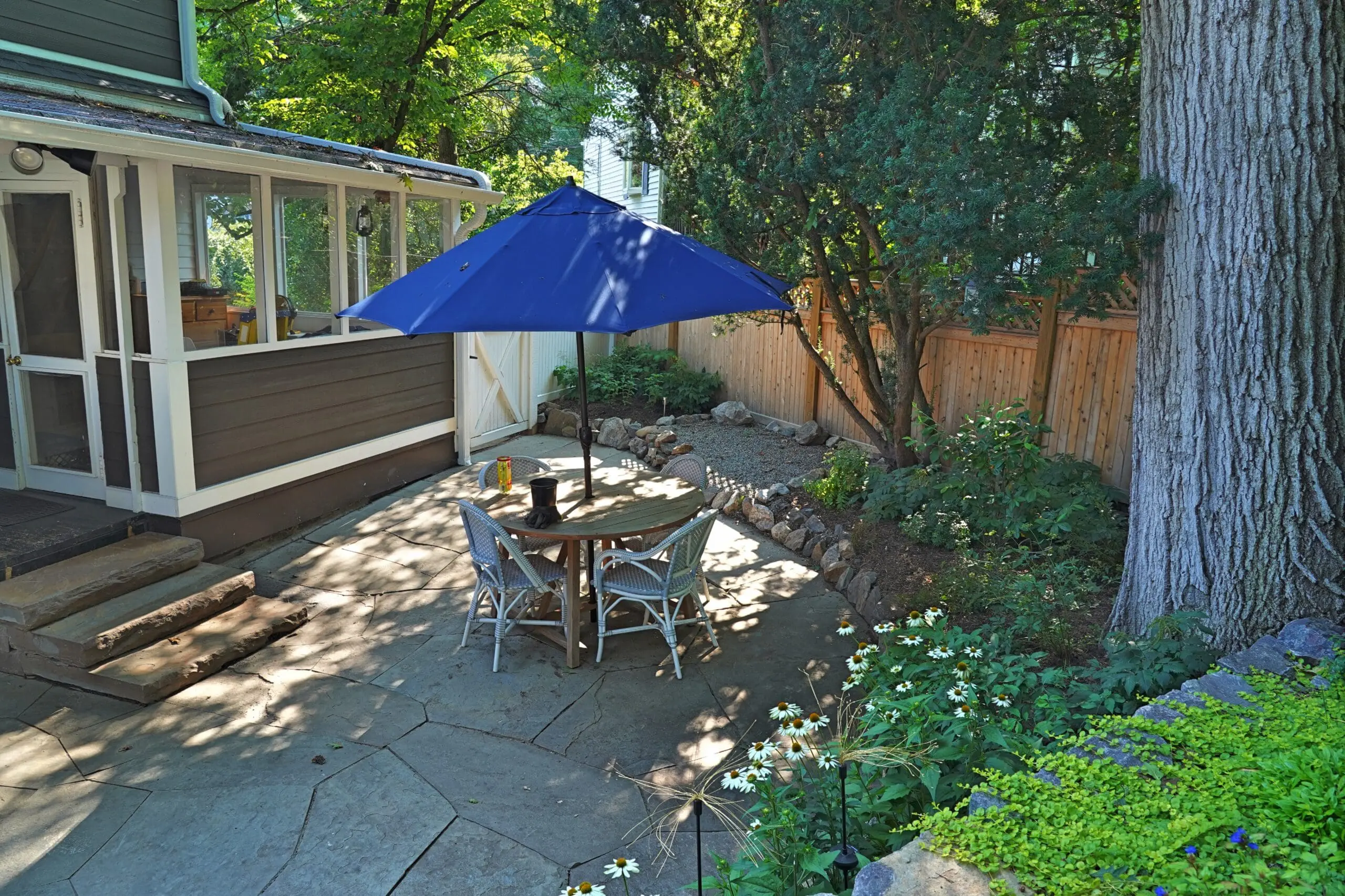
Natural flagstone patio elevates outdoor entertaining.

The full sun front yard received a makeover to create more pollinator habitat, more biodiversity and sequester more carbon dioxide than the lawn it replaced.

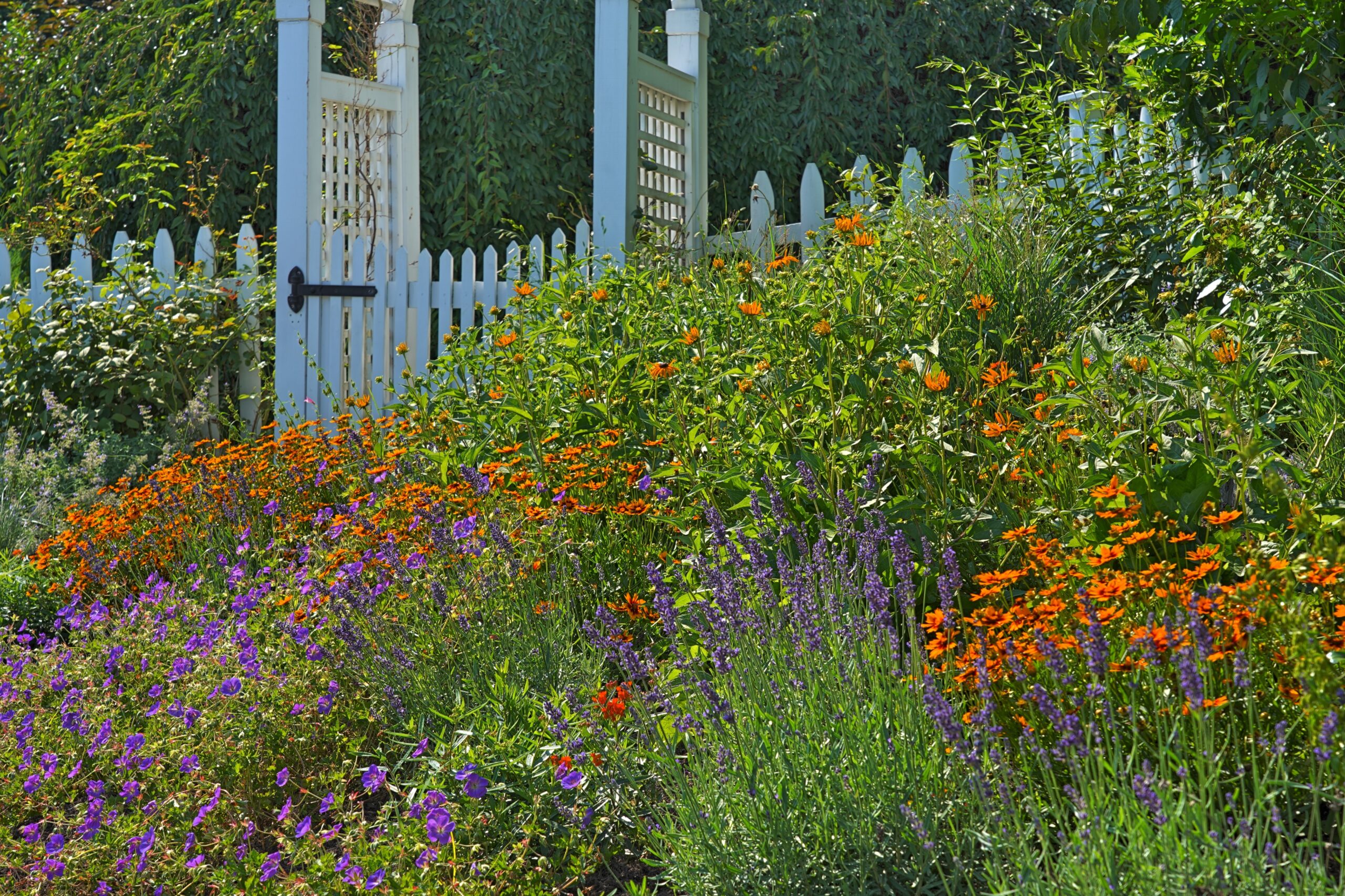
High impact pollinator garden in a high visibility area – we love to see it!
Stunning summer plant combinations for the front yard garden. Designed and installed by GJLD.

Read all about the project on our blog!
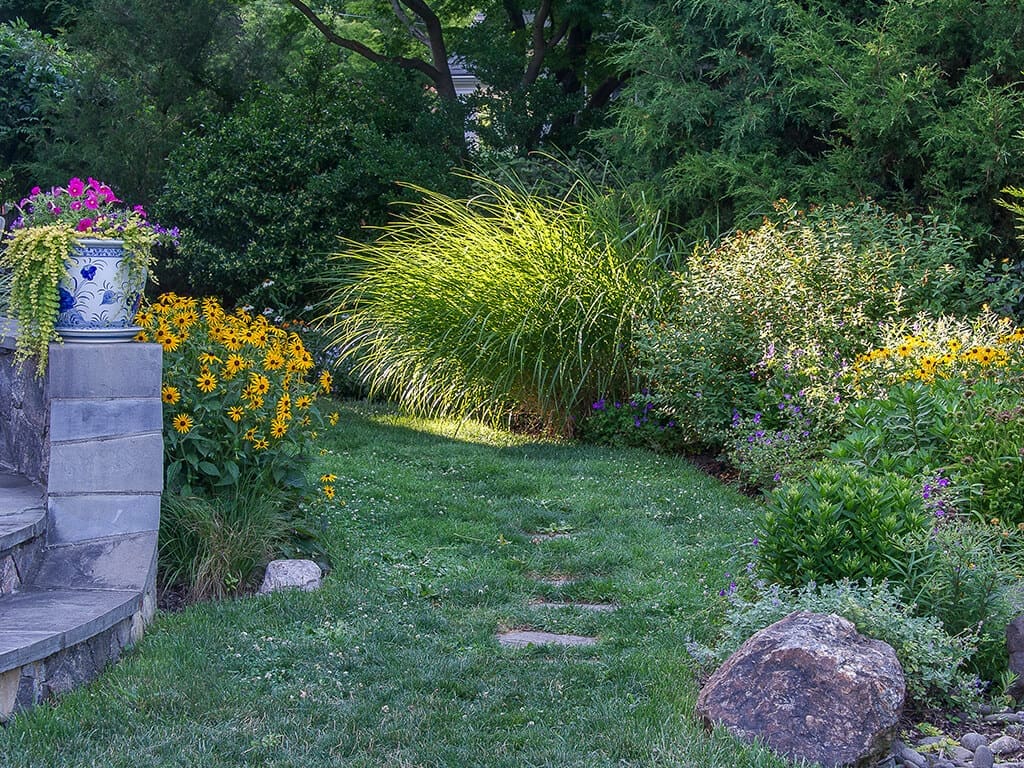
Perennial and grass border for effortless garden beauty (and habitat) all summer long.

#7 Certified Wildlife Habitat with Natural Swimming Pond; Front Lawn Removal


Another property that has evolved wonderfully over the years, gradually removing more and more lawn, leaving it only where it serves a function! We started with the backyard, removing about a third of the lawn to construct a natural swimming pond with bog garden filtration.
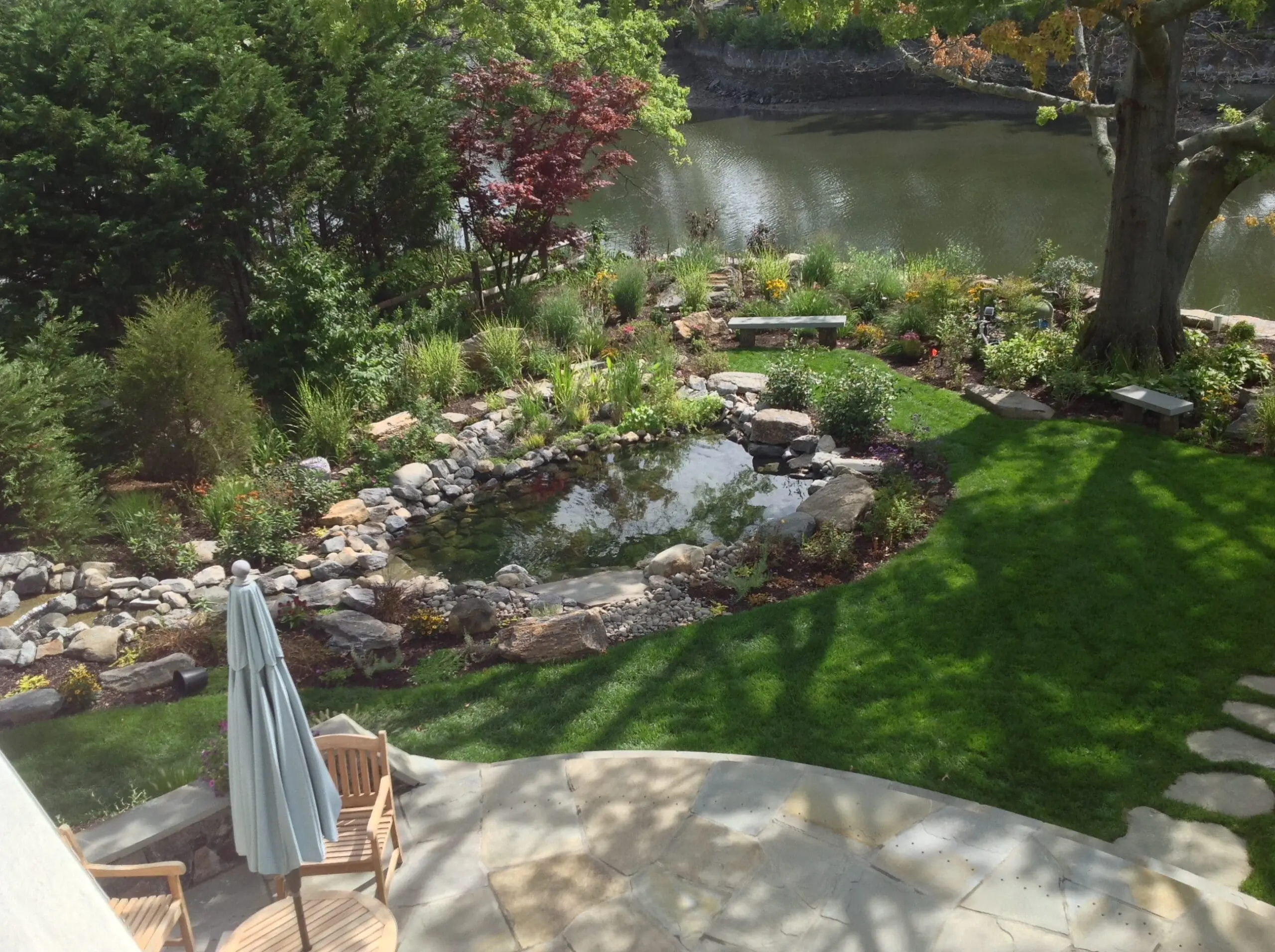
Bird eye view of the landscape plan for the backyard.
Constructed waterfall cascades into a Natural Swimming Pond.

To retain the backyard border planting, we reconstructed the sea wall in the channel that the backyard borders. Then, we had ample space to plant a diverse, contemporary, salt-tolerant border.
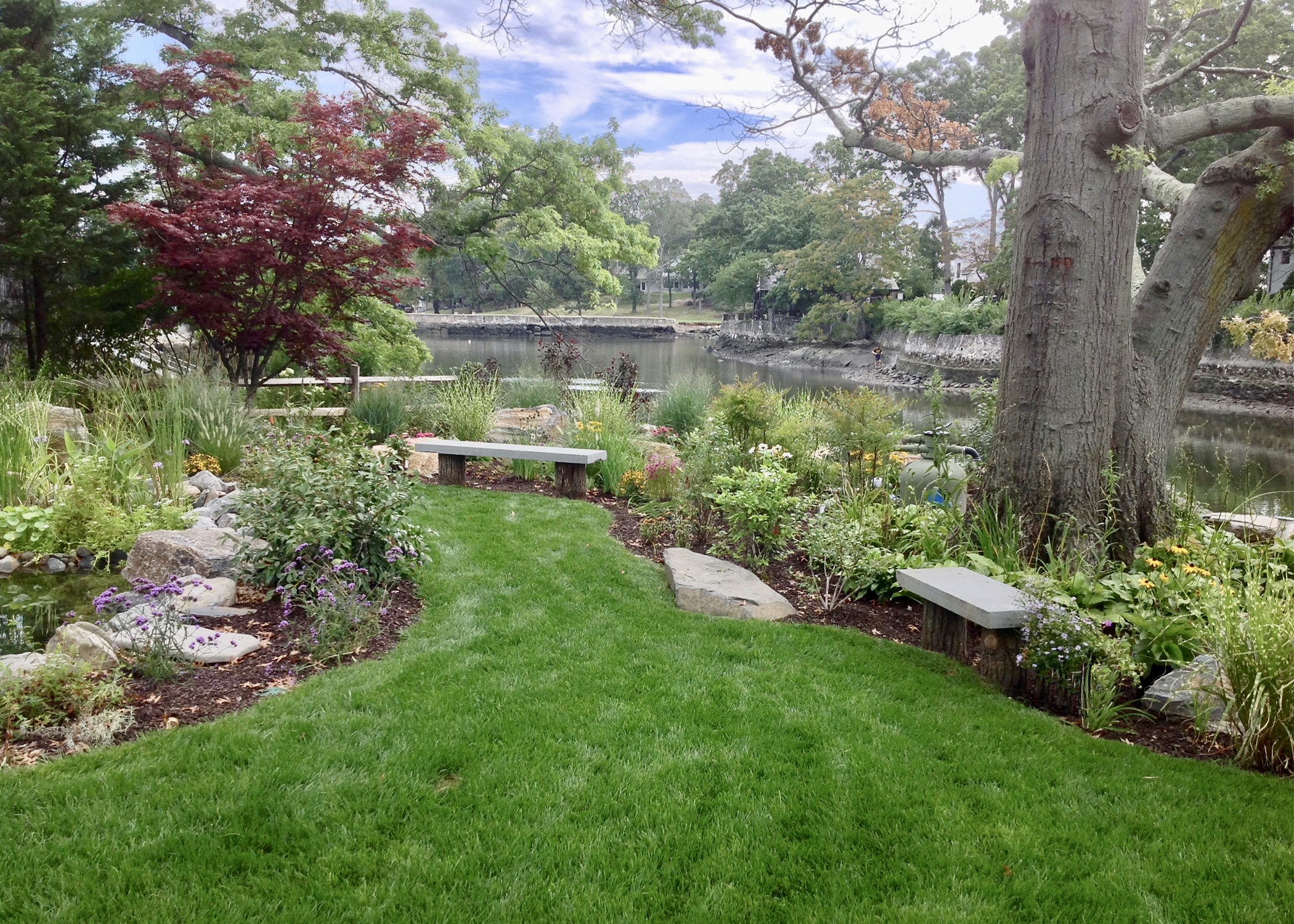
Bench framed by perennial border, with sea channel and pond focal points.

A few years later, we removed the entire front lawn, replacing it with spreading groundcovers and dwarf shrubs for a low maintenance front yard garden.

Learn more about the project in our portfolio case study.
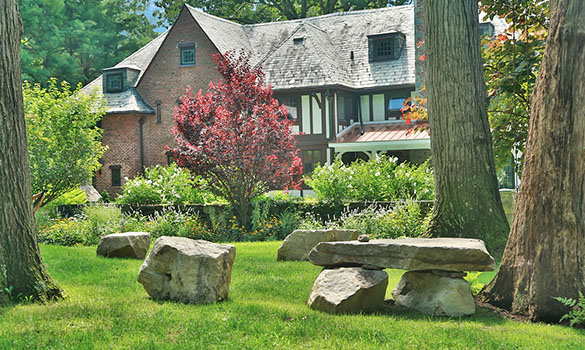
Sitting boulders offer a whimsical gathering space to enjoy the expansive gardens.

#8 Ecological Playscape with Woodland Trail

GJLD designed this backyard with the objective of making it a family friendly escape, with plenty of nooks, trails, and play areas to entice everyone outside. We added native perennials and ornamental grasses to modernize the pool area planting and designed an expansive pollinator garden on the outside of the stone wall surrounding the pool area. The property had many mature tree and shrub plantings but lacked herbaceous diversity and continuous color!
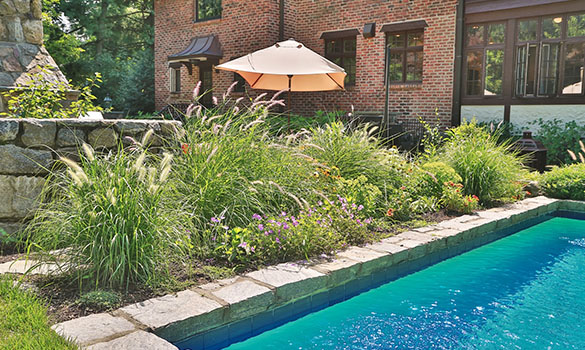
Updated pool border features ornamental grasses and long-blooming summer perennials.

We also directed gutters from the house into a rain garden to aid with stormwater management.
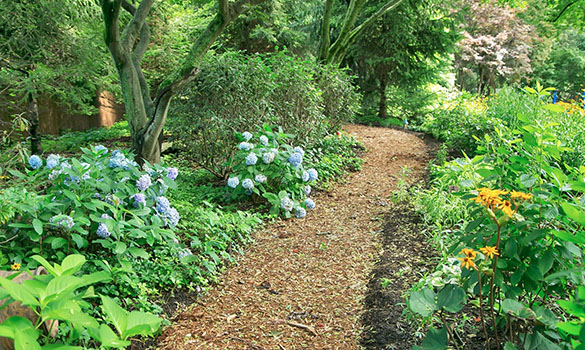
This woodland stroll trail invites you to get lost in the great outdoors.

Encircling the backyard border, beneath a mature tree canopy, we designed a meandering stroll path, dubbed by the client’s daughters the fairy trail.

Learn more about the property on our blog and portfolio case study.
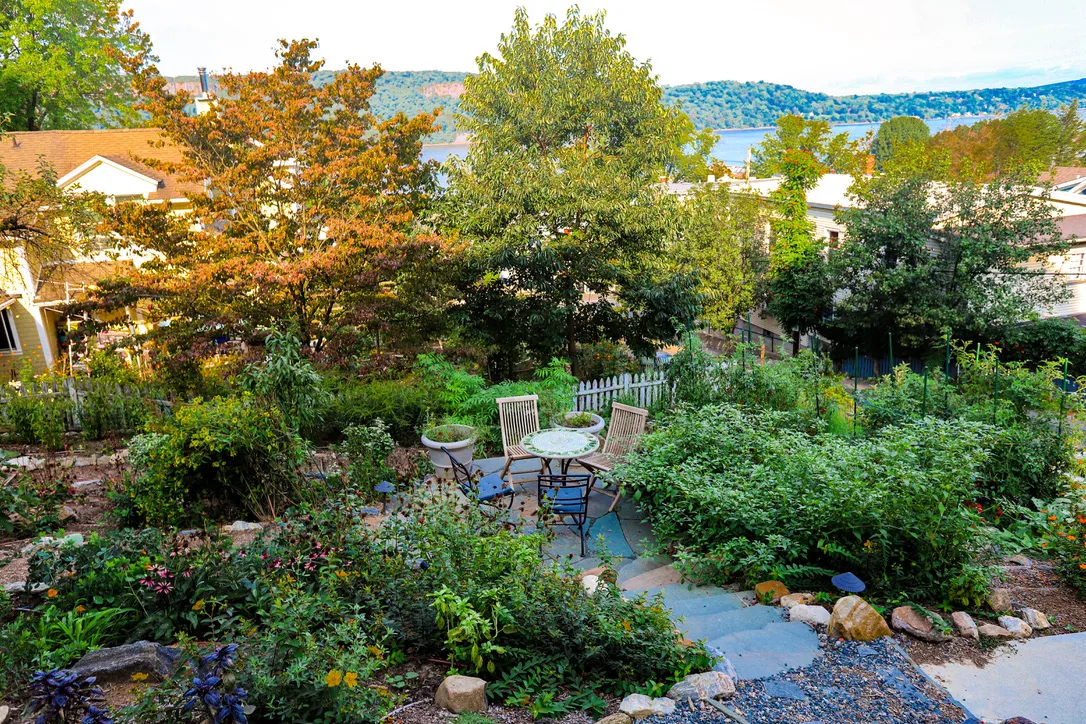
Central patio overlooks a series of garden terraces.

#9 Permaculture Terrace Garden

This client wanted to transform a weedy sloped front yard into a permaculture paradise. GJLD designed garden terraces navigated by woodchip paths, increasing the functionality of the space, and acting as erosion prevention. A natural stone staircase navigates the slope and connects the two pathways.
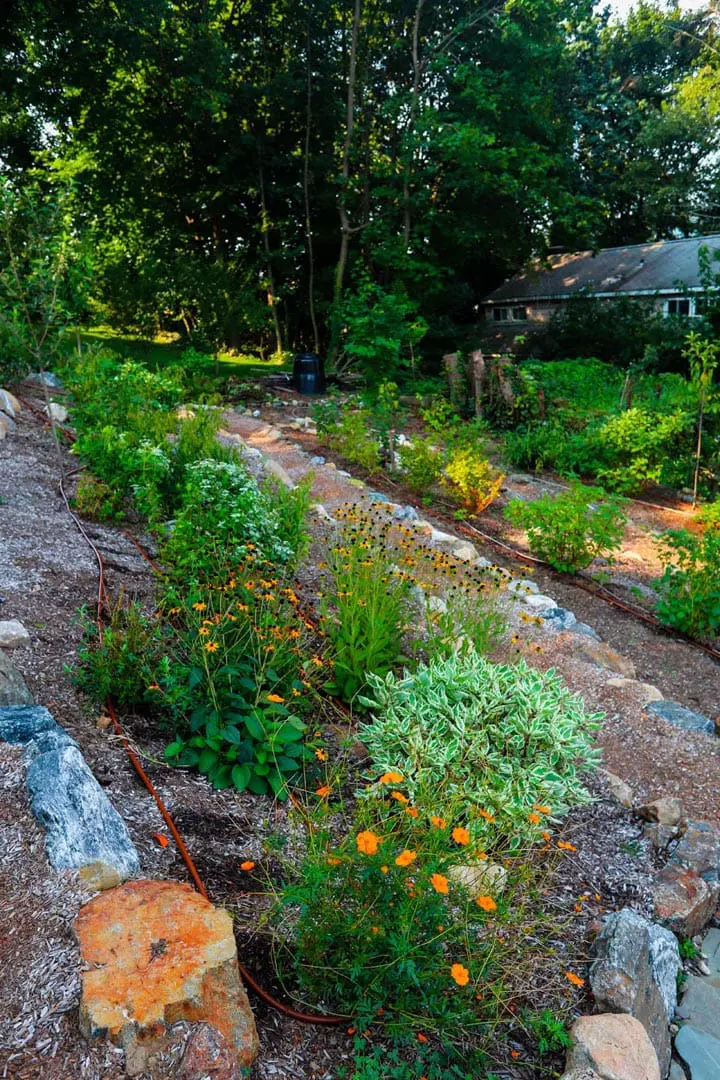
Garden terraces are interspersed with woodchip walkways on this hillside property

The pathways culminate in a natural stone patio overlooking the landscape. A recirculating waterfall completes the nature immersion transformation.

The planting is a mix of native plants and vegetables, herbs, and fruits. This was such a fun project!
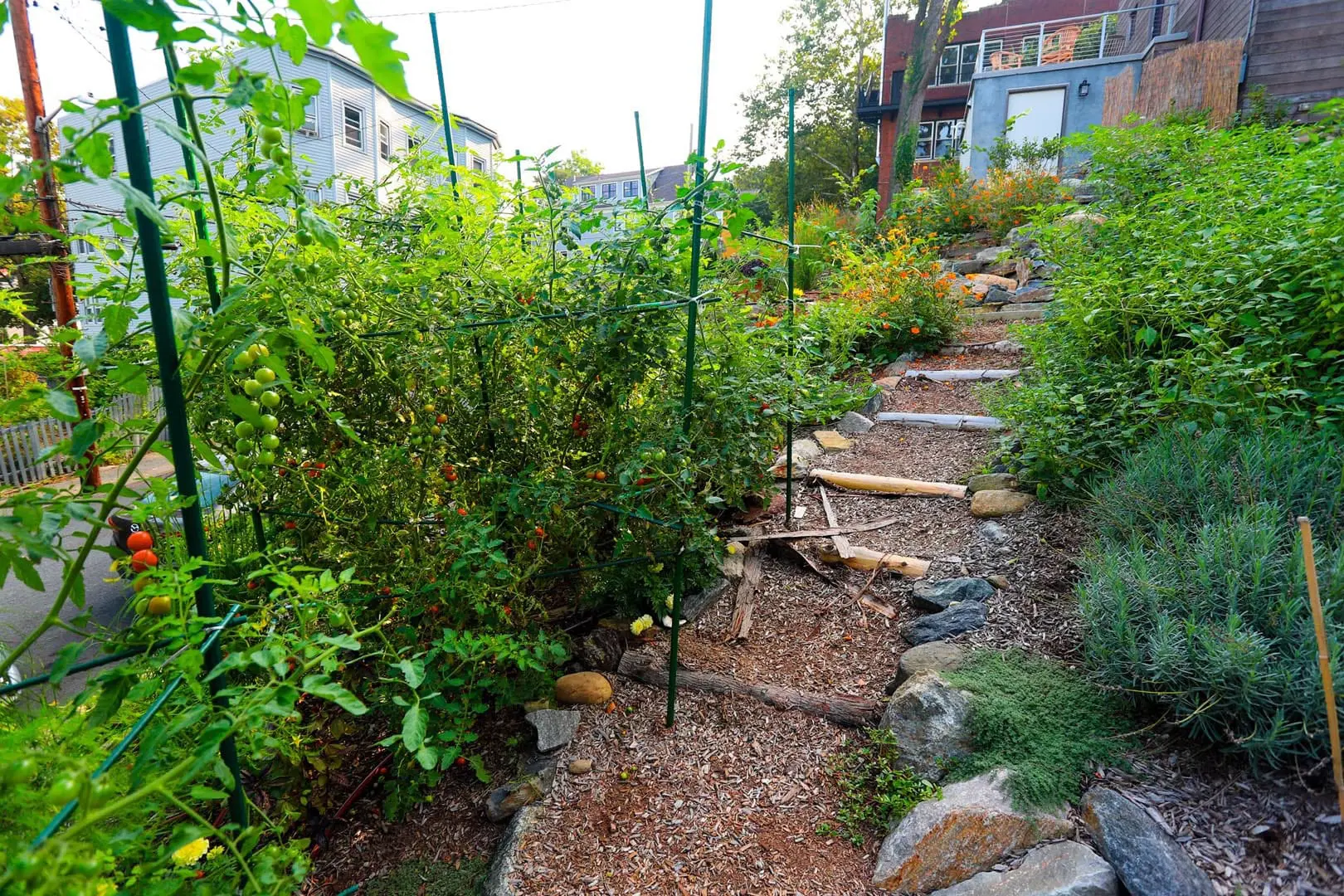
Tomatoes next to perennials for a true permaculture approach to the front yard!

Read all the project details on our portfolio case study.
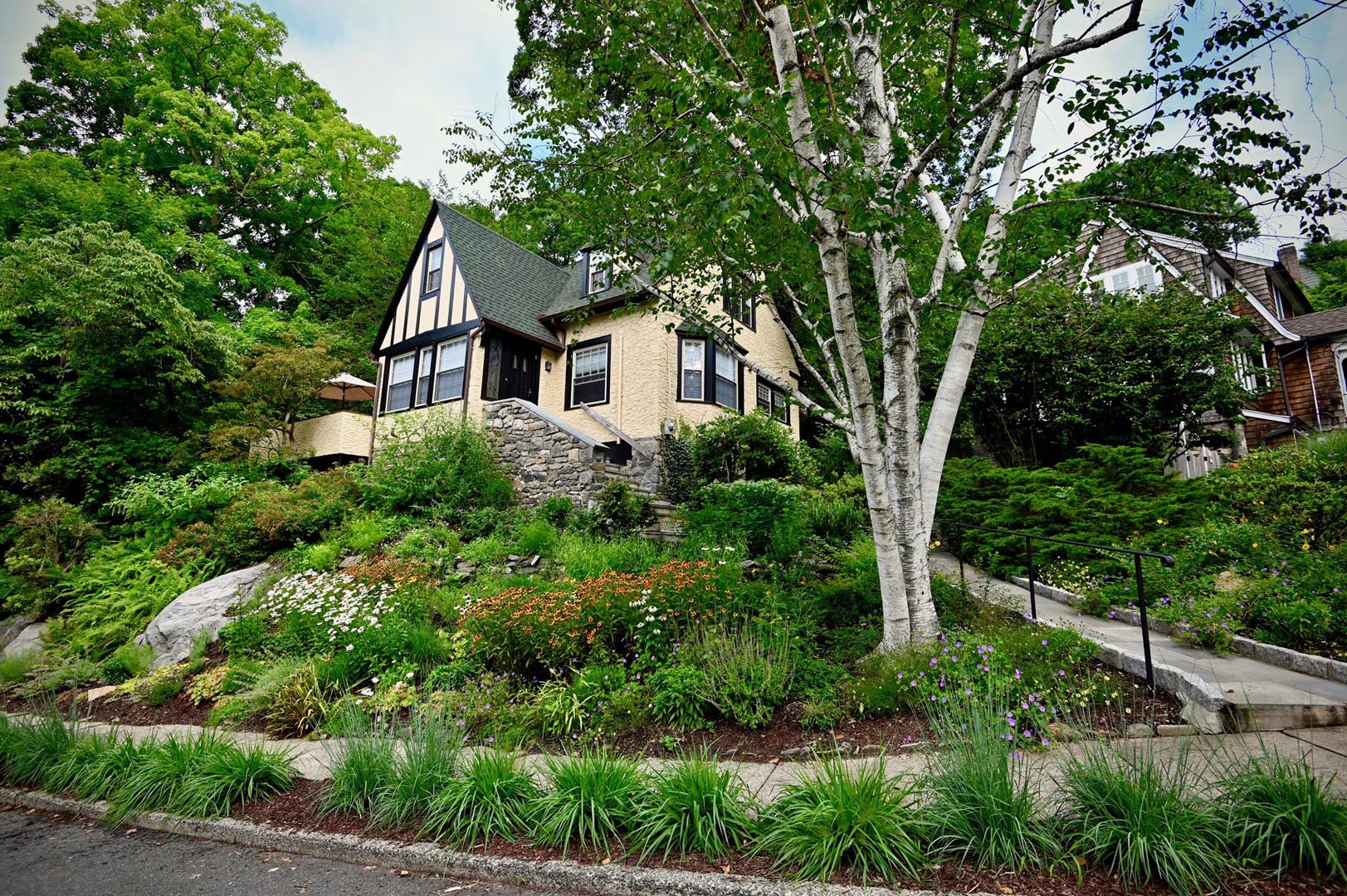
Pollinator perennials, ferns and shrubs for the front landscape

#10 Hillside, Front Yard Native Garden 

Probably our favorite front yard transformation to date! We renovated a weedy monoculture front yard into a biodiverse native garden ranging from part shade to full sun. The plant biodiversity translates directly to insect biodiversity and the client has become an amateur etymologist!
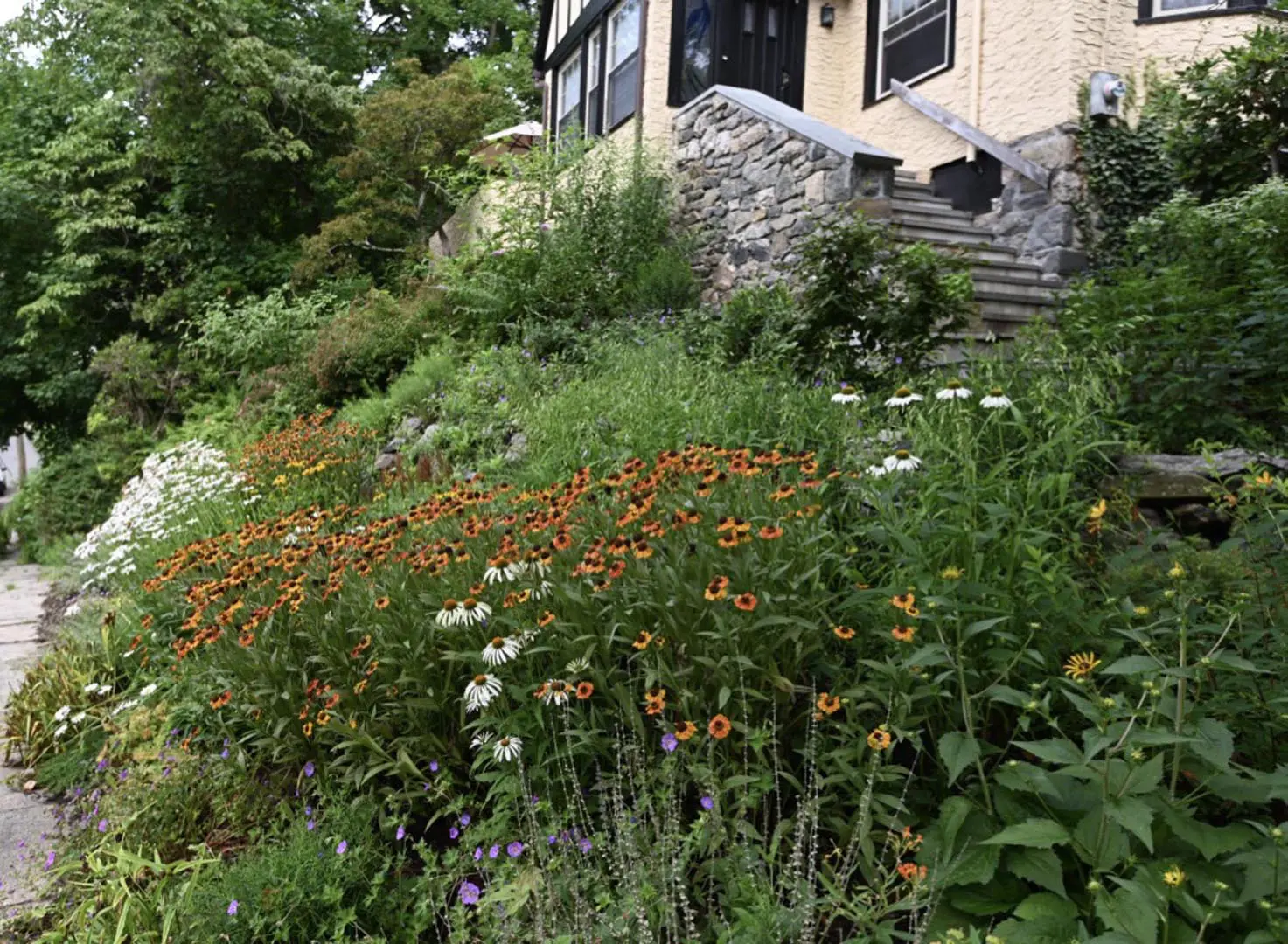
Sneezeweed, Daisies and Coneflower are pollinator favorites.

We extended the planting to the sidewalk hell strip (with permission) – it completes the composition! Recently we added ferns and woodland perennials to the side yard along the existing stream.
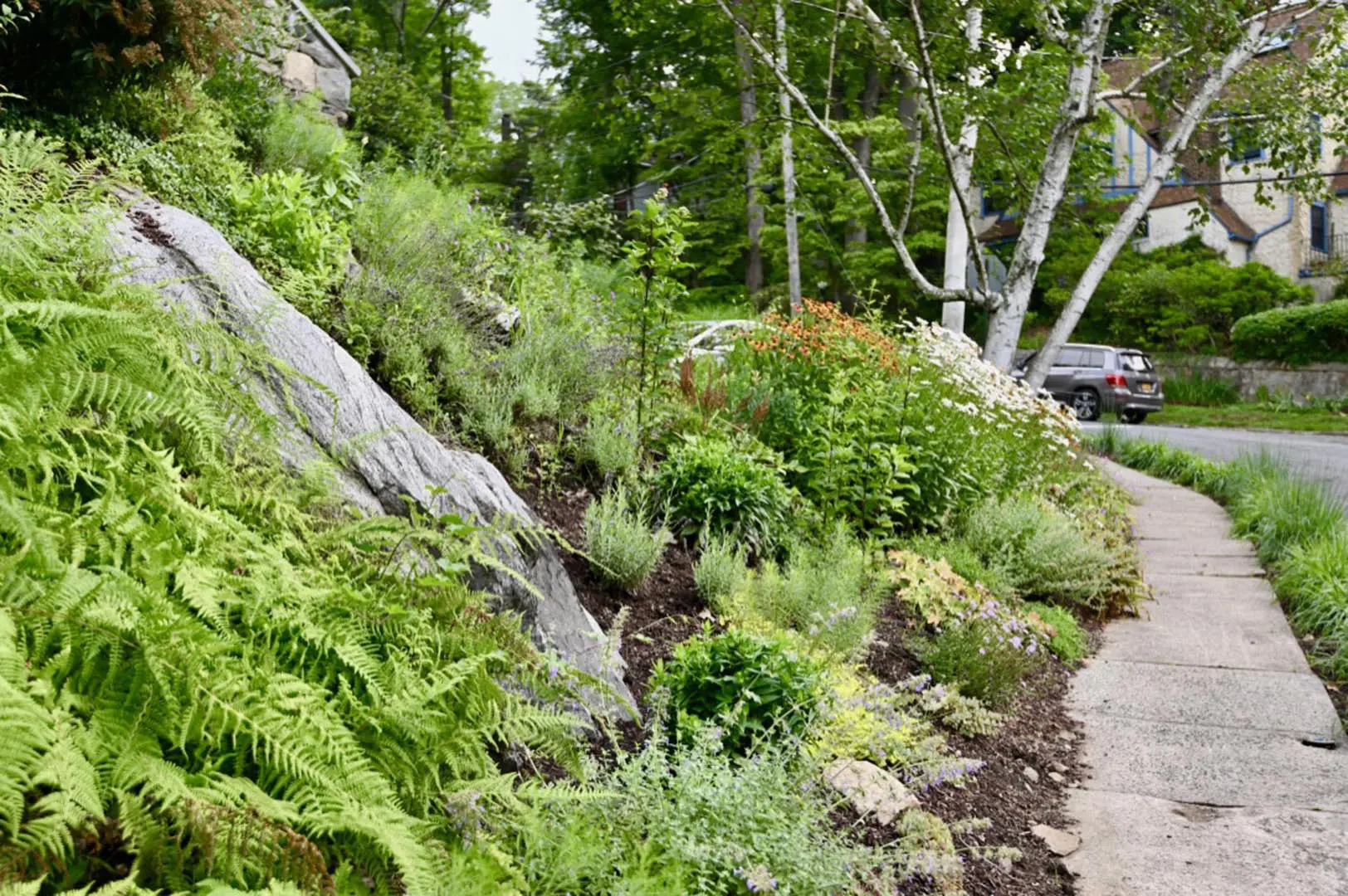
After removing invasives by hand and re-planting.

Learn more about the project on our Portfolio and blog.

—

Green Jay Landscape Design

Where Design Meets Ecology

914.560.6570
Filed Under: Landscape Design Tagged With: backyard design, backyard landscaping, bedford 2020, bedford 2030, design and build, design plan, dream home, ecological landscape design, front yard design, garden designer, landscape architecture, landscape construction, landscape design, landscape design and build, landscape design master plan, landscape designer, landscape ecologist, landscape installation, LOHUD, lower Hudson, meadow design, Rye New York, ryesustainability, Westchester county landscape design, westchester county real estate, Westchester landscaping, Westchester NY

Jay dives into one of the most important tasks on your fall landscape maintenance checklist: feed your shrubs and ornamental trees!

Always choose natural-source products for an organic landscape. We look for the OMRI-approved label. Plants must also be fed according to their pH preferences — some plants prefer a more acidic environment, some prefer more alkaline, and some are happy right in the middle. We collect soil tests at each property and send them to Rutgers to ensure we know exactly what base level pH, organic matter and nutrient content are in the soil.

Pesticides are NEVER part of our holistic land care program. They kill indiscriminately and are especially troublesome for beneficial insects and pollinators. Synthetic fertilizers are a “cheap fix” of nutrients, but do nothing to improve the health of the soil, and the soil microbes that develop partnerships at plants’ roots. Synthetic fertilizers can actually weaken plants’ immune systems, not to mention their impact on eutrophication of freshwater bodies.

Learn more about or Organic Land Management program and contact us about your ecological landscaping project! 914-560-6570.

Filed Under: Gardening & Grounds Maintenance Tagged With: ecological landscaping, feeding landscape plants, landscape maintenance, organic fertilizer, organic garden, organic gardening, organic landscape, organic landscape maintenance, organic landscaping, organic lawn, plant health care, shrub fertilizer, shrubs, tree fertilizer, trees

In residential landscape design and landscape architecture, concrete can be largely avoided. Below we’ve outlined our go-to alternative hardscape materials that don’t require concrete use. 

This is Part Two of our series on concrete. Catch up on part one, The Hidden Cost of Concrete and Cement, where we examine the human health and environmental consequences of pervasive concrete. 

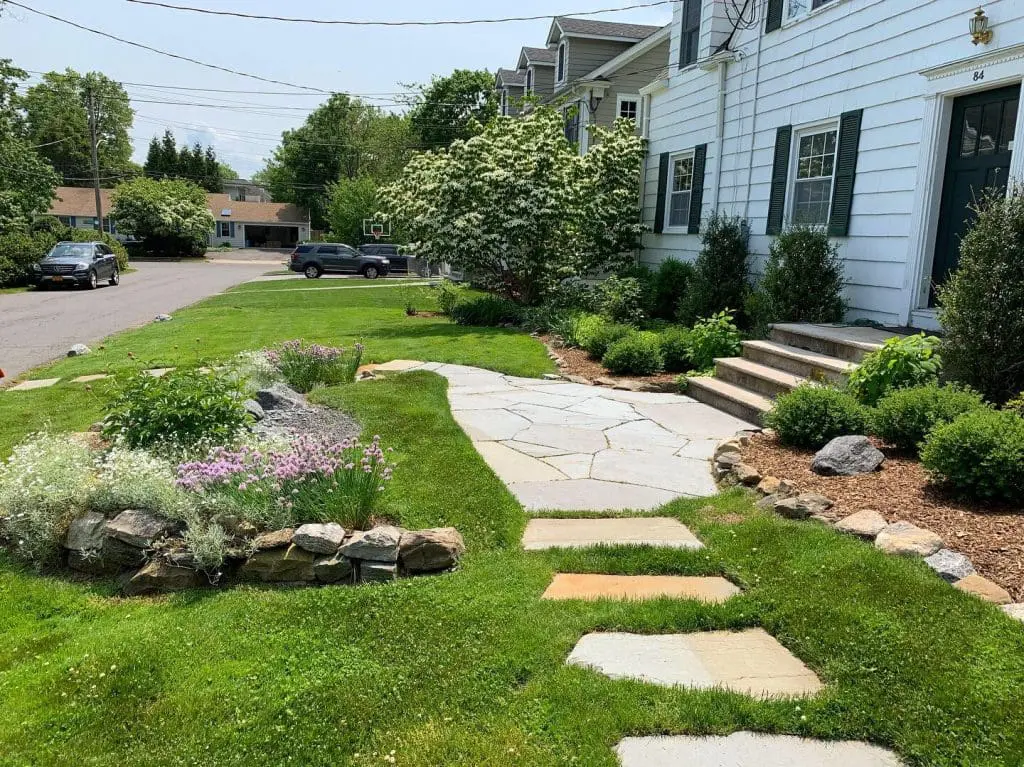
Natural Source Front Walkway: irregular fieldstone on a stone dust base allows for interplanted with “steppables” for a beautiful green entrance.

Natural Stone, Superior to Pavers

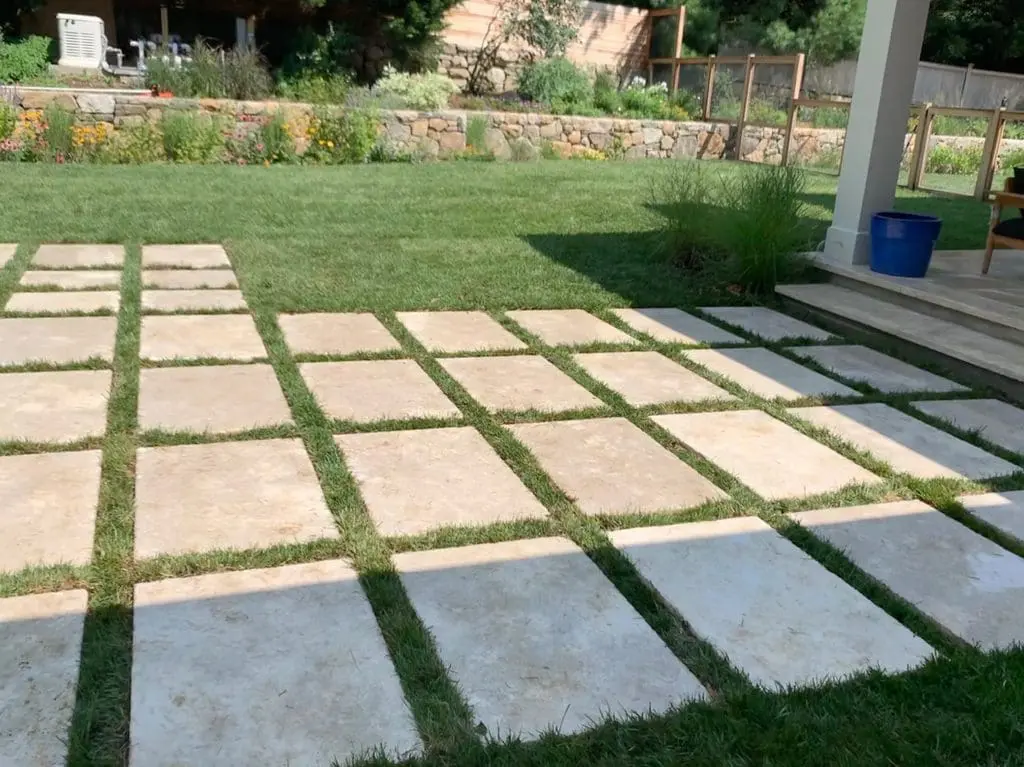
For high-use or more formal residential hardscape areas, such as front walkways, patios, and staircases, we most often use natural stone on a stone dust base.  From a design perspective, natural stone lends an irreplaceable sense of permanence, timelessness, and grandeur. 

Natural bluestone and fieldstone are combined in these front entry walkways and landing.

Since it is a natural product, there are no manufacturing emissions, unlike for concrete pavers. There are of course are some emissions associated with transporting stone, and a degree of environmental disturbance involved with quarrying, but New York State regulates quarries and requires them to properly dispose of waste and replace and restore the “overburden” – the rocks and dirt removed to reach the harvestable stone. 

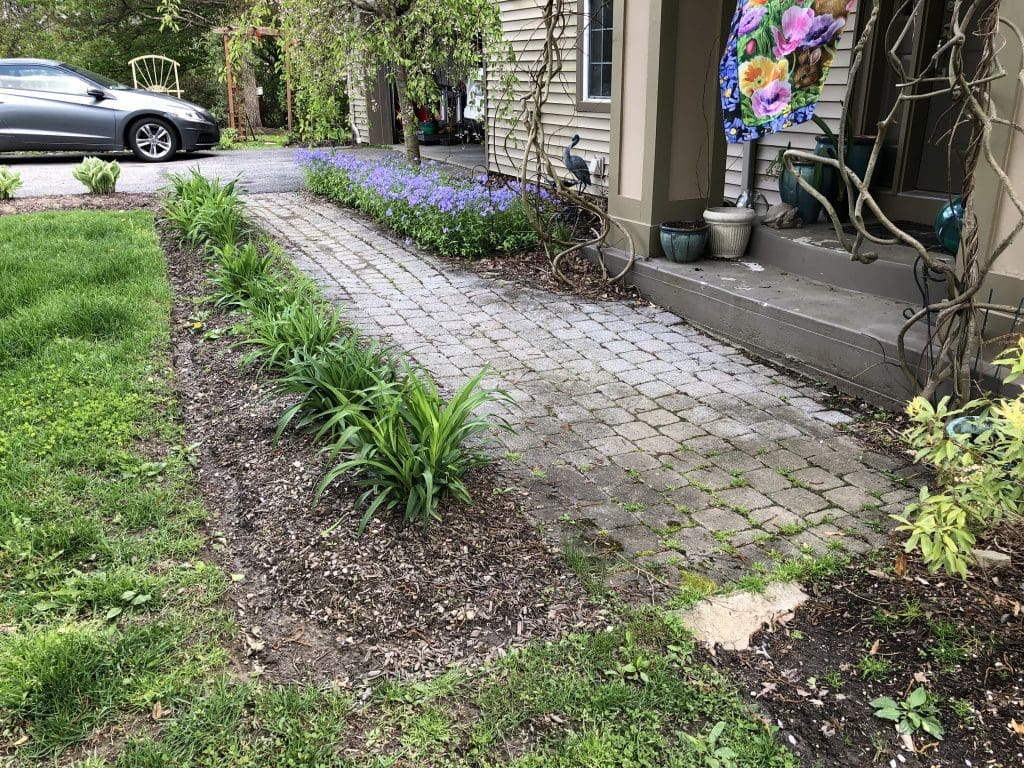
BEFORE PHOTO: client’s existing concrete paver walkway. The grade has warped and the scale of the pavers leaves much to be desired aesthetically.

That brings us to another benefit – locally sourced materials.  We use local landscape supply companies, such as Bedford Gravel and Prospero, which source their stone from New York and Pennsylvania and New England. Using local quarries cuts down on transportation emissions and also achieves a design aesthetic that aligns with the sense of place and history for each property. For example, Bluestone is a unique and beautiful form of sandstone only quarried in NY and PA; using it in our landscapes celebrates this natural resource 

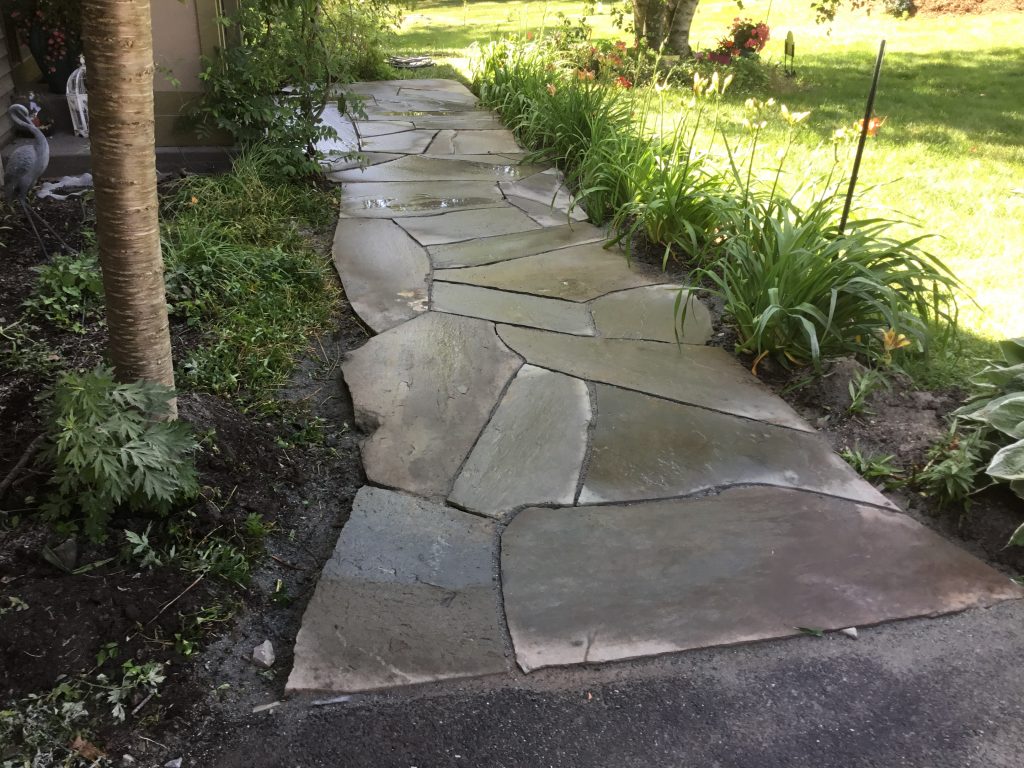
AFTER: large natural fieldstone on a stone dust base creates a grand front entry that avoids the negative effects of concrete.

Natural stone also has superior durability and lifespan – it will last forever with very minimal maintenance. Concrete pavers, on the other hand, have usable lifespan of just 25 years. 

When it comes to recycling or repurposing, concrete pavers also fall short.  Although they can in theory be recycled into composite for roadways, it is difficult to find such vendors to accept it. Often, it is less expensive for the homeowner to take it to a landfill than to transport it to a recycling vendor.  Natural stone, on the other hand, does not lose its value or function, it can be easily repurposed into a number of stone applications. 

Installation of rectilinear bluestone walkway on stone dust base — no concrete needed! Greenwich, CT.
Natural can be modern! Rectilinear fieldstone patio with grass joints.

“Soft Base” Versus Concrete

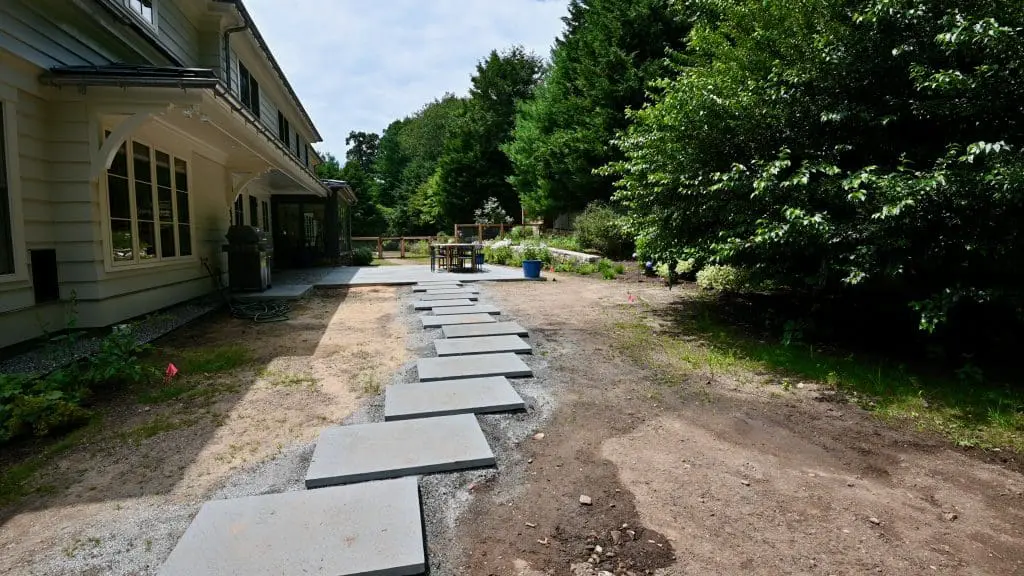
Natural stone patios, walkways, walls, and staircases can be constructed on either a soft base (a mix of gravel and stone dust ) or a hard base (concrete). Concrete is valuable in extremely high traffic public areas, but is mostly unnecessary in residential landscapes, barring pool construction.  To construct a soft base, we excavate and fill with 6-8″ of Item 4 gravel that we compact at 2″ intervals to ensure long-lasting stability that can withstand freezing. The stone is then laid on 1″ of stone dust. In choosing to construct a soft base over concrete, we keep all of our building materials natural-source, and avoiding the leaching, pollution, and potential respiratory harm associated with concrete. 

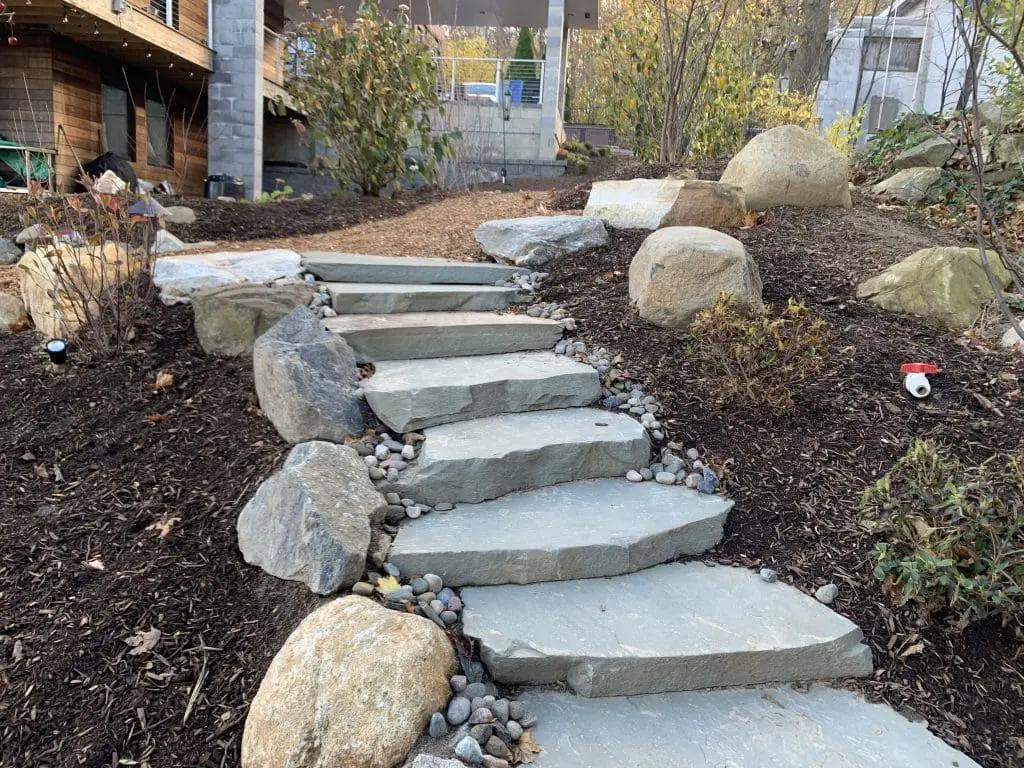
Fieldstone staircase installed using “rammed Earth” technique, lined with river rock to improve drainage and for a natural aesthetic. Hastings, NY.

Gravel

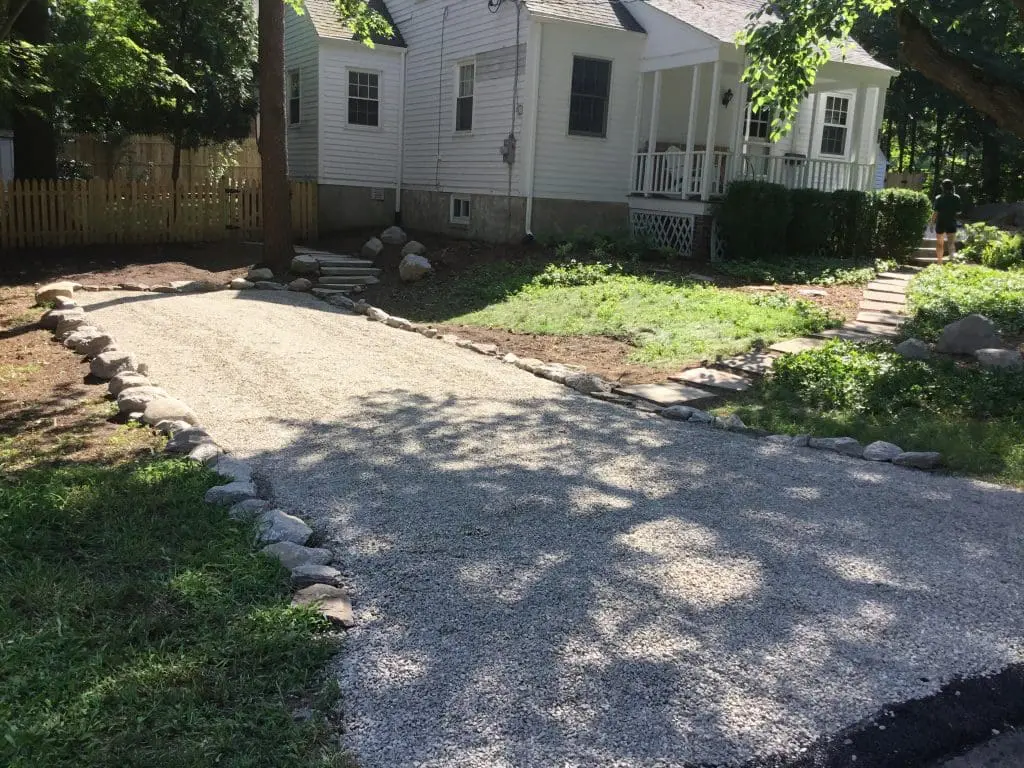
Gravel is another natural-source material with a wide variety of applications in the landscape, from driveways to garden paths to patios to stormwater infrastructure.  

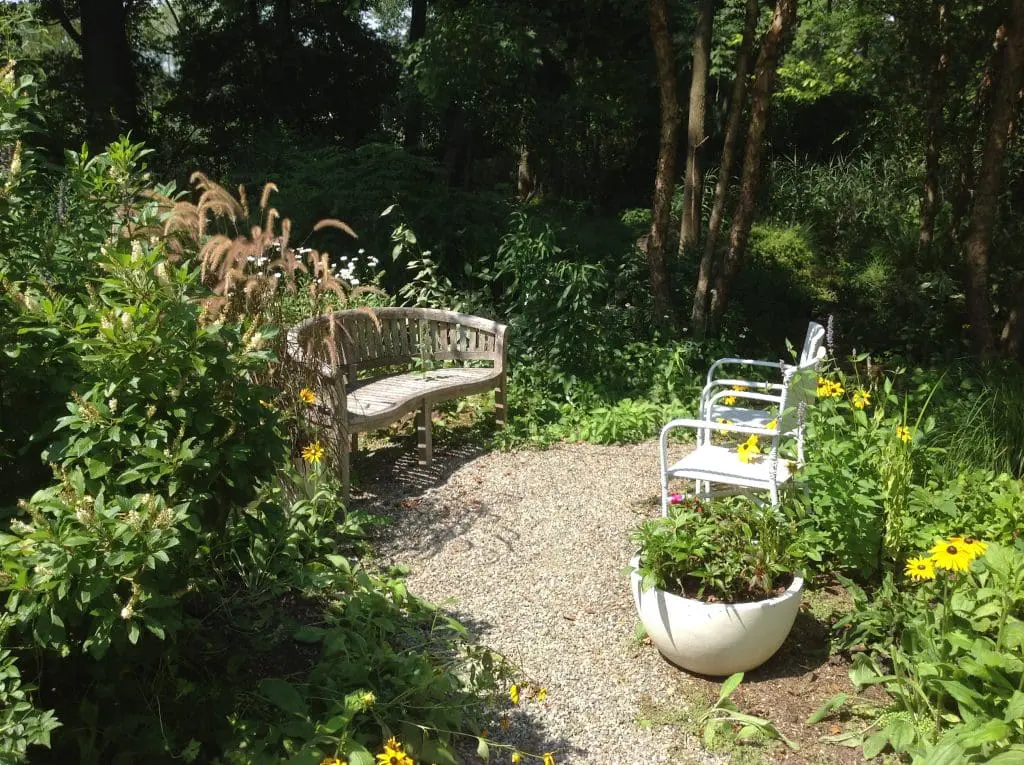
A gravel seating area works well in this native garden and doubles as a stormwater infrastructure.

The biggest benefit of using gravel as a hardscape material is its permeability – that is, its ability to allow stormwater to infiltrate through it and eventually return to the aquifer. Gravel has natural filtration qualities at well that remove impurities collected during runoff.

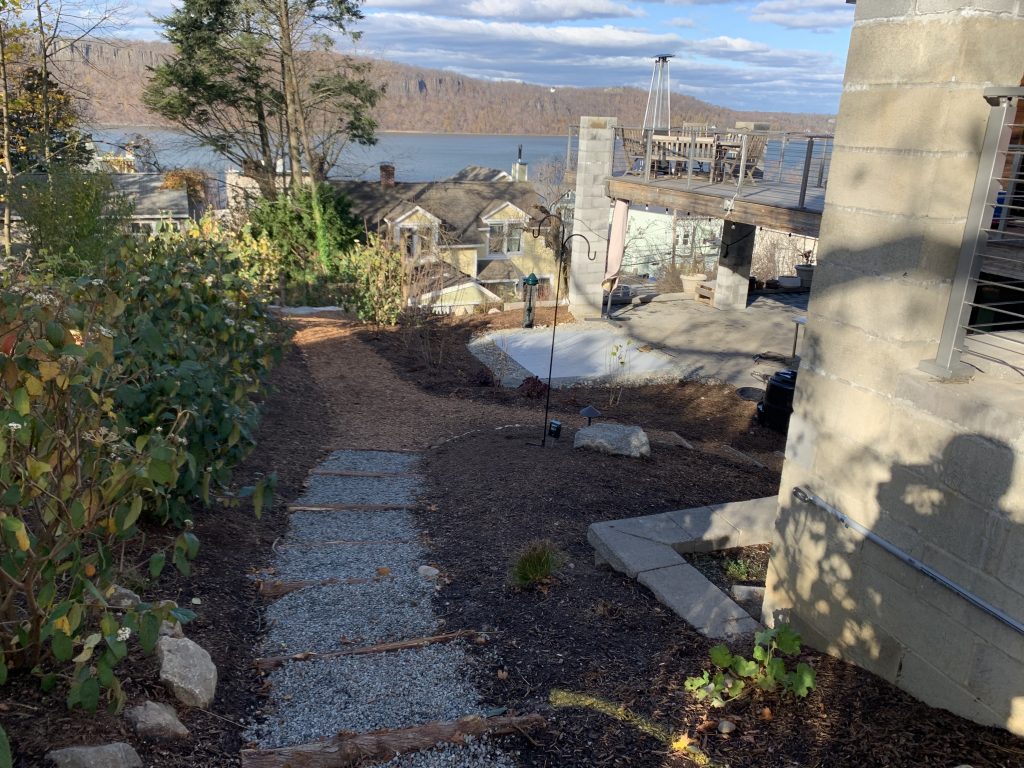
Gravel and wood chip pathways are an environmentally-sound hardscape choice because of their permeability — especially important at this Hastings, NY property that was prone to erosion because of the steep slope.

Some clients worry about gravel migrating to other parts of their landscape, but installing landscape edging simply and elegantly solves this problem. We apply OMRI-approved organic herbicide sprays to suppress weeds in gravel. 

Gravel walkways with landscape edging prevent the gravel from migrating into the garden beds.
Gravel driveway lined with boulders in Irvington, NY.

Porous Pave 

Porous Pave is a fantastic innovation made of recycled rubber and a special bonding agent that allows water to run through it. Check out our video Stormwater Lab: Porous Pave vs Asphalt for a powerful demonstration! 

Completed Porous Pave driveway is completely permeable to stormwater.

Porous Pave’s lifespan is far superior to asphalt and does not require any re-applications throughout its lifetime (although it does require some periodic cleaning to ensure dust is not clogging the pores and reducing permeability).  

Wood Chips

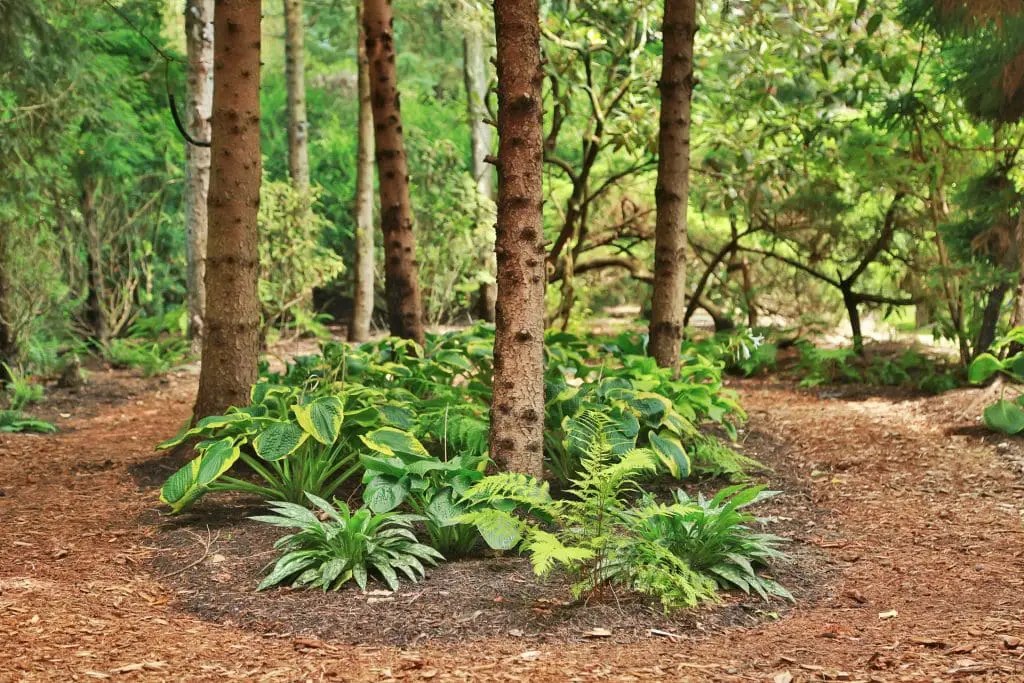
Wood chips are a great low-cost solution for garden pathways and playground bases. They are permeable, easy to install, and align perfectly with a naturalistic landscape design.  We like to use milled cedar woodchips in these applications; the lighter color contrasts with the dark brown mulch we generally use in our garden beds. For playground bases, the cedar wood repels insects, making it a safe landing spot for children. Building codes actually specify ‘Playground Mulch’ as cedar wood chips. 

This wood chip pathway culminates in mature woodland area; using wood chips achieves the most natural, wild aesthetic and is more affordable than stone.

As you can see, almost of all our preferred materials are natural-source. We believe that with sustainable harvesting practices, these materials are more environmentally-sound than manufactured materials, and they deliver superior durability and design aesthetic. 

For more examples of our hardscape work, check out our ‘Stone’ photo gallery.

Contact us about your hardscape or landscape design project: 914-560-6570.

Filed Under: Featured Article, Hardscaping & Stonework Tagged With: cement, concrete, ecological landscape desing, ecological landscaping, Fairfield county landscape design, gravel, green design, hardscape, hardscaping, landscape construction, natural stone, porous pave, stone dust, sustainable materials, Westchester NY, Westchester NY landscape design, wood chips

We see concrete everywhere. It’s ubiquitous in buildings, highways, infrastructure, sidewalks, homes, patios, and walkways. It’s cheap, strong and relatively predictable, but for too long we’ve collectively overlooked the cost of concrete: the human health impacts, the immense greenhouse gas emissions from its production, and the environmental consequences of our impermeable concrete world. 

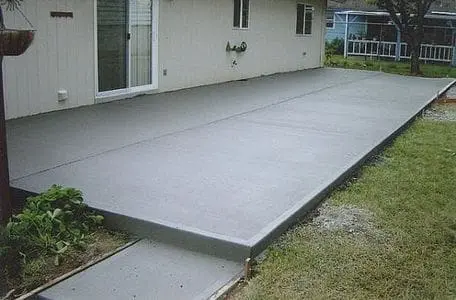
Concrete patio. Work not done by GJL.

Emissions Associated with Concrete Production

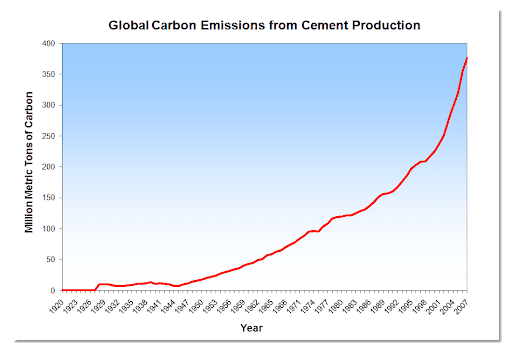
Concrete is made from aggregate (sand, gravel or a combination), water and cement. Creating cement is incredibly emissions intensive: for every one-ton of cement produced, one-ton of CO2 is emitted. That ratio is actually lower than some other materials like iron and steel, however given the prevalence of concrete the cumulative impact is great. 

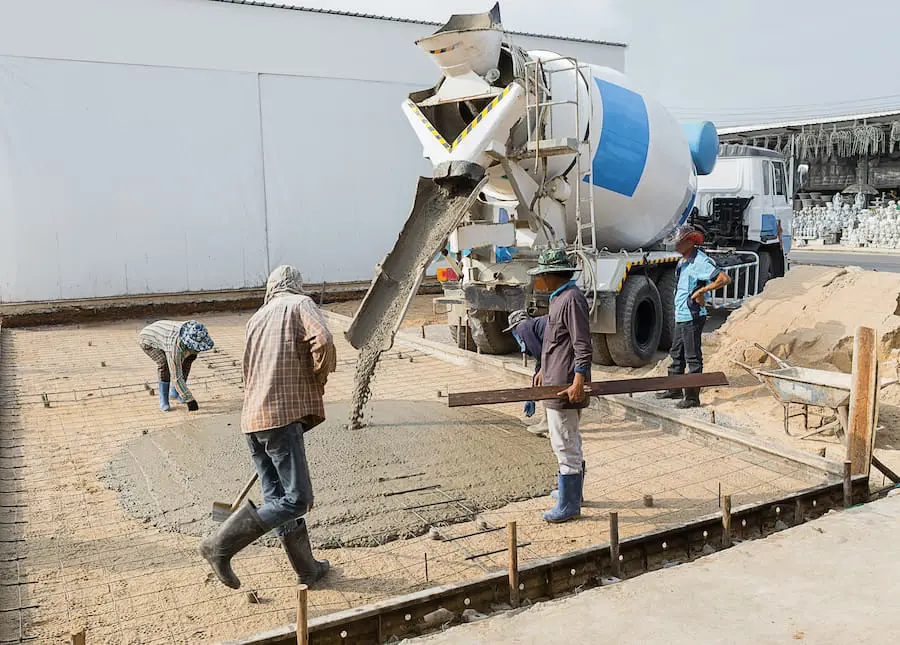
Pouring concrete. Image courtesy of equipmentcontracting.com

Shockingly, if concrete were a country it would rank third in the world of GHG emitters – right behind China and the US.  It’s CO2 emissions amount to 8% of global anthropogenic emissions, an annual 2 billion tons! To put that in perspective, it is triple that of the aviation industry.

Global cement CO2 emissions from 1920 – 2007. Graph courtesy of Geos Technologies.

Concrete is the second most used substance on Earth, behind water.

Cement: Energy & Emissions Intensive

Globally, 9 billion tons of cement are produced annually, mostly for use in concrete

Limestone is a key ingredient of cement, and 2/3 of the emissions associated with cement production result from the calcification of limestone. That is, using very high temperatures to separate limestone (CaCO3) into lime (CaO) with CO2 as a byproduct.  

The remaining GHG emissions associated with cement production are from burning fossil fuels and purchasing electricity. 

Cement manufacturing plant. Image courtesy of Understanding Cement.

Then, the lime is mixed with silica products (creating what is know as “clinker”) and finally with gypsum to make cement – Portland cement is the most widely used. 

Silica, it turns out, is extremely dangerous as an inhalable dust, and some European countries have categorized it as a carcinogen. We’ll further discuss the human health impacts below.

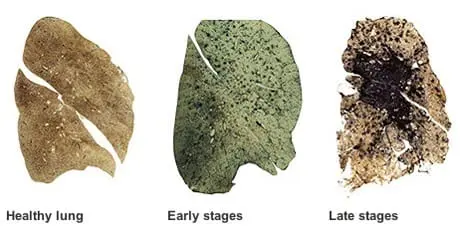
Respirable Crystalline Silica is airborne silica dust released from cutting or demolishing concrete; it is extremely harmful to lungs. Photo courtesy of Minnesota Occupational Health.

Human Health Consequences of Concrete 

Cement poses a number of serious health problems. Wet cement is extremely toxic and can cause caustic burns to the skin if touched – this is because of its extreme alkalinity (a pH of 12 or higher).  Serious burns can occur if the cement exposure goes undetected and remains on the skin; some of these alkaline burns can even reach the tissue, muscle and bone.  

Healthy lung versus lungs exposed to silica, developing silicosis. Image courtesy of Canadian Design and Construction Report.

Dry cement is dangerous as well.  When cutting, drilling or demolishing concrete, silica dust or RSC – respirable crystalline silica – can be inhaled, severely inhibiting lung function over time. Silicosis is a condition where scarring of the lung tissue occurs from inhaling RSC, causing chronic wheezing, arthritis, cancer, and reduced life expectancy.  RSC can also lead to asthma, pulmonary disorders, and kidney disease. 

Environmental Impact of Concrete 

As we mentioned concrete is a strong, relatively durable material. It is also impermeable to stormwater, contributing broadly the problem of polluted runoff and greater disturbance of aquatic environments. 

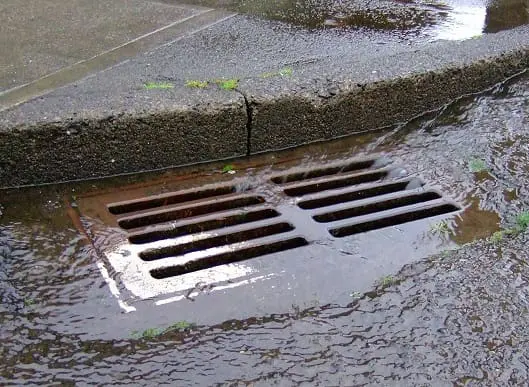
Instead of designing landscape systems to capture valuable stormwater to percolate into aquifers, most development sought to pave, pipe and displace stormwater, letting it accumulate pollutants from industrial surfaces (concrete, asphalt, roofing) in the process. Most people do not realize that storm drains and municipal stormwater infrastructure does not treat the polluted water; it simply transports it – directly into streams and rivers. Stormwater pollution has vast consequences for our freshwater environments. 

Stormwater run-off collecting in a storm drain, surrounded by a concrete sidewalk and road.

Furthermore, there is evidence that concrete itself can leach into the environment and raise the pH of the surrounding soil or water.  One study found that freshly cured concrete (4 days or less) is most likely to leach – in one example, newly cured and installed culvert pipes raised the pH of the water around it to 11 (waters normal pH is 7). Vast fluctuations of pH have implications for the survival of plants and organisms that live in that local environment and are accustomed to more moderate pH levels.

Final Words on Concrete, Cement

Perhaps after reading this blog you also concur that concrete’s costs outweigh its benefits in most applications.  At Green Jay Landscape Design, we’ve pledged to avoid using concrete as much as possible. The health risks from silica inhalation, the emissions associated with its manufacturing, and the direct environmental impacts from its impermeability make it a losing material in our opinion Stay tuned for our follow up post: GJL’s Ecological Hardscape Alternative to Concrete.

Contact us about your hardscape or landscape design project: 914-560-6570.

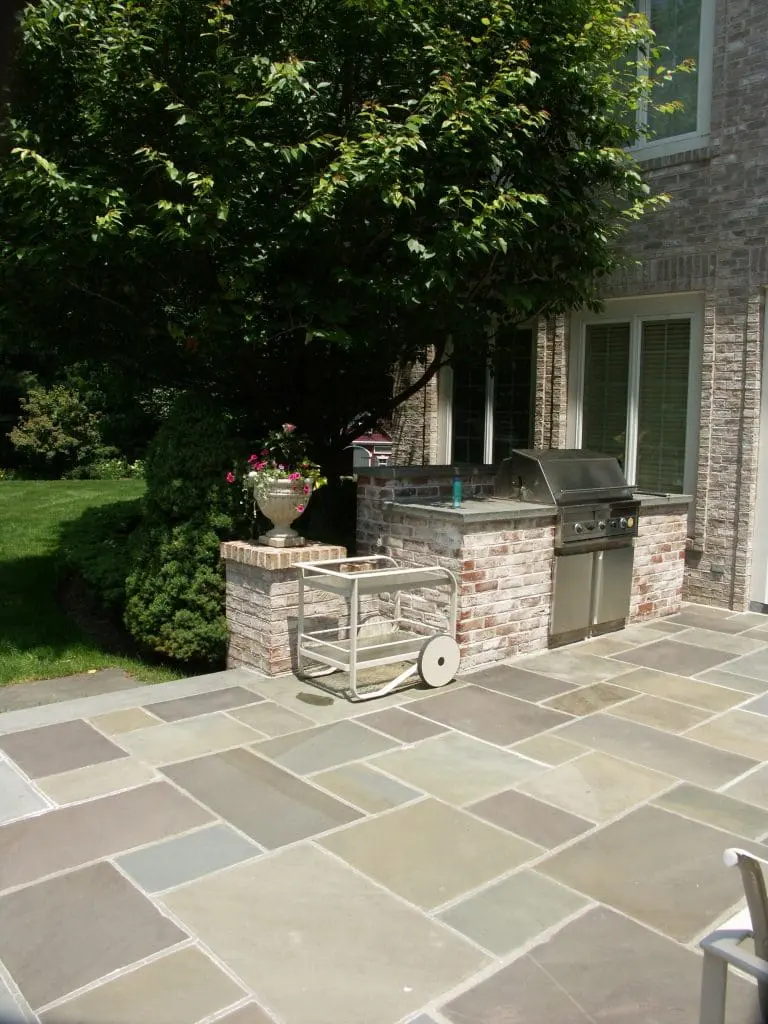
Bluestone patio on cement base.

Filed Under: Hardscaping & Stonework Tagged With: cement, cement emissions, cement environmental impact, cement impact, cement manufacturing, concrete, concrete costs, construction materials, environmental impact of concrete, hardscape, hardscaping, health costs of concrete, health impacts of silica dust, landscape architecture, landscape construction, outdoor staircase, patio, retaining wall, silica, walkway

Your permaculture terrace garden landscape will serve as an invitation to life…for all living beings great and small…plant, animal and mineral. The natural beauty and mystery of life, manifest in its many glorious forms and permutations, will inhabit your biosphere. 

From the primal source of rich organic and mineral matter complete with fungi and bacteria as well as all the possibilities and resources for life, we will create the optimum habitat to nourish the nature of your living green, flowering and fruiting plants throughout the seasons of your life.

Jay Archer’s design concepts (above) start with big and bold goals: creating the conditions and habitat for life—in all its forms—to exist and THRIVE!

Rich results on Google's SERP for 'permaculture design plan'
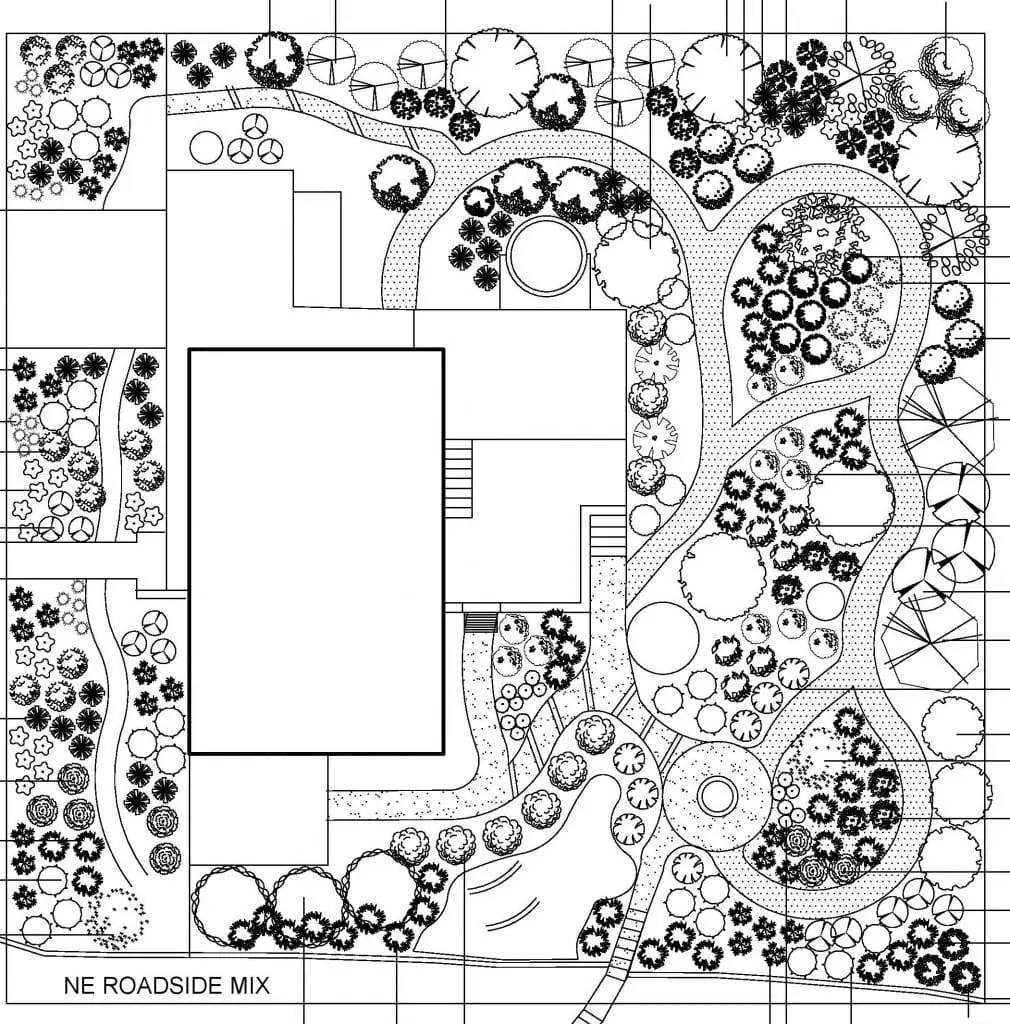
Plan view of the new landscape design for permaculture gardens and walkways, all to be reinforced for erosion control.

Permaculture Theory

Such a perspective aligns with the overall theory and framework of permaculture: that every living thing, no matter how small, plays a role in the health and functioning of our ecosystem. We are all interconnected and dependent upon a healthy and thriving ecosystem, and permaculture prescribes a holistic view of designing and creating with nature in a way that respects every plant, animal and microbe. As Jay says, first, we do no harm.

This framework permeated every aspect of the landscape design and installation. We used only natural-source products — yes they are organic, and toxin free, but equally important, they are either recyclable or can be repurposed in years to come. None of the materials we brought onto the landscape will end up in a landfill.

The landscape installation itself was entirely “quiet” — no power tools were used whatsoever! Given what we now know about high decibel sounds effect on our blood pressure and mental health, we always prefer to do quiet landscaping whenever possible!

Applying Permaculture to Landscape Design 

Permaculture theory is often applied toward making more productive landscapes– both ecologically and as a means of nourishing ourselves. Permaculture foodscapes often implement edible perennials, fruiting trees and shrubs, and perennial culinary and medicinal herbs.

Successful food gardens require healthy populations of pollinators and beneficial insects, thus, permaculture also strives to create habitat for pollinators.  

Human and animal foodscapes were certainly design goals for this Hasting-on-Hudson, NY property: 

The energized exchange and interaction between diverse species populations will continually produce beautiful food, organically grown.

permaculture plants
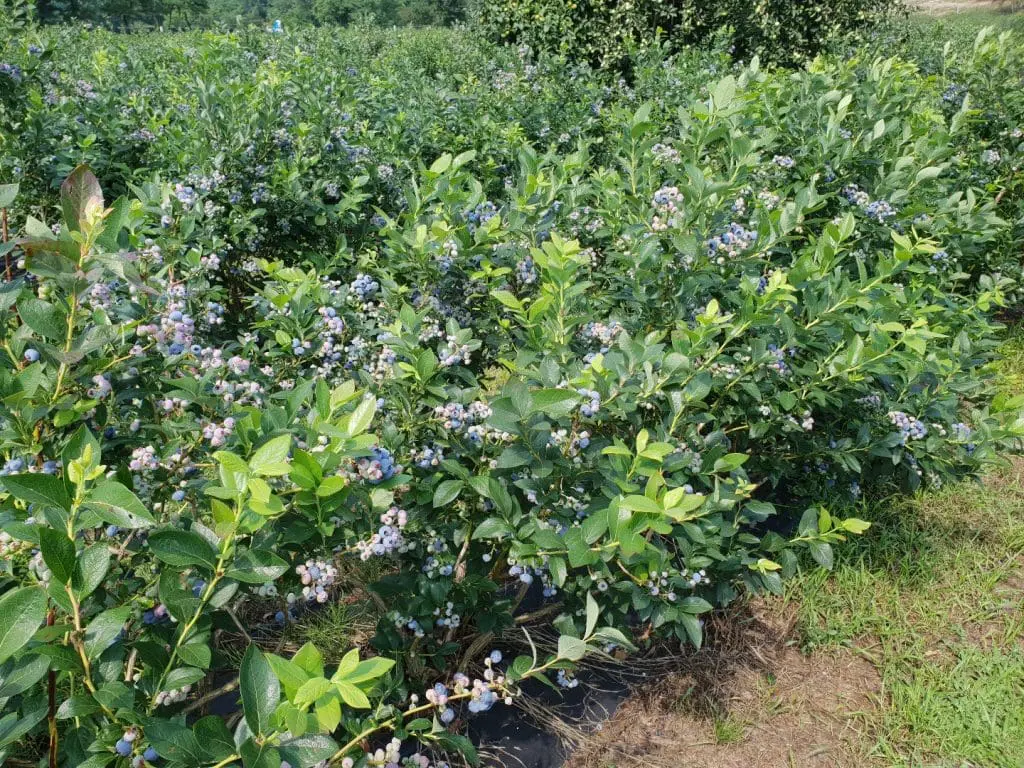
A row of native blueberries! Beautiful, edible, organic — perfect for the permaculture garden!

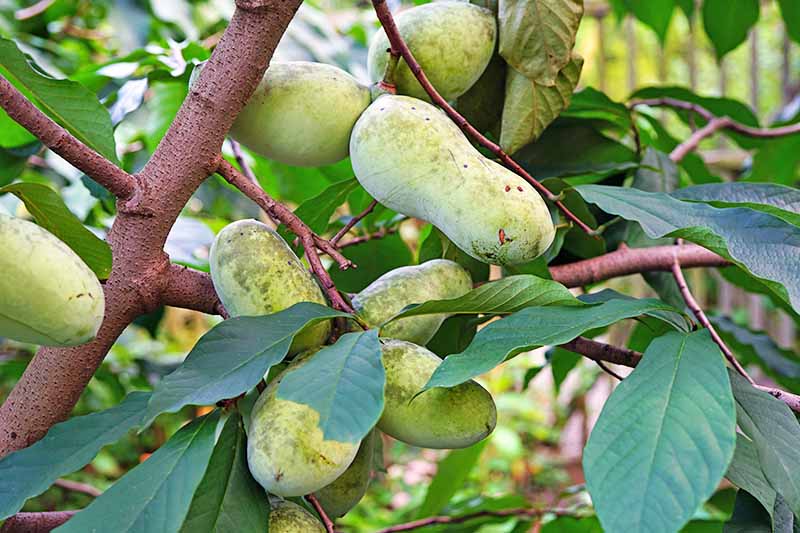
This landscape features* edibles including: Blueberry (native!), Redcurrant, Blackcurrant, Plum, Pawpaws (native!), Peaches and Goumi. 

Fruiting Pawpaw tree — native to the Eastern US and edible.
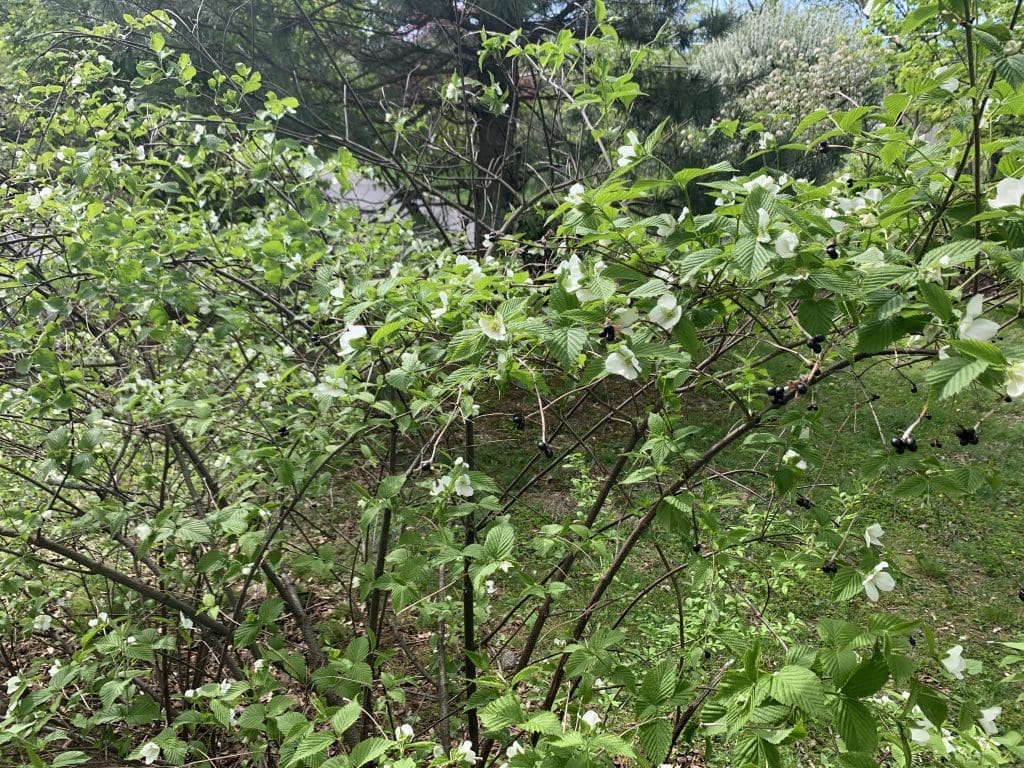
Native Aronia, flowering and fruiting! The shrub’s berries are an important fall and winter food source for birds.

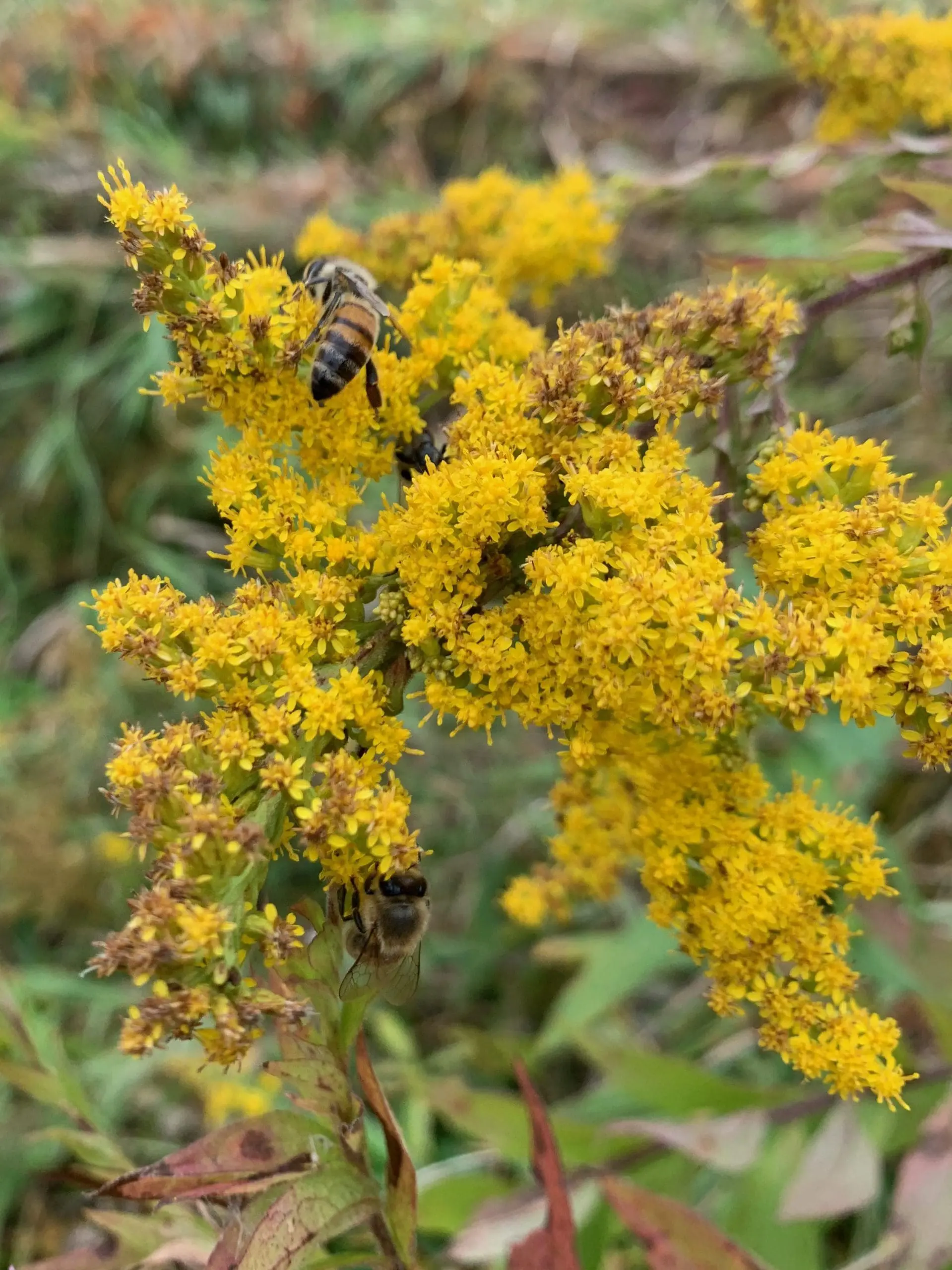
Medicinal and culinary herbs planted include: thyme, mint and natives Echinacea, yarrow, and goldenrod. 

Rich results on Google's SERP for 'native pollinator plants'
Bees enjoying native Goldenrod, which also functions as a medicinal herb

*Note: fruit trees are dug up in the spring and are thus only available at nurseries then; they will be planted in Spring 2021.

Why Perennial Edibles are Superior to Annuals

Permaculture is not a native-only design perspective.  Many of these edibles are non-native, however they still attract many pollinators. By incorporating edible perennials, trees and shrubs, instead of relying solely on annuals, we are taking advantage of other plant characteristics as well.  

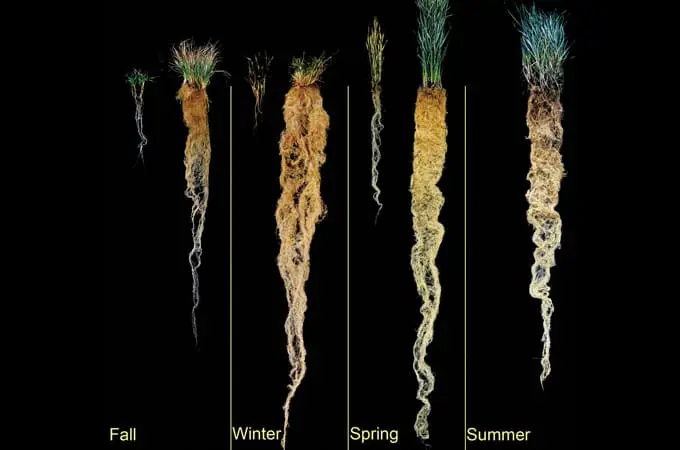
For example, perennials have a deeper root system than annuals, better stabilizing the soil and preventing against erosion.  As the root systems develop over the years, they improve soil structure by creating pathways for water, air and nutrients; these pathways also reduce soil compaction. 

Annual Grain Root Systems vs. Perennial Grain Root Systems.
Photo by: Carbon Cycle Institute.

Perennials are able to uptake nutrients from deeper in the soil strata than annuals are, thereby providing greater nutrient cycling for all the plants and soil microbes in the microclimate. 

terraces for erosion control

Of course if we only ate perennial edibles we would deprive ourselves of many tasty and nutritious fruits and vegetables. This project also included a more traditional organic vegetable garden of annuals.  However, the permaculture theory of making every landscape productive, enriching the soil and designing to nourish both humans and wildlife alike, permeated every aspect of this design.

Designing Organic Habitats

The peaceful harmony and coexistence of beneficial species in great biological diversity provide the highest value in ecosystem services. Day to day, the song of the birds, music of the bees and insects produce a symphony composed by nature, forever free of sour notes and pests unknown to true indigenous environments.

Promoting biodiversity and designing habitats for the permaculture landscape necessitates that the landscape be entirely toxin-free.  All of GJL’s landscapes are maintained using NOFA Organic Land Care principals.  We simply cannot plant plants to attract critical pollinators, only to have them poisoned upon pollination! Organic is the only way!

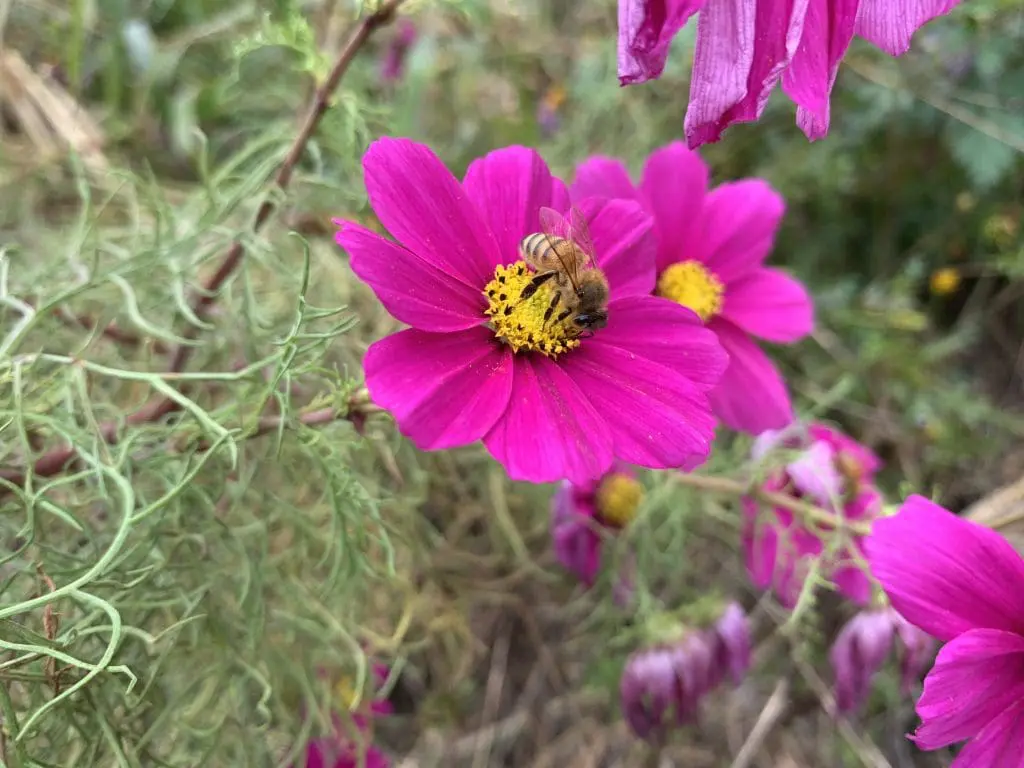
Bee feeding from a cosmo, non-native but beneficial for pollinators!

This permaculture landscape is a welcoming habitat for our critical pollinators and beneficial insects that not only pollinate many of our essential food crops and ornamental plants, but are also the foundation of the food chain for birds and other wildlife.  Without insects our landscapes would suffer immeasurable harm – they are worth protecting! 

Permaculture Design as an Environmental Solution

 Living in the era of the Anthropocene, this living machine (your permaculture landscape) will act as an antidote to the myriad of negative human impacts actively affecting our health, the health of our environment and ultimately the health of this place we inhabit…our Earth…our Mother. 

Another element of Permaculture design theory is designing with “stacked functions.” That means choosing and designing with plants to achieve multiple ecological services within one landscape. 

Northern Sea Oats (Chasmanthium latifolium) is a native ecological superstar!

For example, Northern Sea Oats is a native ornamental grass we planted.  Its seed heads provide late-season food for birds, it is a host plant for number of moths, skippers and butterfly larvae, and its leaves are a great nesting material for birds as well.  It is deep-rooted and its natural habitat is along stream banks, making it a great choice for erosion control projects such as this one.  

Rich results of Google's SERP for 'permaculture garden'
Young green Northern Sea Oats (Chasmanthium latifolium) plants in the terrace garden. These deep-rooted grasses are particularly able at erosion control on slopes.

Deep-rooted grasses are also fabulous at sequestering carbon and storing it in the soil (while woody plants like trees store carbon in their biomass).  This landscape, with its diversity of deep-rooted grasses, trees, shrubs and perennials (and no lawn!) is on-track to becoming a carbon net-positive landscape! 

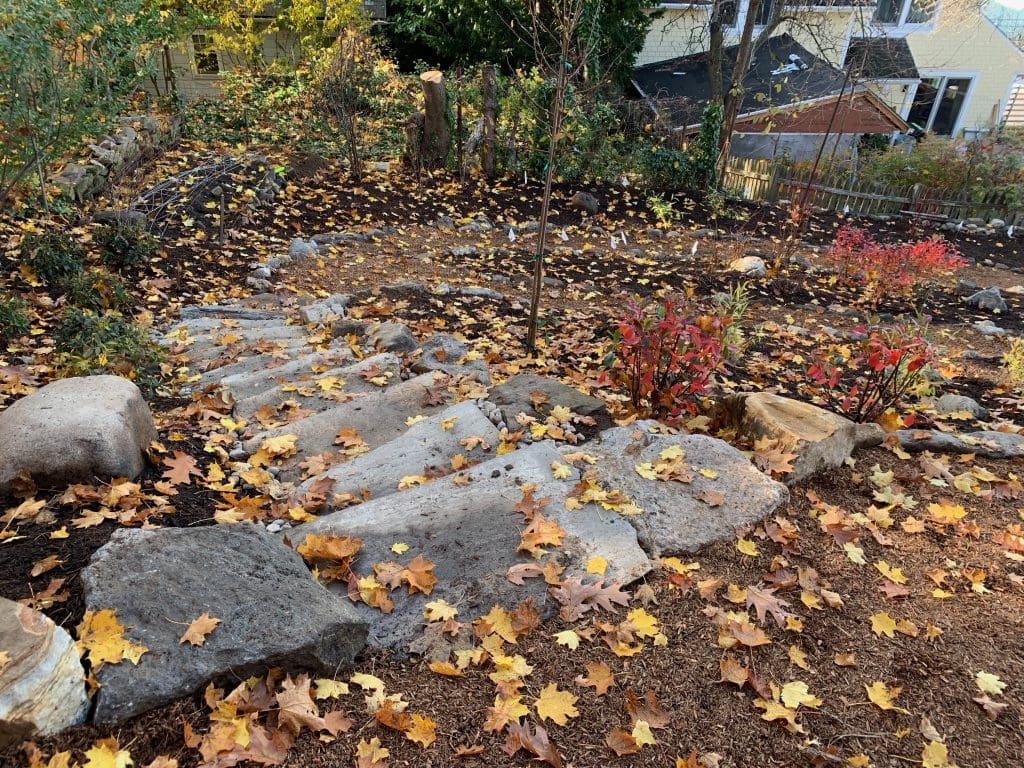
Natural stone staircase down to lower walkways that meander through the garden.

With a smartly designed permaculture landscape, we can solve many of our present day environmental problems: ballooning GHG emissions, polluted air and water, eroded and deficient soil, food deserts, declining pollinator and wildlife habitat… every permaculture landscape can be part of the solution! 

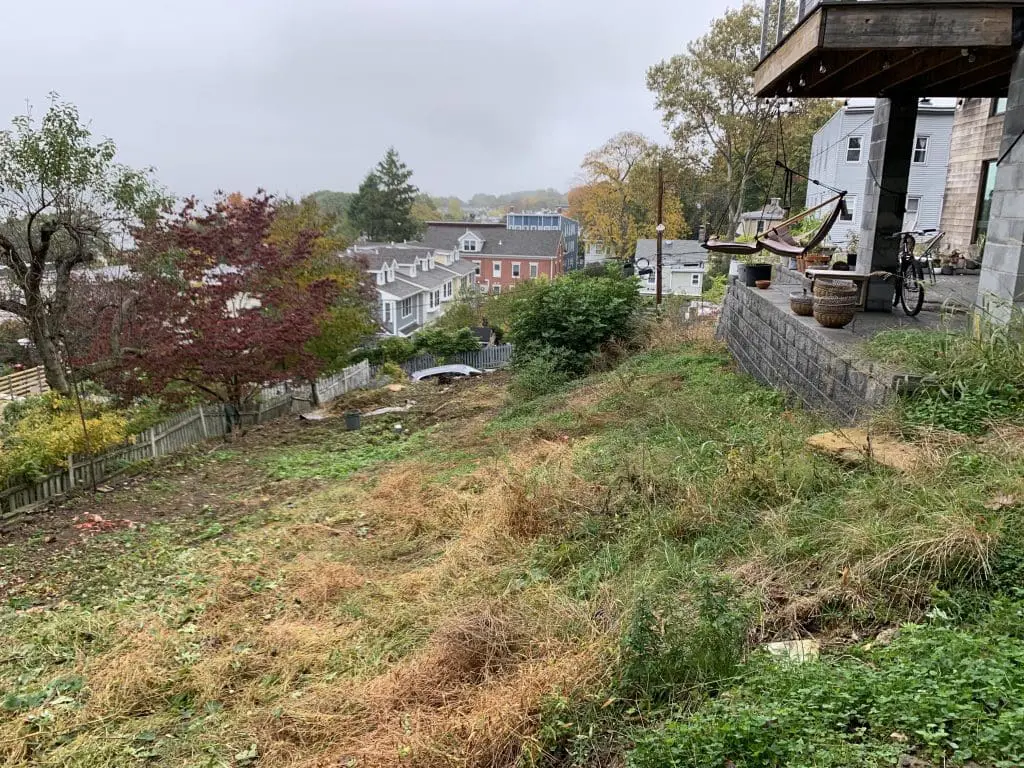
BEFORE PHOTO: this steep slope in Hastings was susceptible to erosion and lacked any aesthetic design.

Designing for Erosion Control and Soil Conservation

This site is a steep slope in Hastings-on-Hudson, New York, a town within Westchester County.  Existing vegetation included many invasive ‘weeds’ that were removed by hand. Jay designed a series of terraced gardens and walkways, manipulating and reinforcing the new grades to capture stormwater and prevent erosion. 

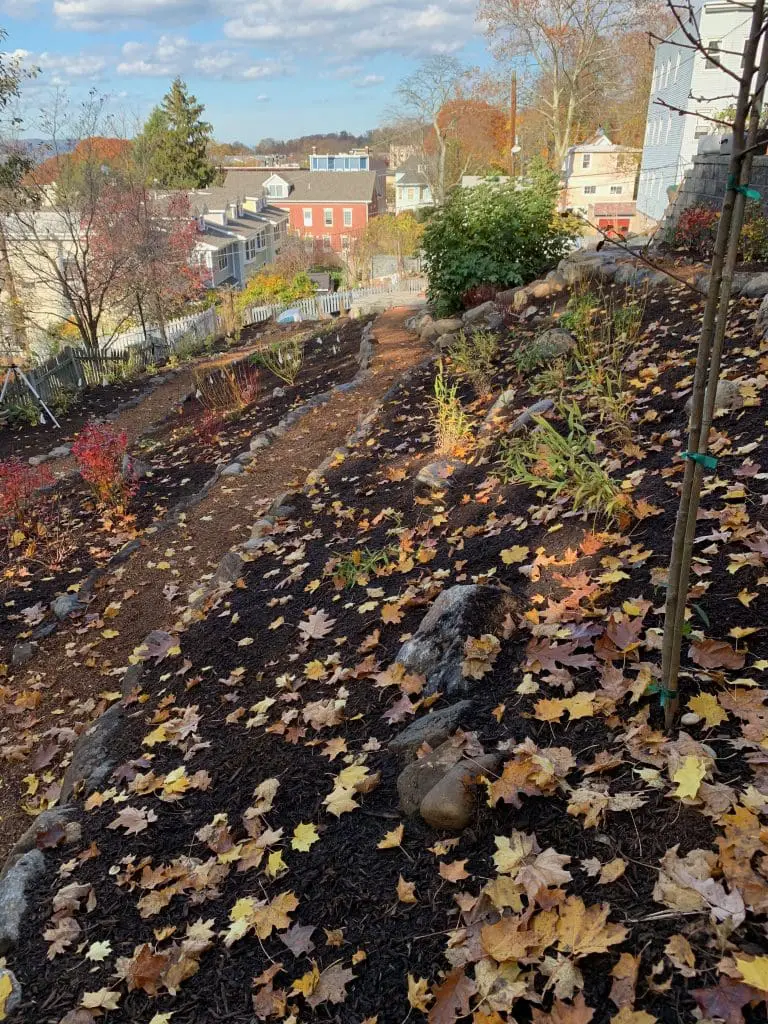
Terraced garden beds (partially planted) and garden pathways designed for erosion control.

Gently cascading topography with gentle paths and terraces will support and sustain your individual, unique plant communities.

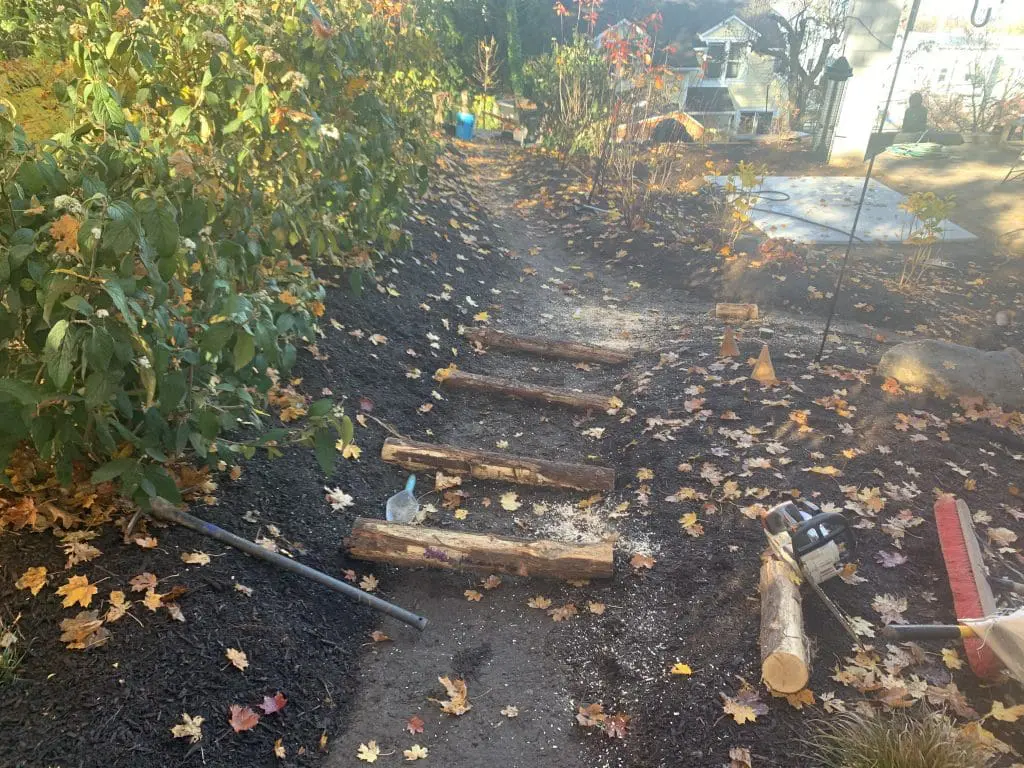
Installation of erosion control devices — cedar logs — to help retain and conserve the soil.

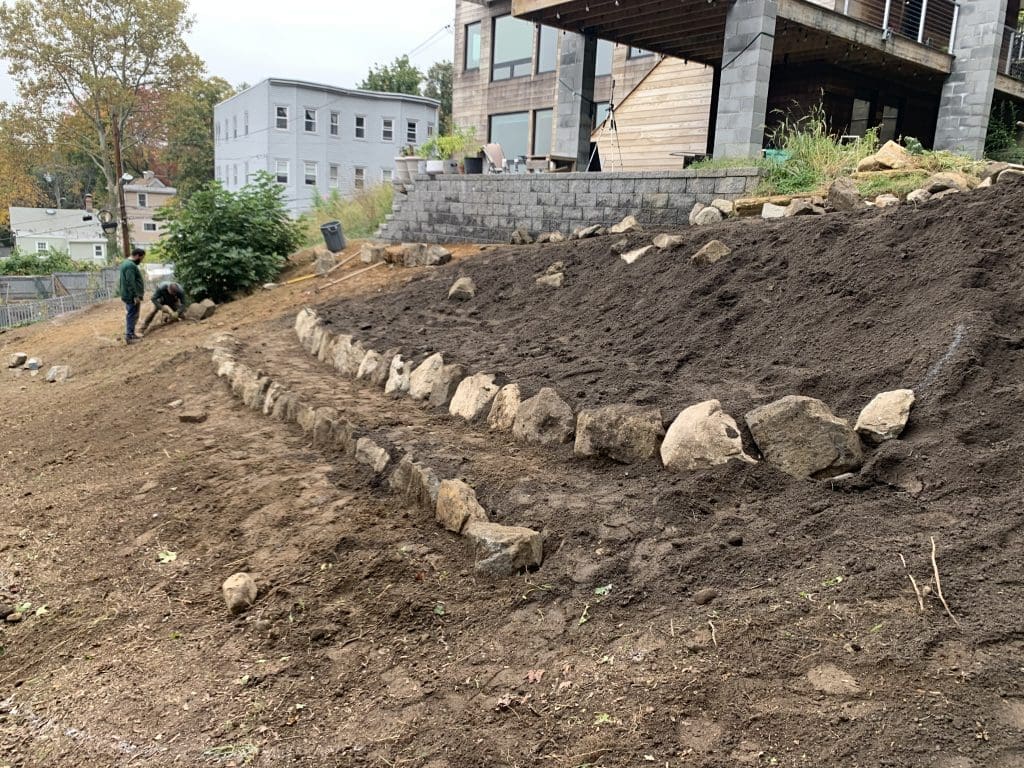
Erosion control devices included placing cedar bark logs diagonally across the walkways, and backfilling with mulch to help slow down and allow water to infiltrate. The terraces were formed with twenty yards of boulders and rip rap (smaller sized stones) and filtrex socks.  Plants were installed through Jute biodegradable natural coconut fiber netting.  

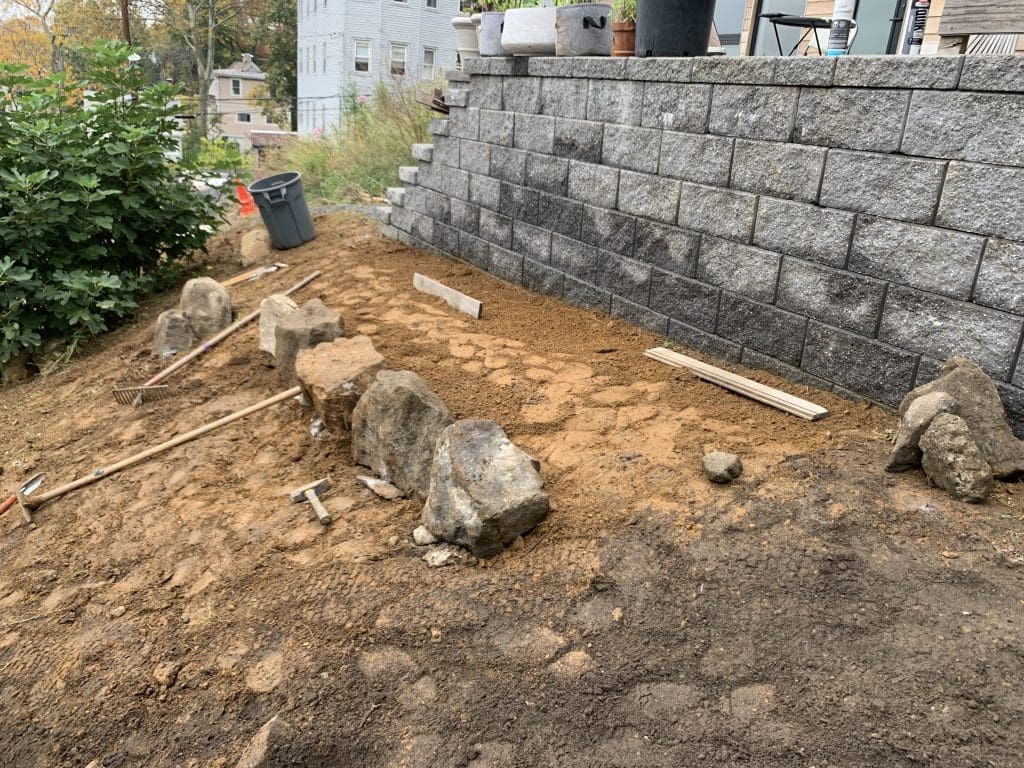
Boulder installation to form new permaculture garden beds that resist erosion through storm events.
Terrace infrastructure: sweeping boulders form the terrace gardens (top), and boulder-lined garden path below.
GJL crew installs filter fabric before filling the pathways with playground mulch; to the right, completed natural stone staircase leads to lower pathways.

The pathways were finished with certified playground mulch to contrast with the dark hardwood mulch on the garden beds.  The pathways are lined with small fist-sized stones. 

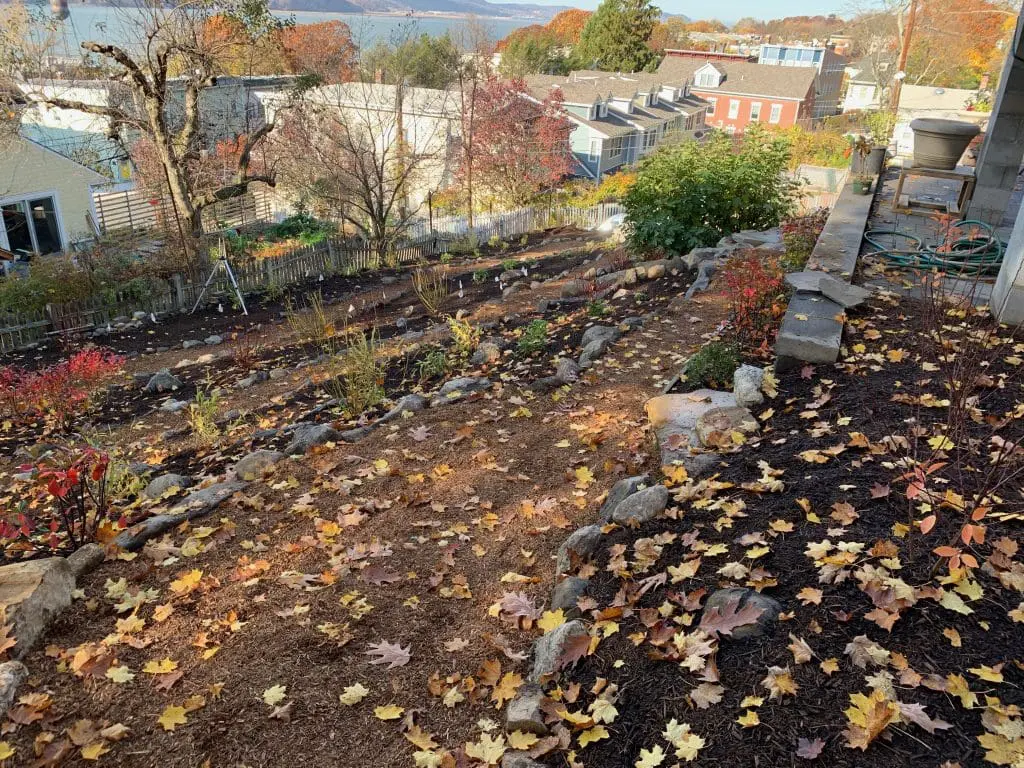
Finished view. Using different color mulches helps differentiate visually between garden beds and walkways.

The result is a naturalistic, productive and thriving permaculture garden that can withstand our ever-more frequent storm events, allowing for soil and water conservation.  

May you breathe deeply the fresh, clean air, the sweet fragrance of Providence as nature intended.  

For the good of your children and your children’s children.

May you live in serene peace and happiness, now and always!

Jay Archer

Landscape Ecologist, Designer

Green Jay Landscape Design

914-560-6570
Filed Under: Landscape Construction & Installation, Landscape Design Tagged With: bird habitat, boulders, butterfly garden, edible garden, erosion control, erosion control devices, erosion control plan, erosion prevention, filtrex, food forest, foodscape, habitat, habitat garden, Hastings on hudson, Hastings on Hudson NY, hillside garden, jutte netting, landscape construction, landscape design, landscape designer, lawn replacement, masonry, natural stone, natural stone masonry, orchard, organic garden, organic habitat, perennial edibles, permaculture, permaculture design, permaculture designer, permaculture garden, permaculture theory, pollinator garden, pollinator habitat, quiet landscape installation, quiet landscaping, steep slope garden, terrace garden

How does the landscape design process start? For Green Jay Landscape Design, we have two initial options: a free 15-minute discovery call or a paid, 2-hour, on-site landscape design consultation with designer Jay Archer himself.

This video explores all the factors that go into an ecological landscape design consultation and ultimately culminate in the landscape design concept, proposal, master plan and work estimates. Jay evaluates the soil, lighting and moisture conditions, as well as the clients’ lifestyle, architectural style and goals for outdoor living.

Each project has its own unique set of design goals and sources of inspiration. Depending on the scope and scale of the project, it may require permitting, design plan renderings, Architectural Review Board meetings, construction details and more.

Start your ecological landscape design project now with a landscape design consultation. Call Green Jay Landscape Design to schedule (914-560-6570) or submit a contact form.

Filed Under: Landscape Design Tagged With: autoCAD landscape plan, design concept, design plan, design planning, Dynascape Landscape plan, landscape consultation, landscape consulting, landscape design consultation, landscape design master plan, landscape design plan, landscape designer, landscape proposal, landscape renderings, landscaping consultation, on-site consultation, professional consultation, residential landscaping

  • « Go to Previous Page
  • Page 1
  • Interim pages omitted …
  • Page 20
  • Page 21
  • Page 22
  • Page 23
  • Page 24
  • Interim pages omitted …
  • Page 61
  • Go to Next Page »

Footer

Shop Address: 369 Bradhurst Ave, Hawthorne, NY 10532
(914) 560-6570
  • Facebook
  • Instagram
  • LinkedIn
  • Pinterest
  • YouTube
  • Houzz
  • Slide Share
  • Installation
  • Portfolio
  • Pricing
  • About
  • Contact

Copyright © 2026 · Green Jay Landscape Design. All Rights Reserved · Privacy Policy · Website and Local SEO by Ramblin Jackson